60 vs. 72 Month Car Loan: An In-Depth Analysis for Smart Auto Financing
60 vs. 72 Month Car Loan: An In-Depth Analysis for Smart Auto Financing Carloan.Guidemechanic.com
Buying a car is a significant financial decision, and one of the most crucial aspects to navigate is your auto loan. While the excitement of a new vehicle often takes center stage, understanding the intricacies of your financing can save you thousands of dollars and prevent future headaches. The choice between a 60-month and a 72-month car loan term is a common dilemma, one that carries substantial implications for your budget, your long-term financial health, and even your peace of mind.
Many car buyers fixate solely on the monthly payment, often overlooking the bigger picture. This article will serve as your ultimate guide, delving deep into the pros, cons, and financial ramifications of both 60-month and 72-month car loans. We’ll equip you with the knowledge to make an informed decision that aligns with your personal circumstances and financial goals, ensuring you drive away not just happy with your car, but also confident in your financing.
60 vs. 72 Month Car Loan: An In-Depth Analysis for Smart Auto Financing
Understanding Car Loan Terms: The Basics
Before we compare the specific terms, let’s establish a foundational understanding of what a car loan term truly means. Simply put, the loan term is the length of time you have to repay the borrowed money, typically expressed in months. This duration directly influences two critical components of your loan: your monthly payment and the total amount of interest you’ll pay over the life of the loan.
A shorter loan term means you’re paying off the principal balance more quickly. This results in fewer interest charges accumulating over time. Conversely, a longer loan term spreads your payments out over an extended period, which can make monthly installments feel more manageable. However, this convenience often comes at the cost of significantly more interest paid in total.
The term you choose fundamentally impacts your immediate budget and your overall financial outlay for the vehicle. It’s a balance between affordability now and the true cost of ownership later. Making the right choice requires careful consideration of various factors beyond just the lowest monthly bill.
The 60-Month Car Loan: A Closer Look
The 60-month, or five-year, car loan has long been considered a traditional standard for auto financing. It strikes a balance for many borrowers, offering a manageable repayment period without extending the debt too far into the future. Let’s explore its advantages and disadvantages in detail.
Advantages of a 60-Month Car Loan
Choosing a shorter 60-month loan term comes with several compelling benefits that can significantly impact your financial well-being. These advantages often translate into long-term savings and greater financial flexibility.
1. Lower Total Interest Paid: This is arguably the most significant benefit. When you shorten your loan term, you provide the lender with less time to charge you interest on the outstanding balance. Over five years, compared to six, the cumulative interest can be substantially lower, saving you hundreds or even thousands of dollars throughout the life of the loan. This means more of your money goes towards paying down the car’s principal value rather than the cost of borrowing.
2. Faster Equity Build-Up: Equity in your car refers to the difference between its market value and the amount you still owe on the loan. With a 60-month loan, you pay down the principal at a faster rate. This means you build equity more quickly, reducing the time it takes to own a larger portion of your vehicle outright. Rapid equity build-up is a strong financial position to be in.
3. Reduced Risk of Negative Equity (Being "Upside Down"): Negative equity, or being "upside down," occurs when you owe more on your car than it’s worth. This is a common and financially precarious situation, especially in the early years of car ownership due to rapid depreciation. A 60-month loan term helps mitigate this risk because your principal repayment often outpaces the car’s depreciation more effectively. This ensures you’re less likely to find yourself in a difficult position if you need to sell or trade in your car prematurely.
4. Shorter Period of Debt: Carrying debt can be a burden. A 60-month loan means you’ll be debt-free sooner, typically within five years. This frees up your monthly budget much faster, allowing you to reallocate those funds towards other financial goals, such as saving for a down payment on a home, investing, or simply enjoying a higher disposable income. The psychological benefit of being out of debt quickly is also a significant plus.
Disadvantages of a 60-Month Car Loan
While the benefits are clear, a 60-month loan term isn’t without its drawbacks. These are primarily centered around immediate affordability and budget flexibility.
1. Higher Monthly Payments: The most apparent downside is the higher monthly payment compared to a longer loan term. Since you’re paying back the same amount of money over a shorter period, each installment will be larger. This can strain tighter budgets and might make it challenging to afford the car you truly want, or even a reliable one, without compromising other financial commitments.
2. Potentially Less Affordable for Some Budgets: For individuals or families with limited disposable income, the higher monthly payment of a 60-month loan might simply be out of reach. This could force them to choose a less expensive car than desired or push them towards a longer, more costly loan term. It’s crucial to realistically assess your budget before committing to a higher monthly outlay.
3. May Require a Larger Down Payment: To make the monthly payments more manageable on a 60-month loan, especially for more expensive vehicles, you might need to make a larger down payment. While a substantial down payment is always a good idea, not everyone has the immediate cash reserves available for this. This could delay your car purchase or limit your options.
Who is a 60-Month Car Loan For?
Based on my experience, a 60-month loan is often ideal for borrowers who:
- Have a stable income and a comfortable budget that can accommodate higher monthly payments without stress.
- Prioritize paying less interest over the long run.
- Want to build equity quickly and reduce their time in debt.
- Have a good credit score, which allows them to qualify for competitive interest rates even on shorter terms.
- Prefer not to be tied to a car payment for an extended period.
The 72-Month Car Loan: A Deeper Dive
In recent years, 72-month (six-year) car loans have become increasingly popular, especially as vehicle prices continue to rise. They offer a solution for buyers looking to reduce their monthly financial burden, but this comes with its own set of trade-offs.
Advantages of a 72-Month Car Loan
The primary appeal of a 72-month loan lies in its ability to make car ownership more accessible by lowering the immediate financial commitment.
1. Lower Monthly Payments: This is the undisputed main advantage. By spreading the repayment over an additional 12 months, each individual payment becomes smaller. This can significantly ease the strain on your monthly budget, making it easier to afford a newer, more reliable, or higher-spec vehicle that might otherwise be out of reach with a shorter loan term.
2. Increased Affordability: For many buyers, especially those looking at new or slightly used cars with higher price tags, a 72-month term is the only way to get the vehicle they need within their monthly budget. It expands the range of cars that become financially viable, offering more options for transportation. This can be particularly helpful for families needing larger vehicles or individuals who commute long distances and require a dependable car.
3. More Budget Flexibility: Lower monthly payments mean more disposable income available each month. This extra cash can be used for other essential expenses, savings, investments, or simply provides a buffer against unexpected costs. This flexibility can be a major draw for those managing multiple financial obligations or who value having more liquid funds available.
Disadvantages of a 72-Month Car Loan
While offering lower monthly payments, the extended term of a 72-month loan introduces several significant financial drawbacks that potential borrowers must carefully consider.
1. Higher Total Interest Paid Over the Life of the Loan: This is the most critical downside. By extending the loan term for an additional year, you give the lender more time to charge interest on the outstanding principal. Even if the interest rate is the same or only slightly higher, the cumulative effect of an extra year of interest payments can add up to hundreds or even thousands of dollars more in total compared to a 60-month loan. This means you’re paying significantly more for the privilege of lower monthly payments.
2. Slower Equity Build-Up: With payments spread over a longer period, less of each payment goes towards the principal in the early years. This results in a much slower accumulation of equity in your vehicle. You’ll take longer to own a substantial portion of your car outright, keeping you tied to the loan for a greater duration.
3. Higher Risk of Negative Equity: The risk of being "upside down" (owing more than the car is worth) is significantly higher with a 72-month loan, especially in the first few years. Cars depreciate rapidly, particularly new ones. When your loan term is longer, your principal balance decreases slowly, often failing to keep pace with the vehicle’s rapid loss of value. This can create a precarious situation if you need to sell or trade in the car before the loan is substantially paid off.
4. Longer Period of Debt: Committing to a 72-month loan means you’ll have a car payment for six full years. This is a substantial chunk of time in anyone’s financial life. It ties up a portion of your income for longer, potentially delaying other financial goals like saving for a house, retirement, or even just having more discretionary spending.
5. Car Depreciation Often Outpaces Loan Repayment: This point deserves special emphasis. Modern cars, while reliable, still depreciate significantly. Over six years, your car will likely lose a substantial amount of its value. With a 72-month loan, you often find yourself in a situation where the car’s value drops faster than you’re paying down the loan balance. This makes any unexpected need to sell or replace the vehicle a financial challenge.
Who is a 72-Month Car Loan For?
Pro tips from us suggest a 72-month loan might be considered by borrowers who:
- Have a very tight monthly budget and need the lowest possible monthly payment to afford reliable transportation.
- Are purchasing a highly reliable vehicle they intend to keep for a very long time (well beyond the 6-year loan term).
- Have an excellent credit score, which helps them secure the lowest possible interest rate even on a longer term, mitigating some of the extra interest cost.
- Are using the lower monthly payment to free up cash for higher-return investments or to pay off higher-interest debt. However, this should be a deliberate financial strategy, not just a default choice.
Beyond 60 and 72 Months: Are Longer Terms (84+ months) Ever a Good Idea?
While 60 and 72 months are common, some lenders offer even longer terms, such as 84 months (seven years) or even 96 months (eight years). These terms typically apply to very expensive vehicles or to borrowers with less-than-stellar credit.
From a financial health perspective, these ultra-long terms are almost universally discouraged. The interest paid becomes astronomical, the risk of negative equity is almost guaranteed for many years, and you’re essentially committing to a car payment for the vast majority of your car’s useful life. The car’s reliability might even become an issue before the loan is fully paid off. It’s generally best to avoid these extended terms if at all possible.
Key Factors to Consider When Choosing Your Loan Term
The decision between a 60-month and a 72-month car loan isn’t one-size-fits-all. It requires a thoughtful evaluation of your personal financial situation and priorities. Here are the critical factors you must consider:
1. Your Budget and Monthly Payment Comfort
This is often the first consideration for most buyers. How much can you genuinely afford to pay each month without feeling financially strained? It’s not just about meeting the payment; it’s about living comfortably and being able to save for other goals. Use a budget calculator to understand your disposable income.
Don’t let a salesperson pressure you into a payment that feels too high. Remember, a lower monthly payment might feel good initially, but if it comes with a significantly higher total cost, it’s a false economy. Conversely, don’t overstretch for a shorter term if it jeopardizes your ability to cover other essential expenses.
2. Total Cost of the Loan (Interest)
While monthly payments are important, the total amount of interest you’ll pay over the loan’s lifetime is paramount. This is the true cost of borrowing. A longer term almost always means paying significantly more in interest, even if the interest rate is the same.
Always ask for the total amount you will pay back for both options. A difference of $50 a month might seem small, but over 72 months, that’s an extra $3,600, not including the compounding interest effect. This extra cost could be used for savings, investments, or other important purchases.
3. Car Depreciation
Cars are depreciating assets, meaning they lose value over time. This loss is most significant in the first few years of ownership. Understanding how quickly your chosen vehicle will depreciate is vital. You can research common depreciation rates for specific makes and models.
With a 72-month loan, the rate at which your car loses value often outpaces the rate at which you pay down the principal. This leaves you in a negative equity position for a longer time, which can be problematic if you need to sell or trade in the car sooner than expected. For a deeper dive into this, you might find our article on Demystifying Car Depreciation: What Every Buyer Needs to Know (internal link example) helpful.
4. Interest Rates
The interest rate offered on your loan heavily influences both your monthly payment and the total cost of the loan. Generally, shorter loan terms often come with slightly lower interest rates because the lender’s risk is reduced. However, this isn’t always the case and depends heavily on your credit score and market conditions.
Even a small difference in the interest rate can have a substantial impact over several years. Always compare the Annual Percentage Rate (APR) across different loan offers, as this provides the most accurate reflection of the total cost of borrowing, including fees.
5. Your Credit Score
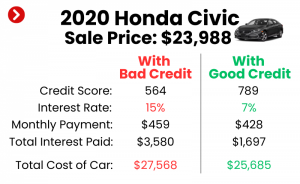
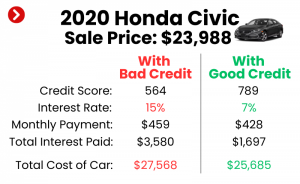
Your credit score is a powerful determinant of the interest rate you’ll be offered. Borrowers with excellent credit scores (typically 700+) will qualify for the most competitive rates, regardless of the loan term. If you have a strong credit profile, the benefits of a shorter 60-month loan (lower total interest) become even more pronounced.
Conversely, if your credit score is fair or poor, you might be offered higher interest rates. In such cases, a longer term like 72 months might be necessary to keep the monthly payments affordable, but be acutely aware of the much higher total interest cost. Improving your credit score before applying for a loan is always advisable. Check out our guide on Boosting Your Credit Score: A Comprehensive Guide Before Your Next Big Purchase (internal link example) for more insights.
6. Down Payment
The size of your down payment directly impacts the amount you need to borrow. A larger down payment reduces the principal amount, which in turn lowers both your monthly payments and the total interest paid, regardless of the loan term. This also helps build equity faster and reduces your risk of going upside down.
If you have a substantial down payment available, a 60-month loan becomes much more manageable. If your down payment is small or non-existent, a 72-month loan might be the only way to achieve an affordable monthly payment, but the financial downsides will be magnified.
7. Trade-in Value
If you’re trading in your current vehicle, its value can act as a de facto down payment, reducing the amount you need to finance. Ensure you get a fair trade-in value and understand how it affects your new loan. If your trade-in has negative equity, rolling that into your new loan on a 72-month term can be a recipe for severe financial difficulty.
8. Your Future Financial Outlook
Consider your job security, potential income changes, and major life events over the next five to six years. Do you anticipate any significant financial shifts, such as career changes, starting a family, or planning for a down payment on a house? A longer loan term ties up your income for a greater duration, potentially impacting your flexibility for future financial goals.
If your financial future is uncertain, opting for a shorter term with lower total interest might offer more peace of mind and flexibility once the debt is repaid.
9. Vehicle Reliability and Longevity
How long do you plan to keep the car? If you typically drive your vehicles until they fall apart, a 72-month loan might seem less daunting. However, if you tend to upgrade every few years, a longer loan term significantly increases the risk of being upside down when you’re ready for your next vehicle.
Consider the car’s expected reliability. Will it still be running smoothly and without major repair costs in year six or seven? You don’t want to be making car payments on a vehicle that’s constantly in the shop or has lost almost all its value.
Common Mistakes to Avoid When Financing a Car
Based on my experience working with countless car buyers, common mistakes to avoid are:
1. Focusing Only on Monthly Payments: This is perhaps the most prevalent error. Salespeople are often trained to negotiate based on monthly payments because it’s easier to manipulate and often distracts from the total cost. Always look at the overall price of the car, the total loan amount, and the total interest you’ll pay.
2. Ignoring the Total Interest: Many buyers don’t calculate or even ask about the total interest they’ll pay over the life of the loan. This can add thousands of dollars to the cost of your car, turning a seemingly good deal into an expensive one. Always compare the total cost, not just the monthly installment.
3. Not Getting Pre-Approved: Walking into a dealership without a pre-approved loan offer from a bank or credit union puts you at a disadvantage. Dealerships often mark up interest rates, and having your own financing in hand gives you leverage to negotiate a better deal. It also sets a clear budget.
4. Not Understanding All Fees: Be aware of all the fees associated with your loan. This includes origination fees, documentation fees, and any optional add-ons like extended warranties or GAP insurance. While some are legitimate, others might be negotiable or unnecessary. Read the fine print carefully.
5. Rolling Negative Equity into a New Loan: If you owe more on your trade-in than it’s worth, and you roll that negative equity into your new loan, you’re starting your new car purchase "upside down." This is a dangerous financial move, especially with a 72-month loan, as it exacerbates the risk of being in debt longer than your car is worth. It’s often better to pay off the negative equity or delay your purchase.
Pro Tips for Making the Best Decision
To ensure you secure the best possible auto loan and make an informed decision, follow these professional tips:
1. Get Multiple Loan Offers: Don’t settle for the first loan offer you receive, especially from the dealership. Shop around with several banks, credit unions, and online lenders. Compare their APRs and terms for both 60-month and 72-month options. This competitive shopping can save you a significant amount of money.
2. Understand Your Credit Score: Before you even start shopping for a car, pull your credit report and score. Knowing where you stand allows you to anticipate what kind of rates you’ll qualify for and gives you time to correct any errors. A higher credit score translates to lower interest rates.
3. Negotiate the Car Price First, Then the Financing: Separate the car buying process into two distinct negotiations. First, agree on the vehicle’s purchase price. Only once that’s settled should you discuss financing. This prevents the dealer from manipulating the numbers to make it seem like you’re getting a good deal on both when you might be losing out on one.
4. Consider a Substantial Down Payment: Even if you don’t have to, making a larger down payment is almost always a good idea. It reduces the amount you finance, lowers your monthly payments, saves you money on interest, and helps you build equity faster. Aim for at least 10-20% if possible.
5. Use an Online Car Loan Calculator: Before you visit any dealership, use online calculators to play with different loan terms, down payments, and interest rates. This helps you understand the impact of each variable and set realistic expectations for your budget. The Consumer Financial Protection Bureau (CFPB) offers excellent resources and calculators to help you understand auto loans better. (External link: https://www.consumerfinance.gov/consumer-tools/auto-loans/)
6. Read the Fine Print: Never sign anything until you’ve thoroughly read and understood every line of the loan agreement. Pay close attention to the APR, total interest, any prepayment penalties, and all fees. If anything is unclear, ask for clarification.
The Importance of Loan Affordability and Financial Health
Ultimately, the choice between a 60-month and a 72-month car loan boils down to balancing immediate affordability with long-term financial health. While a lower monthly payment might feel like a relief today, a higher total cost of ownership can create financial strain down the road. It’s crucial that your car loan doesn’t become a burden that prevents you from achieving other important financial milestones, such as saving for a home, retirement, or your children’s education.
A car is a tool for transportation, not an investment. Therefore, minimizing its cost over time should be a priority. Choose the loan term that allows you to comfortably afford your monthly payments without accumulating excessive interest, and that aligns with your overall financial strategy.
Conclusion
The decision between a 60-month and a 72-month car loan is a personal one, with no universally "right" answer. Both options present distinct advantages and disadvantages that must be weighed against your individual financial situation, priorities, and future plans. A 60-month loan typically results in less interest paid and faster equity build-up but comes with higher monthly payments. Conversely, a 72-month loan offers lower monthly payments and greater affordability but incurs significantly more in total interest and carries a higher risk of negative equity.
By thoroughly evaluating your budget, understanding the true cost of borrowing, considering car depreciation, and utilizing the pro tips provided, you can navigate the complexities of auto financing with confidence. The ultimate goal is to select a loan term that not only gets you into the car you need but also supports your long-term financial well-being. Drive away smart, not just satisfied.