APR Meaning Car Loan: Your Ultimate Guide to Unlocking Smart Auto Financing
APR Meaning Car Loan: Your Ultimate Guide to Unlocking Smart Auto Financing Carloan.Guidemechanic.com
The thrill of a new car is undeniable. The sleek design, the new car smell, the promise of freedom on the open road – it’s an exciting prospect. But before you drive off into the sunset, there’s a crucial financial term you absolutely need to master: APR. For many, the "APR meaning car loan" connection remains a foggy concept, often overshadowed by the monthly payment. However, truly understanding your car loan APR is the single most powerful tool you have to save thousands over the life of your loan.
This comprehensive guide will demystify the Annual Percentage Rate (APR) specifically for car loans. We’ll break down what it is, why it matters more than just the interest rate, and how you can leverage this knowledge to secure the best possible financing deal. By the time you finish reading, you’ll be equipped to navigate the world of auto financing with confidence and clarity, making smarter decisions that protect your wallet.
APR Meaning Car Loan: Your Ultimate Guide to Unlocking Smart Auto Financing
What Exactly is APR? The Core Definition for Your Car Loan
Let’s start with the basics. APR stands for Annual Percentage Rate. In the context of a car loan, it represents the true annual cost of borrowing money from a lender, expressed as a percentage. It’s far more comprehensive than just the interest rate alone, and this distinction is incredibly important for any car buyer.
Think of the APR as the overall price tag for your loan. While the interest rate is a significant part of that price, the APR bundles in other mandatory fees and charges that a lender might impose. This holistic view gives you a much clearer picture of what you’re actually paying each year to borrow the funds for your vehicle.
When you’re comparing car loan offers, focusing solely on the interest rate can be a costly mistake. A loan with a seemingly lower interest rate might actually have a higher APR due to various hidden fees. This is why financial experts consistently advise car buyers to compare offers based on their APRs, not just their advertised interest rates.
APR vs. Interest Rate: Why the Distinction Matters for Your Auto Loan
Understanding the difference between APR and the nominal interest rate is critical for making informed car financing decisions. While often used interchangeably in casual conversation, these two terms have distinct meanings and implications for your total loan cost. The nominal interest rate is simply the percentage charged on the principal amount you borrow. It’s the cost of borrowing money itself, calculated annually.
The APR, however, goes a significant step further. It encompasses that nominal interest rate plus any additional fees or charges levied by the lender that are directly tied to the loan. These could include origination fees, processing fees, documentation fees, or even certain credit insurance premiums if they are a mandatory part of the loan package. These added costs are then spread out over the loan term and reflected in the overall annual percentage.
Pro Tip from Us: Always ask lenders for their APR when getting quotes. If they only quote an interest rate, insist on knowing the full APR. This ensures you’re comparing apples to apples across different loan offers. Based on my experience, lenders who are transparent about their APR upfront are generally more trustworthy.
Let’s say one lender offers you a 5% interest rate but has a $500 origination fee. Another lender offers a 5.5% interest rate with no fees. Without considering the APR, the 5% might look better. However, once those fees are factored into the APR, the 5.5% loan could actually be cheaper overall. The APR provides that necessary transparency.
Components of Your Car Loan APR: Unpacking the Costs
To truly grasp the "APR meaning car loan," we need to dissect its constituent parts. It’s not just a single number; it’s a reflection of several financial elements combined. Understanding these components will empower you to scrutinize loan offers more effectively and potentially negotiate better terms.
The primary component, of course, is the interest rate. This is the percentage charged by the lender for the use of their money. It directly influences your monthly payment and the total interest you’ll pay over the life of the loan. This rate is influenced by a multitude of factors, which we will explore shortly.
Beyond the interest rate, the APR incorporates lender fees. These are charges that the financial institution imposes for processing and setting up your loan. Common examples include:
- Origination Fees: A fee charged for processing a new loan application. It can be a flat fee or a percentage of the loan amount.
- Documentation Fees (Doc Fees): These cover the cost of preparing and processing the loan paperwork. While dealerships often charge doc fees related to the sale of the car, lenders can also have their own documentation charges for the loan itself.
- Application Fees: Sometimes a non-refundable fee charged just to apply for the loan, regardless of approval.
It’s crucial to ask your lender for a detailed breakdown of all fees included in the APR. Some fees might be negotiable, while others are standard. Common mistakes to avoid are signing a loan agreement without fully understanding every line item on the disclosure statement. Always request a clear, itemized list of all charges.
Factors That Influence Your Car Loan APR
The APR you’re offered on a car loan isn’t arbitrary; it’s the result of several key factors that lenders assess to determine your risk profile. Understanding these influences is essential for positioning yourself to receive the most favorable rates. By knowing what lenders look for, you can take proactive steps to improve your chances of getting a low APR.
-
Your Credit Score and History: This is arguably the most significant factor. Lenders use your credit score as a primary indicator of your creditworthiness. A higher credit score (typically 700+) signals to lenders that you are a reliable borrower with a history of making on-time payments, thus posing a lower risk. Conversely, a lower credit score suggests a higher risk of default, leading lenders to charge a higher APR to compensate for that increased risk.
- Based on my experience: Lenders categorize borrowers into tiers based on their credit scores, and each tier corresponds to a specific range of APRs. Even a 50-point difference in your score can significantly impact the rate you receive.
-
The Loan Term (Length of the Loan): The duration of your car loan also plays a crucial role. Shorter loan terms (e.g., 36 or 48 months) generally come with lower APRs. This is because the lender is exposed to risk for a shorter period, and the overall economic landscape is less likely to change dramatically. Longer loan terms (e.g., 60, 72, or even 84 months) often carry higher APRs. While longer terms result in lower monthly payments, they expose the lender to more risk over time, and you’ll pay more in total interest.
-
Your Down Payment Amount: A substantial down payment reduces the amount you need to borrow, which in turn reduces the lender’s risk. When you have more equity in the vehicle from day one, you’re less likely to default. Lenders often reward larger down payments with lower APRs, as it demonstrates your financial commitment and reduces their exposure.
-
Debt-to-Income Ratio (DTI): Your DTI is a measure of your monthly debt payments compared to your gross monthly income. Lenders use this ratio to assess your ability to manage additional debt, such as a car loan. A lower DTI indicates that you have more disposable income to cover your loan payments, making you a more attractive borrower and potentially qualifying you for a lower APR.
-
Vehicle Type and Age: The type of car you’re financing can also influence your APR. Newer vehicles, especially popular models, tend to have better resale value and are considered lower risk. Older or less reliable vehicles might carry a higher APR due to increased depreciation and potential mechanical issues that could affect your ability to repay the loan if the car breaks down.
-
Market Conditions and Interest Rates: Broader economic factors, such as the Federal Reserve’s interest rate policies, impact the overall lending environment. When interest rates are generally low, car loan APRs tend to be lower across the board. Conversely, during periods of high inflation or economic uncertainty, lenders may increase their rates.
-
Lender Competition: The level of competition among financial institutions can also affect APRs. In a competitive market, lenders may offer more attractive rates to draw in customers. This is why shopping around is so vital – different lenders will have different risk appetites and pricing strategies.
How to Get the Best Possible APR on Your Car Loan
Securing a low APR on your car loan is not just about luck; it’s about strategic planning and proactive effort. By taking the right steps, you can significantly reduce the cost of borrowing and save a substantial amount of money over the life of your loan. Don’t settle for the first offer you receive; empower yourself with these actionable strategies.
-
Boost Your Credit Score: This is paramount. Start by checking your credit report for errors and disputing any inaccuracies. Pay all your bills on time, reduce your overall debt, and avoid opening new credit accounts just before applying for a car loan. A higher credit score directly translates to lower perceived risk for lenders, which means better APRs for you.
-
Save for a Larger Down Payment: Aim for at least 10-20% of the car’s purchase price as a down payment. A larger down payment reduces the amount you need to finance, thereby lowering the lender’s risk. It also shows financial discipline and commitment, often leading to more favorable loan terms and a lower APR.
-
Shop Around for Lenders: This is perhaps the most crucial step. Don’t just accept the financing offered by the dealership. Obtain quotes from multiple sources: banks, credit unions, and online lenders. Each institution will have different criteria and rates.
- Pro Tip from Us: Get pre-approved from a few different lenders before you even step foot in a dealership. This gives you a benchmark and empowers you to negotiate confidently. Based on my experience, credit unions often offer some of the most competitive rates.
-
Get Pre-Approved: Pre-approval separates the financing discussion from the car price negotiation. When you walk into a dealership with a pre-approved loan in hand, you’re essentially a cash buyer. This prevents the dealership from "packing" the loan with unnecessary fees and allows you to focus solely on the vehicle price. It also gives you leverage to see if the dealership can beat your pre-approved rate.
-
Consider a Shorter Loan Term: While longer terms mean lower monthly payments, they almost always come with higher APRs and you’ll pay significantly more in total interest. If your budget allows, opt for the shortest loan term you can comfortably afford. This will reduce your overall interest paid and often result in a lower APR.
-
Negotiate: Don’t be afraid to negotiate not just the car’s price, but also the loan terms. If you have multiple offers, use them as leverage. Ask the lender if they can beat a competitor’s APR. Sometimes, a small reduction can save you hundreds over the loan’s life.
-
Address Your Debt-to-Income Ratio: If your DTI is high, consider paying down other debts before applying for a car loan. A lower DTI demonstrates better financial health and a greater capacity to handle new loan payments, which can help secure a better APR.
Understanding Your Car Loan Agreement: What to Look For
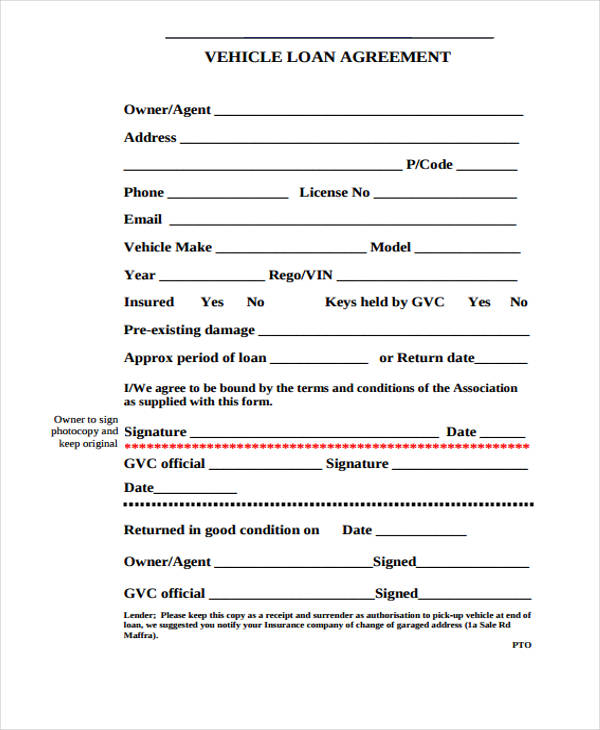
Once you’ve navigated the application process and received a loan offer, the next critical step is to thoroughly review the car loan agreement. This document outlines the full terms and conditions of your financing, and overlooking crucial details can lead to unexpected costs and frustrations down the line. Remember, the "APR meaning car loan" only fully comes to life when you see it reflected accurately in your contract.
Common Mistakes to Avoid: Many people focus solely on the monthly payment amount and neglect the fine print. This can be a costly error. Take your time, read every section, and don’t hesitate to ask questions if anything is unclear.
Here are the key elements you must scrutinize in your car loan agreement:
-
The Actual APR: Verify that the APR listed in the final agreement matches the rate you were quoted and approved for. Any discrepancy, even a small one, should be questioned immediately. This is the single most important number for comparing true loan costs.
-
Total Cost of the Loan: The agreement should clearly state the total amount you will pay over the life of the loan, including the principal, total interest, and all fees. This figure provides the ultimate measure of affordability.
-
Monthly Payment and Due Date: Confirm your exact monthly payment amount and the specific due date each month. Ensure this fits comfortably within your budget and that you understand the grace period (if any) before late fees apply.
-
Loan Term: Double-check the length of the loan in months. A 60-month loan is very different from a 72-month loan in terms of total interest paid, even if the monthly payments seem similar.
-
Prepayment Penalties: Look for any clauses regarding prepayment penalties. Some lenders charge a fee if you pay off your loan early. Ideally, you want a loan without such penalties, giving you the flexibility to pay it down faster if your financial situation improves. This is a common but often overlooked detail.
-
Late Payment Fees and Default Clauses: Understand the charges for late payments and what constitutes a default on the loan. Knowing these terms can help you avoid costly mistakes and protect your credit score.
-
Any Additional Products or Services: Be wary of any "add-ons" that might have been bundled into your loan without your explicit consent, such as extended warranties, GAP insurance, or etching. While some of these might be valuable, ensure you understand their cost and whether they are truly optional.
For more insights into navigating the financing process, you might find our article on Understanding Car Loan Pre-Approval helpful. It elaborates on how getting pre-approved empowers you during negotiations.
Real-World Example: Comparing Car Loans with Different APRs
To truly illustrate why focusing on the APR is paramount, let’s consider a hypothetical scenario. Imagine you’re buying a $25,000 car and have two loan offers:
Loan Offer A:
- Advertised Interest Rate: 4.5%
- Origination Fee: $300
- Loan Term: 60 months
Loan Offer B:
- Advertised Interest Rate: 4.8%
- Origination Fee: $0
- Loan Term: 60 months
At first glance, Loan A with its 4.5% interest rate seems more attractive than Loan B’s 4.8%. However, the $300 origination fee in Loan A significantly impacts its true cost. When this fee is factored in, Loan A’s APR might actually be 4.75%, while Loan B’s APR remains at 4.8% (since there are no additional fees). In this specific example, Loan A, despite its lower interest rate, ends up having a slightly lower overall APR once fees are considered.
Now, let’s look at the impact on total cost:
- Loan A (with 4.75% APR): Total amount repaid (principal + interest + fees) might be around $29,000.
- Loan B (with 4.8% APR): Total amount repaid (principal + interest) might be around $29,050.
While the difference here is relatively small, it clearly shows that the interest rate alone doesn’t tell the whole story. The APR gives you the most accurate comparison of the total annual cost of borrowing. Always ask for the APR and use it as your primary metric for comparison. A seemingly small fee can quickly add up, especially over longer loan terms.
When a Higher APR Might Be Unavoidable (and What to Do)
While the goal is always to secure the lowest possible APR, sometimes, due to various circumstances, a higher APR might be the only option available to you. This doesn’t mean you should abandon your car-buying dreams, but rather approach the situation with an informed strategy. Understanding these scenarios and having a plan can mitigate the long-term impact.
One of the most common reasons for a higher APR is a lower credit score. If your credit history is limited, or if you have a history of late payments or defaults, lenders will view you as a higher risk. They will then charge a higher APR to compensate for that perceived risk. This isn’t a judgment, but a standard financial practice to protect their investment.
Another scenario could be a limited or non-existent down payment. Without a significant upfront investment, you’re financing the entire cost of the car, which again increases the lender’s exposure. Similarly, choosing a very long loan term (e.g., 72 or 84 months) can sometimes push the APR higher, as the lender’s risk extends over a much longer period. Even if your credit is good, the extended term can still result in a slightly elevated rate.
If you find yourself in a position where a higher APR is unavoidable, here are strategies to manage it effectively:
-
Focus on Affordability: Ensure that even with the higher APR, your monthly payments are manageable and don’t strain your budget. Avoid stretching yourself too thin.
-
Pay Extra When Possible: If your budget allows, make slightly larger payments than required. Even an extra $20-$50 per month can significantly reduce the total interest paid and shorten the loan term. Specify that the extra amount should go towards the principal.
-
Refinance Later: This is a powerful strategy. If you start with a higher APR due to a lower credit score, work diligently to improve your credit over the next 12-18 months. Pay all your bills on time, reduce other debts, and maintain a good payment history on your car loan. Once your credit score improves, you can explore refinancing your car loan for a lower APR. This can save you thousands over the remaining term.
-
Consider a Less Expensive Vehicle: If the APR makes your desired car unaffordable, rethink your vehicle choice. A more modest car can still meet your needs while allowing for a more manageable loan.
-
Seek Out Credit Unions: Even with challenging credit, credit unions are often more willing to work with members and may offer slightly more forgiving terms than traditional banks.
For further guidance on improving your credit, consider resources like the Consumer Financial Protection Bureau’s guide on credit scores: https://www.consumerfinance.gov/consumer-tools/credit-reports-and-scores/ – it offers valuable insights into managing and improving your financial standing.
Conclusion: Your Path to Smart Car Financing
Navigating the world of car loans can feel overwhelming, but by mastering the "APR meaning car loan," you gain a distinct advantage. This isn’t just another financial acronym; it’s the most transparent indicator of the true annual cost of borrowing, encompassing both the interest rate and mandatory lender fees. Understanding APR empowers you to make informed decisions, compare offers accurately, and ultimately save significant money over the life of your auto loan.
Remember, securing the best possible APR involves a multi-faceted approach. It means diligently working on your credit score, saving for a healthy down payment, and critically, shopping around for the most competitive offers from various lenders. Don’t be afraid to negotiate, and always read the fine print of your loan agreement before signing.
By prioritizing your financial education and applying these strategies, you transition from a passive borrower to an empowered consumer. You’re not just buying a car; you’re investing in your financial future. Use this knowledge to drive away not just in a new vehicle, but with a smart, cost-effective car loan.
For more insights on preparing for your car purchase, check out our guide on Tips for Improving Your Credit Score Before Buying a Car. Start your journey to a better car loan today!