Are Car Loans Bad? A Deep Dive into Smart Auto Financing Decisions
Are Car Loans Bad? A Deep Dive into Smart Auto Financing Decisions Carloan.Guidemechanic.com
The rumble of a new engine, the gleam of fresh paint, the promise of freedom on the open road – buying a car is an exciting milestone for many. But for most, this dream comes with a significant financial question mark: "Are car loans bad?" It’s a question that echoes in the minds of countless potential buyers, often shrouded in financial jargon and conflicting advice.
As an expert blogger and someone deeply familiar with personal finance, I can tell you upfront: there’s no simple "yes" or "no" answer. Car loans, or auto loans, are complex financial instruments that can be either a stepping stone to financial stability or a slippery slope into debt, depending entirely on how they are approached and managed. This comprehensive guide will peel back the layers, exploring the inherent risks, the undeniable benefits, and the smart strategies to ensure your car loan experience is a positive one.
Are Car Loans Bad? A Deep Dive into Smart Auto Financing Decisions
The "Bad" Side of Car Loans: Understanding the Risks
While a car loan can provide immediate access to transportation, it’s crucial to understand the potential downsides. Ignorance of these risks is often what turns a seemingly good deal into a financial burden.
The Inevitable Depreciation of an Asset
One of the most significant factors making car loans potentially "bad" is the nature of the asset itself. Unlike a home, which often appreciates over time, a car begins to lose value the moment it’s driven off the lot. This rapid depreciation means you’re financing an asset that is constantly decreasing in worth.
Based on my experience, many people overlook this fundamental economic reality. Within the first year alone, a new car can depreciate by 15-20%, and by the fifth year, it might be worth less than half of its original purchase price. This creates a challenging scenario where the amount you owe on the loan can quickly exceed the actual market value of the vehicle.
Interest Payments That Add Up
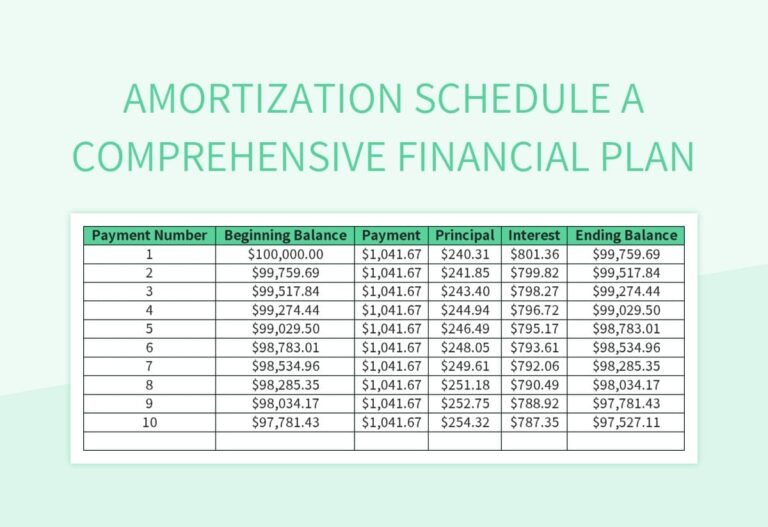
Every loan comes with interest, and car loans are no exception. This interest is the cost of borrowing money, and it can significantly increase the total amount you pay for your vehicle over the life of the loan. While a low monthly payment might seem attractive, a longer loan term, even with a seemingly low interest rate, can mean paying thousands more in interest than you initially anticipated.
Pro tips from us: Always calculate the total cost of the car, including all interest, before signing any paperwork. Don’t just focus on the monthly payment; understand the full financial commitment. A small difference in the Annual Percentage Rate (APR) can translate into hundreds or even thousands of dollars over several years.
The Danger of Negative Equity (Being "Upside Down")
Negative equity, often referred to as being "upside down" on your loan, occurs when you owe more on your car than it’s actually worth. This is a common consequence of rapid depreciation, especially if you made a small down payment or financed for a long term. If your car is totaled or stolen, your insurance payout might not cover the full loan amount, leaving you to pay the difference out of pocket.
A common mistake to avoid is rolling negative equity from an old car into a new car loan. This practice immediately puts you deeper in debt on your new vehicle, creating an even larger financial hole that can be incredibly difficult to climb out of. It’s a cycle that can perpetuate financial stress and should be avoided at all costs.
Impact on Your Credit Score (If Payments Are Missed)
While a car loan can help build credit, it can also severely damage it if not managed responsibly. Missing even a single payment, or consistently paying late, will be reported to credit bureaus and can significantly drop your credit score. A poor credit score can then affect your ability to secure other loans (like a mortgage) or even rent an apartment in the future.
This highlights the double-edged sword of credit. A car loan demands consistent, on-time payments, and failing to meet this obligation can have long-lasting negative repercussions on your financial health.
Financial Strain and Budget Constraints
Committing to a monthly car payment can place a considerable strain on your budget, especially if unexpected expenses arise. Beyond the loan payment, you also need to factor in insurance, fuel, maintenance, and potential repair costs. Collectively, these can consume a large portion of your disposable income, limiting your ability to save, invest, or pursue other financial goals.
For some, a car loan can feel like a financial straitjacket, restricting their flexibility and creating a constant source of stress. It’s essential to assess your overall financial picture and ensure the car payment, along with associated costs, fits comfortably within your budget without causing undue hardship.
The "Good" Side of Car Loans: When They Make Sense
Despite the potential pitfalls, car loans are not inherently evil. In many situations, they serve as a practical and necessary financial tool, offering significant benefits when used wisely.
Access to Reliable Transportation
For many people, a car is not a luxury but a fundamental necessity. It’s essential for commuting to work, taking children to school, running errands, and accessing healthcare. Without reliable transportation, earning an income and managing daily life can become incredibly challenging, if not impossible.
A car loan provides the means to acquire a vehicle when an outright cash purchase isn’t feasible. This access to transportation can directly impact your ability to maintain employment, ensure family well-being, and participate fully in society.
Building a Strong Credit History
Responsible borrowing is one of the most effective ways to build a strong credit history. A car loan, with its regular, fixed payments over an extended period, is an excellent opportunity to demonstrate your creditworthiness. By making all your payments on time and in full, you contribute positively to your credit report, which lenders use to assess your reliability.
From my perspective, a well-managed car loan can be a powerful tool for credit building, opening doors to better rates on future loans, credit cards, and even lower insurance premiums. It’s a testament to your ability to handle financial commitments.
Preserving Savings and Emergency Funds
Draining your entire savings account to purchase a car outright can leave you vulnerable to unexpected financial emergencies. Life happens – a sudden job loss, medical emergency, or home repair can quickly deplete an unprotected cash reserve. A car loan, when structured appropriately, allows you to acquire a vehicle while keeping your emergency fund intact.
This approach ensures you have a financial safety net, providing peace of mind and protecting you from having to take on high-interest debt if an unforeseen event occurs. It’s about balancing immediate needs with long-term financial security.
Affordability of Newer, Safer Vehicles
Modern cars often come equipped with advanced safety features, better fuel efficiency, and improved reliability compared to older models. These advancements can significantly enhance your safety on the road and reduce long-term operating costs. A car loan makes these newer, potentially safer and more economical vehicles accessible to a wider range of buyers.
Investing in a newer, more reliable vehicle can also mean fewer unexpected repair bills, which can be a significant financial drain for owners of older, less dependable cars. The initial cost of a loan can be offset by these long-term savings and increased safety.
Taking Advantage of Low Interest Rates
For individuals with excellent credit, car manufacturers and financial institutions sometimes offer very low, or even 0%, interest rates on new car loans. These promotional rates can make financing a car incredibly attractive, as the cost of borrowing is minimal or non-existent.
When interest rates are low, the "cost" of the loan is significantly reduced, making it a much more financially sound decision. In such scenarios, the benefits of preserving cash and building credit can far outweigh the minimal interest paid.
Key Factors Determining If a Car Loan Is "Bad" for YOU
The decision of whether a car loan is a good or bad idea is highly personal. It hinges on several critical factors specific to your financial situation and the terms of the loan itself.
Your Credit Score
Your credit score is arguably the most influential factor in determining the "goodness" or "badness" of a car loan for you. A high credit score (generally 700+) typically qualifies you for the lowest interest rates, significantly reducing the total cost of borrowing. Conversely, a low credit score will result in higher interest rates, making the loan much more expensive and thus potentially "bad" for your financial health.
Lenders use your credit score to assess your risk profile. A higher score signals reliability, leading to more favorable terms. If your credit score is poor, it’s often advisable to work on improving it before taking out a car loan, if possible.
The Down Payment Amount
The size of your down payment plays a crucial role in the overall health of your car loan. A substantial down payment (ideally 20% or more for new cars, 10% for used) reduces the amount you need to finance, which in turn lowers your monthly payments and the total interest paid. It also helps you avoid negative equity, as you start with more equity in the vehicle.
A small or non-existent down payment increases your loan principal, meaning you’ll pay more interest over time and are more likely to be upside down on your loan, especially with a depreciating asset. This makes the loan riskier and potentially "bad."
Loan Term Length
The length of your loan term (e.g., 36 months, 60 months, 72 months, or even 84 months) directly impacts your monthly payment and the total interest paid. Shorter terms mean higher monthly payments but significantly less interest paid over the life of the loan. Longer terms offer lower monthly payments but accumulate much more interest, making the car much more expensive in the long run.
Commonly, extended loan terms are considered "bad" because they significantly inflate the total cost of the vehicle and keep you in debt for a longer period. While the lower monthly payment might be tempting, it’s often a false economy.
Interest Rate (APR)
The Annual Percentage Rate (APR) is the true cost of borrowing, encompassing the interest rate and certain fees. A high APR makes any loan a bad financial decision because you’re paying a premium for the money you borrow. Understanding and negotiating your APR is paramount.
Even a difference of a few percentage points can mean thousands of dollars over the life of the loan. Always compare APRs from multiple lenders to ensure you’re getting the best possible deal.
Your Debt-to-Income Ratio
Your debt-to-income (DTI) ratio measures how much of your gross monthly income goes towards paying your debts. Lenders use this to gauge your ability to take on additional debt. If your DTI is already high, adding a car loan could push you into a financially precarious position, making the loan a "bad" choice.
Financial experts generally recommend keeping your DTI below 36%, with no more than 10-15% allocated to car payments. Exceeding these limits can leave you with little financial breathing room and increased stress.
The Car’s Value and Depreciation Rate
The type of car you choose also influences whether the loan is "bad." Some vehicles hold their value better than others, while some depreciate very rapidly. Financing a car with a high depreciation rate, especially with a long loan term and low down payment, increases the risk of negative equity.
Consider the car’s intended purpose and how long you plan to keep it. A loan for a vehicle that retains its value well and serves a necessary function is generally a better financial decision than one for a car that rapidly loses value and is primarily a luxury.
Smart Strategies for Navigating Car Loans (Pro Tips!)
To transform a potentially "bad" car loan into a financially smart decision, you need a proactive and informed approach. Here are some expert strategies:
Research Before You Shop
Knowledge is power, especially when it comes to car buying. Before you even step foot in a dealership, research the car models you’re interested in, their typical prices, and their depreciation rates. Understand your own credit score and what interest rates you might qualify for.
This preparation allows you to enter negotiations from a position of strength, armed with realistic expectations and the ability to spot a good deal – or a bad one.
Get Pre-Approved for a Loan
One of the most valuable steps you can take is to get pre-approved for a car loan from a bank or credit union before visiting a dealership. Pre-approval gives you a clear understanding of the maximum loan amount you qualify for and the interest rate you can expect.
With a pre-approval in hand, you’re essentially shopping for a car as a cash buyer. This eliminates the need to discuss financing until after you’ve negotiated the car’s price, giving you significant leverage and preventing the dealer from manipulating loan terms.
Make a Substantial Down Payment
As discussed, a larger down payment is your best defense against negative equity and high interest costs. Aim for at least 20% for a new car and 10% for a used car, if possible. This reduces your principal, lowers your monthly payments, and ensures you have immediate equity in the vehicle.
If a large down payment isn’t feasible immediately, consider saving up for a few more months. The financial benefits of starting with more equity far outweigh the urgency of buying a car right away.
Choose the Shortest Term You Can Afford
While longer loan terms offer lower monthly payments, they come at a steep price in total interest paid. Always opt for the shortest loan term that comfortably fits within your budget. This strategy significantly reduces the amount of interest you’ll pay and gets you out of debt faster.
For instance, a 48-month loan will almost always be a better financial decision than a 72-month loan, even if the monthly payment is slightly higher.
Shop Around for Rates
Never settle for the first loan offer you receive, especially from a dealership. Dealerships often mark up interest rates to increase their profit. Instead, compare offers from multiple sources: your bank, credit unions, and online lenders. Each will have different criteria and rates.
For reliable advice on car buying and financing, you can refer to trusted external sources like the Consumer Financial Protection Bureau (CFPB) website, which offers unbiased guidance on financial products. This proactive approach ensures you secure the most competitive interest rate available to you.
Understand All Fees and Terms
Before signing any document, thoroughly read and understand every line of the loan agreement. Pay close attention to the APR, any hidden fees, prepayment penalties, and late payment charges. Don’t be afraid to ask questions until you fully grasp all the terms.
Pro tips from us: If something seems unclear or too good to be true, it probably is. A reputable lender will be transparent about all aspects of the loan.
Budget Beyond the Monthly Payment
Your car’s true cost extends far beyond the monthly loan payment. You must factor in ongoing expenses such as:
- Car Insurance: Mandatory and can vary wildly based on the car, your driving history, and location.
- Fuel Costs: A significant ongoing expense, especially with fluctuating gas prices.
- Maintenance: Regular oil changes, tire rotations, and unexpected repairs.
- Registration & Taxes: Annual fees to legally operate your vehicle.
Failing to budget for these additional costs can quickly turn a seemingly affordable car into a financial burden.
Consider Used Cars
Opting for a used car, especially one that’s a few years old, can be one of the smartest financial decisions you make. The steepest depreciation occurs in the first few years of a car’s life. By buying used, you let someone else absorb that initial value loss.
A certified pre-owned (CPO) vehicle from a reputable dealership can offer many of the benefits of a new car, including a warranty, but at a significantly lower price point.
Refinance If Rates Drop or Credit Improves
If you’ve already taken out a car loan and interest rates have dropped, or your credit score has significantly improved, consider refinancing your loan. Refinancing can secure you a lower interest rate, which will reduce your monthly payments and/or the total interest you pay over the remaining loan term.
This proactive step can save you a substantial amount of money and should be explored periodically, especially if your financial situation changes for the better.
Internal Link 1: Boost Your Credit Knowledge
For more detailed strategies on how to improve your credit score and unlock better loan terms, make sure to check out our comprehensive guide:
Common Mistakes to Avoid When Taking Out a Car Loan
Even with the best intentions, borrowers often fall prey to common pitfalls that can make a car loan a genuinely "bad" experience. Being aware of these traps is your first line of defense.
Focusing Only on Monthly Payments
This is perhaps the most common and dangerous mistake. Dealerships often try to "sell" you on a monthly payment rather than the total price of the car. By extending the loan term, they can lower the monthly payment, making the car seem more affordable. However, this dramatically increases the total interest you pay and often results in you being upside down on the loan for longer.
Always negotiate the total price of the car first, separate from the financing. Then, discuss loan terms that fit your budget while minimizing interest.
Not Getting Pre-Approved
As mentioned earlier, skipping pre-approval puts you at a significant disadvantage. Without a concrete loan offer from an outside lender, you have no baseline to compare the dealer’s financing options against. This leaves you vulnerable to higher interest rates and less favorable terms.
A pre-approval letter gives you negotiation power and ensures you’re getting a competitive rate, or at least a benchmark to beat.
Skipping the Test Drive and Inspection
It might seem obvious, but rushing the process and failing to thoroughly test drive the vehicle, or worse, not getting a pre-purchase inspection for a used car, is a huge risk. A car might look great, but underlying mechanical issues can turn a "good deal" into a money pit.
Common mistakes to avoid are being swayed by emotions or a slick salesperson. Take your time, test drive on various road types, and for used cars, invest in an independent mechanic’s inspection.
Ignoring Additional Costs
Many buyers fixate solely on the car’s price and monthly payment, completely overlooking the ongoing costs of ownership. These include insurance, maintenance, fuel, registration, and potential repairs. These "hidden" costs can easily add hundreds of dollars to your monthly expenses.
Always get an insurance quote for the specific vehicle you’re considering before buying it. Research average maintenance costs for the model. These factors are just as important as the loan payment itself.
Rolling Negative Equity into a New Loan
This is a vicious cycle that can trap you in a perpetual state of debt. If you owe more on your current car than it’s worth, and a dealer offers to "roll over" that negative balance into your new loan, politely decline. This immediately inflates the principal of your new loan, making it larger than the value of your new car from day one.
It’s almost always better to pay off the negative equity separately, sell your old car for what you can get, or wait until you’re no longer upside down before buying a new vehicle.
Buying More Car Than You Need or Can Afford
It’s easy to get caught up in the excitement and opt for a car with more features, a fancier trim, or a higher price tag than you truly need or can comfortably afford. This "lifestyle inflation" can lead to financial strain and regret.
Pro tips from us: Be realistic about your needs and budget. A reliable, economical car that gets you from point A to point B safely is often a far smarter financial choice than a luxury vehicle that stretches your finances thin.
Internal Link 2: Mastering Your Money
To help you navigate other common financial pitfalls and make smarter money decisions across the board, explore our guide on:
Conclusion: Are Car Loans Bad? It Depends on You.
So, are car loans bad? The answer, as we’ve thoroughly explored, is nuanced. Car loans are not inherently good or bad; their nature is defined by the individual borrower’s financial situation, the specific terms of the loan, and the strategies employed throughout the car-buying process.
They can be a financial trap if approached carelessly, leading to high interest, negative equity, and budget strain. However, when managed responsibly, with careful planning, a solid understanding of the terms, and a commitment to on-time payments, a car loan can be a valuable tool. It provides access to essential transportation, helps build a strong credit history, and allows you to preserve your savings for other crucial needs.
The ultimate goal is to empower yourself with knowledge and make informed decisions. By understanding the risks, leveraging the benefits, and employing smart strategies, you can transform the potentially "bad" aspects of a car loan into a financially sound decision that serves your transportation needs without compromising your financial well-being. Drive smart, not just hard.