Can A Minor Get A Car Loan? Unlocking the Path to Underage Auto Financing
Can A Minor Get A Car Loan? Unlocking the Path to Underage Auto Financing Carloan.Guidemechanic.com
The dream of owning a first car is a powerful one for many teenagers. It represents freedom, independence, and a significant step into adulthood. But as exciting as the prospect of getting behind the wheel can be, the reality of financing a car often brings a crucial question to the forefront: Can a minor get a car loan?
Based on my extensive experience in finance and consumer lending, the short answer is typically no, but with significant caveats and alternative pathways. Understanding the legal and financial landscape surrounding car loans for individuals under the age of 18 is essential for both aspiring young drivers and their parents or guardians. This comprehensive guide will delve deep into the intricacies, challenges, and potential solutions, offering practical advice to navigate this complex journey.
Can A Minor Get A Car Loan? Unlocking the Path to Underage Auto Financing
The Legal Landscape: Why Minors Face Roadblocks to Loan Approval
The primary reason why minors generally cannot secure a car loan stems from a fundamental principle in contract law: contractual capacity.
Understanding Contractual Capacity and Minors
In most jurisdictions, individuals under the age of 18 are considered minors and are deemed to lack the full legal capacity to enter into binding contracts. This legal protection is designed to shield young people from potentially exploitative agreements or financial obligations they might not fully comprehend. For lenders, this presents a significant risk. If a minor defaults on a loan, the contract could be declared "voidable" by the minor, meaning they could legally back out of the agreement without penalty.
Imagine a situation where a 17-year-old takes out a car loan and then decides they no longer want the car or can’t afford the payments. Because they are a minor, they could potentially return the vehicle and be absolved of the debt. This puts the lender in a precarious position, as they would lose money on the transaction. Consequently, financial institutions are extremely hesitant to offer loans directly to minors due to this inherent legal vulnerability.
The Absence of a Credit History
Beyond contractual capacity, another formidable hurdle for minors seeking car loans is the universal lack of an established credit history. Lenders rely heavily on an applicant’s credit report and credit score to assess their trustworthiness and ability to repay debt. This financial track record demonstrates past borrowing behavior, payment consistency, and overall financial responsibility.
Minors, by definition, typically haven’t had the opportunity to build this crucial financial history. They haven’t had credit cards, mortgages, or other significant loans that report to credit bureaus. Without this essential data, lenders have no basis to evaluate their creditworthiness, making them an extremely high-risk applicant. It’s a classic Catch-22: you need credit to get credit.
The "How": Pathways (and Hurdles) for Underage Car Ownership
While direct car loans for minors are rare, there are several indirect routes and strategies that can make car ownership a reality for those under 18. Each comes with its own set of responsibilities and requirements.
The Indispensable Role of a Co-signer
For most minors hoping to finance a car, securing a loan will almost certainly require the involvement of a co-signer. This is by far the most common and practical pathway.
A co-signer is an individual, typically a parent or legal guardian, who agrees to take on equal legal and financial responsibility for the loan. When you have a co-signer, the lender evaluates both the minor’s (or primary borrower’s) and the co-signer’s creditworthiness. The co-signer’s good credit history, stable income, and established financial standing significantly mitigate the risk for the lender. This is because if the primary borrower (the minor) fails to make payments, the co-signer is legally obligated to step in and cover them.
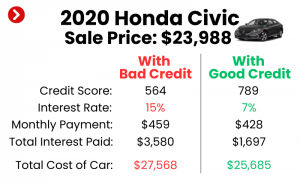
Pro Tip from us: When choosing a co-signer, it’s absolutely crucial that they have an excellent credit score and a strong financial profile. Their credit history will largely determine the loan’s approval, interest rate, and terms. A co-signer with poor credit could actually hinder the loan application rather than help it.
Common mistakes to avoid are: Underestimating the co-signer’s liability. Many co-signers don’t fully grasp that they are just as responsible for the debt as the primary borrower. If the minor defaults, the co-signer’s credit score will be negatively impacted, and they could face legal action from the lender. This can strain relationships and create significant financial stress.
Parental Guarantee or Taking Out the Loan Directly
Another common scenario involves a parent or guardian taking out the car loan entirely in their own name. In this arrangement, the minor is not a party to the loan agreement at all. The car is legally owned by the parent, and they are solely responsible for all loan payments.
While this approach bypasses the minor’s contractual capacity issues, it means the minor doesn’t build any credit history from the loan. The parent might then have a separate, informal agreement with the minor about payment contributions. This method offers the most legal protection for the lender and simplifies the financing process significantly.
Emancipation: A Rare but Possible Route
Emancipation is a legal process through which a minor is granted the same legal rights and responsibilities as an adult before reaching the age of majority. An emancipated minor can legally enter into contracts, including loan agreements, without parental consent.
However, achieving emancipation is a difficult and uncommon process, typically reserved for specific circumstances such as marriage, military service, or demonstrating financial independence and maturity in court. It’s almost unheard of for a minor to seek emancipation solely for the purpose of obtaining a car loan. While technically possible, it’s not a practical or recommended path for most.
The Simplicity of a Cash Purchase
The most straightforward way for a minor to acquire a car is through a cash purchase. If the funds are available from savings, gifts, or inheritance, then there’s no need to involve lenders, co-signers, or complex legal agreements.
This option completely bypasses all the hurdles associated with contractual capacity and credit history. It allows the minor (or their parents on their behalf) to buy a car outright, granting immediate ownership without the burden of monthly loan payments and interest. For many, saving up for a more affordable, used car is a wise first step.
Preparing for a Car Loan (Even If You’re a Minor)
Even if a direct loan isn’t feasible, there are proactive steps minors can take to prepare themselves for future financial responsibility and make the process smoother once they turn 18.
Building Credit Early (Indirectly)
While minors can’t directly open credit accounts, they can start building a positive credit footprint in indirect ways:
- Become an Authorized User: A parent can add their minor child as an authorized user on one of their existing credit cards. This allows the child to have a card in their name, and if the parent manages the account responsibly (making on-time payments and keeping balances low), the positive payment history can start appearing on the minor’s credit report. Based on my experience, this is one of the most effective ways for young individuals to begin their credit journey.
- Secured Credit Cards (Once 18): While not applicable for minors, understanding secured credit cards is valuable. These cards require a cash deposit that acts as the credit limit, significantly reducing risk for the issuer. This is an excellent tool for building credit immediately after turning 18.
- Utility Bills (Under Parent’s Guidance): In some cases, if a minor has a part-time job and contributes to household expenses, a utility bill might be put in their name with parental oversight. Consistent, on-time payments, if reported to credit bureaus, could contribute to their credit file.
Demonstrating Financial Responsibility
Lenders look for signs of stability and responsibility. Even without a formal credit history, a minor can build a strong case for themselves:
- Stable Income: Holding a part-time job and consistently earning income shows an ability to contribute financially. Proof of steady employment, even if entry-level, is a positive indicator.
- Savings Account: Maintaining a savings account with a healthy balance demonstrates financial prudence and the ability to manage money. It also shows a commitment to the car purchase.
- Budgeting Skills: Actively creating and sticking to a budget, even for small expenses, can showcase maturity and readiness for larger financial commitments. Parents can play a crucial role in guiding this learning process.
Researching Car Insurance: A Hidden Cost
Many first-time car buyers, especially young ones, overlook the significant cost of car insurance. For teenage drivers, insurance premiums can be extraordinarily high due to their lack of driving experience and higher statistical accident rates.
It’s vital to research and factor in insurance costs before committing to a car purchase. Getting quotes from multiple providers can reveal the true cost of ownership and help determine affordability. Sometimes, the insurance premium alone can be more expensive than the car payment.
The Practicalities: What Lenders Look For (and How Minors Fall Short)
When evaluating a loan application, lenders assess several key factors to determine risk and repayment ability. Understanding these criteria highlights why minors struggle.
- Credit Score: As discussed, this numerical representation of creditworthiness is paramount. A high score (typically 700+) indicates low risk. Minors have no score.
- Income Stability: Lenders want to see a consistent, verifiable income source to ensure the borrower can afford monthly payments. A full-time, established job is ideal. While some minors work, their income is often part-time and less stable.
- Debt-to-Income Ratio (DTI): This ratio compares a borrower’s total monthly debt payments to their gross monthly income. A low DTI indicates more disposable income to cover new debt. Minors generally have no existing debt, but also potentially low income.
- Down Payment: A significant down payment reduces the loan amount and the lender’s risk. It also shows the borrower’s commitment. A minor who has saved a substantial down payment presents a much stronger case.
- Loan Term and Interest Rates: The duration of the loan and the interest rate charged are directly tied to the perceived risk. High-risk borrowers (like those with no credit or a co-signer with fair credit) will face shorter terms and higher interest rates.
Alternatives to a Traditional Car Loan for Minors
If a traditional car loan with a co-signer isn’t feasible or desired, there are other avenues to consider for a minor to gain access to transportation.
- Buy a Cheaper Used Car with Savings: This is often the most financially responsible approach. Saving up for an affordable, reliable used car eliminates the need for a loan entirely. It teaches valuable lessons in saving and financial planning. Starting with a modest vehicle can be a great way to build driving experience without the burden of a large loan.
- Parental Loan Agreement: A parent or guardian could "loan" the minor the money for a car, establishing a clear, informal repayment plan. This allows the minor to make payments and learn financial responsibility without involving a bank. It’s crucial to set clear terms, including interest (if any), payment schedule, and consequences for missed payments, just like a real loan.
- Public Transportation/Ridesharing: Depending on location, public transit or ride-sharing services might be viable temporary solutions until the minor is old enough to secure their own financing or save enough for a cash purchase.
- Shared Family Car: Many families opt for a shared vehicle arrangement, where the minor has access to a family car for specific purposes or during certain times. This can be a cost-effective way to provide transportation without the added expense of another car.
Pro Tips for Parents and Guardians
Parents play an instrumental role in guiding their minor children through the process of car acquisition and financing.
- Consider the Full Financial Burden: A car is more than just a purchase price. Factor in insurance, fuel, maintenance, repairs, registration fees, and potential parking costs. These ongoing expenses can quickly add up.
- Use it as a Learning Opportunity: This entire process is an excellent chance to teach financial literacy, budgeting, and the responsibilities of debt. Involve your child in researching car costs, insurance quotes, and creating a budget.
- Set Clear Expectations: If you’re co-signing or taking out the loan, establish clear rules about who is responsible for payments, insurance, fuel, and maintenance. Put these agreements in writing to avoid misunderstandings.
- Legal Ownership Matters: If a parent takes out the loan, the car will legally be in their name. This has implications for insurance, liability, and future sale. Discuss whether the car will eventually be transferred to the minor and how that process will occur.
- Insurance Implications are Huge: Adding a teen driver to your insurance policy will almost certainly increase your premiums significantly. Get quotes before buying the car. Explore options like good student discounts or defensive driving course credits.
Common Mistakes to Avoid
Navigating car financing as a minor or with a minor can be tricky. Be aware of these common pitfalls:
- Jumping into a loan without understanding liability: Especially for co-signers, not fully grasping the legal and financial responsibility can lead to severe consequences.
- Choosing an unreliable co-signer: A co-signer with a poor credit history or unstable finances will not only fail to help but could actively harm the loan application, leading to denial or exorbitant interest rates.
- Not budgeting for ALL car expenses: Focusing solely on the car payment and ignoring insurance, gas, and maintenance is a recipe for financial stress.
- Ignoring insurance costs: For young drivers, insurance can be a budget-breaker. Always get insurance quotes before committing to a vehicle.
- Buying a car that’s too expensive: Opting for a flashy, high-cost vehicle when a more modest, reliable option would suffice can create unnecessary financial strain and a larger debt burden.
- Not having an emergency fund: Cars break down. Unexpected repairs can derail a budget. Encourage the minor to have an emergency fund specifically for car-related issues.
Conclusion: Patience, Planning, and Parental Partnership
The question, "Can a minor get a car loan?" ultimately boils down to a firm "no" for direct, unassisted financing. The legal limitations of contractual capacity and the absence of a credit history present insurmountable barriers for lenders.
However, the dream of car ownership for a minor is far from impossible. With careful planning, a strong understanding of financial principles, and most importantly, the support of a financially responsible co-signer or parental guarantor, a minor can indeed gain access to a vehicle. This journey offers invaluable lessons in financial literacy, responsibility, and the rewards of careful planning.
By focusing on building a foundation of financial responsibility, exploring viable alternatives, and making informed decisions, minors can pave their way to independent transportation, setting themselves up for a future of sound financial management.
For more insights into managing your finances and building credit, check out our article on Building Credit as a Young Adult and learn about Understanding Car Insurance for Teens. For further trusted information on consumer financial protection, you can visit the Consumer Financial Protection Bureau website.