Can I Get A $20,000 Car Loan With Bad Credit? Your Ultimate Guide to Auto Financing Success
Can I Get A $20,000 Car Loan With Bad Credit? Your Ultimate Guide to Auto Financing Success Carloan.Guidemechanic.com
Securing a car loan can feel like a daunting task, especially when your credit history isn’t perfect. The idea of getting a substantial loan, say for $20,000, with bad credit often seems like an impossible dream. Many people believe that once their credit score dips, their chances of driving away in a reliable vehicle are slim to none.
However, based on my extensive experience in auto financing, I can tell you that this isn’t necessarily true. While it presents unique challenges, obtaining a $20,000 car loan with bad credit is absolutely possible. It requires a strategic approach, a clear understanding of the lending landscape, and a commitment to demonstrating your financial reliability.
Can I Get A $20,000 Car Loan With Bad Credit? Your Ultimate Guide to Auto Financing Success
This comprehensive guide is designed to empower you with the knowledge and strategies you need to navigate the subprime auto loan market successfully. We’ll explore how lenders view bad credit, what you can do to improve your chances, and where to find the right financing options. Our goal is to provide you with actionable insights that not only help you get approved but also set you on a path to rebuilding your credit.
Understanding "Bad Credit" in the World of Auto Lending
Before diving into strategies, it’s crucial to understand what "bad credit" signifies to auto lenders. Your credit score is a numerical representation of your creditworthiness, primarily based on your payment history, amounts owed, length of credit history, new credit, and credit mix.
What Constitutes Bad Credit?
Generally, FICO scores range from 300 to 850. While definitions can vary slightly between lenders, a FICO score below 620 is often considered "subprime" or "bad credit." This range typically includes scores from the low 300s up to around 619. If your score falls within this bracket, lenders perceive a higher risk of you defaulting on your loan.
This perception of risk is the fundamental reason why bad credit impacts loan applications. Lenders are in the business of lending money responsibly and expect to be repaid. A history of missed payments, bankruptcies, or high debt levels signals potential instability.
The Impact on Loan Terms
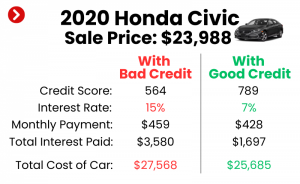
For individuals with bad credit, securing a loan often means facing less favorable terms. This primarily translates into higher interest rates, which directly increases the total cost of your loan over its lifetime. You might also find lenders offering shorter loan terms or requiring a larger down payment to mitigate their risk.
It’s a common misconception that bad credit means no credit. In reality, it often means your credit history indicates past financial difficulties, making lenders more cautious. But cautious doesn’t mean impossible.
Is a $20,000 Car Loan with Bad Credit Really Possible?
The short answer is yes, it is absolutely possible to get a $20,000 car loan with bad credit. However, it’s important to approach this with realistic expectations and a proactive strategy. It’s not as straightforward as it might be for someone with excellent credit, but the door is definitely open.
Many people wrongly assume that their credit score is the only factor lenders consider. While it’s significant, it’s certainly not the whole picture. Lenders look at a holistic view of your financial situation to assess your ability and willingness to repay the loan.
Key Factors Beyond Your Credit Score
When you have bad credit, other elements of your financial profile become even more critical. Lenders will scrutinize these factors to determine if they can confidently approve your loan request:
- Stable Income: Do you have a consistent and verifiable source of income? Lenders want to see that you earn enough money to comfortably cover your potential monthly car payments, along with your other existing financial obligations.
- Employment History: A stable job history, typically 1-2 years with the same employer, demonstrates reliability. It signals that your income is likely to continue.
- Debt-to-Income (DTI) Ratio: This ratio compares your total monthly debt payments to your gross monthly income. A lower DTI ratio indicates you have more disposable income to put towards a new car loan, making you a less risky borrower.
- Down Payment: The amount of money you can put down upfront is a huge factor. A larger down payment reduces the loan amount, thereby reducing the lender’s risk.
- Co-Signer: Having a creditworthy co-signer can significantly improve your chances of approval, as their good credit acts as an additional layer of security for the lender.
Pro tips from us: Focus on strengthening these areas as much as possible before you even start applying. These elements can often tip the scales in your favor, even with a less-than-ideal credit score.
Strategies to Boost Your Chances of Approval for a $20,000 Car Loan
Securing a $20,000 car loan with bad credit requires preparation and strategic maneuvering. Here are the most effective strategies you can employ to make your application more appealing to lenders.
A. Increase Your Down Payment
This is arguably one of the most impactful strategies when dealing with bad credit. A substantial down payment directly addresses the lender’s primary concern: risk.
- Why It Matters: When you put down a larger sum of money, you immediately reduce the amount you need to borrow. This lowers the lender’s exposure and signals your commitment to the purchase. It also means you’ll pay less interest over the life of the loan and likely have lower monthly payments.
- How Much is Ideal?: While there’s no magic number, aiming for at least 10-20% of the vehicle’s purchase price is highly recommended. For a $20,000 car, this would mean a $2,000 to $4,000 down payment. The more you can put down, the better your chances and the more favorable your terms are likely to be.
- Pro Tips for Saving: Start saving aggressively. Consider selling unused items, picking up a side gig, or temporarily cutting back on non-essential expenses. Every dollar saved for your down payment is a dollar that works in your favor.
B. Find a Co-Signer
A co-signer can be a game-changer, especially for a significant loan amount like $20,000. This strategy leverages someone else’s good credit to bolster your application.
- How a Co-Signer Helps: A co-signer, typically a trusted family member or friend with excellent credit, agrees to be equally responsible for the loan. If you fail to make payments, the lender can pursue the co-signer for the outstanding balance. This shared responsibility significantly reduces the risk for the lender.
- Who Makes a Good Co-Signer?: Look for someone with a strong credit score (700+), a stable income, and a low debt-to-income ratio. They should also understand the serious implications of co-signing.
- Risks for the Co-Signer: This is not a decision to take lightly. If you miss payments, it will negatively impact your co-signer’s credit score, and they will be legally obligated to pay the loan. It can also strain personal relationships if things go wrong.
- Common Mistakes to Avoid: Don’t pressure someone into co-signing. Have an open and honest discussion about the responsibilities and potential risks. Ensure they are fully aware of what they are agreeing to.
C. Improve Your Credit Score (Even Slightly)
While a complete credit overhaul takes time, even small, strategic improvements in the short term can make a difference.
- Short-Term Strategies:
- Check Your Credit Report: Obtain free copies of your credit report from AnnualCreditReport.com. Scrutinize them for any errors or inaccuracies. Disputing and correcting these can sometimes lead to an immediate, albeit small, bump in your score.
- Pay Down Small Debts: If you have any small outstanding credit card balances or personal loans, paying them off or significantly reducing them can improve your credit utilization ratio, which is a major factor in your score.
- Make On-Time Payments: For any existing credit accounts, ensure all payments are made on time for at least 3-6 months leading up to your loan application. Payment history is the most significant factor in your credit score.
- Long-Term Strategies: Commit to consistent on-time payments, keep credit utilization low, and avoid opening too many new credit accounts in a short period. For more tips on improving your credit score, check out our detailed guide on .
D. Demonstrate Stable Income and Low Debt-to-Income Ratio
Lenders need assurance that you can afford the monthly payments. Your income and existing debt play a crucial role.
- Lenders Look for Consistency: A steady job with a consistent income stream is a strong indicator of your ability to repay. Be prepared to provide proof of income, such as recent pay stubs (typically 2-3 months), W-2 forms, or bank statements.
- Understanding Debt-to-Income Ratio: Your DTI ratio is calculated by dividing your total monthly debt payments (including rent/mortgage, credit cards, other loans) by your gross monthly income. A DTI below 40% is generally preferred by lenders. The lower your DTI, the more financial flexibility you appear to have, making you a more attractive borrower.
- How to Improve Your DTI: Focus on paying down existing debts before applying for a new loan. Even a small reduction in your monthly debt obligations can positively impact your DTI.
E. Set Realistic Expectations & Budget Wisely
With bad credit, you’re likely to face higher interest rates. This makes budgeting even more critical.
- Affordability vs. Desire: While a $20,000 car might be your ideal, ensure that the monthly payments, even with a higher interest rate, genuinely fit within your budget. Don’t stretch yourself too thin, as missing payments will further damage your credit.
- High Interest Rates are Likely: Expect interest rates for bad credit auto loans to be significantly higher than prime rates, often ranging from 10% to 25% or even higher, depending on your specific credit profile and the lender. This means a $20,000 loan will cost you more over time.
- Total Cost of Ownership: Remember to factor in not just the monthly loan payment, but also insurance, fuel, maintenance, and potential repair costs. These can add hundreds of dollars to your monthly expenses.
- Pro Tips: Use online car loan calculators to estimate potential monthly payments with different interest rates and loan terms. Calculate what you can truly afford before you start car shopping. To better understand your budget, explore our article on .
Where to Look for a Bad Credit Car Loan
Not all lenders are created equal, especially when it comes to financing a $20,000 car loan with bad credit. Knowing where to direct your efforts can save you time and improve your chances of approval.
A. Dealerships Specializing in Subprime Loans
Many dealerships have departments or relationships specifically designed to help buyers with less-than-perfect credit.
- "Buy Here, Pay Here" (BHPH) Dealerships: These dealerships act as both the seller and the lender. They often have very lenient credit requirements because they underwrite the loans themselves.
- Pros: High approval rates, especially for those with very poor credit or no credit history.
- Cons: Often come with significantly higher interest rates, shorter loan terms, and typically older or higher-mileage vehicles. Payments might be required weekly or bi-weekly. It’s crucial to read the contract carefully.
- Dealerships with Special Finance Departments: Many larger new and used car dealerships have dedicated teams that work with a network of subprime lenders. They can submit your application to multiple lenders, increasing your chances of finding an approval. These often offer better rates and vehicle selections than BHPH lots.
B. Online Lenders
The digital landscape has opened up many avenues for bad credit auto loans. Online lenders often have streamlined application processes and can connect you with various lending partners.
- Advantages: You can often get pre-qualified without a hard credit inquiry, allowing you to compare offers from multiple lenders quickly. This helps you understand what you might qualify for before visiting a dealership.
- Reputable Online Platforms: Websites like Carvana, Capital One Auto Finance, and other specialized online auto loan marketplaces (e.g., LendingTree, MyAutoLoan) work with a network of lenders, including those that cater to subprime borrowers. They can be a great starting point for finding competitive offers.
C. Credit Unions
Credit unions are member-owned financial institutions known for their customer-centric approach and potentially more flexible lending criteria.
- Often More Flexible: Because they are not-for-profit, credit unions sometimes offer more competitive rates and are more willing to work with members who have challenging credit histories, especially if you have an existing relationship with them.
- Membership Requirements: You typically need to be a member to apply for a loan. Membership often involves living in a specific geographic area, working for a particular employer, or joining an affiliated organization.
D. Banks (Traditional vs. Smaller Regional)
While traditional big banks might be tougher to get approved by with bad credit, it’s not impossible, especially if you have a long-standing banking relationship.
- Harder for Bad Credit: Major banks often have stricter lending guidelines and prefer borrowers with good to excellent credit. However, if you’ve been a loyal customer for many years and have other accounts with them, they might be more inclined to consider your application.
- Smaller Regional Banks: Local or regional banks might offer a more personal touch and could be more willing to consider individual circumstances rather than relying solely on credit scores.
Navigating the Loan Process with Bad Credit
Once you know where to look, the next step is to navigate the application and negotiation process effectively. This is where many borrowers, especially those with bad credit, make critical mistakes.
A. Get Pre-Approved
This is a crucial step that empowers you throughout the car-buying journey.
- Benefits of Pre-Approval:
- Know What You Can Afford: Pre-approval gives you a clear understanding of the maximum loan amount you qualify for and an estimated interest rate. This prevents you from falling in love with a car outside your budget.
- Negotiation Power: Walking into a dealership with a pre-approval in hand puts you in a stronger negotiating position. You’re essentially a cash buyer to the dealer, as you already have your financing secured. This allows you to focus on negotiating the car’s price, rather than being swayed by financing terms.
- Soft vs. Hard Inquiries: Many online pre-approval processes only involve a "soft inquiry" on your credit report, which doesn’t affect your credit score. A "hard inquiry" occurs when you formally apply for a loan and can temporarily ding your score.
B. Understand the Terms & Conditions
Never sign a loan agreement without fully understanding every detail. This is especially important when dealing with a $20,000 car loan with bad credit, as terms can be less favorable.
- Interest Rates (APRs): The Annual Percentage Rate (APR) includes the interest rate plus any fees associated with the loan. Compare APRs, not just interest rates. A higher APR means a higher total cost.
- Loan Term: This is the length of time you have to repay the loan, typically measured in months (e.g., 60 months, 72 months).
- Longer Term: Lower monthly payments, but you pay significantly more in total interest over the life of the loan. For instance, extending a $20,000 loan from 60 to 72 months might lower your payment but add thousands in interest.
- Shorter Term: Higher monthly payments, but you pay less interest overall and pay off the loan faster.
- Fees: Be aware of any origination fees, application fees, or late payment penalties. Ensure all fees are clearly itemized and understood.
- Common Mistakes to Avoid: Not reading the fine print. Don’t be rushed into signing. Ask questions until you fully grasp every clause and number in the contract.
C. Avoid Common Pitfalls
The subprime lending market can sometimes attract less scrupulous practices. Be vigilant.
- High-Pressure Sales Tactics: Some dealerships or lenders might try to rush you or pressure you into a deal that isn’t in your best interest. Stand firm, take your time, and don’t be afraid to walk away if you feel uncomfortable.
- Excessive Add-Ons: Be wary of dealers trying to bundle expensive extended warranties, service contracts, or GAP insurance into your loan without clear explanation or your explicit consent. While some add-ons can be beneficial, ensure they are necessary and not just inflating your loan amount.
- Rolling Negative Equity into a New Loan: If you’re trading in a car that you owe more on than it’s worth (negative equity), some dealers might try to roll that amount into your new $20,000 loan. This significantly increases your new loan amount and monthly payments, putting you further underwater. It’s often better to resolve negative equity separately if possible.
- Based on my experience, this is where many borrowers with bad credit get into trouble. They’re so relieved to get an approval that they overlook crucial details that cost them dearly in the long run. Always review the entire contract thoroughly.
The Long-Term Game: Rebuilding Credit with Your Car Loan
Securing a $20,000 car loan with bad credit isn’t just about getting a vehicle; it’s also a powerful opportunity to improve your financial standing. This loan can be a stepping stone to a healthier credit score.
How On-Time Payments Can Improve Your Score
Your payment history is the single most important factor in your credit score, accounting for 35% of your FICO score. Consistently making your car loan payments on time, every month, will demonstrate responsible financial behavior to credit bureaus. Each on-time payment reports positively to the credit bureaus, gradually repairing the damage from past credit challenges.
The Importance of Consistency
It’s not enough to make a few on-time payments. The key is consistency over the entire loan term. Over time, a history of reliable payments on a significant installment loan like a car loan will build a strong positive credit history. This can significantly improve your credit score, making future loans (like a mortgage or another car loan) more accessible and affordable.
Using This Loan as a Stepping Stone
View this $20,000 car loan with bad credit as an investment in your financial future. By successfully managing and repaying this loan, you’re not just getting reliable transportation; you’re actively rebuilding your credit profile. This improved credit score will open doors to better interest rates, lower monthly payments, and more financial opportunities down the line. It’s a journey, and every on-time payment is a step in the right direction.
Conclusion: Your Path to a $20,000 Car Loan with Bad Credit is Clear
The journey to securing a $20,000 car loan with bad credit may present its hurdles, but as we’ve explored, it is undeniably achievable. It demands a strategic approach, thorough preparation, and a commitment to understanding the intricacies of subprime lending. You don’t have to be sidelined by past financial difficulties; instead, you can leverage this opportunity to move forward.
Remember the key takeaways: strengthen your application with a solid down payment, consider a reliable co-signer, diligently improve your credit score, and demonstrate a stable income. Be an informed borrower by getting pre-approved, meticulously reviewing loan terms, and avoiding common pitfalls. Most importantly, view this loan as a powerful tool for credit rebuilding, allowing each on-time payment to pave the way for a more secure financial future.
With the right mindset and the strategies outlined in this guide, you can confidently pursue the car you need and deserve. Start your journey today, armed with knowledge and determination, and drive towards both a new vehicle and improved financial health.