Can I Get a Car Loan Without a Job? Navigating the Road to Vehicle Ownership When Unemployed
Can I Get a Car Loan Without a Job? Navigating the Road to Vehicle Ownership When Unemployed Carloan.Guidemechanic.com
The dream of owning a car is a common one, offering freedom, convenience, and independence. However, the path to vehicle ownership often hits a major roadblock for those currently without traditional employment. The question, "Can I get a car loan without a job?" is one that echoes in the minds of many, creating a sense of uncertainty and frustration.
It’s a valid concern, as lenders typically view a stable job as the primary indicator of your ability to repay a loan. But here’s the crucial insight: "no job" doesn’t always mean "no income" or "no possibility." While challenging, securing a car loan when unemployed is not entirely impossible. This comprehensive guide will delve deep into the nuances of this situation, exploring various pathways, strategies, and essential considerations to help you navigate the process successfully.
Can I Get a Car Loan Without a Job? Navigating the Road to Vehicle Ownership When Unemployed
Understanding the Lender’s Perspective: Why Income Matters So Much
Before we explore solutions, it’s vital to understand why lenders place such a heavy emphasis on employment and traditional income. For any financial institution, issuing a loan is a risk-based decision. They need assurance that you can consistently make your monthly payments.
A stable job with a regular paycheck provides this assurance. It serves as a clear, predictable source of funds that can be verified through pay stubs and employment history. Without this, lenders perceive a higher risk of default, which directly impacts their willingness to approve your application. Their primary goal is to minimize risk and ensure profitability.
Defining "No Job": A Spectrum of Situations
The phrase "without a job" isn’t a monolithic concept. It encompasses a wide range of personal financial situations, each presenting its own unique set of challenges and potential solutions when seeking a car loan. Understanding where you fit within this spectrum is the first step toward finding a viable path.
You might be genuinely unemployed and actively seeking work, facing a temporary gap in your career. Perhaps you’re retired, relying on pension or Social Security benefits, or a stay-at-home parent with other household income sources. Gig economy workers, self-employed individuals with inconsistent earnings, or students focused on their studies also fall outside the traditional "employed" definition. Each of these scenarios requires a tailored approach to demonstrate repayment capacity to a lender.
Pathways to a Car Loan Without Traditional Employment
While a traditional W-2 job is often preferred, several alternative avenues can help you secure a car loan. These strategies focus on presenting alternative forms of income, reducing lender risk, or leveraging existing financial strengths.
1. Leveraging Non-Traditional Income Sources
The most direct way to bridge the "no job" gap is to demonstrate a consistent, verifiable income stream from non-traditional sources. Lenders are becoming increasingly flexible in what they consider "income," especially with the rise of diverse employment models.
Unemployment Benefits: While often temporary, unemployment benefits can sometimes be considered, particularly for shorter-term loans or if your job search is expected to conclude soon. Lenders will scrutinize the duration of these benefits and the likelihood of re-employment. It’s crucial to show a clear plan for repayment beyond the benefit period.
Disability Benefits: For individuals receiving long-term or permanent disability, these payments represent a stable and predictable income source. Provide official award letters and bank statements to verify the regularity and amount of these benefits. This is often viewed favorably as a reliable, ongoing income.
Social Security (Retirement/SSI): Retirees relying on Social Security income or individuals receiving Supplemental Security Income (SSI) can present these as their primary income. These benefits are generally very stable, making them a strong indicator of repayment ability for lenders. Official statements from the Social Security Administration are essential documentation.
Pension/Annuity Income: If you receive regular pension payments from a former employer or income from an annuity, these are excellent forms of verifiable income. They represent a consistent cash flow, similar to a traditional salary, and lenders typically accept them readily. Provide clear documentation of these regular disbursements.
Rental Property Income: For those who own rental properties, the consistent income generated from tenants can be a powerful asset. You’ll need to provide lease agreements, bank statements showing regular rent deposits, and possibly tax returns that reflect this income. The stability and profitability of your rental portfolio will be key.
Alimony/Child Support: If you receive court-ordered alimony or child support payments, these can often be counted as income. Lenders will require official court documents and bank statements demonstrating consistent receipt of these funds over a significant period. They want assurance that these payments are reliable and ongoing.
Gig Economy Earnings: The rise of platforms like Uber, Lyft, DoorDash, or freelance work has created a new class of income earners. While inconsistent, if you can demonstrate a steady average income over several months or even a year, lenders may consider it. Provide bank statements, tax returns (Schedule C), and detailed income logs to show consistency.
Investment Income (Dividends, Interest): If you have substantial investments that generate regular dividends or interest, this can be presented as income. You’ll need to provide statements from your brokerage accounts, proving the consistency and amount of these distributions. Lenders will assess the stability of these investments.
Trust Fund Distributions: Individuals receiving regular distributions from a trust fund have a very stable and often substantial income source. Official trust documents and bank statements detailing the regular distributions will be crucial for lenders to assess this as reliable income.
Based on my experience, lenders are increasingly open to these non-traditional income sources, but consistency and verifiability are paramount. The more documented and stable your alternative income appears, the stronger your application will be.
2. The Power of a Co-Signer
Having a co-signer with a strong credit history and stable income can significantly boost your chances of approval. A co-signer essentially acts as a guarantor for your loan.
What is a Co-Signer? A co-signer is someone who agrees to be legally responsible for the loan alongside you. If you fail to make payments, the lender can pursue the co-signer for the outstanding debt. This arrangement significantly reduces the lender’s risk, as they have a second party to rely on for repayment.
Benefits and Risks: For you, the benefit is clear: access to a loan you might not otherwise get, potentially with better terms. For the co-signer, the risk is substantial. Their credit score will be impacted by your payments (good or bad), and they are equally obligated to repay the loan. If you default, their credit will suffer, and they could be sued for the debt.
Who Makes a Good Co-Signer? An ideal co-signer has an excellent credit score, a stable job with a high income, and a low debt-to-income ratio. They should be someone you trust deeply and who understands the full implications of their commitment. Often, family members (parents, siblings) or very close friends serve as co-signers.
Pro tips from us: Choose a co-signer wisely, as their credit is also on the line. Ensure both parties fully understand the legal and financial responsibilities involved before signing any agreements. Open communication is key.
3. Utilizing Collateral (Secured Loans)
Another way to mitigate lender risk is to offer collateral. A secured car loan means you pledge an asset that the lender can seize if you fail to repay the loan.
What is a Secured Loan? Unlike an unsecured loan (like a credit card) where there’s no asset backing it, a secured loan is tied to an asset. The car itself often serves as collateral for a car loan, but if you’re deemed high-risk, a lender might ask for additional collateral.
Types of Collateral:
- Savings Account/CD: You could secure the loan with funds held in a savings account or a Certificate of Deposit (CD). The bank would place a hold on these funds until the loan is repaid. This is a very strong form of collateral as it guarantees repayment.
- Existing Vehicle: If you own another vehicle outright, you might be able to use its title as collateral for a loan on a new car. The value of the collateral must be sufficient to cover the loan amount.
- Other Assets: In some rare cases, other significant assets like real estate equity might be considered, though this is less common for standard car loans.
How it Reduces Lender Risk: By having an asset to fall back on, the lender’s potential loss is significantly reduced. This makes them more willing to approve loans for applicants who might otherwise be considered too risky due to a lack of traditional employment. A secured loan might also come with a lower interest rate than an unsecured one.
Common mistakes to avoid are over-collateralizing or putting up an asset you can’t afford to lose. Always ensure the value of the collateral is appropriate for the loan amount and understand the risks involved.
4. Making a Significant Down Payment
A substantial down payment is one of the most effective ways to show a lender your commitment and reduce their exposure to risk.
How a Large Down Payment Helps:
- Reduces Loan Amount: The more you put down, the less you need to borrow. A smaller loan amount means smaller monthly payments, making the loan easier to manage.
- Lowers Lender Risk: A large down payment means the lender has less money at stake. In case of default, their potential loss is minimized because the value of the car (their primary collateral) is closer to the outstanding loan balance.
- Shows Commitment: A significant upfront investment demonstrates your serious intention to repay the loan and your financial discipline.
- Positive Equity: A larger down payment helps you start with positive equity in the vehicle, meaning the car’s value is higher than what you owe. This can protect you from being "upside down" on your loan.
Based on my experience, a substantial down payment can sometimes be the single most convincing factor for lenders, especially when combined with non-traditional income or a decent credit score. Aim for 20% or more if possible.
5. Building Your Credit Score (Even Without a Job)
Your credit score is a crucial factor in any loan application, regardless of your employment status. A strong credit score signals financial responsibility to lenders.
Why Credit Score Matters: A high credit score (e.g., 700+) indicates a history of responsible borrowing and repayment. It tells lenders you’re a low-risk borrower, which can offset some of the concerns about your current employment status. Conversely, a low score makes getting approved significantly harder.
Ways to Improve It:
- Pay Bills on Time: This is the most critical factor. Ensure all your existing bills (credit cards, utilities, rent, student loans) are paid punctually.
- Reduce Existing Debt: Lowering your credit utilization ratio (how much credit you’re using versus how much you have available) can quickly boost your score.
- Secured Credit Cards: If you have poor or no credit, a secured credit card requires a deposit, which acts as your credit limit. Using it responsibly and paying on time can build credit.
- Credit Builder Loans: Some credit unions offer small "credit builder" loans where the money is held in an account until you pay off the loan, demonstrating responsible repayment.
- Address Existing Debt: If you have past due accounts or collections, work on resolving them.
Even if you’re unemployed, maintaining or improving your credit score is within your control and can significantly impact your loan prospects.
6. Exploring Dealership Financing vs. Bank/Credit Union
Where you apply for your loan can also make a difference. Different types of lenders have varying appetites for risk.
Dealership Financing: Many dealerships have relationships with multiple lenders, including those who specialize in "subprime" or higher-risk loans. They might be more willing to work with applicants without traditional employment, especially if you’re open to higher interest rates or less favorable terms. Dealerships often prioritize making a sale.
Banks and Credit Unions: Generally, traditional banks and credit unions offer the most competitive interest rates for well-qualified borrowers. However, they tend to have stricter lending criteria and might be less flexible when it comes to non-traditional income or unemployment. Credit unions, being member-focused, sometimes offer more personalized solutions for their members.
Pro tips from us: Always compare offers from multiple sources. Get pre-approved by a bank or credit union if possible, even if you think it’s a long shot. This gives you leverage when negotiating at a dealership and helps you understand the best possible rate you could qualify for.
Preparing Your Application: What Lenders Really Look For
Regardless of your chosen pathway, a well-prepared application is crucial. Lenders want clear, verifiable evidence of your financial stability.
- Proof of Non-Traditional Income: Gather all necessary documents: award letters for benefits, bank statements showing regular deposits, tax returns (especially if self-employed or gig worker), lease agreements for rental income, and statements for investment income. The more robust your documentation, the better.
- Solid Credit History: Pull your credit report from all three bureaus (Equifax, Experian, TransUnion) and check for errors. Address any discrepancies before applying. A good credit score speaks volumes.
- Low Debt-to-Income Ratio: Even with non-traditional income, lenders will assess your total monthly debt obligations against your total verifiable income. A lower ratio indicates you have more disposable income to cover new loan payments.
- Savings and Assets: Demonstrate your financial prudence by showcasing a healthy savings account balance or other liquid assets. This provides a buffer and shows you’re prepared for unexpected expenses.
- Clear Explanation of Your Financial Situation: Be transparent and proactive. If you have a legitimate reason for unemployment (e.g., recent layoff with severance, actively seeking work, waiting for a new job to start), explain it clearly and provide any supporting documentation. A well-written letter of explanation can go a long way.
Alternatives to a Traditional Car Loan
If a traditional or non-traditional car loan seems out of reach, don’t despair. There are other options to consider for your transportation needs.
- Buying a Cheaper, Used Car Outright: If you have significant savings, consider purchasing an older, reliable used car with cash. This avoids monthly payments, interest, and the entire loan application process. It might not be your dream car, but it provides immediate transportation.
- Borrowing from Friends/Family: A personal loan from a trusted friend or family member can be an option, often with more flexible terms and no credit checks. However, ensure you have a formal agreement to avoid damaging relationships.
- Public Transportation/Ride-Sharing Temporarily: For some, relying on public transport, ride-sharing services, or even cycling might be a temporary solution until their financial situation stabilizes. This allows you to save money and improve your financial standing for a future car purchase.
- Leasing: While leasing often still requires income verification, the monthly payments can sometimes be lower than purchasing, as you’re only paying for the depreciation of the vehicle. However, it’s not ownership, and mileage restrictions apply.
Important Considerations & Warnings
While it’s possible to get a car loan without a traditional job, it’s crucial to proceed with caution and a clear understanding of the potential downsides.
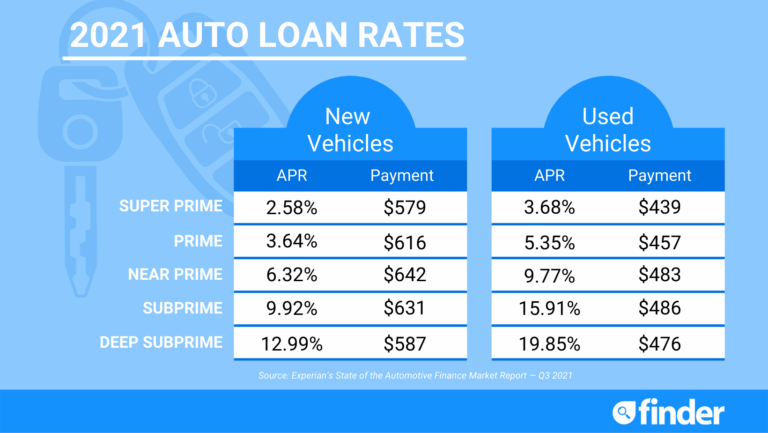
- High-Interest Rates: Expect to face higher interest rates. Lenders charge more for increased risk. Without a steady job, you’re considered a higher risk, and this will be reflected in the Annual Percentage Rate (APR) of your loan. This means you’ll pay significantly more over the life of the loan.
- Predatory Lenders: Be wary of "guaranteed approval" lenders, especially those with excessively high interest rates or hidden fees. These can be predatory. Always research the lender, read reviews, and understand every line of the contract. Avoid any lender pressuring you into a quick decision.
- Affordability: This is perhaps the most critical warning. Can you truly afford the monthly payments, along with other car ownership costs like insurance, maintenance, fuel, and registration? An affordable car payment on paper might become a burden when combined with other essential expenses, especially without a stable income. Create a detailed budget.
- Impact on Credit: Missing payments on a car loan will severely damage your credit score, making it even harder to secure future loans or other financial products. A repossession will leave a lasting negative mark on your credit report for years.
Based on my experience, rushing into a high-interest loan without a solid repayment plan is a recipe for financial stress and potential long-term credit damage. Always prioritize your overall financial health.
Pro Tips for Success
To maximize your chances and secure the best possible terms, follow these expert tips:
- Be Transparent with Lenders: Don’t hide your employment status. Be upfront about your situation and clearly explain your alternative income sources or financial plan. Honesty builds trust.
- Shop Around Extensively: Don’t just take the first offer. Apply to multiple lenders – banks, credit unions, and dealerships. Compare interest rates, loan terms, and fees. This competition can often lead to a better deal.
- Understand All Terms and Conditions: Before signing anything, read the loan agreement thoroughly. Ask questions about the APR, total cost of the loan, any prepayment penalties, and late fees. Don’t be afraid to walk away if something doesn’t feel right.
- Focus on Rebuilding Your Financial Standing: While seeking a loan, continue to improve your credit score, save money, and actively seek stable employment. A stronger financial foundation will open more doors in the future.
- Consider a Smaller, More Affordable Vehicle: You might have to adjust your expectations. Instead of a brand-new, expensive car, consider a reliable used car that fits within your more constrained budget. A lower purchase price means a smaller loan amount and more manageable payments.
Conclusion: The Road Ahead
The question "Can I get a car loan without a job?" is complex, but the answer is a nuanced "yes, under specific circumstances." While traditional employment offers the clearest path, demonstrating consistent non-traditional income, leveraging a strong co-signer, offering collateral, or making a substantial down payment can all significantly improve your prospects.
It requires meticulous preparation, transparency, and a deep understanding of your financial capabilities. Always prioritize affordability and be wary of predatory lenders. By carefully planning your approach and exploring all available options, you can navigate the challenges and potentially achieve your goal of vehicle ownership, even when the road ahead seems a bit uncertain. Remember, the ultimate goal is not just to get a loan, but to get one you can comfortably afford and successfully repay.