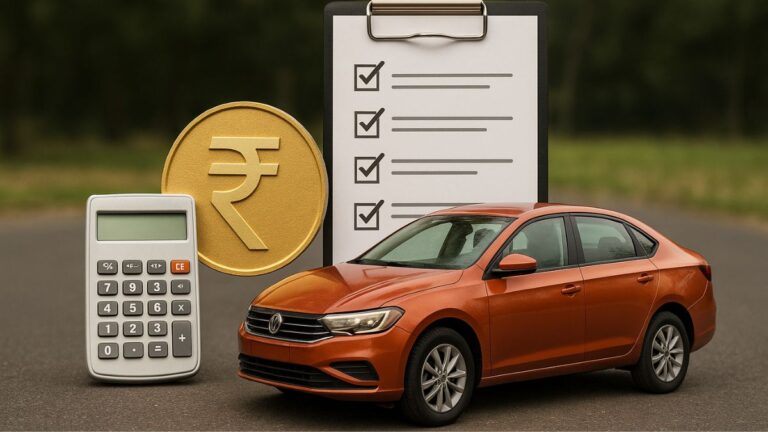
Can I Get a Car Loan Without Credit? Your Ultimate Guide to Driving Away with Confidence
Can I Get a Car Loan Without Credit? Your Ultimate Guide to Driving Away with Confidence Carloan.Guidemechanic.com
Embarking on the journey to buy your first car is an exhilarating prospect. The freedom of the open road, the convenience of personal transport – it’s a significant milestone for many. However, a common question often looms large, especially for young adults, recent immigrants, or anyone who hasn’t needed to borrow money before: "Can I get a car loan without credit?"
The short answer is yes, it’s absolutely possible! While challenging, securing a car loan with no credit history is a goal well within reach. This comprehensive guide is designed to empower you with the knowledge, strategies, and insider tips you need to navigate the world of auto financing and drive off in your new vehicle, even if your credit file is currently a blank slate. We’ll dive deep into every aspect, transforming what might seem like an insurmountable obstacle into a clear path forward.
Can I Get a Car Loan Without Credit? Your Ultimate Guide to Driving Away with Confidence
Understanding the Initial Hurdle: Why No Credit is a Challenge for Lenders
Before we explore the solutions, it’s crucial to understand why having no credit can be a hurdle. When you apply for a loan, lenders essentially want to know one thing: can you be trusted to pay back the money you borrow?
Your credit history, summarized by your credit score, acts as your financial report card. It tells lenders about your past borrowing behavior – how much you’ve borrowed, how consistently you’ve made payments, and your overall financial responsibility. Without this history, lenders have no data to assess your risk profile.
This lack of information makes you an unknown entity. From a lender’s perspective, extending a loan to someone without a credit history is inherently riskier than lending to someone with a proven track record of timely payments. Traditional banks, in particular, often have strict criteria that heavily rely on established credit scores.
The Good News: It’s Not a Dead End!
Despite the initial challenges, having no credit history doesn’t mean your dream of car ownership is out of reach. Many lenders understand that everyone has to start somewhere. They have developed alternative pathways and specialized programs to help first-time borrowers and those without established credit.
The key is to understand these options, prepare diligently, and present yourself as a reliable borrower. This article will equip you with exactly how to do that, turning your "no credit" situation into a "new credit" opportunity.
Strategy 1: Building a Strong Financial Foundation Before You Apply
The most effective way to secure a car loan without credit is to make yourself as appealing as possible to lenders. This involves demonstrating financial responsibility and stability through other means.
Saving for a Significant Down Payment
One of the most powerful tools in your arsenal is a substantial down payment. When you put down a significant portion of the car’s purchase price upfront, you immediately reduce the amount you need to borrow. This directly lowers the lender’s risk.
A larger down payment also shows lenders that you are financially responsible and serious about your purchase. It demonstrates your ability to save money, which is a strong indicator of your capacity to make regular loan payments. Pro tips from us: Aim for at least 10-20% of the car’s value, if not more.
Beyond reducing risk for the lender, a larger down payment also benefits you directly. It can lead to lower monthly payments, a shorter loan term, and potentially a better interest rate, saving you money over the life of the loan. It also provides you with immediate equity in the vehicle.
Demonstrating Proof of Income & Employment Stability
Lenders want assurance that you have a consistent and reliable source of income to cover your monthly car payments. Even without a credit history, strong income and employment stability can speak volumes about your ability to repay a loan.
Be prepared to provide documentation such as recent pay stubs (typically the last three months), W-2 forms, tax returns, and bank statements. If you’re self-employed, gathering a robust history of income, business records, and tax filings will be even more critical. Lenders often look for at least six months to a year of stable employment.
Based on my experience, a steady job with a good income can often compensate for a lack of credit history, especially with certain types of lenders. It shows a consistent cash flow, which is a primary concern for anyone lending money.
Managing Your Debt-to-Income (DTI) Ratio
Your Debt-to-Income (DTI) ratio is another crucial factor lenders consider. It’s the percentage of your gross monthly income that goes towards paying your monthly debt payments. Even if you don’t have a credit history, you might have other debts like student loans or personal loans.
A low DTI ratio indicates that you have plenty of disposable income to comfortably afford new debt obligations, like a car loan. Lenders typically prefer a DTI ratio below 43%, with lower being better. Calculate yours by dividing your total monthly debt payments by your gross monthly income.
If your DTI is high, consider paying down existing debts before applying for a car loan. This not only improves your financial standing but also makes you a more attractive candidate to lenders, even those specializing in no-credit situations.
Strategy 2: Exploring Different Lender Types for No-Credit Car Loans
Not all lenders are created equal, especially when it comes to borrowers without an established credit history. Knowing where to look can significantly increase your chances of approval.
Dealership Financing (Buy Here, Pay Here Lots)
Many car dealerships offer in-house financing, often referred to as "Buy Here, Pay Here" (BHPH) or "Guaranteed Approval" dealerships. These dealerships act as both the seller and the lender, which can make them more flexible with credit requirements.
Pros: BHPH dealerships are often willing to work with individuals who have no credit or even bad credit because they focus more on your income and ability to make payments directly to them. This can be a quick solution if you need a car immediately.
Cons: The significant drawbacks include much higher interest rates, often less favorable loan terms, and a limited selection of vehicles, which are typically older and have higher mileage. Common mistakes to avoid are accepting extremely high interest rates without understanding the total cost of the loan and not scrutinizing the vehicle’s condition, as these cars may not always be thoroughly inspected. While convenient, these loans rarely help build your credit effectively as not all BHPH dealers report payments to credit bureaus.
Credit Unions
Credit unions are member-owned financial institutions that often prioritize their members’ financial well-being over maximizing profits. This can translate into more flexible lending criteria and potentially better interest rates for borrowers with little or no credit history.
Pros: Credit unions are often more willing to consider your overall financial situation, not just your credit score. They might look at your relationship with the credit union, your income stability, and your savings history. Their interest rates are typically more competitive than those from BHPH dealers. Based on my experience, building a relationship with a local credit union through a savings account can open doors for future loans.
Cons: You usually need to become a member to qualify for a loan, which may involve meeting specific eligibility criteria (e.g., living in a certain area, being employed by a particular company, or having a family member who is a member).
Online Lenders Specializing in No/Bad Credit
The digital age has brought forth numerous online lenders who specialize in working with borrowers who have less-than-perfect or non-existent credit. These platforms often use alternative data points to assess creditworthiness.
Pros: Online lenders offer convenience, quick application processes, and often faster pre-approvals. They may have specialized programs designed for first-time buyers or those rebuilding credit. Some even offer educational resources to help you understand your loan.
Cons: It’s crucial to be vigilant when dealing with online lenders, as some may charge very high interest rates or have less transparent terms. Always read reviews, check for legitimate licensing, and compare offers carefully. Researching multiple lenders and obtaining pre-approvals can help you find the best deal.
Traditional Banks (with specific conditions)
While traditional banks are generally stricter, they are not entirely out of the question if you have no credit. If you have an existing relationship with a bank – perhaps a checking or savings account with a good history – they might be more inclined to work with you.
Pros: Banks are reputable institutions that typically offer competitive interest rates if you qualify. They can be a good option if you have a strong banking relationship and can demonstrate excellent financial habits through your account activity.
Cons: Their requirements are generally more stringent, and they will likely still want to see some form of credit history or significant mitigating factors like a very large down payment or a cosigner. Don’t be discouraged if your initial application is declined; it simply means their criteria don’t align with your current financial profile.
Strategy 3: Leveraging External Support & Alternatives
Sometimes, the best way to get approved is to bring in outside help or consider alternative loan structures.
The Power of a Cosigner
One of the most effective ways to secure a car loan with no credit is to apply with a cosigner. A cosigner is someone with good credit who agrees to take on the legal responsibility for the loan if you fail to make payments.
Pros: Having a cosigner significantly reduces the lender’s risk, as they have another financially responsible individual to fall back on. This can dramatically increase your chances of approval and often leads to better interest rates and loan terms than you would get on your own.
Cons: This is a serious commitment for the cosigner. If you miss payments, their credit score will be negatively impacted, and they will be legally obligated to repay the loan. This can strain relationships, so choose your cosigner (usually a trusted family member or close friend) carefully and ensure open communication about the responsibilities involved.
Secured Car Loans
A secured car loan uses the car itself as collateral. If you default on the loan, the lender has the right to repossess the vehicle to recover their losses.
Pros: Because the loan is secured by an asset, lenders are often more willing to approve applicants with no credit history. The risk for them is lower, which can make it easier to qualify compared to an unsecured loan.
Cons: The primary risk for you is repossession if you can’t make your payments. Secured loans may also come with higher interest rates, particularly for those with no established credit. Ensure you understand the terms and can comfortably afford the payments.
Building Credit First (A Long-Term Solution)
While you’re actively seeking a car loan, it’s also wise to simultaneously start building your credit history for future financial endeavors. Even if you secure a loan now, a stronger credit score will unlock better rates and opportunities down the line.
Consider options like a secured credit card, where you put down a deposit that becomes your credit limit. Make small purchases and pay them off in full and on time every month. Another option is a credit-builder loan, offered by some credit unions, where the loan amount is held in a savings account until you’ve made all your payments. These methods will slowly but surely establish a positive credit history.
The Application Process: What to Expect & How to Prepare
Once you’ve explored your options and gathered your financial documents, it’s time to apply. Being prepared can make the process smoother and more successful.
Gathering Your Documents: A Checklist
Having all your paperwork ready will expedite the application process. Here’s what you’ll typically need:
- Proof of Identity: Driver’s license, passport, or state ID.
- Proof of Income: Recent pay stubs (last 2-3 months), W-2 forms, tax returns, bank statements.
- Proof of Residency: Utility bill, lease agreement, or mortgage statement.
- Proof of Insurance: You’ll need to show you have auto insurance before driving off the lot.
- References: Some lenders may ask for personal or professional references.
Ensure all your documents are current and accurately reflect your financial situation. Any discrepancies can cause delays or even rejection.
Pre-Approval vs. Full Application
It’s highly recommended to seek pre-approval from multiple lenders before you even step onto a car lot. Pre-approval involves a preliminary review of your finances, resulting in an offer outlining the maximum amount you can borrow, the interest rate, and the loan term.
Pre-approval is usually a "soft inquiry" on your credit (which doesn’t affect your score) and gives you negotiating power at the dealership. It also helps you set a realistic budget. A full application, done once you’ve chosen a car and a specific lender, involves a "hard inquiry" and finalizes the loan terms.
Understanding the Loan Offer: APR, Term, and Total Cost
When presented with a loan offer, look beyond just the monthly payment. Focus on the Annual Percentage Rate (APR), which is the true cost of borrowing, including interest and fees. Also, consider the loan term (length of the loan in months).
A longer loan term might mean lower monthly payments, but you’ll pay more in interest over time. Always calculate the total cost of the loan (monthly payment x loan term) to understand the full financial commitment. Don’t be afraid to ask questions and clarify anything you don’t understand.
Common Mistakes First-Time Car Buyers (with No Credit) Make
Navigating the car buying process without credit can be tricky. Here are some common pitfalls to avoid:
- Focusing Only on Monthly Payments: While important, fixating solely on the lowest monthly payment can lead to longer loan terms and higher overall interest paid. Always consider the total cost of the loan.
- Ignoring the Total Cost of Ownership: Beyond the loan, remember to budget for car insurance, maintenance, fuel, and registration fees. These can add up quickly.
- Not Shopping Around: Accepting the first loan offer you receive, especially from a dealership, is a common mistake. Always compare offers from multiple lenders (credit unions, online lenders, banks) to secure the best possible rates and terms.
- Falling for "Guaranteed Approval" Scams: Be wary of lenders promising guaranteed approval without any financial checks. While some dealers specialize in no-credit loans, genuine lenders will always assess your income and ability to pay. Read reviews and verify legitimacy.
- Buying More Car Than You Can Afford: It’s tempting to want the newest or most luxurious car, but buying a more expensive vehicle than your budget allows will strain your finances and increase your risk of default.
Pro Tips for Success in Getting a Car Loan Without Credit
To maximize your chances of success and ensure a positive outcome, keep these expert tips in mind:
- Start Small and Realistic: For your first car loan, consider a more affordable, reliable used car. This reduces the loan amount, makes approval easier, and provides a manageable way to build your credit.
- Be Patient and Persistent: It might take a bit more effort and time to find the right lender and terms when you have no credit. Don’t get discouraged by initial rejections; use them as learning experiences.
- Read the Fine Print: Always, always read the loan agreement thoroughly before signing. Understand all terms, conditions, fees, and penalties. If something is unclear, ask for clarification.
- Don’t Be Afraid to Walk Away: If a deal doesn’t feel right, or if the terms seem predatory, be prepared to walk away. There will always be other cars and other lenders.
- Use This as a Credit-Building Opportunity: Once you secure your car loan, make every payment on time, every month. This is your chance to establish a positive credit history, which will benefit you immensely in the future.
- Understand Your Credit Score: Even with no history, understanding how credit scores work is vital. As you start building credit, regularly check your credit report for accuracy.
Conclusion: Your Journey to Car Ownership Starts Now
Getting a car loan without credit is undeniably a challenge, but it is far from impossible. By understanding the lender’s perspective, diligently preparing your finances, exploring diverse lending options, and approaching the process with informed caution, you can successfully navigate this journey.
Remember, this first car loan isn’t just about getting a vehicle; it’s also about laying the foundation for your financial future. Make smart choices, fulfill your obligations, and you’ll not only enjoy the freedom of car ownership but also build a solid credit history that will serve you well for years to come. Your road to car ownership, and a stronger financial profile, starts today!