Can I Get A Loan For A Used Car? Your Expert Guide to Smart Financing
Can I Get A Loan For A Used Car? Your Expert Guide to Smart Financing Carloan.Guidemechanic.com
The dream of owning a car is a common one, and for many, a used vehicle represents the perfect blend of affordability and reliability. But a question often surfaces: "Can I get a loan for a used car?" The answer is a resounding yes, and in many cases, it’s a financially savvy decision. This comprehensive guide will demystify the process, providing you with expert insights to secure the best possible financing for your next pre-owned ride.
Navigating the world of automotive financing can seem daunting at first. However, understanding the nuances of used car loans empowers you to make informed choices. Our goal is to equip you with the knowledge needed to confidently pursue your used car purchase, ensuring a smooth and successful experience. Let’s dive deep into everything you need to know.
Can I Get A Loan For A Used Car? Your Expert Guide to Smart Financing
Yes, You Absolutely Can! Understanding Used Car Loans
Securing a loan for a used car is not only possible but also a very common practice. In fact, the used car market often offers more value for money, allowing you to get more features or a higher-tier vehicle for a lower price point than a brand-new model. This makes financing a used car an attractive option for budget-conscious buyers.
The fundamental principles of a used car loan are similar to those for a new car. You borrow a sum of money from a lender, which you then repay over a set period with interest. However, there are specific factors unique to used vehicles that lenders consider, which we will explore in detail.
Choosing a used car can significantly reduce depreciation, which is the rate at which a car loses its value. New cars depreciate rapidly in their first few years, while a used car has already absorbed much of that initial loss. This means your investment often holds its value better over time.
Key Factors Lenders Consider When Approving a Used Car Loan
Lenders assess several critical elements before approving a used car loan. Understanding these factors can help you prepare and present yourself as a reliable borrower. Each aspect plays a vital role in determining your eligibility, the interest rate you receive, and the overall terms of your loan.
Being proactive about these considerations will significantly improve your chances of approval. It also puts you in a stronger negotiating position, potentially saving you thousands over the life of the loan. Let’s break down the most important factors.
Your Credit Score: The Cornerstone of Loan Approval
Your credit score is arguably the most influential factor in securing a used car loan. It’s a numerical representation of your creditworthiness, reflecting your history of borrowing and repaying debt. A higher score signals to lenders that you are a low-risk borrower.
Credit scores typically range from 300 to 850. Generally, scores above 700 are considered good to excellent, while scores below 600 might be seen as poor. A good credit score opens doors to lower interest rates and more favorable loan terms, reducing your overall borrowing cost.
Based on my experience, even a slight improvement in your credit score can lead to significant savings on interest over the life of your loan. Lenders use this score to gauge the likelihood of you defaulting on your payments. Therefore, maintaining a healthy credit profile is paramount.
Your Debt-to-Income (DTI) Ratio
Lenders also closely examine your debt-to-income (DTI) ratio. This ratio compares your total monthly debt payments to your gross monthly income. It’s a crucial indicator of your ability to manage additional debt, such as a new used car loan.
To calculate your DTI, simply sum up all your monthly debt obligations (mortgage/rent, credit card payments, student loans, etc.) and divide that by your gross monthly income. A DTI ratio below 36% is generally preferred by lenders, indicating you have sufficient income to cover your debts.
A high DTI ratio suggests that a significant portion of your income is already allocated to existing debts. This can make lenders hesitant to approve further credit, as it increases the risk of you struggling to make new loan payments. Managing your existing debt is key to a favorable DTI.
The Age and Mileage of the Used Car
Unlike new cars, the specific characteristics of the used vehicle itself are a major consideration for lenders. The car’s age and mileage directly impact its value and, consequently, the risk associated with the loan. Older cars with very high mileage tend to have lower resale value and a higher chance of mechanical issues.
Lenders prefer cars that are relatively newer and have lower mileage because they are less likely to break down. This reduces the risk of the collateral (the car) losing significant value or becoming unrepairable during the loan term. This ensures the asset retains enough value to cover the loan if you default.
Some lenders have specific restrictions on the maximum age or mileage they will finance. While it varies, many prefer vehicles less than 10 years old with fewer than 100,000 to 120,000 miles. It’s important to inquire about these limits when exploring used car financing options.
Down Payment: Reducing Risk and Cost
Making a down payment on a used car loan is highly beneficial, both for you and the lender. A down payment is a portion of the car’s purchase price that you pay upfront, reducing the amount you need to borrow. This immediately lowers your loan amount and, consequently, your monthly payments and total interest paid.
For lenders, a down payment demonstrates your commitment to the purchase and reduces their risk. If you default on the loan, the lender has a smaller outstanding balance to recover. It also creates immediate equity in the vehicle, meaning you owe less than the car is worth.
Pro tips from us: Aim for a down payment of at least 10-20% of the car’s purchase price if possible. This not only makes you a more attractive borrower but also protects you from immediately being "upside down" on your loan, where you owe more than the car is worth.
Income Stability and Employment History
Lenders want assurance that you have a consistent and reliable source of income to repay the loan. Your employment history provides insight into your financial stability. A steady job history, ideally with the same employer for several years, indicates reliability.
You will typically need to provide proof of income, such as pay stubs, tax returns, or bank statements. For self-employed individuals, lenders might require more extensive documentation to verify income consistency. This could include multiple years of tax returns.
Long-term employment with a stable income source reassures lenders of your ability to meet your monthly payment obligations. Any gaps in employment or frequent job changes might raise red flags, making the approval process more challenging.
Where to Get a Used Car Loan: Exploring Your Options
When it comes to how to get a used car loan, you have several avenues to explore, each with its own advantages and disadvantages. Shopping around for lenders is crucial to securing the most favorable terms and interest rates. Don’t settle for the first offer you receive.
Comparing different types of lenders can lead to significant savings over the life of your loan. Each option caters to slightly different borrower profiles and offers varying levels of convenience and competitive pricing. Let’s break down the main sources for used car financing.
Dealership Financing
Many car dealerships offer financing directly through their finance departments. They act as intermediaries, connecting you with a network of banks and financial institutions. This can be incredibly convenient, as you can often complete the entire purchase and financing process in one location.
Dealerships often have access to special financing programs, sometimes including lower rates for qualified buyers or incentives on specific models. They might also be more willing to work with buyers who have less-than-perfect credit. This can be a good option if you value convenience.
However, it’s essential to compare their offers with pre-approvals you’ve obtained elsewhere. Dealerships might mark up interest rates to increase their profit, so always be prepared to negotiate. Don’t let the convenience overshadow the importance of a competitive rate.
Banks and Credit Unions
Traditional banks and local credit unions are excellent sources for used car loans. They often offer competitive interest rates, especially to their existing customers who have a good relationship with the institution. Credit unions, in particular, are known for their customer-centric approach and often provide very favorable rates due to their non-profit status.
Getting pre-approved through a bank or credit union before you even start car shopping is a smart move. Pre-approval gives you a clear budget and allows you to walk into a dealership with the power of a cash buyer. This streamlines the negotiation process for the car itself.
Pro tips from us: Always check with your current bank or credit union first. They already know your financial history and might offer you better terms as a loyal customer. Don’t underestimate the potential savings from a slightly lower interest rate from these established institutions.
Online Lenders
The rise of online lenders has revolutionized the car loan landscape, offering speed, convenience, and often highly competitive rates. These platforms allow you to apply for a used car loan from the comfort of your home, often receiving multiple offers within minutes. This makes comparison shopping incredibly efficient.
Online lenders often have lower overhead costs than traditional banks, which can translate into better rates for consumers. They are also excellent for comparing various loan options side-by-side, helping you find the best used car loans tailored to your needs. This transparency is a major benefit.
When using online lenders, ensure you choose reputable companies with strong customer reviews and clear terms. Always read the fine print carefully, checking for any hidden fees or unfavorable conditions. The convenience should not come at the expense of understanding your loan agreement.
The Used Car Loan Application Process: A Step-by-Step Guide
Applying for a used car loan might seem complex, but by breaking it down into manageable steps, you can navigate the process with ease. A systematic approach ensures you are prepared, informed, and in the best position to secure favorable loan terms. Follow these steps to streamline your financing journey.
Being organized and proactive throughout each stage will significantly reduce stress. It also empowers you to make well-informed decisions, rather than feeling rushed or pressured. Let’s walk through the essential steps to getting your used car loan.
Step 1: Check Your Credit Score and Report
Before doing anything else, obtain a copy of your credit report and check your credit score. You can get a free copy of your credit report from each of the three major credit bureaus (Equifax, Experian, TransUnion) annually through AnnualCreditReport.com. Review it carefully for any errors.
Disputing inaccuracies on your credit report can significantly boost your score. Correcting these errors before applying for a loan is crucial, as they could unfairly impact your eligibility or interest rate. A clean credit report is your best asset.
Understanding your current credit standing is the first and most important step. It helps you anticipate what kind of rates you might qualify for and gives you time to make any necessary improvements. This proactive approach sets a strong foundation for your application.
Step 2: Determine Your Budget
It’s tempting to focus solely on the car’s price, but a smart budget considers the total cost of ownership. Beyond the monthly loan payment, factor in insurance, registration fees, maintenance, and fuel costs. Use an online loan calculator to estimate different payment scenarios.
Knowing what you can realistically afford each month, without straining your finances, is crucial. Don’t just consider what a lender might approve you for, but what you can comfortably pay. Overstretching your budget can lead to financial stress down the line.
Consider saving up for a larger down payment, as this will reduce the amount you need to borrow and, consequently, your monthly payments. A well-planned budget prevents you from buying more car than you can truly afford.
Step 3: Get Pre-Approved
Getting pre-approved for a used car loan is one of the most powerful steps you can take. It means a lender has reviewed your financial information and tentatively agreed to lend you a specific amount at a particular interest rate. This gives you concrete buying power.
With pre-approval in hand, you become a more attractive buyer to dealerships, as they know you already have financing secured. This allows you to focus on negotiating the car’s price, rather than simultaneously worrying about financing. It’s like having cash in hand.
Remember that pre-approvals typically involve a "soft inquiry" on your credit, which doesn’t harm your score. Once you proceed with a specific loan, a "hard inquiry" will be made. Shop for pre-approvals within a short timeframe (usually 14-45 days) to minimize the impact on your credit score.
Step 4: Shop for Your Car
Armed with your pre-approval and budget, you can now confidently shop for your used car. Focus on vehicles that fit within your pre-approved loan amount and meet your personal needs. Don’t forget to research the car’s history.
Always request a vehicle history report (like CarFax or AutoCheck) to check for accidents, title issues, and maintenance records. More importantly, arrange for a pre-purchase inspection by an independent, trusted mechanic. This can uncover hidden problems that might not be visible during a test drive.
A thorough inspection provides peace of mind and can save you from costly repairs down the road. It’s a small investment that can prevent a significant financial headache, ensuring the car is sound.
Step 5: Finalize the Loan and Purchase
Once you’ve found the perfect car and agreed on a price, it’s time to finalize your loan. Review all the loan documents carefully before signing. Pay close attention to the interest rate, loan term, monthly payment, and any associated fees.
Do not feel pressured to rush this step. Ask questions about anything you don’t understand. Ensure that all the agreed-upon terms are accurately reflected in the final contract. This includes checking for any unnecessary add-ons that might inflate the total cost.
Congratulations, you’ve successfully navigated the process! By taking your time and being diligent, you’ve secured a used car loan on your terms.
Special Considerations for Used Car Loans
While the general process for financing a used car is straightforward, certain situations require specific approaches. Understanding these nuances can help you overcome potential hurdles or leverage unique opportunities. Let’s explore some common scenarios that require extra attention.
These considerations address challenges like less-than-perfect credit or specific purchasing situations. Being aware of these options and potential pitfalls is key to a successful outcome. Always tailor your strategy to your individual circumstances.
Bad Credit Used Car Loans
Having a less-than-perfect credit score doesn’t necessarily mean you can’t get a used car loan, but it will likely come with higher interest rates. Lenders view borrowers with poor credit as higher risk, and they compensate for this risk by charging more for the loan. Don’t be discouraged, as options are available.
You might need to explore lenders who specialize in subprime auto loans. These lenders are more willing to work with individuals with lower credit scores. However, be prepared for rates that are significantly higher than those offered to borrowers with good credit.
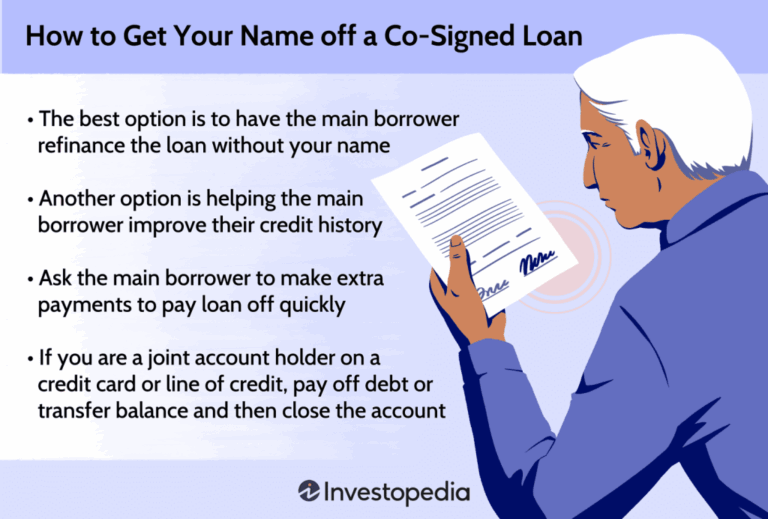
Common mistakes to avoid are accepting the first offer without comparing or taking on a payment you cannot comfortably afford. To improve your chances, consider finding a co-signer with good credit, making a larger down payment, or opting for a less expensive vehicle. Working to improve your credit score before applying is always the best long-term strategy.
Private Party Used Car Loans
Financing a used car purchased from a private seller can be more challenging than buying from a dealership, but it’s certainly possible. Many traditional lenders prefer to finance vehicles bought from licensed dealerships due to the established sales process and warranties. However, some banks and credit unions do offer private party used car loans.
The key difference lies in the verification process. Lenders will need to verify the car’s title, condition, and value more rigorously. You’ll typically need to provide more documentation about the vehicle, including a bill of sale, the car’s title, and often a professional appraisal.
Ensure you get a thorough pre-purchase inspection from an independent mechanic for any private party sale. This is even more critical than with a dealership, as private sales often come with no warranties or guarantees. Protect yourself by knowing the car’s true condition.
Refinancing Your Used Car Loan
If you’ve already secured a used car loan but your financial situation has improved, or interest rates have dropped, refinancing could be a smart move. Refinancing involves taking out a new loan to pay off your existing car loan, ideally with better terms.
Reasons to refinance include getting a lower interest rate, reducing your monthly payments, or shortening your loan term to pay off the car faster. If your credit score has significantly improved since you first took out the loan, you are a prime candidate for refinancing.
Shop around for refinancing offers just as you would for an initial loan. Compare rates from banks, credit unions, and online lenders. Refinancing can potentially save you a substantial amount of money over the remaining life of your loan.
Pro Tips for Securing the Best Used Car Loan
To truly excel in the used car loan process, leverage these expert tips. These strategies go beyond the basic steps and can make a significant difference in your financing experience and overall cost. Implement them to put yourself in the strongest possible position.
- Improve Your Credit Score: Even a few months of diligent bill payments can boost your score. Pay down credit card balances and avoid new credit applications before seeking a loan.
- Save for a Larger Down Payment: The more you put down, the less you borrow, which means lower payments and less interest. It also makes you a more attractive borrower.
- Shop Around for Rates: Don’t just accept the first offer. Get pre-approvals from at least three different lenders (banks, credit unions, online lenders) to compare used car loan rates.
- Negotiate the Price of the Car Separately: Secure your financing first, then negotiate the car’s price as if you’re a cash buyer. This prevents dealerships from manipulating financing terms to make up for a lower car price.
- Avoid Unnecessary Add-ons: Dealerships often push extended warranties, GAP insurance, and other extras. While some may be valuable, understand what you’re buying and if you truly need it. These can significantly increase your loan amount.
- Understand the Total Cost of the Loan: Focus on the total amount you will pay over the life of the loan, not just the monthly payment. A longer loan term might offer lower monthly payments but will almost always result in more interest paid overall.
- Be Prepared with Documentation: Have your proof of income, identification, and credit report ready. Being organized speeds up the application process.
For a deeper dive into managing your finances to improve your loan eligibility, check out our guide on . And if you’re looking for comprehensive advice on the purchase itself, our offers invaluable insights.
For more information on understanding auto loans and consumer rights, refer to trusted external resources like the External Link: Consumer Financial Protection Bureau – Auto Loans.
Common Mistakes to Avoid
Even with the best intentions, borrowers can make mistakes that negatively impact their used car loan experience. Being aware of these common pitfalls can help you steer clear of them and ensure a smoother, more cost-effective process.
- Not Checking Your Credit: Failing to review your credit report for errors or understand your score before applying. This leaves you vulnerable to unfavorable terms.
- Skipping Pre-Approval: Going to a dealership without pre-approved financing. This puts you at a disadvantage, as the dealership controls the financing narrative.
- Focusing Only on Monthly Payments: Overlooking the total cost of the loan and the interest rate. A low monthly payment might hide a long loan term and high interest.
- Ignoring the Total Cost of the Loan: Not calculating how much you’ll pay in interest over the life of the loan. This can add thousands to your car’s actual price.
- Buying More Car Than You Can Afford: Getting swept up in the excitement and committing to payments that strain your budget. Stick to your determined budget.
- Not Getting a Pre-Purchase Inspection: Trusting the seller’s word on the car’s condition without independent verification. This is a critical step, especially for used vehicles.
- Signing Without Reading the Fine Print: Rushing through the loan documents and missing important terms, fees, or conditions. Always read and understand everything before signing.
Conclusion
The answer to "Can I get a loan for a used car?" is an emphatic yes, and with the right approach, it can be a highly advantageous financial move. By understanding the factors lenders consider, exploring all your financing options, and following a structured application process, you can confidently secure the best used car loans for your needs.
Remember, preparation is key. Checking your credit, setting a realistic budget, and getting pre-approved will empower you throughout your used car buying journey. Don’t rush the process, and always prioritize understanding every aspect of your loan.
With the insights provided in this comprehensive guide, you are now well-equipped to make informed decisions and drive away in your desired used car with smart, secure financing. Start your journey today, and enjoy the open road ahead!