Can I Pay Off My Car Loan Early? Your Ultimate Guide to Financial Freedom
Can I Pay Off My Car Loan Early? Your Ultimate Guide to Financial Freedom Carloan.Guidemechanic.com
The hum of a new engine, the gleam of fresh paint – buying a car is an exciting milestone. But soon, the reality of monthly payments sets in, often stretching for years. It’s natural to wonder, "Can I pay off my car loan early?" The thought of being debt-free, saving money, and owning your vehicle outright is incredibly appealing.
As an expert blogger and professional SEO content writer, I’ve delved deep into the world of personal finance, and car loans are a significant piece of that puzzle. This comprehensive guide will explore every facet of early car loan repayment, helping you understand the benefits, drawbacks, and practical strategies. Our ultimate goal is to empower you with the knowledge to make the best financial decision for your unique situation.
Can I Pay Off My Car Loan Early? Your Ultimate Guide to Financial Freedom
We’ll cover everything from the significant interest savings to potential pitfalls like prepayment penalties. By the end of this article, you’ll have a clear roadmap to navigate this decision, potentially accelerating your journey towards financial freedom. Let’s buckle up and dive in!
The Short Answer: Yes, You Absolutely Can! (But There’s More To It)
In most cases, the answer to "Can I pay off my car loan early?" is a resounding yes. Lenders typically allow borrowers to pay off their loans ahead of schedule. However, simply knowing you can do it is just the first step. The real value lies in understanding the implications, both positive and negative, and how to execute it effectively.
The decision isn’t always black and white. While the idea of shedding debt is universally attractive, there are crucial details to consider, such as the type of interest rate, potential prepayment penalties, and what else you could do with that extra money. This article will equip you with all the necessary insights to weigh these factors carefully.
Ultimately, whether paying off your car loan early is the right move for you depends on your specific financial health, your loan terms, and your broader financial goals. We’ll break down these considerations in detail to help you arrive at an informed conclusion.
Why Would You Want To Pay Off Your Car Loan Early? The Compelling Benefits
There are numerous powerful reasons why accelerating your car loan payoff can be a smart financial move. From significant savings to enhanced peace of mind, the advantages often extend beyond just eliminating a monthly bill. Let’s explore the primary benefits in depth.
Significant Interest Savings Over the Life of the Loan
One of the most compelling reasons to pay off your car loan early is the substantial interest you can save. Car loans are structured with amortization schedules, meaning a portion of each payment goes towards the principal (the original amount borrowed) and a portion goes towards interest. In the early stages of a loan, a larger percentage of your payment is allocated to interest.
By making extra payments or paying off the loan ahead of schedule, you reduce the principal balance more quickly. Since interest is calculated on the remaining principal, a smaller principal balance means less interest accrues over time. This directly translates into real money staying in your pocket rather than going to the lender. Based on my experience, this is often the biggest motivator for people considering early repayment, and the savings can be surprisingly large, especially on longer-term loans.
Achieving Financial Freedom & Reducing Debt Stress
The psychological impact of being debt-free cannot be overstated. Carrying debt, even manageable car payments, can contribute to a sense of financial burden and stress. Eliminating that obligation provides a profound sense of liberation and control over your finances.
Imagine not having that recurring monthly payment hanging over your head. This newfound freedom allows you to breathe easier, knowing one less major bill is due. Pro tips from us: Less debt means more peace of mind, which is an invaluable asset for your overall well-being. This mental clarity can also empower you to tackle other financial goals with renewed vigor.
Freeing Up Monthly Cash Flow For Other Priorities
Once your car loan is paid off, that monthly payment amount is suddenly freed up in your budget. This extra cash flow can be a game-changer for your financial planning. You can reallocate this money towards other crucial objectives.
Perhaps you want to boost your emergency savings, contribute more to your retirement fund, or invest in a new opportunity. Alternatively, you might use it to aggressively pay down other higher-interest debts, like credit card balances. The flexibility that comes with an extra few hundred dollars each month provides a powerful tool for accelerating your financial progress.
Boosting Your Credit Score (Potentially)
Paying off a loan responsibly, especially ahead of schedule, can positively impact your credit score. When you successfully close out an account, it demonstrates your ability to manage credit effectively. This contributes to a strong payment history, which is a major factor in credit scoring models.
While closing an account might slightly reduce your average age of credit, the positive impact of a paid-off installment loan, especially if it was a significant balance, generally outweighs this minor effect. It shows lenders that you’re a reliable borrower who fulfills your obligations. However, remember that consistent on-time payments throughout the life of the loan are paramount for building good credit in the first place.
Full Ownership of Your Asset
Finally, paying off your car loan means you gain full legal ownership of your vehicle. The lender no longer holds a lien on your title. This means you have complete control over your asset.
You can decide to sell it, trade it in, or keep it for as long as you wish, without any financial ties to a lending institution. This tangible benefit provides a sense of security and simplifies any future decisions regarding your vehicle. It’s a clear marker of your financial achievement.
Are There Any Downsides? The Potential Drawbacks To Consider
While the benefits of paying off your car loan early are numerous, it’s equally important to consider potential drawbacks. A truly informed decision requires a balanced view, weighing the pros against any cons that might apply to your specific situation. Let’s explore these potential downsides in detail.
Prepayment Penalties: An Unwelcome Surprise
One of the most critical factors to investigate before accelerating your car loan payments is the presence of a prepayment penalty. Some loan agreements include clauses that charge you a fee for paying off your loan before the scheduled term. These penalties are designed to compensate the lender for the interest they would have earned if the loan ran its full course.
Prepayment penalties are more common with loans structured using the "Rule of 78s" (precomputed interest) rather than simple interest loans, though they can appear in various forms. Common mistakes to avoid are not checking your loan agreement for these clauses; always review your loan documents or contact your lender directly to confirm. If a significant penalty exists, it could diminish or even negate the interest savings you hoped to achieve, making early payoff less attractive.
Opportunity Cost: Where Else Could Your Money Go?
Every dollar you dedicate to paying off your car loan early is a dollar that cannot be used elsewhere. This concept is known as opportunity cost. It’s crucial to consider if that money could generate a higher return or provide greater financial benefit if allocated to a different priority.
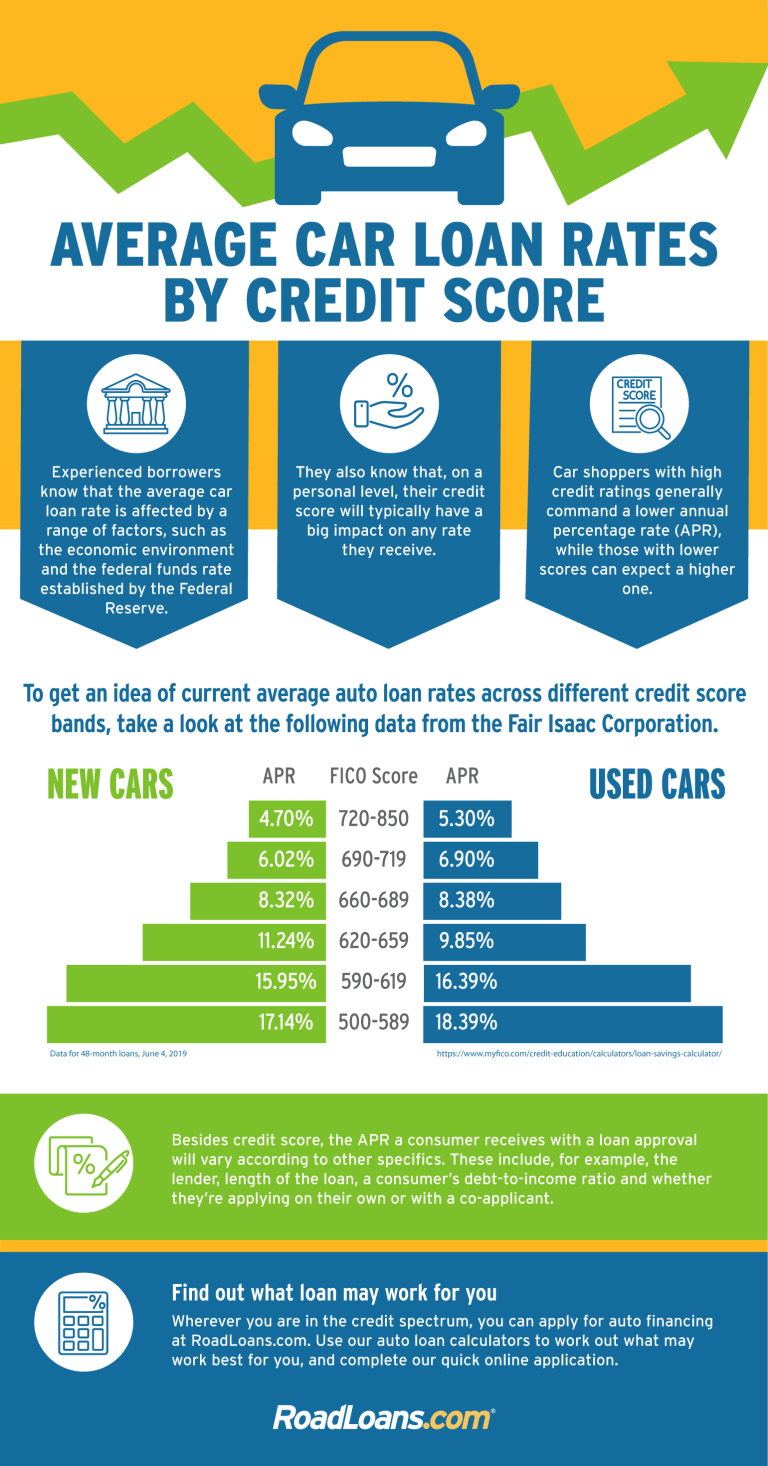
For instance, if you have high-interest credit card debt (often with APRs exceeding 15-20%), paying off that debt first will almost always save you more money than accelerating a lower-interest car loan (typically 3-7%). Similarly, if you haven’t fully funded your emergency savings, or if you have access to investment opportunities with a higher guaranteed return than your car loan’s interest rate, those might be more prudent uses of your extra funds. Based on my experience, evaluating your overall financial picture and comparing interest rates across all your debts is crucial here.
Depleting Your Emergency Savings
While the desire to be debt-free is strong, it should never come at the expense of your financial safety net. Draining your emergency fund to pay off a car loan early is generally not a wise strategy. An emergency fund, ideally three to six months’ worth of living expenses, provides crucial protection against unexpected job loss, medical emergencies, or unforeseen car repairs.
Without an adequate emergency fund, you could find yourself in a precarious situation, potentially needing to take on new, higher-interest debt to cover an urgent expense. Always prioritize building and maintaining a robust emergency fund before aggressively paying down lower-interest debts like car loans.
Impact on Credit Mix (Minor Consideration)
While paying off a loan generally helps your credit score, closing an installment account can have a minor, temporary impact on your credit mix and average age of accounts. Credit scoring models favor a diverse mix of credit (revolving credit like credit cards and installment credit like car loans). Removing an installment loan could slightly alter this mix.
Additionally, the average age of your credit accounts can be a factor. While a paid-off account remains on your credit report for several years, its "open" status changes. However, for most individuals with a solid credit history and other active accounts, this impact is typically minimal and often outweighed by the benefits of reduced debt and improved credit utilization. It’s usually not a reason to avoid early payoff, but it’s worth noting as a minor detail.
How To Pay Off Your Car Loan Early: Practical Strategies
If you’ve weighed the pros and cons and decided that paying off your car loan early is the right move for you, the next step is to implement effective strategies. There are several proven methods to accelerate your payoff timeline and maximize your interest savings. Let’s explore these practical approaches.
Make Extra Payments Consistently
This is perhaps the simplest and most effective strategy. Even small, consistent extra payments can significantly reduce your loan term and the total interest paid. There are a few ways to implement this:
- Round Up Your Payments: If your payment is $325, round it up to $350 or $375 each month.
- Bi-Weekly Payments: Divide your monthly payment by two and pay that amount every two weeks. This results in 26 half-payments per year, which is equivalent to 13 full monthly payments instead of 12.
- Add an Extra Payment Annually: Whenever you have extra cash, make an additional full monthly payment once a year.
Pro Tip: Always specify to your lender that any extra money you send should be applied directly to the principal balance. Otherwise, they might apply it to future interest or upcoming payments, which won’t accelerate your payoff as effectively.
Refinance Your Loan For Better Terms
Refinancing involves taking out a new loan to pay off your existing car loan. This strategy is particularly effective if you can secure a lower interest rate or a shorter loan term than your current loan. A lower interest rate means more of your payment goes towards the principal, and a shorter term naturally accelerates your payoff.
Consider refinancing if your credit score has improved since you first took out the loan, or if interest rates have dropped. However, be mindful of any fees associated with refinancing, and ensure the new loan doesn’t come with a prepayment penalty if your original didn’t. For a deeper dive into refinancing, check out our guide on Understanding Car Loan Refinancing Options (simulated internal link).
Apply Windfalls Towards Your Principal
Unexpected money can be a powerful tool for debt reduction. If you receive a work bonus, a tax refund, an inheritance, or any other lump sum of cash, consider dedicating a portion or all of it to your car loan’s principal.
Even a single large payment can shave months off your loan term and save you hundreds or thousands in interest. It’s a strategic way to make a significant dent in your debt without impacting your regular monthly budget. Always assess your emergency fund first before applying windfalls to debt.
Sell Unused Items or Take on a Side Hustle
If you’re highly motivated to pay off your car loan quickly, consider actively generating extra income specifically for this purpose. Look around your home for items you no longer need or use and sell them online or at a garage sale. The money earned can go directly towards your loan.
Alternatively, you could take on a temporary side hustle, such as freelance work, ride-sharing, or pet-sitting. Even a few hundred extra dollars a month from a side gig can make a substantial difference in your payoff timeline. This dedicated effort can significantly accelerate your debt-free journey.
Automate Your Extra Payments
Consistency is key when it comes to early loan payoff. Once you’ve decided on a strategy, whether it’s an extra $50 a month or a bi-weekly payment schedule, automate it. Set up recurring transfers from your checking account to your loan account.
This removes the need for manual action and ensures you stick to your plan without fail. Based on my experience, automation is key to staying consistent and achieving long-term financial goals. You’ll be surprised how quickly the principal balance shrinks when payments are made automatically and regularly.
Is Paying Off Your Car Loan Early Right For You? A Decision-Making Framework
Deciding whether to pay off your car loan early is a highly personal financial choice. There’s no one-size-fits-all answer. To help you make the best decision for your circumstances, consider the following framework:
1. Assess Your Loan Agreement Thoroughly
Before anything else, carefully review your car loan agreement. Look specifically for any mention of prepayment penalties. Understand if your loan uses simple interest or precomputed interest (Rule of 78s), as this impacts the true savings. If you’re unsure, contact your lender directly for clarification.
2. Evaluate Your Overall Financial Health
Take an honest look at your complete financial picture. Do you have a fully funded emergency savings account (3-6 months of living expenses)? Do you have other debts with significantly higher interest rates, such as credit card balances or personal loans? Prioritizing these higher-interest debts and building your emergency fund should generally come before aggressively tackling a lower-interest car loan.
3. Consider Your Financial Goals
What are your broader financial aspirations? Is your primary goal to become debt-free as quickly as possible for peace of mind? Or are you focused on maximizing investment returns, perhaps by putting extra money into a retirement account or a high-growth investment? Your personal goals will heavily influence whether early payoff is the optimal path for you.
4. Do the Math: Calculate Potential Interest Savings
It’s essential to quantify the potential savings. Use an online car loan payoff calculator to estimate how much interest you would save by paying off your loan early using different scenarios (e.g., adding an extra $50/month, making one lump sum payment). You can use a reliable online car loan payoff calculator like the one provided by Consumer Financial Protection Bureau to estimate your savings (external link). This concrete number will help you determine if the financial benefit justifies the effort.
By systematically working through these questions, you can arrive at a well-reasoned decision that aligns with your financial priorities and current situation.
Common Mistakes To Avoid When Paying Off Your Car Loan Early
While the desire to pay off debt is commendable, certain missteps can undermine your efforts or even put you in a worse financial position. Based on my years in finance, these are pitfalls many people stumble into when trying to pay off their car loan early:
- Not Checking for Prepayment Penalties: This is the most critical mistake. Failing to confirm if your loan has a penalty can negate your interest savings and make early payoff less advantageous. Always read your loan documents carefully or call your lender.
- Draining Your Emergency Fund: As mentioned earlier, sacrificing your financial safety net to pay off a car loan is a risky move. An unexpected expense could force you to take on new debt, often at a higher interest rate, undoing your progress.
- Ignoring Higher-Interest Debt: If you have credit card debt with an APR of 18-25%, paying off a 5% car loan first means you’re leaving significant interest on the table elsewhere. Always prioritize the debt with the highest interest rate.
- Not Specifying Extra Payments for Principal: If you just send extra money without instructing your lender, they might apply it to your next scheduled payment or future interest. Always ensure extra payments are applied directly to the loan’s principal balance to maximize your savings.
- Not Reviewing Your Loan Statement Regularly: After making extra payments, always check your next statement to confirm that the principal balance has been reduced as expected and that the extra payments were applied correctly. This vigilance ensures your efforts are having the intended impact.
Avoiding these common mistakes will help ensure your journey to early car loan payoff is smooth, efficient, and truly beneficial for your financial health.
Conclusion: Taking Control of Your Car Loan Journey
The question, "Can I pay off my car loan early?" is more than just a yes or no. It opens the door to a deeper exploration of your financial priorities, loan specifics, and future aspirations. As we’ve thoroughly discussed, the ability to eliminate your car debt ahead of schedule comes with compelling benefits, primarily significant interest savings and the immense psychological relief of financial freedom.
However, a truly informed decision requires a careful consideration of potential drawbacks, such as prepayment penalties and opportunity costs. By understanding your loan agreement, assessing your overall financial health, and employing smart strategies like making extra principal payments or refinancing, you can confidently navigate this journey.
Ultimately, whether paying off your car loan early is the right choice for you depends on your individual circumstances. There’s no universal answer, but with the comprehensive information provided in this guide, you are now equipped to make a decision that aligns perfectly with your financial goals. Take control, do the math, and step closer to a debt-free future. To continue your journey towards financial mastery, explore our article on Building a Robust Emergency Fund (simulated internal link).