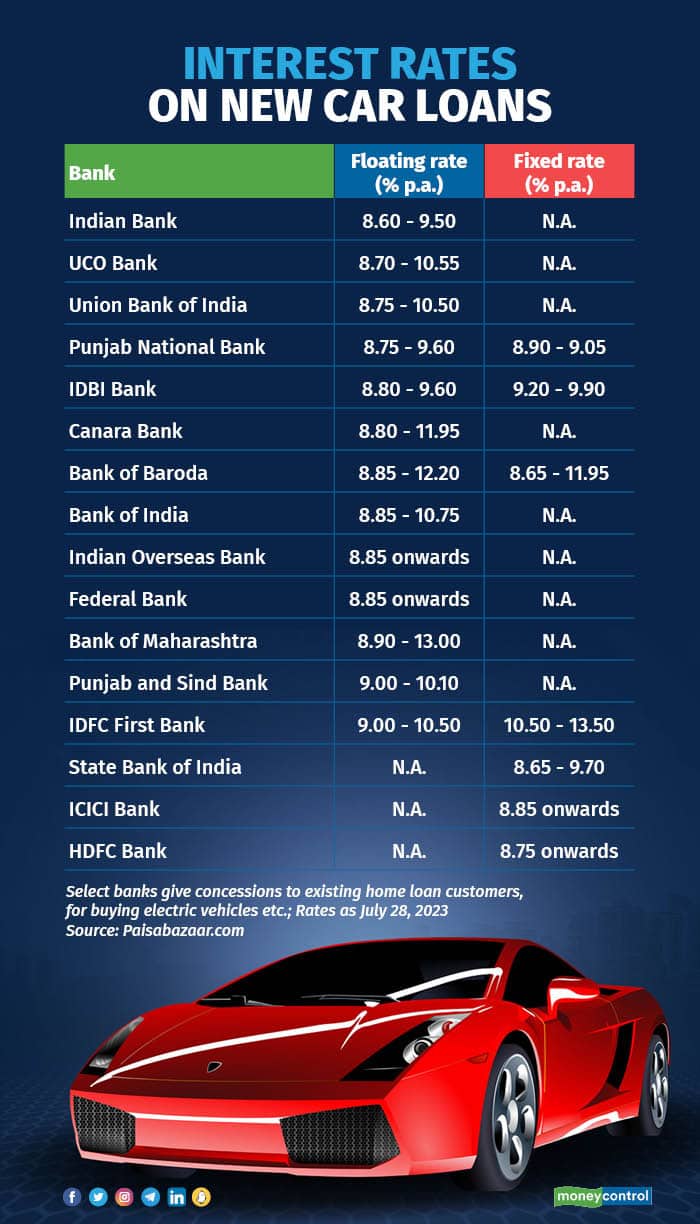
Can I Transfer My Car Loan? Your Comprehensive Guide to Auto Loan Transfers
Can I Transfer My Car Loan? Your Comprehensive Guide to Auto Loan Transfers Carloan.Guidemechanic.com
The idea of transferring a car loan can seem like a straightforward solution to various financial or personal situations. Perhaps you’re selling your vehicle, passing it down to a family member, or simply want to remove a co-signer. Whatever the reason, the question "Can I transfer my car loan?" is a common one, and it often comes with a surprising answer.
As an expert blogger and professional in the automotive finance space, I’ve seen countless individuals navigate the complexities of car loans. Based on my experience, many people assume car loans operate similarly to mortgages, where a direct transfer or assumption is relatively common. However, with auto loans, the reality is quite different. This comprehensive guide will demystify the process, explore the various avenues available, and equip you with the knowledge to make informed decisions. We’ll dive deep into the legalities, financial implications, and practical steps involved, ensuring you understand exactly what it takes to effectively "transfer" a car loan.
Can I Transfer My Car Loan? Your Comprehensive Guide to Auto Loan Transfers
The Core Question: Can You Really Transfer a Car Loan? (The Short Answer & The Nuance)
Let’s cut straight to the chase: Directly transferring a car loan from one person to another, much like handing over a lease agreement, is generally not possible. Unlike some mortgage products that explicitly allow for loan assumption, the vast majority of auto loans are structured as non-assumable. This means your loan agreement is a direct contract between you and the lender, tied specifically to your creditworthiness and the vehicle’s title, which serves as collateral.
However, while a direct transfer is rare, this doesn’t mean you’re out of options. The concept of "transferring" a car loan usually refers to a set of indirect methods that achieve a similar outcome: shifting the financial responsibility and ownership of the vehicle to another party. These methods involve either paying off the existing loan and initiating a new one, or, in very specific and uncommon scenarios, securing the lender’s explicit permission for an assumption. Understanding this fundamental distinction is the first critical step in navigating this process effectively.
Understanding Your Current Car Loan: The First Step
Before you even consider "transferring" your car loan, it’s crucial to have a clear understanding of your existing agreement. This is your starting point, and overlooking these details can lead to significant headaches down the road. Your loan document is more than just a piece of paper; it’s a legally binding contract that outlines all the terms and conditions.
First, identify your lender and your account number. This seems obvious, but having this information readily available will streamline any communication. Next, understand the type of loan you have. Almost all car loans are secured loans, meaning the vehicle itself acts as collateral. This is why the lender holds a lien on the car’s title until the loan is fully repaid. This lien is a critical factor in any transfer scenario.
Pro tips from us: Take the time to read your original loan agreement carefully. Look for clauses related to "assumption," "assignment," or "transfer of ownership." While rare for auto loans, some specialized lenders or specific loan products might have unique provisions. Knowing these details upfront will prevent surprises and help you determine the most viable path forward. Many people skip this step, but it’s foundational to a successful outcome.
Primary Methods to "Transfer" a Car Loan
Since a direct transfer is largely off the table, let’s explore the practical and most common methods that achieve the desired outcome of transferring financial responsibility and vehicle ownership. Each method has its own set of procedures, benefits, and potential drawbacks.
Method 1: Selling the Car and Paying Off the Loan
This is by far the most common and straightforward approach when you want to "transfer" a car loan, especially if you’re selling your vehicle to a private party or trading it in at a dealership. It effectively ends your financial obligation by settling the existing debt.
When you sell your car, whether privately or to a dealership, the goal is to generate enough funds to cover your outstanding loan balance. The buyer, in turn, will secure their own financing or pay cash for the vehicle. Once the sale is finalized, you use the proceeds to pay off your loan in full. Upon receiving full payment, your lender will release the lien on your vehicle’s title, and you can then transfer the clear title to the new owner.
How it works in detail:
- Private Sale: You find a buyer willing to purchase your car. The buyer will typically obtain their own financing from their bank or credit union. Once their loan is approved, their lender will often send the funds directly to your lender to pay off your outstanding balance. Any remaining equity (if the sale price is higher than your payoff) goes to you. If you owe more than the car is worth (negative equity), you’ll need to pay the difference out of pocket to clear the loan.
- Trade-in at a Dealership: When you trade in your car, the dealership assesses its value. This value is then applied towards the purchase of a new vehicle. The dealership handles the payoff of your existing loan directly with your lender. Again, if you have negative equity, it will often be rolled into your new car loan, increasing your new debt.
Pros of this method:
- Clean Break: You completely sever ties with your old loan and lender, removing your name from the debt and the vehicle’s title.
- Wider Buyer Pool: This method is standard practice, making it easier to find buyers as it doesn’t rely on special lender approvals.
- Protects Your Credit: Once the loan is paid off, your credit report reflects a closed, paid-in-full account, which is positive.
Cons of this method:
- Negative Equity Risk: If your car’s market value is less than your outstanding loan balance, you’ll need to cover the difference to clear the loan.
- Effort Involved: Private sales require time and effort for marketing, showing the car, and handling paperwork.
Pro tips from us: Always get an official payoff quote from your lender before finalizing a sale. This amount can differ from your online balance due to per diem interest. Ensure the funds from the buyer or their lender are fully cleared and your lender confirms the payoff before handing over the title or keys. Common mistakes to avoid include not verifying the payoff amount, and releasing the car or title before the loan is fully satisfied, which can leave you liable.
Method 2: Refinancing the Loan in Someone Else’s Name (or Joint Refinance)
This method involves taking out a completely new loan with a new borrower (or borrowers) to pay off the existing one. It’s not a direct transfer, but rather a replacement of the old loan with a new one under different terms and ownership. This approach is particularly useful in situations like removing a co-signer, passing a car to a family member, or during a divorce settlement.
When you refinance in someone else’s name, that individual applies for a new car loan using the vehicle as collateral. If approved, their new lender pays off your existing loan. The vehicle’s title is then transferred to the new borrower, and they become solely responsible for the new loan payments. If you are jointly refinancing, both parties apply together, and both are responsible for the new loan.
Eligibility requirements for the new borrower:
The new borrower must meet the lender’s standard qualifications, which include:
- Good Credit Score: A strong credit history is essential for loan approval and favorable interest rates.
- Stable Income: Lenders want assurance that the borrower can consistently make payments.
- Low Debt-to-Income Ratio: This shows the borrower isn’t overextended with other debts.
- Vehicle Value: The car must be worth enough to serve as adequate collateral for the new loan.
When this is a good option:
- Removing a Co-signer: If a co-signer wants to be released from their obligation, refinancing the loan solely in the primary borrower’s name (if they qualify) or in another party’s name is the way to go.
- Family Transfer: If you’re giving or selling your car to a child or another family member, they can refinance the loan in their own name.
- Divorce Settlements: Often, one party assumes responsibility for the car and its loan, requiring a refinance to remove the other party’s name.
Pros of this method:
- Clear Responsibility: The new loan clearly establishes who is financially responsible for the vehicle.
- Potential for Better Terms: The new borrower might qualify for a lower interest rate or different payment schedule based on their credit.
- Co-signer Release: Effectively removes the original borrower or co-signer from all liability.
Cons of this method:
- Credit Dependent: The success hinges entirely on the new borrower’s creditworthiness and ability to qualify for a new loan.
- Fees and Costs: New loan origination fees, title transfer fees, and potentially higher interest rates if the new borrower has weaker credit.
- Not a Direct Transfer: It’s a new loan, not an assumption of the old one, meaning new terms and conditions apply.
Common mistakes to avoid are assuming the new borrower will automatically qualify, not comparing offers from multiple lenders, and neglecting to complete the title transfer promptly after the refinance. From a professional standpoint, always ensure the original loan is officially closed and you receive confirmation from your previous lender.
Method 3: Loan Assumption (Rare but Possible)
Loan assumption is the closest you can get to a direct "transfer" of a car loan, but it is exceedingly rare in the auto finance world. This method involves a new borrower taking over the exact terms, interest rate, and remaining balance of your existing loan. The original lender must explicitly approve this assumption.
What it is and why it’s rare for car loans:
For a loan assumption to occur, your original loan agreement must contain an "assumption clause" or your lender must have a specific policy allowing it. Most auto loans are underwritten based on the individual credit profile of the original borrower, and lenders are typically unwilling to release that borrower from liability without a complete payoff. They prefer to issue a new loan to a new, qualified applicant rather than simply swapping borrowers on an existing contract. The risk for the lender increases significantly if they allow someone with unknown creditworthiness to assume an existing loan.
Specific conditions/lenders that might allow it:
While uncommon, some credit unions, smaller local banks, or specific in-house financing programs might, under very strict conditions, consider a loan assumption. These conditions usually include:
- The new borrower meeting stringent credit and income qualifications, often as good as or better than the original borrower.
- A formal application process, including a credit check, for the new borrower.
- The payment of assumption fees.
- The original borrower often remaining secondarily liable (meaning if the new borrower defaults, the original borrower is still on the hook), unless a full "novation" (complete release of original borrower) is granted, which is even rarer.
Pros of this method (if available):
- Continuity of Terms: The new borrower takes on the existing interest rate and payment schedule, which could be beneficial if the current rates are higher.
- Potentially Fewer Fees: Might involve fewer closing costs compared to a new refinance.
Cons of this method:
- Extreme Rarity: Finding a lender and a loan product that allows assumption for an auto loan is like finding a needle in a haystack.
- Original Borrower Liability: Often, the original borrower remains partially or fully liable if the new borrower defaults, unless explicitly released by the lender. This is a huge risk.
- Strict Qualification: The new borrower must meet the lender’s high standards.
Pro Tip: Check your original loan agreement very carefully for an "assumption clause." If you find one, contact your lender directly to understand their specific process and requirements. Do not proceed without explicit written approval from your lender, clearly outlining the terms of the assumption and your release from liability. Common mistakes include assuming a verbal agreement is sufficient or not understanding the extent of your ongoing liability.
Situations Where You Might Want to Transfer Your Car Loan
Understanding the "how" is crucial, but it’s equally important to recognize the "why." Various life events and financial decisions can lead someone to explore the options for transferring a car loan. Identifying your specific situation will help you choose the most appropriate method.
- Selling Your Car Privately: This is the most common scenario. When you sell your vehicle to another individual, you’ll need to clear the existing loan to transfer a clean title to the buyer. This typically involves the buyer securing their own financing or paying cash, which then pays off your loan.
- Passing the Car to a Family Member: Whether it’s a child going off to college or another relative needing a vehicle, you might want to give them the car and shift the financial responsibility. Refinancing the loan in their name is usually the preferred route here.
- Removing a Co-signer: If a co-signer’s financial situation has changed, or they simply wish to be released from the loan obligation, transferring the loan to the primary borrower’s sole name (via refinance) or to a new borrower is necessary.
- Dealing with Divorce or Separation: During marital dissolution, assets and debts, including car loans, must be divided. Often, one party takes ownership of the car and must assume the loan, which typically requires a refinance to remove the other party’s name from the debt.
- Financial Hardship: While not a transfer in the traditional sense, if you’re facing financial difficulties and can no longer afford your car payments, "transferring" the loan might mean selling the car to pay off the debt, even if it means taking a loss. This avoids default and protects your credit.
The Process: A Step-by-Step Guide (Regardless of Method)
While the specific details will vary depending on the method you choose, a general roadmap can help you navigate the process. This step-by-step guide outlines the essential actions you’ll need to take.
Step 1: Know Your Loan Status
Begin by gathering all relevant information about your current car loan. Contact your lender to get an official payoff quote. This is crucial because it includes any per diem interest that might not be reflected in your online account balance. Understand your loan term, interest rate, and any prepayment penalties (though these are rare for auto loans).
Step 2: Understand Your Options
Based on your specific situation (selling, family transfer, co-signer removal) and the information from your lender, determine which of the primary methods (selling and paying off, refinancing, or the rare assumption) is most viable for you. Weigh the pros and cons of each in your unique context.
Step 3: Find a Buyer/New Borrower
If you’re selling, find a qualified buyer. If you’re transferring to a family member or removing a co-signer, ensure the new party is willing and able to take on the financial responsibility. Vet potential buyers or new borrowers thoroughly to ensure they have the financial capacity to proceed.
Step 4: Facilitate New Financing (if applicable)
For selling scenarios where the buyer needs a loan, or for refinancing into a new person’s name, the new party will need to apply for their own financing. Encourage them to shop around for the best rates and terms. Be prepared to provide necessary vehicle information (VIN, mileage, condition) to their potential lenders.
Step 5: Execute the Sale/Transfer
This is where the actual exchange happens.
- For Sales: The buyer’s funds (or their lender’s funds) will be sent to your current lender to pay off your loan. Any remaining balance will go to you.
- For Refinances: The new lender will send funds to your original lender to pay off the old loan.
- Title Transfer: Once your original loan is paid off and the lien is released, you will receive the clear title. You then sign the title over to the new owner (or the new owner’s lender if they financed). This often requires a visit to your local Department of Motor Vehicles (DMV) or equivalent agency.
Step 6: Pay Off the Original Loan and Get Confirmation
Ensure that your original car loan is fully paid off. Do not rely solely on verbal assurances. Request a lien release document and a paid-in-full letter from your original lender. This documentation is vital proof that you are no longer liable for the debt.
Based on my extensive work in auto finance, meticulous documentation is key. Keep copies of everything: loan agreements, payoff quotes, bills of sale, title transfers, and lien releases. This safeguards you against future disputes or unexpected issues.
Legal and Financial Implications to Consider
Transferring a car loan, or more accurately, navigating the process to shift ownership and financial responsibility, carries significant legal and financial implications for all parties involved. Understanding these can prevent future headaches and protect your interests.
For the Original Borrower:
- Liability: Until your loan is completely paid off and your name is removed from the title and loan agreement, you remain legally and financially responsible. If the new party fails to make payments before your loan is cleared, your credit score will suffer, and you could face collections or even repossession.
- Credit Score Impact: Successfully paying off your loan will generally have a positive impact on your credit score, as it shows you’ve fulfilled a financial obligation. Conversely, any delays or issues during the payoff process could negatively affect it.
- Title Transfer: Ensuring the title is properly transferred out of your name is crucial. If the new owner gets into an accident or incurs parking tickets, you could be held liable if the vehicle is still registered in your name.
For the New Borrower:
- Credit Check and New Terms: Unless it’s a very rare loan assumption, the new borrower will undergo a full credit check and be subject to new loan terms, which may differ significantly from the original loan.
- Full Responsibility: Once the loan is in their name, they are solely responsible for all payments, insurance, and maintenance.
- Title and Registration: They will need to register the vehicle in their name and ensure it is properly insured.
General Implications:
- Title Transfer: This is a legal document confirming ownership. It must be accurately signed and submitted to the appropriate state agency (DMV) to reflect the new owner. Failure to do so can lead to legal complications.
- Registration: The vehicle must be registered in the new owner’s name in their state of residence. This often involves fees and proof of insurance.
- Insurance: The new owner must obtain their own car insurance policy before driving the vehicle. Your insurance policy will not cover a car no longer owned by you. Driving without insurance is illegal and highly risky.
- State-Specific Laws: Vehicle sales and title transfers are governed by state laws, which can vary. Always check your state’s Department of Motor Vehicles (DMV) or equivalent agency website for specific requirements regarding private sales, title transfers, and registration.
Common mistakes to avoid are not transferring title promptly, not updating insurance immediately, and failing to understand potential tax implications (e.g., sales tax on private sales in some states). Always consult with legal or financial professionals if you have complex questions regarding these implications.
Important Documents You’ll Need
Successfully navigating a car loan transfer requires a detailed approach, and having the right documentation prepared is paramount. These documents serve as your proof, protect your interests, and ensure a smooth transition of ownership and financial responsibility.
Here’s a list of essential documents you’ll typically need:
- Your Original Car Loan Agreement: This outlines the terms, conditions, and any specific clauses (like the rare assumption clause) related to your loan.
- Official Payoff Quote: Obtain this directly from your lender. It will include the exact amount needed to satisfy the loan on a specific date, factoring in per diem interest.
- Vehicle Title (Pink Slip): This is the legal document proving ownership. Your lender holds the lien on this until the loan is paid off. Once paid, they will release the lien, and you’ll receive a clear title.
- Bill of Sale: A written agreement detailing the sale of the vehicle. It should include the vehicle’s make, model, VIN, mileage, sale price, and the names and signatures of both the buyer and seller.
- Buyer’s Financial Documents (if applicable): If the buyer is securing a new loan, their lender will handle most of the financial paperwork. However, you might need proof of funds if it’s a cash sale.
- Proof of Insurance: The new owner will need to show proof of their own insurance policy to register the vehicle.
- Lien Release Confirmation: Once your loan is paid off, your lender will send you a document confirming the lien has been released. Keep this safe!
- Odometer Disclosure Statement: A legal requirement in many states, this document certifies the mileage on the vehicle at the time of sale.
Having these documents organized and ready will significantly expedite the process, ensuring that all legal and financial requirements are met for both you and the new owner.
Pro Tips for a Smooth Car Loan Transfer
Navigating the intricacies of car loan transfers can be complex, but with the right approach, you can ensure a smooth and successful outcome. Here are some pro tips gathered from years of experience in the automotive finance sector:
- Communicate with Your Lender Early and Often: Don’t make assumptions. Your lender is your primary resource for understanding your specific loan terms and their procedures. Contact them as soon as you consider any form of transfer. They can provide the most accurate payoff quotes and guide you on their specific requirements for lien release.
- Vet Potential Buyers Thoroughly: If you’re selling privately, don’t rush into a deal. Check the buyer’s financial capabilities. If they’re getting a loan, ensure their financing is approved and funds are secured before proceeding with any title transfer. For family transfers, have open and honest conversations about financial responsibility.
- Get Everything in Writing: Verbal agreements, especially concerning money and property, are recipes for disaster. Insist on written documentation for every step: the bill of sale, the payoff quote, the lien release, and any agreements with the new owner. This protects both parties.
- Understand All Costs Involved: Beyond the loan payoff, there might be other expenses. These can include title transfer fees, registration fees, sales tax (for the buyer in most states), and potentially any fees from your lender for processing the payoff or releasing the lien. Budget for these.
- Don’t Hand Over Keys Until Funds Are Cleared and Title is Handled: This is perhaps the most critical piece of advice. Never release physical possession of the vehicle or sign over the title until you have absolute confirmation that your loan has been paid in full and the funds have cleared your account (or your lender’s account). Fraud is unfortunately common in private sales.
- Consider a Dealership for Simplicity (but at a potential cost): While private sales often yield a higher selling price, trading your car in at a dealership simplifies the "transfer" process immensely. They handle the loan payoff and title work, reducing your administrative burden and risk. However, you might get less for your vehicle compared to a private sale.
- Be Prepared for Negative Equity: If you owe more on your car than it’s worth, you’ll need to be prepared to cover that difference out of pocket to clear your loan. Understanding this upfront can save you from a nasty surprise.
- Explore Refinancing Options if Keeping the Car: If your goal isn’t to transfer ownership but simply to get better loan terms, consider refinancing your car loan in your own name. We’ve got a comprehensive guide on How to Refinance Your Car Loan for Better Rates and Terms that can walk you through that process.
- Learn More About Private Sales: If you decide to sell your car privately to facilitate the loan payoff, a detailed guide on Selling Your Car Privately: A Step-by-Step Guide can be incredibly helpful for managing the entire process smoothly and legally.
- Consult Trusted Resources: For general consumer finance advice and to understand your rights, reliable external sources like the Consumer Financial Protection Bureau (CFPB) offer valuable information on auto loans and consumer protection. (External link example: Consumer Financial Protection Bureau – Auto Loans).
By following these professional tips, you can significantly reduce stress and ensure that your car loan "transfer" is handled efficiently and without unexpected complications.
Conclusion
While the direct transfer of a car loan remains a rarity in the automotive finance world, it’s clear that several effective indirect methods exist to achieve a similar outcome. Whether you’re selling your vehicle, passing it to a family member, or looking to remove a co-signer, understanding these pathways is essential. The key takeaway is that you will almost always need to either pay off the existing loan in full or refinance it into a new loan under the new party’s name.
As we’ve explored, each method comes with its own set of requirements, advantages, and potential pitfalls. By thoroughly understanding your current loan, carefully vetting new borrowers, diligently managing documentation, and communicating openly with your lender, you can navigate this process with confidence. Always prioritize clarity, legal compliance, and the protection of your financial interests. Being proactive and well-informed is your best defense against common mistakes and ensures a smooth transition of ownership and financial responsibility for your vehicle.