Can You Balance Transfer a Car Loan to a Credit Card? The Ultimate Expert Guide
Can You Balance Transfer a Car Loan to a Credit Card? The Ultimate Expert Guide Carloan.Guidemechanic.com
Navigating the complexities of personal finance can often feel like solving a multi-layered puzzle. One question that frequently arises for those looking to optimize their debt or seek temporary relief is whether it’s possible to balance transfer a car loan to a credit card. It sounds appealing, especially with those enticing 0% introductory APR offers on credit cards.
However, the reality is far more intricate than a simple switch. As an expert blogger and professional SEO content writer with years of experience observing consumer finance trends, I can tell you that while the direct transfer isn’t typically an option, there are indirect methods people sometimes attempt – often with significant risks.
Can You Balance Transfer a Car Loan to a Credit Card? The Ultimate Expert Guide
This comprehensive guide will unravel the feasibility, the methods, the crucial pitfalls, and ultimately, the smarter alternatives to consider. Our goal is to provide you with unique, in-depth, and actionable insights, ensuring you make informed decisions about your financial well-being. Let’s dive deep into understanding this often-misunderstood financial maneuver.
Understanding the Fundamental Differences: Car Loans vs. Credit Cards
Before we explore the possibility of transferring a car loan to a credit card, it’s essential to grasp the fundamental differences between these two types of debt. Their distinct structures are precisely why a direct balance transfer isn’t straightforward.
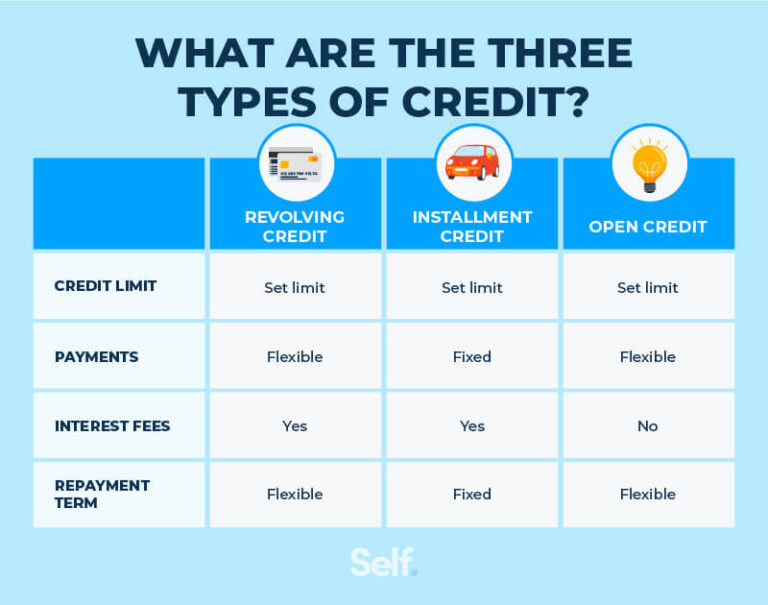
Car Loans: Secured, Installment Debt
A car loan is a type of installment debt. This means you borrow a fixed amount of money and agree to repay it over a set period, typically 3 to 7 years, through regular, fixed monthly payments. Each payment usually includes a portion of the principal balance and interest.
Crucially, car loans are secured debt. The vehicle itself serves as collateral. If you fail to make your payments, the lender has the legal right to repossess your car to recover their losses. This collateral is what makes car loans less risky for lenders, often resulting in lower interest rates compared to unsecured debt.
Credit Cards: Unsecured, Revolving Debt
Credit cards, on the other hand, represent unsecured, revolving debt. Unsecured means there is no collateral backing the loan. If you default, the credit card company cannot seize an asset like a car or house to recoup their money. This inherent higher risk for the lender is a primary reason credit card interest rates (APRs) are generally much higher than car loan rates.
Revolving debt means you have a credit limit, and you can borrow, repay, and re-borrow funds up to that limit. There isn’t a fixed repayment schedule to pay off the entire balance by a certain date; instead, you make minimum monthly payments, and interest is charged on the outstanding balance.
These core differences – secured vs. unsecured, installment vs. revolving – are vital to understanding why a direct balance transfer from a car loan to a credit card isn’t a standard financial product.
The Core Question: Is a Direct Balance Transfer Possible?
Let’s address the elephant in the room directly: No, you generally cannot perform a direct balance transfer of a car loan to a credit card in the same way you would transfer debt from one credit card to another.
A traditional balance transfer involves moving a debt from one credit account to another, usually to take advantage of a lower interest rate, often a 0% introductory APR. This process is specifically designed for unsecured credit card debt. Car loans are secured, installment loans, and their structure doesn’t fit the typical balance transfer mechanism offered by credit card companies.
Credit card companies are not set up to take on a secured loan as an unsecured balance. They would lose the collateral that makes the car loan safer for the original lender.
The "Indirect" Methods: Workarounds and Their Perils
While a direct transfer is a non-starter, some individuals explore indirect methods or workarounds to try and achieve a similar outcome. It’s imperative to understand that these strategies come with significant drawbacks and are often far riskier than they might appear.
Method 1: The Cash Advance "Balance Transfer" Myth
This is perhaps the most common misunderstanding. People might believe they can use a balance transfer credit card, specifically its cash advance feature or convenience checks, to pay off their car loan.
Here’s how this indirect method might be attempted:
- Using a Convenience Check: Some credit card companies send out convenience checks that draw from your credit line. The idea is to write a check to yourself, deposit it into your bank account, and then use those funds to pay off your car loan.
- Direct Cash Advance: You could also get a cash advance directly from your credit card at an ATM or bank, deposit the money, and then pay off your car loan.
The Crucial Distinction and Major Pitfall: This is NOT a balance transfer in the traditional sense. When you use a convenience check or take a cash advance, you are typically subjected to different, and much less favorable, terms than a standard balance transfer offer.
- Immediate, High Interest Rates: Unlike promotional 0% APR offers on balance transfers, cash advances usually do not come with an introductory 0% APR. Interest begins accruing immediately from the day you take the cash advance, often at a significantly higher rate than your regular purchase APR.
- Cash Advance Fees: Expect to pay a hefty fee for the privilege, typically ranging from 3% to 5% of the advanced amount. This fee is added to your balance right away, increasing your debt from day one.
Based on my experience, many consumers mistakenly believe that the 0% intro APR advertised for balance transfers also applies to cash advances. This is a critical error that can lead to accumulating debt much faster than anticipated. Always read the fine print carefully, as cash advance terms are almost universally less favorable.
Method 2: Leveraging a 0% APR Purchase Card (Indirect Cash Flow Management)
This method isn’t about transferring the car loan itself, but rather about freeing up cash flow that can then be directed towards the car loan.
- How it works: If you have excellent credit, you might qualify for a credit card offering a 0% introductory APR on purchases for an extended period (e.g., 12-18 months). The strategy here is to use this new card for all your regular monthly expenses (groceries, utilities, gas, etc.) that you would normally pay with cash or your debit card.
- Freeing up cash: By putting these everyday expenses on the 0% APR purchase card, you effectively free up the cash you would have spent. This freed-up cash can then be used to make extra payments on your car loan, or even pay it off entirely if the amount is small enough.
Crucial Caveat: This strategy requires immense discipline. You must be absolutely committed to paying off the entire balance on the 0% APR purchase card before the introductory period ends. If you don’t, you’ll be hit with retroactive interest, potentially on the entire original purchase amount, which can be crippling. This is a cash flow management tactic, not a debt transfer.
Method 3: Personal Loan (A More Viable Alternative, Not a Credit Card Transfer)
While not a credit card balance transfer, a personal loan is sometimes considered in similar situations. If your goal is to reduce your interest rate or consolidate debt, a personal loan can be a more suitable option than trying to use a credit card. We’ll discuss this further in the alternatives section.
Why Would Someone Even Consider This (Despite the Challenges)?
Despite the significant hurdles and risks, the idea of balance transferring a car loan to a credit card persists. From what I’ve observed in the financial landscape, people usually consider this for a few key reasons:
- High Car Loan Interest Rate: If their current car loan has a very high interest rate, they might be desperate to find a lower-cost alternative. The allure of a 0% APR on a credit card (even if it doesn’t apply to cash advances) can be very strong.
- Desire for Simplicity/Consolidation: Juggling multiple debts can be stressful. The thought of consolidating a car loan onto a credit card, especially if they have other credit card debt, might seem like a way to simplify payments.
- Temporary Financial Relief: In times of financial strain, some might look for any avenue to reduce immediate monthly outflows. A (misguided) belief that a credit card could offer a temporary payment holiday or lower payments fuels this consideration.
- Misunderstanding of Balance Transfers: As highlighted earlier, a lack of clear understanding about how balance transfers and cash advances work is a primary driver for people exploring this path.
While these motivations are understandable, the proposed solution often introduces more problems than it solves.
The Major Pitfalls and Risks of Attempting This
Attempting to pay off a car loan with a credit card, especially via a cash advance, carries substantial financial risks. It’s crucial to be aware of these dangers before taking any action.
1. Exorbitant Cash Advance Fees
As mentioned, cash advances are almost always accompanied by a fee, typically 3% to 5% of the amount advanced. If you’re trying to pay off a $15,000 car loan, a 5% fee means an additional $750 is added to your credit card balance immediately, without providing any financial benefit. This upfront cost significantly increases your debt burden.
2. Immediate, High Interest Rates
This is perhaps the most critical pitfall. Cash advances rarely, if ever, qualify for the 0% introductory APR offers advertised for balance transfers or purchases. Interest starts accruing immediately from the transaction date, and the cash advance APR is often higher than your regular purchase APR. You could be looking at rates of 25% or even higher, which will cause your debt to balloon rapidly.
3. Loss of Secured Debt Status
Your car loan is secured debt, meaning the car acts as collateral. If you pay off your car loan with a credit card, you convert that secured debt into unsecured debt. While this might sound appealing at first glance (no collateral to lose), it also means you’ve lost a significant advantage: typically lower interest rates and a structured repayment plan. Moreover, if you default on the credit card, you still lose your creditworthiness, and the debt collectors will be after you, just without the option of repossessing your vehicle.
4. Impact on Your Credit Score
Using a large portion of your available credit limit for a cash advance will dramatically increase your credit utilization ratio. This ratio (total credit used divided by total available credit) is a major factor in your credit score. A high utilization ratio signals higher risk to lenders and can cause a significant drop in your score. This drop could then make it harder to qualify for other loans or credit cards with favorable terms in the future.
5. The Revolving Debt Trap
Car loans have a finite end date. You know exactly when you’ll be debt-free. Credit card debt, being revolving, can become a perpetual cycle if you only make minimum payments. Without a structured repayment plan like a car loan, it’s easy to fall into the trap of only paying interest, never truly reducing the principal balance. The high interest rates on cash advances exacerbate this problem, making it incredibly difficult to pay down the balance.
6. No Payment Holiday or Lower Payments
Contrary to popular belief, a cash advance does not offer a payment holiday. Interest accrues immediately, and you’ll have a new, potentially much higher, minimum payment on your credit card. This could put you in a worse financial position than you started, especially if your car loan payments were manageable.
Common mistakes to avoid are thinking that using a credit card for a car loan means a lower overall cost or easier repayment. In nearly all scenarios, it introduces more fees, higher interest, and a more precarious financial situation.
When Might This "Indirect" Strategy Be Considered? (Very Limited Scenarios)
In almost all cases, attempting to pay a car loan with a credit card is ill-advised. However, there might be extremely rare and specific scenarios where the indirect strategy (using a 0% APR purchase card to free up cash) could be considered, though even then, with extreme caution.
- For a Very Small Remaining Car Loan Balance: If you have only a few hundred dollars left on your car loan, and you can truly pay off the credit card purchase balance in full before the 0% APR period ends, it might be a way to consolidate other small expenses and quickly close out the car loan. This is rare.
- Immediate Access to Funds to Pay Off the Cash Advance: If, for some reason, you need to clear the car loan immediately (e.g., to sell the car quickly and the lien holder needs to be paid off) and you know you will receive a large sum of money (like a bonus or tax refund) within a few days to immediately pay off the cash advance before significant interest accrues, it could be a short-term bridge. Even then, the fees alone make it questionable.
Pro tips from us: This strategy is akin to using a band-aid on a gaping wound; it’s rarely a long-term solution and often creates more severe problems. For the vast majority of people, the risks far outweigh any potential, fleeting benefits.
Safer and More Effective Alternatives to Consider
Instead of attempting a risky and often detrimental credit card transfer, there are several far more effective and financially sound strategies for managing or reducing your car loan debt.
1. Refinance Your Car Loan
This is often the most recommended and direct alternative. Refinancing involves taking out a new car loan, usually with a different lender, to pay off your existing one.
- Benefits: You might secure a lower interest rate, which can significantly reduce your monthly payments and the total amount of interest paid over the life of the loan. You could also extend the loan term to lower monthly payments, though this means paying more interest overall.
- Requirements: You’ll typically need a good credit score to qualify for the best rates. Your car’s value should also be greater than or equal to the loan amount.
- Process: Shop around with multiple lenders (banks, credit unions, online lenders) to compare rates.
2. Apply for a Personal Loan
A personal loan is an unsecured loan that you can use for almost any purpose, including paying off your car loan.
- Benefits: Personal loans typically have fixed interest rates and fixed repayment terms, providing predictability. If you have excellent credit, you might qualify for a lower interest rate than your current car loan, especially if your car loan’s rate is high. It converts secured debt to unsecured, but unlike a cash advance, personal loans are designed for this type of consolidation and often come with more favorable rates and no immediate fees (though origination fees can apply).
- Considerations: Your interest rate will depend heavily on your creditworthiness. Ensure the personal loan rate is genuinely lower than your car loan rate and factor in any origination fees.
For more insights on managing debt, check out our guide on to see if a personal loan fits your needs.
3. Debt Consolidation Loan
Similar to a personal loan, a debt consolidation loan is specifically designed to combine multiple debts into a single, new loan.
- Benefits: Simplifies payments and can potentially lower your overall interest rate if your existing debts (including a car loan, if eligible) have higher rates.
- Considerations: Like personal loans, the interest rate is credit-dependent. It’s crucial to ensure the new loan’s terms are better than your current combined debts.
4. Home Equity Loan or Home Equity Line of Credit (HELOC)
If you own a home and have significant equity, a home equity loan or HELOC could offer very low interest rates because your home serves as collateral.
- Benefits: Typically the lowest interest rates due to being secured by your home.
- Major Risk: This puts your home at risk. If you default on payments, your lender could foreclose on your house. This is a very serious consideration and generally not recommended for a car loan unless you have a very stable financial situation and are confident in repayment.
5. Negotiate with Your Current Lender
Sometimes, if you’re facing financial hardship, your current car loan lender might be willing to work with you.
- Options: They might offer a temporary deferment of payments, a modified payment plan, or even a lower interest rate if you can demonstrate genuine need.
- How to approach: Be proactive. Contact them before you miss any payments and explain your situation clearly.
6. Aggressive Budgeting and Extra Payments
The simplest, yet often most challenging, method is to create a strict budget and find ways to make extra payments on your car loan.
- Strategy: Cut unnecessary expenses, find additional income streams, and direct all extra funds towards the principal of your car loan. Even small extra payments can significantly reduce the total interest paid and shorten the loan term.
7. Sell the Car
If your financial situation is truly dire and the car loan is a major burden, selling the car might be a last resort.
- Considerations: You’ll need to pay off the remaining loan balance with the sale proceeds. If you owe more than the car is worth (you’re "upside down" or "underwater"), you’ll need to cover the difference out of pocket.
Steps to Take Before Making Any Financial Decision
Before committing to any strategy, especially one involving debt, it’s paramount to do your homework and seek professional guidance.
1. Assess Your Entire Financial Situation
Create a detailed budget that outlines all your income and expenses. Understand your current debt load, including interest rates and minimum payments for all your loans and credit cards. Know your credit score. This holistic view is crucial for making informed decisions.
2. Calculate All Costs Thoroughly
For any potential solution, calculate the total cost, including fees, interest over the full term, and any other charges. Don’t just look at the monthly payment; look at the big picture. Use online calculators to compare different scenarios.
3. Read the Fine Print – Every Single Word
This cannot be stressed enough, especially with credit card offers. Understand the terms and conditions for balance transfers, cash advances, introductory APRs, default APRs, and any associated fees. A seemingly small detail can have a massive financial impact.
4. Consult a Financial Advisor
Based on my years of observing financial trends, consulting an unbiased financial expert is always prudent. A certified financial planner or credit counselor can provide personalized advice tailored to your unique situation, helping you weigh the pros and cons of different options and avoid costly mistakes. They can help you see solutions you might not have considered.
Conclusion: Exercise Caution and Explore Smart Alternatives
The idea of balance transferring a car loan to a credit card might seem like an appealing shortcut to lower interest or simplified payments. However, as this comprehensive guide has detailed, a direct transfer is generally not possible, and the indirect methods, primarily cash advances, come with significant fees, immediate high interest rates, and the risk of turning secured debt into an unsecured, revolving trap.
Rather than pursuing a risky and often detrimental path, focus on the safer, more structured, and proven alternatives. Refinancing your car loan, exploring personal loans, or diligently budgeting to make extra payments are far more effective strategies for managing your automotive debt and improving your overall financial health.
Always remember: informed decisions are empowered decisions. Take the time to understand your options, calculate the costs, and, when in doubt, seek professional advice. Your financial future will thank you for it.
What are your experiences or thoughts on managing car loan debt? Share your insights in the comments below! We’d love to hear from you.
External Link: For more information on managing your auto loan and understanding your rights, visit the Consumer Financial Protection Bureau (CFPB) website: https://www.consumerfinance.gov/
Internal Link: To learn more about improving your credit score, which is key for better loan terms, read our article: .