Can You Get a Car Loan Without a Driver’s License? Your Comprehensive Guide
Can You Get a Car Loan Without a Driver’s License? Your Comprehensive Guide Carloan.Guidemechanic.com
The open road, the freedom of movement, the convenience of personal transportation – a car represents all of these things for many. But what if you need a car, or want to purchase one, yet you don’t possess a valid driver’s license? This is a question that often surfaces, shrouded in misconceptions and uncertainty. As an expert in automotive finance, I’ve seen countless unique situations, and I can tell you that the answer isn’t a simple yes or no.
Based on my extensive experience, securing a car loan without a driver’s license is challenging, but certainly not impossible. It requires a clear understanding of lender requirements, creative problem-solving, and a readiness to provide alternative forms of identification and proof of financial stability. This comprehensive guide will unravel the complexities, offering you a clear roadmap to navigate this specific financial journey. Our ultimate goal is to provide you with the knowledge and strategies to confidently approach lenders, even without a driver’s license in hand.
Can You Get a Car Loan Without a Driver’s License? Your Comprehensive Guide
The Core Question: Is It Truly Possible to Get a Car Loan Without a Driver’s License?
Let’s address the elephant in the room directly: Can you get a car loan without a driver’s license? The straightforward answer is yes, it is often possible, but with significant caveats and additional hurdles. Most lenders primarily care about your ability to repay the loan and your identity, not necessarily your ability to drive the vehicle yourself.
However, a driver’s license is frequently used by lenders as a primary form of identification. It’s a widely accepted document that verifies your name, address, and often your signature. When this key piece of identification is missing, lenders become more cautious, necessitating a more robust application on your part. This isn’t about discriminating against non-drivers; it’s about managing risk and verifying identity through established protocols.
From a lender’s perspective, they need to ensure you are who you say you are. They also need to know that the vehicle will be insured and properly registered. While you don’t need a license to own a car, you absolutely need insurance to register it in most places, and someone with a valid license will need to be listed as the primary driver on that policy. This distinction between ownership and driving is critical to understand.
Why Would Someone Need a Car Loan Without a Driver’s License?
It might seem counterintuitive to finance a car if you can’t legally drive it. However, there are numerous legitimate and common scenarios where this situation arises. Understanding these reasons can help you explain your circumstances clearly to a lender, which can be a significant advantage.
One frequent scenario involves individuals purchasing a vehicle for a family member who does have a license. Perhaps an elderly parent needs transportation, or a dependent child requires a car for work or school, but their credit history isn’t strong enough to secure a loan independently. In such cases, the non-driving applicant might be the primary borrower, while the licensed family member is the primary driver.
Another common situation involves international residents or new immigrants. They might have recently moved to a new country, possess a foreign driver’s license that isn’t yet recognized locally, or are in the process of obtaining a local license. During this interim period, they still need reliable transportation for work, family, or daily errands. A car loan without a local driver’s license allows them to establish a credit history and secure a vehicle.
Furthermore, some individuals might have lost their driving privileges due to medical reasons, age, or a suspended license, but still require a car for non-driving purposes. This could include using it for ride-sharing services (with a licensed driver), as a static storage unit, or for business purposes where the vehicle is driven by an employee. Lastly, some people simply don’t drive but need a vehicle for a licensed family member or caregiver, preferring to own it themselves for financial or logistical reasons.
Pro tip from us: When approaching a lender, be completely transparent about your reasons for needing a car loan without a driver’s license. Explain your specific situation clearly and concisely. This honesty builds trust and allows them to explore suitable financing options rather than making assumptions.
Beyond the License: Essential Requirements for Your Car Loan Application
While a driver’s license is often the preferred form of identification, its absence doesn’t mean your application is dead in the water. Lenders will shift their focus to other critical aspects of your financial profile. These requirements are paramount for securing any car loan, but they become even more scrutinized when you lack a driver’s license.
1. Proof of Identity (Alternative IDs)
Since a driver’s license isn’t an option, you’ll need to provide robust alternative forms of identification. Lenders need to verify who you are to prevent fraud and comply with federal regulations. Having multiple forms of ID is always better than just one.
- State-Issued Non-Driver ID Card: This is perhaps the most straightforward alternative. Many states offer an official identification card for residents who do not drive. It serves the same purpose as a driver’s license for identity verification but doesn’t grant driving privileges. This document is highly accepted by most financial institutions.
- Passport: A valid passport is an internationally recognized form of identification. For U.S. citizens, a U.S. passport is an excellent primary ID. For international residents, their home country’s passport, coupled with valid visa documents or proof of residency (like a Green Card), can be highly effective.
- Foreign Government-Issued ID: In some cases, a foreign government-issued ID card or a Matricula Consular (a consular identification card issued by the Mexican government through its consulates in the United States) may be accepted, especially by lenders specializing in immigrant communities. However, these often need to be accompanied by additional documentation.
- Other Official Documents: Birth certificates (often with a secondary photo ID), social security cards, or even military IDs can serve as supporting documents, though they are rarely accepted as standalone primary identification for a loan.
Pro tip: Always bring at least two, preferably three, forms of identification. One should ideally be a government-issued photo ID (like a passport or state ID), and another to confirm your Social Security Number if you have one.
2. Proof of Income
This is arguably the most crucial requirement for any loan, regardless of whether you have a driver’s license. Lenders need to be confident that you have a steady and sufficient income to make your monthly car loan payments. Without proof of income, it’s nearly impossible to get approved.
You’ll typically need to provide recent pay stubs (usually the last two or three months), W-2 forms from previous years, or tax returns if you’re self-employed. Bank statements showing consistent deposits can also support your income claims. For self-employed individuals, a detailed profit and loss statement, along with bank statements, will be essential. Lenders will assess your debt-to-income ratio, ensuring that your existing debts, plus the new car payment, don’t exceed a comfortable percentage of your gross income.
Common mistakes to avoid here include not having up-to-date documentation or misrepresenting your income. Lenders will verify this information, and any discrepancies can lead to immediate rejection.
3. Proof of Residency
Lenders need to confirm your physical address. This helps them with identity verification and also determines their ability to contact you if necessary. Proof of residency is usually straightforward to provide.
Acceptable documents often include recent utility bills (electricity, gas, water), a current lease agreement, mortgage statements, or official bank statements mailed to your address. The key is that the document should be recent (within the last 30-60 days) and clearly show your name and current address. For those who have recently moved, an official change of address from the post office or a new lease agreement can be helpful.
4. Good Credit History (or a Plan for Bad/No Credit)
Your credit score and history are powerful indicators of your financial responsibility. A strong credit profile tells lenders that you have a history of borrowing money and paying it back on time. This is particularly important when you’re missing a common ID like a driver’s license, as lenders will lean more heavily on other factors to assess your risk.
If you have excellent credit, you’re in a much stronger position. Lenders will see you as a reliable borrower, which can offset the perceived risk of not having a driver’s license. If your credit is fair or poor, or if you have no credit history at all, securing a car loan without a driver’s license becomes significantly more challenging. In such cases, you might need to explore strategies like a co-signer or a larger down payment, which we’ll discuss shortly.
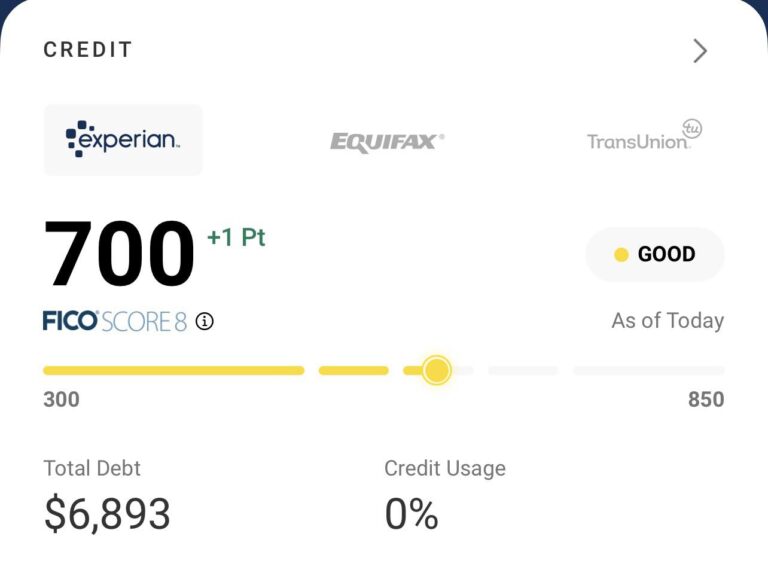
Pro tips from us: Before applying for any loan, obtain a copy of your credit report from all three major credit bureaus (Experian, Equifax, and TransUnion). Review it for any errors and understand your score. You can get a free report annually from each bureau at AnnualCreditReport.com. (External link to: https://www.annualcreditreport.com/index.action)
Effective Strategies to Secure a Car Loan Without Driving Privileges
Even with all your documentation in order, the absence of a driver’s license can still make lenders hesitant. Fortunately, there are several proven strategies that can significantly improve your chances of approval. These methods address the lender’s primary concerns: risk mitigation and repayment assurance.
1. Enlist a Co-Signer
Having a co-signer is one of the most effective ways to secure a car loan, especially when you have a less-than-ideal application profile, which includes not having a driver’s license. A co-signer is someone with excellent credit and a stable financial history who agrees to be equally responsible for the loan.
If you default on the payments, the co-signer is legally obligated to pay. This significantly reduces the risk for the lender, as they now have two individuals they can pursue for repayment. A strong co-signer can often be the difference between approval and rejection, and may even help you secure a better interest rate.
Pro tips from us: Choose a co-signer who has an excellent credit score, a long credit history, and a low debt-to-income ratio. Ensure both you and your co-signer fully understand the responsibilities and risks involved. A common mistake is to pick a co-signer who themselves has a shaky credit history, which won’t help your application.
2. Make a Larger Down Payment
A substantial down payment can work wonders for your car loan application. When you put down a significant portion of the car’s purchase price, you reduce the amount you need to borrow, which in turn reduces the lender’s risk.
A larger down payment also signals to the lender that you are serious about the purchase and have a vested interest in keeping up with payments. It shows financial stability and commitment. Furthermore, it helps to offset the rapid depreciation of a new car, meaning you’ll have more equity in the vehicle from day one. This makes the loan more attractive to lenders, as they are less likely to be "upside down" on the loan (where the car is worth less than the outstanding loan balance).
3. Explore "Buy Here Pay Here" Dealerships
"Buy Here Pay Here" (BHPH) dealerships are an option for individuals who struggle to get approved through traditional lenders. These dealerships act as both the seller and the lender, financing the car directly. Their approval processes are often much more lenient, focusing primarily on your income rather than your credit score or even the presence of a driver’s license.
However, there’s a significant trade-off. BHPH dealerships typically charge much higher interest rates, and the vehicles they offer might be older, have higher mileage, or come with limited warranties. While they can provide a solution for those with few other options, it’s crucial to understand the long-term financial implications and ensure you can comfortably afford the payments.
Common mistakes people make with BHPH dealerships include not reading the fine print, accepting exorbitant interest rates without understanding the total cost, and not getting the vehicle inspected by an independent mechanic before purchase.
4. Target Credit Unions and Local Banks
Unlike large national banks, local credit unions and community banks often have more flexible lending criteria and a more personalized approach. They are member-focused institutions and might be more willing to work with applicants who have unique circumstances, such as not having a driver’s license, especially if you have an established relationship with them.
Building a banking relationship with a local credit union before applying for a loan can be beneficial. They might be more understanding of your specific situation and willing to look beyond standard checkboxes. Our expertise in automotive finance has shown that these smaller institutions often offer better terms than larger banks for non-traditional loan applications.
5. Consider Buying for Someone Else (Who Has a License)
If the ultimate goal is to provide transportation for someone who does have a driver’s license, you might consider structuring the loan with that person as the primary borrower, and you as a co-signer (or vice-versa, depending on credit scores). This simplifies the process considerably, as the primary borrower meets the driving license requirement.
However, be aware of the legal and insurance implications. The primary borrower will be responsible for the loan, and their name will likely appear on the title. The car insurance will also need to be in their name (or include them as a primary driver). We have a dedicated article on our blog, "Buying a Car for Someone Else: What You Need to Know," that delves deeper into this complex topic. (Internal link to: )
Navigating Car Insurance When You Don’t Drive
Even if you don’t have a driver’s license, securing car insurance is a non-negotiable step if you’re purchasing a vehicle. In almost every state, you cannot register a car without proof of insurance. Lenders also require proof of full coverage insurance (collision and comprehensive) to protect their investment in the vehicle.
The key here is that while you own the car, someone with a valid driver’s license must be listed as the primary driver on the insurance policy. This person is the one who will legally operate the vehicle. If you’re buying the car for a family member, they will be the primary driver. If you’re purchasing it for business purposes, an employee with a valid license would be listed.
Insurance companies will assess the risk based on the primary driver’s driving history, age, and location. Your lack of a driver’s license doesn’t typically impact the insurance premium directly, as you won’t be driving the vehicle. However, the presence of a licensed driver is essential for the policy to be valid.
Pro tip: Get insurance quotes before finalizing your car loan. Understand the cost and requirements, as this is a significant ongoing expense that lenders will factor into your affordability assessment. Ensure the named insured on the policy matches the registered owner of the vehicle.
Your Step-by-Step Guide to Applying for a Car Loan Sans License
Applying for a car loan without a driver’s license requires meticulous preparation and a strategic approach. Follow these steps to maximize your chances of approval:
- Gather All Necessary Documents: Compile all your alternative IDs (state ID, passport, etc.), proof of income (pay stubs, tax returns), and proof of residency (utility bills, lease agreement). Have these organized and ready to present.
- Check Your Credit Report: Obtain your free credit reports from Experian, Equifax, and TransUnion. Review them thoroughly for accuracy and identify any areas you might need to address. Understanding your credit score is the first step in knowing where you stand.
- Explore Lender Options: Don’t just walk into the first dealership you see. Research lenders who might be more flexible. This includes local credit unions, community banks, and potentially online lenders specializing in non-traditional applications. Be prepared to explain your situation clearly.
- Secure a Co-Signer (If Applicable): If you plan to use a co-signer, ensure they are fully on board and understand their responsibilities. Have their financial information and documents ready as well.
- Be Honest and Transparent: When you speak with lenders, clearly explain that you do not have a driver’s license but have alternative identification and a plan for the vehicle (e.g., a licensed family member will drive it, or you have a state ID). Transparency builds trust.
- Negotiate Terms: Once you receive an offer, don’t be afraid to negotiate the interest rate, loan term, and any fees. Our expertise suggests that even without a driver’s license, a strong overall application can still command competitive terms. Understanding car loan interest rates is crucial for this step. (Internal link to:
) - Secure Insurance First: Obtain an insurance policy with a licensed driver listed before you finalize the loan. You’ll need this proof for registration and the lender will require it.
Common Pitfalls and Expert Advice to Sidestep Them
Navigating the car loan process without a driver’s license can be fraught with potential missteps. Based on my experience, avoiding these common pitfalls can save you time, money, and frustration.
- Ignoring the Fine Print: This is critical for any loan, but especially for those with unique circumstances. Don’t rush through the loan agreement. Understand the interest rate, repayment schedule, all fees, and any clauses related to default. If you don’t understand something, ask for clarification.
- Not Comparing Offers: It’s tempting to accept the first loan offer you receive, especially if you’ve been rejected elsewhere. However, failing to compare offers from multiple lenders can cost you thousands of dollars in higher interest rates over the life of the loan. Shop around diligently.
- Hiding Information from Lenders: Trying to conceal the fact that you don’t have a driver’s license, or providing incomplete documentation, will ultimately backfire. Lenders perform due diligence, and any dishonesty will lead to an immediate rejection and damage your credibility for future applications.
- Falling for Predatory Loans: Be wary of lenders promising guaranteed approval with no questions asked, especially if they demand excessive upfront fees or offer outrageously high interest rates. These are often predatory lenders targeting vulnerable applicants. Stick to reputable financial institutions.
- Not Understanding Insurance Implications: Assuming you can just buy the car and figure out insurance later is a significant mistake. Without a licensed driver on the policy, you won’t be able to register the car, and the lender will not release the funds. Clarify insurance details early in the process.
Conclusion: Your Road Ahead
Getting a car loan without a driver’s license is undeniably a more complex process than a standard application. It demands thorough preparation, an understanding of alternative requirements, and a proactive approach to addressing lender concerns. However, as this comprehensive guide has detailed, it is far from an impossible feat.
By focusing on providing strong alternative identification, demonstrating a robust financial profile with stable income and a good credit history (or a viable co-signer), and being transparent about your situation, you significantly increase your chances of approval. Remember, lenders are primarily concerned with your ability to repay the loan and verify your identity, not necessarily your ability to drive the vehicle yourself.
With the right strategy, patience, and attention to detail, you can navigate this unique path and successfully secure the car loan you need. Whether it’s for a family member, for business, or due to personal circumstances, the dream of car ownership can still become a reality. Don’t let the absence of a driver’s license deter you; empower yourself with knowledge and move forward with confidence.
Do you have experience getting a car loan without a driver’s license? Share your journey and insights in the comments below – your story could help others on a similar path!