Can You Have More Than One Car Loan? Your Expert Guide to Navigating Multiple Auto Loans
Can You Have More Than One Car Loan? Your Expert Guide to Navigating Multiple Auto Loans Carloan.Guidemechanic.com
Many people dream of owning a second vehicle, whether it’s for a growing family, a work commute, or simply a fun weekend ride. But a common question that often arises is: "Can you have more than one car loan?" The short answer is yes, it’s absolutely possible to have multiple car loans simultaneously. However, securing that second (or even third) auto loan isn’t as straightforward as getting your first.
As an expert in vehicle financing, I can tell you that while the possibility exists, it hinges on a complex interplay of your financial health, creditworthiness, and a lender’s risk assessment. This isn’t just about wanting another car; it’s about demonstrating your capacity to manage increased financial responsibility. In this comprehensive guide, we’ll dive deep into the intricacies of obtaining and managing multiple car loans, providing you with the knowledge and strategies you need to make informed decisions and boost your chances of approval. Get ready to unlock the secrets to expanding your garage, responsibly and strategically.
Can You Have More Than One Car Loan? Your Expert Guide to Navigating Multiple Auto Loans
The Possibility: Yes, You Can Have More Than One Car Loan, But With Nuances
The idea that you’re limited to just one car loan is a common misconception. Lenders don’t necessarily cap the number of auto loans you can hold. Instead, their primary concern is your ability to repay all your outstanding debts, including any new loans you take on. They assess your overall financial picture, not just the count of your existing car loans.
Think of it this way: a lender’s job is to evaluate risk. If you have a solid financial foundation, a stable income, and a history of responsible borrowing, they are more likely to approve you for a second car loan. Conversely, if your finances are already stretched thin, or your payment history is spotty, securing additional financing will be a significant challenge. It’s a testament to your financial discipline and capacity.
Key Factors Lenders Consider for a Second Car Loan: A Deep Dive
When you apply for an additional car loan, lenders will scrutinize several critical aspects of your financial profile. These aren’t just checkboxes; they are indicators of your financial stability and reliability. Understanding these factors is the first step toward improving your chances of approval.
Your Credit Score: The Ultimate Financial Report Card
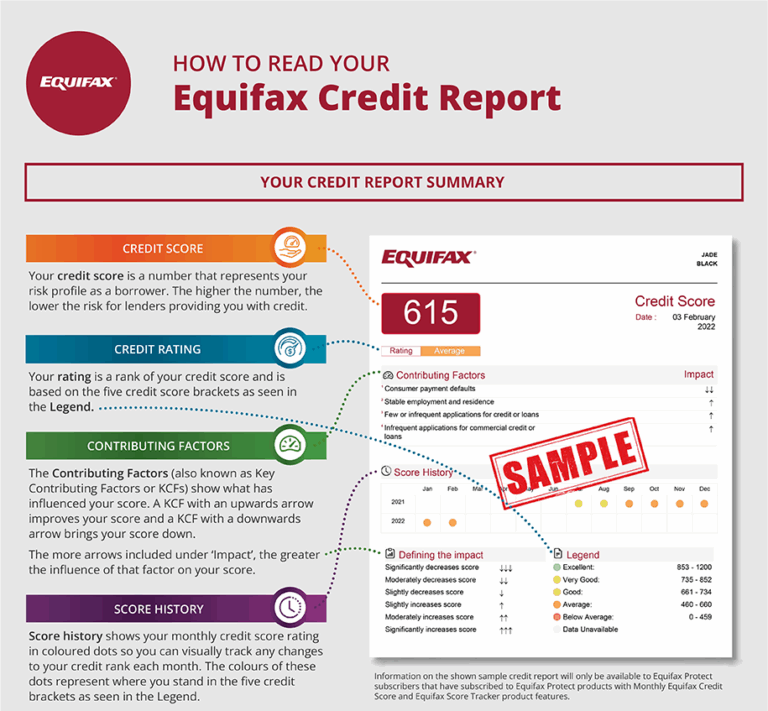
Your credit score is arguably the most influential factor in any loan application. It’s a three-digit number that summarizes your entire credit history, reflecting how reliably you’ve managed debt in the past. When seeking a second car loan, an excellent or very good credit score (typically 700+) is paramount.
A high credit score signals to lenders that you are a low-risk borrower. It suggests you pay your bills on time, manage your credit responsibly, and are unlikely to default on a new loan. Conversely, a lower credit score will make lenders hesitant, as it indicates a higher risk of non-payment. While applying for a new loan might temporarily cause a slight dip in your score due to a "hard inquiry," consistent on-time payments on your existing loans can actually improve your credit over time, demonstrating your ability to handle credit responsibly. Based on my experience, lenders will look not just at the score, but also the length and depth of your credit history, and how well you’ve managed your existing auto loan.
Pro Tip from Us: Before you even think about applying for a second car loan, get a copy of your credit report from all three major bureaus (Equifax, Experian, TransUnion). Review it meticulously for any errors and address them. Knowing your score and report details empowers you to understand where you stand and what you might need to improve.
Debt-to-Income (DTI) Ratio: Your Financial Balancing Act
Your Debt-to-Income (DTI) ratio is a crucial metric that lenders use to assess your ability to manage monthly payments. It’s calculated by dividing your total monthly debt payments by your gross monthly income. For example, if your total monthly debt payments (including your current car loan, mortgage/rent, credit card minimums, student loans, etc.) are $1,500 and your gross monthly income is $5,000, your DTI would be 30% ($1,500 / $5,000).
Lenders typically prefer a DTI ratio of 36% or lower, though some may go up to 43% for well-qualified applicants. When you add a second car loan, your monthly debt payments will increase, directly impacting your DTI. If your existing DTI is already high, adding another significant monthly payment could push it into an unacceptable range, leading to a loan denial. This is why having a stable income that comfortably supports all your financial obligations is absolutely critical.
Common Mistakes to Avoid: Many applicants overlook their DTI before applying, only to be surprised by a rejection. It’s not enough to feel like you can afford it; the numbers must objectively demonstrate your capacity to a lender. Accurately calculating your DTI beforehand gives you a realistic picture of your borrowing power.
Income Stability and Employment History: A Foundation of Trust
Lenders want assurance that you have a consistent and reliable source of income to make your monthly payments. This isn’t just about how much you earn, but also the stability of that income. They will typically request proof of income, such as recent pay stubs, tax returns, or bank statements, to verify your earnings.
A long and stable employment history with the same employer or within the same industry is a significant positive. It signals job security and a predictable income stream. Frequent job changes, especially those involving significant pay cuts or periods of unemployment, can raise red flags for lenders, making them question your long-term ability to repay multiple loans. Lenders prefer applicants who demonstrate a steady financial footing.
Payment History on Existing Debts: Your Track Record Speaks Volumes
Your track record of paying all your existing debts – not just your first car loan, but also credit cards, mortgages, student loans, and personal loans – is incredibly important. Lenders will thoroughly review your payment history on your credit report. A consistent history of on-time payments across all your obligations is a strong indicator of financial responsibility.
Conversely, a history of late payments, missed payments, or defaults on any debt will severely damage your chances of approval for a second car loan. It tells lenders that you may struggle to manage your current responsibilities, let alone take on new ones. Based on my experience, a perfect payment history on your first car loan is particularly impactful. It shows you can handle the specific type of debt you’re asking for more of.
Down Payment: Reducing Lender Risk and Your Loan Amount
Making a substantial down payment on your second vehicle can significantly improve your chances of loan approval. A larger down payment reduces the amount you need to borrow, which in turn lowers your monthly payments and decreases the overall risk for the lender. It demonstrates your financial commitment and reduces the loan-to-value (LTV) ratio, making the loan more attractive.
For example, if you’re buying a $30,000 car and put down $5,000, you’re borrowing $25,000. If you put down $10,000, you’re only borrowing $20,000. The lower the loan amount, the less risk for the lender, and the more favorable terms you might receive. A significant down payment also shows that you have savings and are not entirely reliant on borrowed money.
Scenarios Where a Second Car Loan Makes Sense (and Where it Doesn’t)
While having multiple car loans is possible, it’s crucial to assess why you need a second vehicle and whether it aligns with your financial goals. Not all reasons are created equal.
Good Reasons to Consider a Second Car Loan: Practicality and Purpose
There are many legitimate and practical reasons why individuals or families might need an additional vehicle, justifying the extra financial commitment:
- Family Needs: A growing family might require a larger vehicle (like an SUV or minivan) in addition to a smaller sedan for daily commutes. Or, if both partners need a car for work or school, a second vehicle becomes a necessity rather than a luxury.
- Work Vehicle: Some professions require a specific type of vehicle, or perhaps a separate work vehicle to keep personal mileage low. This could be a truck for a tradesperson, a van for deliveries, or a reliable commuter for extensive travel.
- Replacement of a Failing Vehicle: If your current car is constantly breaking down and costing a fortune in repairs, getting a second, more reliable vehicle might actually be a financially sound decision in the long run, even if it means two loans for a temporary period until the first is sold.
- Specific Utility: Perhaps you need a vehicle with specific capabilities, like a truck for towing a boat or trailer, or a convertible for weekend leisure, while still needing your primary vehicle for daily tasks.
Pro Tip from Us: Clearly define your "why" before you even start shopping. A clear, justifiable reason helps you stick to your budget and avoid impulse purchases that could strain your finances.
Bad Reasons / Red Flags: When to Reconsider
On the flip side, some motivations for a second car loan can be financially detrimental:
- Impulse Buy: Deciding you "just want" a new car without a clear need or a solid financial plan is a recipe for regret. This often leads to overspending and financial strain.
- Struggling with Current Payments: If you’re already finding it difficult to make payments on your first car loan or other debts, taking on another loan is a serious red flag. This path almost always leads to increased financial stress and a higher risk of default.
- Over-Leveraging: If a second car loan would push your DTI ratio to an unhealthy level, or if it would consume a disproportionate amount of your discretionary income, it’s a sign that you might be over-leveraging yourself. This can limit your ability to save, invest, or handle unexpected emergencies.
The Application Process for a Second Car Loan: What to Expect
Applying for a second car loan follows a similar process to your first, but with an added layer of scrutiny due to your existing debt. Being prepared can streamline the process and increase your chances of approval.
Preparation is Key: Gather Your Financial Toolkit
Before you even step into a dealership or contact a lender, take these crucial preparatory steps:
- Review Your Credit Report: As mentioned, pull reports from all three bureaus. Ensure accuracy and understand your credit standing.
- Calculate Your Current DTI: Use your gross monthly income and all current monthly debt payments to get a realistic DTI. Then, estimate how much a new car payment would add and recalculate your potential new DTI.
- Gather Necessary Documents: Be ready with proof of identity (driver’s license), proof of income (pay stubs, tax returns), proof of residence (utility bills), and details of your current car loan (account number, remaining balance).
Shopping Around for Lenders: Don’t Settle for the First Offer
Just like with your first car loan, it’s vital to shop around for the best rates and terms. Don’t assume your current lender will offer the best deal for a second loan.
- Banks and Credit Unions: Start with institutions where you already have accounts, as they may offer preferential rates to existing customers. Credit unions are often known for competitive rates.
- Online Lenders: Many reputable online lenders specialize in auto loans and can offer quick pre-qualification with competitive rates.
- Dealership Financing: While convenient, dealership financing sometimes has higher rates, as they may add their own fees. However, they can also have access to special manufacturer incentives.
Common Mistake to Avoid: Only checking with one lender. This can lead you to miss out on significantly better interest rates and terms. Apply for pre-qualification with a few different lenders within a short timeframe (usually 14-45 days, depending on the credit scoring model) to minimize the impact of multiple hard inquiries on your credit score.
Understanding Loan Terms: Beyond the Monthly Payment
When reviewing loan offers, look beyond just the monthly payment. Consider the following:
- Interest Rate (APR): This is the true cost of borrowing. A lower APR means less interest paid over the life of the loan.
- Loan Term: A longer loan term means lower monthly payments but typically results in more interest paid overall. A shorter term means higher payments but less interest.
- Total Cost of the Loan: Multiply your monthly payment by the number of months in the loan term, then add any fees or down payment. This gives you the full picture of what you’ll pay.
Strategies to Improve Your Chances of Approval for Multiple Car Loans
If you’re determined to get a second car loan, there are several proactive steps you can take to strengthen your application and present yourself as a low-risk borrower.
1. Improve Your Credit Score
This is foundational. A higher credit score directly correlates with better loan terms and a higher likelihood of approval.
- Pay All Bills on Time, Every Time: Payment history is the biggest factor in your credit score.
- Reduce Other Debts: Lowering your credit card balances or paying off other small loans can improve your credit utilization ratio and overall DTI.
- Check for and Dispute Errors: Regularly review your credit report for inaccuracies that could be dragging down your score.
2. Reduce Your Debt-to-Income (DTI) Ratio
Even if your credit score is good, a high DTI can be a deal-breaker.
- Pay Down Existing Debts: Prioritize paying off high-interest credit card debt or other personal loans before applying for a new car loan.
- Increase Your Income: While not always feasible in the short term, finding ways to increase your gross monthly income (e.g., a raise, a second job, freelance work) will immediately lower your DTI.
3. Make a Larger Down Payment
As discussed, a substantial down payment reduces the loan amount and the lender’s risk.
- Save Aggressively: If you have time, save up as much as possible for a down payment. Even an extra few thousand dollars can make a difference.
- Trade-in Your Existing Car (if applicable): If you’re replacing your first car with two new ones, or just upgrading, the trade-in value can serve as a down payment for the second vehicle.
4. Consider a Cosigner
If your credit or DTI isn’t strong enough on its own, a cosigner with excellent credit and a low DTI can significantly boost your application.
- Choose Wisely: A cosigner is equally responsible for the loan. If you miss payments, it affects their credit and they are legally obligated to pay.
- Understand the Risks: While helpful for approval, cosigning carries risks for both parties. Ensure both you and your cosigner fully understand the commitment.
5. Opt for a Less Expensive Vehicle
Sometimes, the simplest solution is the most effective. If you’re struggling to get approved for a second luxury car, consider a more modest option.
- Lower Loan Amount: A less expensive vehicle means a smaller loan, lower monthly payments, and a reduced impact on your DTI.
- Reduced Risk: Lenders are generally more comfortable approving loans for lower-value assets.
6. Refinance Your Existing Loan
This is a powerful strategy if your existing car loan has a high interest rate or a long term.
- Lower Monthly Payments: By refinancing to a lower interest rate or a longer term (if financially sensible), you can reduce your current monthly car payment. This frees up room in your budget and lowers your overall DTI, making you more attractive to lenders for a second loan.
- Internal Link: For more in-depth information on how this process works, read our comprehensive guide on "Refinancing Your Car Loan: When It Makes Sense and How to Do It" (Note: This is a placeholder for an internal link).
Managing Multiple Car Loans Responsibly: Crucial for Financial Health
Securing a second car loan is only half the battle. The real challenge, and where responsible financial habits truly shine, is in managing both loans without falling into financial distress.
Budgeting: Your Financial Compass
With two car loans, your monthly expenses will increase significantly. A detailed, realistic budget is no longer optional; it’s essential.
- Track All Car-Related Expenses: Beyond the loan payments, factor in insurance for both vehicles, fuel costs, maintenance, registration, and potential repairs. These can quickly add up.
- Allocate Funds: Ensure you have enough discretionary income to comfortably cover both payments and all associated costs without sacrificing other essential needs or savings goals.
- Pro Tip from Us: Utilize budgeting apps or spreadsheets to meticulously track your income and expenses. This provides a clear picture of where your money is going and helps you identify areas where you can save.
Emergency Fund: Your Safety Net
Increased debt means increased financial vulnerability. An robust emergency fund is more critical than ever.
- Protect Against Unexpected Events: Life happens. Job loss, medical emergencies, or unforeseen car repairs can quickly derail your ability to make payments.
- Aim for 3-6 Months of Expenses: With two car loans, aim to have at least three to six months’ worth of essential living expenses (including both car payments) saved in an easily accessible, separate account.
Consolidating Debts (If Payments Become Overwhelming)
If, despite your best efforts, you find yourself struggling to manage multiple car loans and other debts, debt consolidation might be an option to consider.
- Streamline Payments: Debt consolidation combines multiple debts into a single, often lower-interest, monthly payment. This can simplify your finances and potentially reduce your overall interest burden.
- Seek Professional Advice: This is a significant financial step. Consult with a reputable credit counselor or financial advisor to explore if debt consolidation is the right path for your specific situation.
- External Link: For more information on responsible debt management and consolidation strategies, you can refer to resources from trusted financial institutions like the Consumer Financial Protection Bureau (CFPB): https://www.consumerfinance.gov/ (Note: This is a placeholder for an external link).
Understanding the Risks: Be Prepared
While having two cars can be convenient, it’s vital to acknowledge the inherent risks:
- Financial Strain: Two car payments, two insurance policies, and double the maintenance can quickly deplete your disposable income.
- Higher Risk of Default: If your financial situation takes a downturn, managing two loans becomes exponentially harder, increasing your risk of missing payments and damaging your credit.
- Impact on Future Borrowing: A high DTI from multiple car loans can hinder your ability to secure other major loans, such as a mortgage, in the future.
Common Myths and Misconceptions About Multiple Car Loans
Let’s bust some common myths that often deter people from even considering a second auto loan:
- Myth 1: You can only have one car loan at a time.
- Busted: As we’ve thoroughly explored, this is simply not true. Lenders are more concerned with your financial capacity and creditworthiness than the sheer number of loans you hold. Many individuals and families successfully manage multiple car loans.
- Myth 2: Applying for another loan will automatically tank your credit score.
- Busted (with nuance): A "hard inquiry" from a loan application will cause a slight, temporary dip in your credit score. However, this impact is usually minimal and short-lived. Furthermore, if you get approved and make all your payments on time, successfully managing an additional loan can actually strengthen your credit profile over the long term by demonstrating your ability to handle more credit responsibly. The key is responsible application and repayment.
- Myth 3: Lenders don’t care about your other debts; they only look at the car loan.
- Busted: This is fundamentally incorrect. Lenders absolutely care about your entire debt portfolio. Your Debt-to-Income (DTI) ratio is a critical factor because it provides a holistic view of your financial obligations versus your earning capacity. They need to be confident that you have enough disposable income to comfortably cover all your payments, not just the new car loan.
Conclusion: Navigating the Road to Multiple Car Loans Responsibly
The question "Can you have more than one car loan?" is met with a resounding "yes," but it comes with a significant asterisk: it depends entirely on your financial health and your ability to manage increased debt responsibly. This isn’t a decision to take lightly. It requires meticulous planning, a strong financial foundation, and a deep understanding of how lenders assess risk.
Throughout this guide, we’ve dissected the critical factors lenders scrutinize, from your credit score and debt-to-income ratio to your income stability and payment history. We’ve also highlighted effective strategies to improve your chances of approval, such as making a larger down payment or wisely choosing a cosigner. Remember, securing the loan is just the beginning; diligent budgeting and an emergency fund are paramount to successfully managing multiple auto loans without financial strain.
Ultimately, having multiple car loans can be a practical solution for many, providing the flexibility and utility that a single vehicle cannot. However, it’s a privilege earned through responsible financial behavior. By approaching this decision with careful consideration, thorough preparation, and a commitment to ongoing financial discipline, you can confidently navigate the road to owning and managing more than one vehicle, ensuring it remains a convenience rather than a burden. Assess your financial health, plan wisely, and drive confidently into your multi-vehicle future!