Can You Prepay Car Loans? The Ultimate Guide to Saving Big & Driving Debt-Free!
Can You Prepay Car Loans? The Ultimate Guide to Saving Big & Driving Debt-Free! Carloan.Guidemechanic.com
Car ownership is a dream for many, offering unparalleled freedom and convenience. Yet, for most, that dream comes with a monthly car loan payment, a financial commitment that can stretch for years. The thought of being debt-free, especially from a significant obligation like a car loan, is incredibly appealing. This often leads people to wonder: "Can you prepay car loans?"
The short answer is a resounding yes, in most cases. Prepaying your car loan means paying it off faster than your original schedule, and it’s a powerful financial strategy that can save you a substantial amount of money in interest. It’s about taking control of your finances and accelerating your path to owning your vehicle outright. In this comprehensive guide, we’ll dive deep into everything you need to know about prepaying your car loan, from the benefits and potential drawbacks to the exact steps you can take to achieve financial freedom faster.
Can You Prepay Car Loans? The Ultimate Guide to Saving Big & Driving Debt-Free!
Understanding Your Car Loan: The Foundation of Prepayment
Before we explore the "how-to" of prepayment, it’s essential to grasp the basics of how car loans work. When you take out a car loan, you borrow a specific amount of money, known as the principal, to purchase your vehicle. In return, you agree to repay this principal amount over a set period, typically 3 to 7 years, along with an additional cost: interest.
Interest is essentially the fee you pay for borrowing the money. It’s calculated as a percentage of your outstanding principal balance. Over the life of the loan, your monthly payments are typically structured so that a larger portion goes towards interest in the early years, and more goes towards the principal as the loan matures. This is known as an amortization schedule.
Pro Tip from Us: Many people don’t fully realize how much interest they pay over the life of a car loan. A seemingly small interest rate can still add up to hundreds or even thousands of dollars in extra costs. Understanding this is your first step towards financial empowerment.
Prepaying your car loan fundamentally changes this dynamic. When you make extra payments, and specify that they should be applied directly to the principal, you reduce the amount on which future interest is calculated. This simple action has a ripple effect, cutting down the total interest you’ll pay and shortening the overall loan term. It’s a smart move that puts more money back into your pocket.
The Major Benefits of Prepaying Your Car Loan
Prepaying your car loan isn’t just about getting rid of a bill; it’s a strategic financial decision with multiple tangible advantages. Based on my experience as a financial content expert, these benefits often far outweigh the perceived effort.
1. Significant Interest Savings
This is arguably the most compelling reason to prepay your car loan. Because interest is calculated on your remaining principal balance, every extra dollar you pay towards the principal reduces that balance immediately. This means less interest accrues over the remaining life of the loan.
Consider this: on a typical 5-year loan, even adding just an extra $50 to your payment each month can shave off several months from your loan term and save you hundreds of dollars in interest. The higher your interest rate and the longer your loan term, the more substantial these savings become. It’s like giving yourself a pay raise by eliminating unnecessary expenses.
2. Faster Debt Freedom
Imagine the feeling of owning your car outright, without any outstanding payments. Prepaying your car loan accelerates this journey, allowing you to become debt-free sooner. This liberation isn’t just psychological; it has real financial implications.
Once your car loan is paid off, that monthly payment amount is freed up. You can then redirect that money towards other financial goals, such as building your emergency fund, investing for retirement, paying off other higher-interest debts like credit cards, or even saving for a down payment on a house. It’s a powerful step towards overall financial independence.
3. Improved Financial Flexibility
Car loan payments are a fixed expense that can constrain your budget. By eliminating this payment, you gain significant financial flexibility. Unexpected expenses or life changes become less daunting when you have more disposable income each month.
Furthermore, a lower debt-to-income (DTI) ratio, resulting from paying off your car loan, can improve your creditworthiness for future borrowing needs. Lenders often view individuals with less outstanding debt as lower risk, which can lead to better terms on mortgages or other loans down the line.
4. Increased Equity in Your Vehicle Sooner
When you finance a car, especially with a long loan term, you’re often "upside down" (owing more than the car is worth) for a considerable period. This is due to depreciation and the way loan interest is front-loaded. Prepaying your loan helps you build equity in your vehicle much faster.
Building equity means you own a larger portion of your car’s value. This is beneficial if you ever need to sell the car, as you’ll have more capital to put towards your next vehicle or other financial needs. It also reduces your risk if the car is totaled, as you’re less likely to owe money on a vehicle you no longer possess.
5. Peace of Mind
Beyond the numbers, there’s an immense sense of peace and security that comes with having one less debt payment. The stress of monthly bills can weigh heavily on individuals and families. Eliminating your car loan payment can significantly reduce financial anxiety and contribute to overall well-being.
This mental freedom allows you to focus your energy and resources on other aspects of your life, rather than constantly worrying about making ends meet. It’s an often-underestimated but incredibly valuable benefit of becoming debt-free.
Potential Drawbacks & Considerations Before You Prepay
While the benefits of prepaying your car loan are substantial, it’s not always the best move for everyone in every situation. Before you commit to accelerating your payments, it’s crucial to consider potential drawbacks and evaluate your overall financial picture.
1. Prepayment Penalties: The Hidden Cost
This is the most critical factor to check. Some lenders include a "prepayment penalty" clause in their loan agreements. This is a fee charged if you pay off your loan earlier than scheduled. Lenders impose these penalties to recoup some of the interest income they lose when you pay off the loan early.
Common mistakes to avoid are assuming all loans are penalty-free. Always review your loan documents carefully, or contact your lender directly, to confirm whether your specific loan has such a clause. If a penalty exists, calculate whether the interest savings from early repayment still outweigh the penalty fee. In many cases, even with a penalty, prepaying can still be beneficial, but it’s essential to do the math.
2. Opportunity Cost: Is Your Money Better Used Elsewhere?
Every dollar you put towards prepaying your car loan is a dollar you can’t use for something else. This is known as opportunity cost. Before making extra payments, consider if that money could provide a greater return or solve a more pressing financial problem elsewhere.
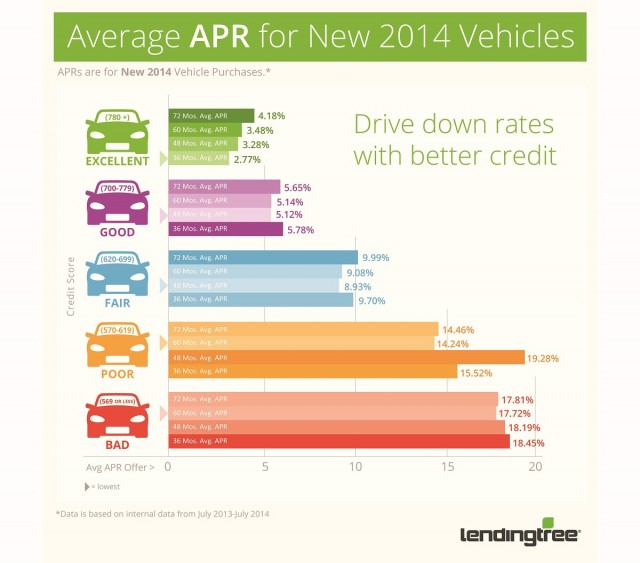
For instance, if you have high-interest credit card debt (with APRs often exceeding 15-20%), paying off that debt should almost always take precedence over prepaying a car loan (which typically has a much lower interest rate, often 3-8%). The interest savings from eliminating high-interest debt will be far greater. Similarly, if you don’t have an emergency fund, building one should be a higher priority.
3. Depleting Your Emergency Fund
Your emergency fund is your financial safety net, designed to cover 3-6 months of living expenses in case of unexpected job loss, medical emergencies, or other unforeseen events. While the desire to become debt-free is strong, never deplete or significantly reduce your emergency fund to prepay a car loan.
Without an adequate emergency fund, you could be forced to take on new, potentially higher-interest debt (like credit cards) if an emergency arises. This would negate any savings from prepaying your car loan. Prioritize building and maintaining a robust emergency fund first.
4. Impact on Credit Score (Usually Minor)
When you pay off a loan, your credit report reflects that the account is closed and paid in full. This is generally positive for your credit score in the long run. However, in the short term, closing an account can sometimes cause a slight dip in your score, especially if it was one of your oldest accounts or a significant portion of your credit mix.
This dip is usually temporary and minor, especially if you have other active credit accounts. For most people, the long-term benefits of being debt-free and improving your debt-to-income ratio far outweigh any minor, temporary credit score fluctuations. It’s generally not a reason to avoid prepayment unless you’re planning to apply for a major loan (like a mortgage) in the immediate future.
How to Effectively Prepay Your Car Loan: Practical Steps
Once you’ve weighed the pros and cons and decided that prepaying your car loan is the right move for you, the next step is to put a plan into action. Based on my experience, a structured approach ensures your efforts are effective and maximize your savings.
1. Review Your Loan Agreement Thoroughly
This is your first and most crucial step. Retrieve your original loan documents and carefully read through them. Look specifically for any clauses related to "prepayment penalties," "early payoff fees," or similar language. If you can’t find it or are unsure, move to step two.
Understanding your loan agreement ensures you avoid any surprises and can make an informed decision about the most cost-effective way to proceed. Don’t skip this critical review.
2. Contact Your Lender Directly
Even if your loan agreement seems clear, a quick call to your loan servicer is always a good idea. Speak to a representative and ask specific questions:
- "Do I have any prepayment penalties on my car loan?"
- "How do I ensure that any extra payments I make are applied directly to the principal balance, not just future interest?"
- "What are the accepted methods for making additional principal payments?"
Getting direct confirmation from your lender ensures there are no misunderstandings and that your extra payments are allocated correctly to maximize your interest savings.
3. Choose Your Prepayment Strategy
There are several effective ways to prepay your car loan, and you can even combine them:
- Making Extra Principal Payments Regularly: This is one of the most common and effective methods. Each month, add an additional amount (e.g., $50, $100, or whatever you can afford) to your regular payment. Crucially, always specify that this extra amount should go directly to the principal. Even small, consistent extra payments add up significantly over time.
- One-Time Lump Sum Payments: If you receive a bonus, tax refund, inheritance, or any unexpected windfall, consider applying a portion or all of it as a lump sum payment directly to your car loan principal. This can drastically reduce your remaining balance and shave off months or even years from your loan term.
- Bi-Weekly Payments: Instead of making one full payment monthly, you make half payments every two weeks. Since there are 52 weeks in a year, this results in 26 half-payments, which equates to 13 full monthly payments annually instead of 12. This "extra" payment significantly accelerates your payoff without feeling like a huge burden.
- Refinancing Your Car Loan (as an alternative strategy): While not strictly "prepayment," refinancing can also help you pay off your loan faster and save money. If interest rates have dropped or your credit score has improved since you originally took out the loan, you might qualify for a lower interest rate or a shorter loan term. This reduces your total interest paid and can accelerate your path to debt freedom. For more on managing your debt, check out our guide on .
4. Track Your Progress
Seeing the impact of your efforts can be incredibly motivating. Regularly check your loan statements or log into your lender’s online portal to see how your principal balance is decreasing. Many lenders provide an amortization schedule that updates as you make extra payments, allowing you to visualize your progress and the interest you’re saving.
Keeping track will reinforce your commitment and help you stay on course until your car loan is completely paid off.
Is Prepaying Your Car Loan Right for You? A Decision-Making Guide
Deciding whether to prepay your car loan is a personal financial decision that depends on your unique circumstances and financial goals. There’s no one-size-fits-all answer, but by asking yourself a few key questions, you can make an informed choice.
1. Prioritize Other Debts
Before focusing on your car loan, take a hard look at all your outstanding debts. Do you have credit card balances with high-interest rates (15% APR or higher)? Do you have any personal loans with higher interest rates than your car loan?
Pro Tip from Us: Always tackle the highest-interest debt first. The money saved by eliminating high-interest debt will almost always be greater than the savings from prepaying a lower-interest car loan. This strategy, often called the "debt avalanche," is mathematically the most efficient way to get out of debt.
2. Assess Your Emergency Fund
As mentioned earlier, your emergency fund is paramount. If you don’t have at least 3-6 months’ worth of essential living expenses saved, that should be your top financial priority. An emergency fund provides a crucial buffer against life’s uncertainties and prevents you from falling back into debt when unexpected costs arise.
Only after your emergency fund is robust should you consider using extra cash for debt prepayment.
3. Consider Your Interest Rate
The interest rate on your car loan plays a significant role in how beneficial prepayment will be. If you have a high-interest car loan (e.g., 7% APR or higher), prepaying will result in more substantial interest savings. If your interest rate is very low (e.g., 2-3% APR), the financial benefit of prepaying might be less dramatic compared to other uses for your money, such as investing.
For example, if you can invest your money and earn an average return higher than your car loan’s interest rate, investing might be a better financial decision. However, the guaranteed return of saving interest on debt is often a safer and more appealing option for many.
4. Evaluate Your Future Financial Goals
What are your other financial aspirations? Are you saving for a down payment on a house, planning for retirement, or looking to start a business? While prepaying your car loan offers immediate satisfaction and savings, ensure it aligns with your broader, long-term financial plan.
Sometimes, holding onto cash for a specific goal or investing it might be a better use of funds, especially if your car loan interest rate is low. It’s a balance between accelerating debt payoff and pursuing other financial opportunities. To further understand your financial health, the Consumer Financial Protection Bureau offers excellent resources on managing debt and making informed financial decisions.
Conclusion: Drive Towards a Debt-Free Future
The question "Can you prepay car loans?" has a clear answer: yes, for most people, and it’s a highly recommended financial strategy. Prepaying your car loan offers a powerful path to significant interest savings, faster debt freedom, increased financial flexibility, and invaluable peace of mind. It’s a proactive step towards taking control of your financial future.
However, an informed decision is a smart decision. Always take the time to check your loan agreement for prepayment penalties, prioritize building a solid emergency fund, and consider your other financial obligations. By carefully weighing the benefits against potential drawbacks and choosing the right prepayment strategy for you, you can accelerate your journey to owning your car outright.
Imagine the feeling of that last car payment. It’s a milestone worth striving for, and with a little planning and discipline, you can make it a reality much sooner than you think. Start today by reviewing your loan and making a plan to drive towards a truly debt-free future!