Car Loan Through Bank Or Dealership: Your Ultimate Guide to Smart Automotive Financing
Car Loan Through Bank Or Dealership: Your Ultimate Guide to Smart Automotive Financing Carloan.Guidemechanic.com
Buying a new or used car is an exciting milestone, but the financing aspect often feels like navigating a dense jungle. One of the biggest decisions you’ll face is whether to secure your car loan through a bank or dealership. This choice can significantly impact your interest rates, loan terms, and overall car-buying experience.
As an expert in automotive financing, I’ve seen countless individuals struggle with this very question. This comprehensive guide is designed to cut through the confusion, providing you with an in-depth understanding of both options. We’ll explore the nuances, advantages, and potential pitfalls of each, ensuring you make an informed decision that saves you money and stress.
Car Loan Through Bank Or Dealership: Your Ultimate Guide to Smart Automotive Financing
The Car Loan Conundrum: Why This Choice Matters
The path you choose for your auto loan isn’t just a minor detail; it’s a foundational decision for your entire vehicle purchase. It directly influences your monthly payments, the total cost of your car, and even your negotiation power at the dealership. Many buyers underestimate the leverage a well-researched financing plan can provide.
Understanding the differences between a direct lender (like a bank or credit union) and indirect financing (through a dealership) empowers you. It equips you to compare offers effectively and spot potential traps, ultimately leading to a more favorable deal. Let’s dive deep into each option.
Option 1: Securing a Car Loan Directly Through a Bank or Credit Union
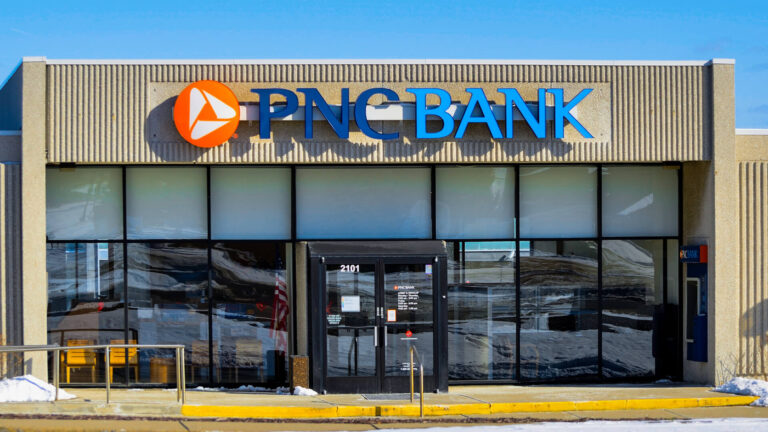
When you opt for a bank car loan, you’re essentially applying for funds directly from a financial institution. This means you establish a loan agreement with them before you even step foot on a car lot. They assess your creditworthiness, offer you a specific interest rate, and, if approved, provide you with a pre-approval letter.
This pre-approval acts like a cash offer, giving you significant power when negotiating the vehicle price. You walk into the dealership as a "cash buyer," separating the car price negotiation from the financing discussion. This strategy can often lead to a better deal on the vehicle itself.
What it Entails
The process typically begins with you submitting an application to your chosen bank or credit union. They will review your credit history, income, and debt-to-income ratio to determine your eligibility and the terms they can offer. Once approved, you receive a conditional offer outlining the loan amount, interest rate, and repayment period.
This pre-approval is a crucial step. It tells you exactly how much you can afford, helping you narrow down your car choices realistically. It also gives you a benchmark against which to compare any financing offers from the dealership.
The Advantages of Bank Financing
Choosing a bank or credit union for your car loan often comes with several distinct benefits that can significantly impact your financial well-being. These advantages typically center around transparency and your overall control of the financing process.
Potentially Lower Interest Rates
Banks and credit unions often offer some of the most competitive interest rates in the market. As direct lenders, they aren’t adding any markup for an intermediary, which can translate to lower costs for you. This is especially true for borrowers with strong credit scores.
Based on my experience, securing a rate even a fraction of a percentage lower can save you hundreds, if not thousands, over the life of the loan. Always shop around extensively among different banks and credit unions to find the best possible rate.
Transparency and Control
When you deal directly with a bank, the financing terms are usually very clear. You negotiate the loan terms directly with them, understanding precisely what you’re agreeing to before you even start looking at cars. This transparency reduces the chances of hidden fees or unfavorable terms being slipped in.
You maintain full control over the financing process. You can take your time to understand every clause, ask questions, and compare multiple offers without feeling rushed by a dealership sales environment.
Pre-Approval Power
Getting pre-approved for a loan is arguably one of the most powerful tools in your car-buying arsenal. It separates the car price negotiation from the financing negotiation, allowing you to focus on getting the best deal on the vehicle itself. You know your maximum budget upfront.
Walking into a dealership with a pre-approval letter signals that you are a serious buyer with financing already secured. This often encourages dealers to offer their best price on the car, as they know you’re ready to buy.
Building Banking Relationships
Financing through your existing bank or credit union can also strengthen your relationship with that institution. This might lead to better terms on future loans, credit cards, or other financial products. Loyalty can sometimes be rewarded with preferential treatment.
For many, having all their financial accounts with one institution simplifies money management. It means fewer accounts to track and a consolidated view of your financial standing.
The Disadvantages of Bank Financing
While bank loans offer many benefits, they aren’t without their drawbacks. Understanding these potential challenges helps you prepare and mitigate them effectively.
More Legwork for You
The primary downside of bank financing is that it requires more effort on your part. You are responsible for researching different banks, comparing their offers, and completing all the application paperwork yourself. This can be time-consuming.
You’ll need to actively seek out the best rates and terms, rather than having them presented to you by a dealership. This extra legwork, however, often pays off in significant savings.
Slower Approval Times
Compared to the instant financing options sometimes offered by dealerships, getting a bank loan can take longer. The application, review, and approval process might span a few days, depending on the institution and your individual financial situation.
If you’re in a rush to purchase a vehicle, this waiting period could be a slight inconvenience. Planning ahead is key if you choose this route.
Limited Flexibility at the Dealership
Once you have a pre-approved loan from a bank, you’re somewhat locked into those terms. While you can still compare it to dealership offers, your bank loan might not be as flexible if you need to adjust the loan amount significantly or change the terms on the fly.
The bank’s offer is fixed, and if the dealership has a special promotional rate that’s better, you might have to choose between your pre-approval and the dealer’s offer. This is where comparison shopping becomes vital.
Pro Tips for Bank Loans
To maximize your chances of securing the best possible bank loan, consider these expert recommendations. These strategies are born from years of observing successful car buyers.
- Shop Around Aggressively: Don’t just go to your primary bank. Apply to at least three to four different banks and credit unions. Rates can vary significantly, and a little extra effort here can save you a substantial amount.
- Prepare Your Documents Thoroughly: Have your income statements, proof of residence, identification, and other relevant financial documents ready. A complete application speeds up the approval process considerably.
- Understand Your Credit Score: Before applying, check your credit score and report. Knowing where you stand allows you to anticipate potential issues and even dispute inaccuracies. A higher score directly translates to better interest rates. For more on this, you might find our article on Understanding Your Credit Score and How It Impacts Loans helpful.
Option 2: Navigating Dealership Financing
Dealership financing, also known as indirect lending, is where the dealership acts as an intermediary between you and a network of lenders. When you apply for a loan at a dealership, they submit your information to several banks, credit unions, and captive finance companies (lenders owned by the car manufacturer, like Ford Credit or Toyota Financial Services).
The dealership then presents you with one or more loan offers, often after adding a small markup to the interest rate they received from the lender. This markup is how they profit from arranging the financing. While it offers convenience, it’s crucial to be aware of this potential additional cost.
How Dealership Financing Works
When you fill out a credit application at the dealership, their finance manager sends your details to multiple lending institutions. These institutions then send back offers based on your credit profile. The finance manager reviews these offers and typically presents you with the one that best suits their profit margins, while still appearing competitive.
They often focus on presenting a desirable monthly payment, which can sometimes distract from the overall interest rate and total cost of the loan. This is why having your own pre-approval is so powerful.
The Advantages of Dealership Financing
Despite the potential for higher rates, dealership financing offers unique benefits that appeal to many car buyers, especially those looking for convenience or facing specific financial situations.
Convenience and Speed
The biggest draw of dealership financing is its unparalleled convenience. You can complete the entire car-buying and financing process under one roof, often in a single day. This "one-stop shop" approach saves time and reduces the hassle of dealing with multiple institutions.
For those who need a car quickly or prefer a streamlined process, this convenience is a significant factor. The finance manager handles all the paperwork, making the process feel effortless.
One-Stop Shopping
Beyond just convenience, dealerships simplify the comparison process. They can quickly access offers from various lenders, presenting you with options without you having to apply individually to each bank. This saves you the legwork of shopping around yourself.
This can be particularly beneficial if you have limited time or find navigating different financial institutions overwhelming. The dealership consolidates your choices.
Special Offers and Incentives
Manufacturers often offer special low-interest rates or cashback incentives through their captive finance companies, exclusively available at dealerships. These promotional rates can sometimes be significantly lower than what a bank might offer, especially for new vehicles.
It’s common to see 0% APR financing for well-qualified buyers on specific models. These deals are a major advantage and can make dealership financing the most attractive option if you qualify.
Flexibility with Challenging Credit
If you have less-than-perfect credit, dealerships often have a wider network of lenders, including those who specialize in subprime loans. This can make it easier to get approved for a loan, even if traditional banks have turned you down. They might be able to find a lender willing to take on the risk.
While the interest rates will likely be higher in these situations, it provides an avenue for car ownership that might otherwise be unavailable. It’s an important option for those working to rebuild their credit.
The Disadvantages of Dealership Financing
While convenient, dealership financing comes with potential downsides that every buyer should be aware of. These often revolve around cost and transparency.
Potentially Higher Interest Rates
The most significant disadvantage is the potential for higher interest rates. Dealerships typically add a markup to the interest rate they receive from the lender. This is a common practice and a source of profit for them. Without a pre-approved loan from a bank, you might not even realize you’re paying more.
This markup can accumulate over the life of the loan, costing you hundreds or even thousands of dollars extra. It’s crucial to always compare their offer to an outside pre-approval.
Less Transparency
The financing process at a dealership can sometimes feel less transparent. You might not see the original loan offers from the lenders; instead, you’re presented with the dealer’s final offer. This can make it difficult to ascertain if you’re getting the best possible rate.
The focus is often on the monthly payment, which can obscure the actual interest rate and total cost of the loan. Always insist on seeing the full breakdown of the loan terms.
Pressure to Decide Quickly
The dealership environment is designed to encourage quick decisions. Finance managers are skilled negotiators and can put pressure on you to sign a deal, especially after you’ve spent hours test-driving cars. This pressure can lead to rushed decisions and overlooking unfavorable terms.
Pro tips from us: Never feel obligated to make a decision on the spot. Take the paperwork home if you need more time to review it.
Focus on Monthly Payments (Not Total Cost)
A common tactic is to focus solely on the monthly payment, making it seem affordable, without emphasizing the total cost of the loan. A lower monthly payment might mean a longer loan term, which ultimately leads to paying more in interest over time.
Always ask for the Annual Percentage Rate (APR) and the total amount you will pay over the life of the loan, including all interest and fees. Don’t let a low monthly payment distract you from the bigger picture.
Common Mistakes to Avoid with Dealership Loans
Many car buyers fall into common traps when financing through a dealership. Being aware of these can save you a lot of money and regret.
- Not Getting Pre-Approved: This is the number one mistake. Without a pre-approval from an outside lender, you have no benchmark to compare the dealership’s offer against. You lose significant negotiation power.
- Focusing Solely on Monthly Payments: As discussed, a low monthly payment can hide a high interest rate or an extended loan term. Always look at the total cost of the loan.
- Skipping the Fine Print: Always read every line of your loan agreement. Look for hidden fees, early repayment penalties, or unfavorable clauses. If something doesn’t make sense, ask for clarification.
Key Factors to Consider Before Making Your Decision
The choice between a bank and dealership loan isn’t one-size-fits-all. Several personal financial factors will heavily influence which option is best for you. Understanding these elements is crucial for a smart decision.
Your Credit Score
Your credit score is the single most important factor determining the interest rate you’ll receive. Lenders use it to assess your creditworthiness and the risk associated with lending to you. A higher score typically means lower interest rates.
Individuals with excellent credit (generally 720+) will have access to the best rates from both banks and dealerships. If your score is lower, you might find more flexibility at a dealership, though at a higher rate.
Interest Rates and APR
Always compare the Annual Percentage Rate (APR), not just the stated interest rate. The APR includes the interest rate plus certain fees, giving you a more accurate representation of the total cost of borrowing. A seemingly low interest rate might have high fees that increase the overall APR.
Pro tips from us: Even a small difference in APR can save you hundreds or thousands over the life of the loan. Use online calculators to see the impact of different APRs on your total payments.
Loan Terms
The loan term refers to the length of time you have to repay the loan. Common terms range from 36 to 72 months, or even longer. A shorter term means higher monthly payments but less interest paid overall. A longer term means lower monthly payments but more interest paid over the life of the loan.
Carefully consider what you can comfortably afford each month without extending the loan term unnecessarily. Common mistakes to avoid are extending the term just to hit a lower monthly payment target.
Down Payment
A larger down payment reduces the amount you need to borrow, which in turn reduces your monthly payments and the total interest paid. It also signals to lenders that you are a lower risk, potentially qualifying you for better rates.
Based on my experience, aiming for at least 10-20% of the vehicle’s price as a down payment is a smart financial move. It helps protect you against depreciation and can prevent you from being "upside down" on your loan.
Additional Fees and Charges
Both banks and dealerships can have various fees associated with their loans. These might include origination fees, documentation fees, processing fees, or early repayment penalties. Always ask for a complete list of all fees before signing any agreement.
Sometimes, these fees can quietly add significant cost to your loan. Ensure you understand what each fee is for and if it’s negotiable.
Negotiation Power
Your ability to negotiate effectively is enhanced when you have options. With a pre-approved loan in hand, you have the power to walk away if the dealership’s financing offer isn’t competitive. This leverage is invaluable.
Without it, you are entirely at the mercy of the dealership’s offers, which can lead to a less favorable outcome. Always remember that everything is negotiable in a car deal.
The Power of Pre-Approval: Your Secret Weapon
Regardless of whether you ultimately choose a bank or dealership loan, getting pre-approved by an independent lender (like a bank or credit union) is your single most effective strategy. It transforms you from a vulnerable buyer into an empowered negotiator.
Based on my experience, a buyer with a pre-approval walks into a dealership with confidence. You already know your maximum loan amount and interest rate. This allows you to focus solely on negotiating the best possible price for the car itself, without the pressure of financing discussions. It also gives you a benchmark: if the dealership can’t beat your pre-approved rate, you simply use your outside financing.
A Step-by-Step Guide to Securing Your Car Loan
Navigating the car loan process doesn’t have to be daunting. Follow these steps to ensure you secure the best possible financing for your next vehicle.
- Assess Your Financial Health: Before anything else, review your budget, credit score, and debt-to-income ratio. Understand how much you can truly afford for a monthly payment and total cost.
- Research Loan Options: Explore different banks, credit unions, and online lenders. Compare their stated interest rates, loan terms, and any associated fees. Don’t overlook smaller, local credit unions, as they often have very competitive rates.
- Gather Necessary Documents: Prepare your driver’s license, proof of income (pay stubs, tax returns), proof of residence, and any other documents a lender might require. Having these ready streamlines the application process.
- Apply for Pre-Approval: Submit applications to a few different financial institutions for pre-approval. This gives you a solid offer to use as leverage. Remember, multiple inquiries for the same type of loan within a short period (typically 14-45 days) usually count as a single hard inquiry on your credit report. For more details on this, see our article on The Impact of Loan Applications on Your Credit Score.
- Compare Offers: Once you have your pre-approvals, compare them carefully. Look at the APR, total interest paid, and monthly payments for different loan terms.
- Negotiate at the Dealership: With your pre-approval in hand, negotiate the car’s price first. Once you’ve agreed on a price, then discuss financing. See if the dealership can beat your pre-approved rate, especially if they have special manufacturer incentives.
- Finalize the Deal: Read all paperwork thoroughly before signing. Ensure the final terms match what you agreed upon. Don’t hesitate to ask questions if anything is unclear.
External Resource Recommendation
For additional unbiased information on car financing and consumer protection, I highly recommend consulting the Consumer Financial Protection Bureau (CFPB) website. They offer valuable resources on auto loans, understanding credit, and consumer rights. You can find their auto loan guide here: Consumer Financial Protection Bureau – Auto Loans
Conclusion: Making the Best Choice for Your Automotive Journey
Deciding between a car loan through a bank or dealership is a pivotal step in your vehicle purchase. There’s no single "best" option; the ideal choice depends entirely on your individual financial situation, credit score, and priorities. What works for one buyer might not be suitable for another.
The key takeaway is empowerment through knowledge. By understanding the distinct advantages and disadvantages of both bank and dealership financing, you can approach the car-buying process with confidence. Always prioritize getting pre-approved, compare offers meticulously, and never feel pressured into a deal that doesn’t align with your financial goals. Your proactive approach will undoubtedly lead to a smarter, more satisfying car-buying experience, saving you money and stress in the long run. Happy driving!