Change Your Car Loan: The Ultimate Guide to Refinancing for Better Financial Freedom
Change Your Car Loan: The Ultimate Guide to Refinancing for Better Financial Freedom Carloan.Guidemechanic.com
Are you one of the millions of car owners who feel stuck with a high interest rate or unmanageable monthly payments on your auto loan? The good news is, you don’t have to be. Just as you might refinance a home mortgage, you can also change your car loan – a process more commonly known as car loan refinancing. This powerful financial strategy can unlock significant savings and provide much-needed breathing room in your budget.
Many people assume their car loan terms are set in stone once the papers are signed. However, market conditions change, interest rates fluctuate, and, most importantly, your financial situation can improve. Understanding how to navigate the process of changing your car loan can lead to lower interest rates, reduced monthly payments, or even a shorter loan term, putting you back in control of your finances.
Change Your Car Loan: The Ultimate Guide to Refinancing for Better Financial Freedom
This comprehensive guide is designed to be your ultimate resource for understanding, navigating, and successfully changing your car loan. We’ll delve deep into the ‘why’ and ‘how,’ providing expert insights and practical steps to help you make an informed decision. Our goal is to empower you with the knowledge to optimize your auto loan, ensuring you drive towards financial freedom.
What Exactly Does "Changing Your Car Loan" Mean?
At its core, changing your car loan involves taking out a new car loan to pay off your existing one. Think of it as a financial reset button for your vehicle’s financing. The new loan typically comes with different terms – ideally, more favorable ones – that replace your old agreement entirely.
This process isn’t just for those struggling to make payments. Based on my experience, many people mistakenly think refinancing is a sign of financial trouble. In reality, it’s often a smart strategic move for individuals whose credit has improved, or when market interest rates have dropped significantly since they first financed their car. It’s about optimizing your financial obligations.
When you refinance, a new lender (or sometimes your current lender) assesses your current creditworthiness and vehicle details. If approved, they issue a new loan, and the funds are used to pay off your old loan balance. You then begin making payments to your new lender under the new terms. This can lead to substantial savings over the life of the loan.
Why Should You Consider Changing Your Car Loan? The Compelling Benefits
Changing your car loan can offer a multitude of benefits, each designed to improve your financial standing. It’s not just about saving money; it’s about gaining flexibility and control. Let’s explore the key advantages in detail.
1. Secure a Lower Interest Rate
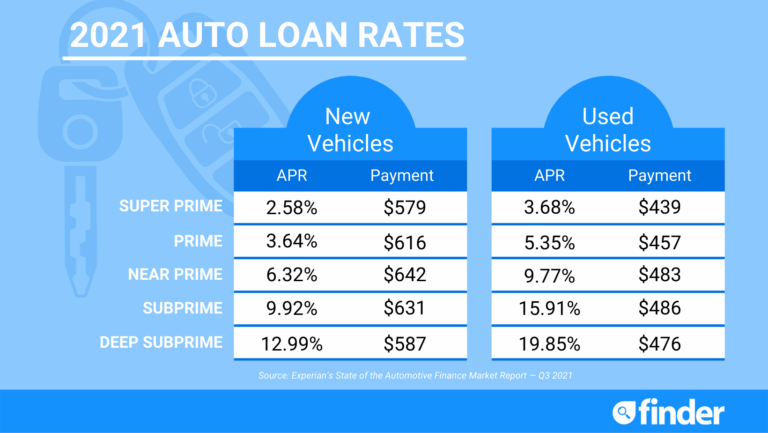
One of the most common and compelling reasons to refinance is to obtain a lower Annual Percentage Rate (APR). If your credit score has improved since you first bought your car, or if general interest rates have fallen, you’re likely eligible for a better deal. A lower interest rate directly translates to less money paid over the life of the loan.
For example, dropping your APR by just a few percentage points can save you hundreds, or even thousands, of dollars. Pro tips from us: Always calculate the total savings over the loan term, not just the monthly payment difference, to understand the true impact of a lower interest rate.
2. Reduce Your Monthly Payments
If your budget feels tight, refinancing can offer much-needed relief by lowering your monthly car payments. This is typically achieved in two ways: either by securing a lower interest rate or by extending the loan term. While extending the term might mean paying more in total interest over a longer period, it can significantly free up cash flow each month.
Reduced monthly payments can make your budget more manageable, allowing you to allocate funds to other financial goals, such as saving, investing, or paying down higher-interest debt. It’s a strategic move for improving your immediate financial liquidity.
3. Shorten Your Loan Term and Pay Off Faster
Conversely, if your financial situation has significantly improved, you might want to pay off your car loan faster. By refinancing to a shorter loan term (e.g., from 60 months to 48 months) and maintaining a comfortable monthly payment, you’ll pay substantially less in total interest. This accelerates your journey to becoming debt-free.
Paying off your car faster means you’ll own the vehicle outright sooner, reducing your overall debt burden and giving you complete financial freedom over that asset. It’s a fantastic option for those looking to minimize interest costs and streamline their finances.
4. Cash-Out Refinancing for Financial Flexibility
Some lenders offer "cash-out refinancing," where you refinance your car for more than you currently owe and receive the difference in cash. This option is only available if your car has sufficient equity – meaning its market value is greater than your outstanding loan balance. The cash can then be used for various purposes.
Common uses for cash-out funds include consolidating high-interest debt, making home improvements, or covering unexpected expenses. While this can provide immediate liquidity, be mindful that you are increasing your car loan balance, and the interest on this additional cash will be tied to your auto loan.
5. Change Your Loan Terms or Lender for Better Service
Perhaps you’re unhappy with your current lender’s customer service, or the original loan came with unfavorable terms or restrictive clauses. Refinancing gives you the opportunity to switch to a new lender that offers better service, more flexible payment options, or simply a more agreeable loan agreement.
This change can provide peace of mind and a better overall borrowing experience. Sometimes, a new lender might even offer perks like no prepayment penalties, which can be a significant advantage if you plan to pay off your loan early.
Is Now the Right Time? Key Indicators for Refinancing
Deciding when to change your car loan is crucial for maximizing its benefits. Several factors can signal that it’s an opportune moment to explore refinancing options.
1. Your Credit Score Has Improved Significantly
This is often the strongest indicator. Lenders use your credit score to assess your risk profile. If your score has gone up considerably since you took out your original loan – perhaps due to consistent on-time payments, paying down other debts, or correcting errors on your credit report – you are likely eligible for a much better interest rate. A higher score signals to lenders that you are a more reliable borrower.
2. Interest Rates Have Dropped Since Your Original Loan
The broader economic landscape plays a significant role in lending rates. If general interest rates have declined since you purchased your car, you could qualify for a lower APR on a new loan. Even a small drop in rates can lead to substantial savings over the loan term, especially on larger loan amounts.
3. Your Financial Situation Has Changed for the Better
Perhaps you’ve received a promotion, started a higher-paying job, or paid off other significant debts. An improved income or a lower debt-to-income ratio makes you a more attractive borrower. Lenders will view you as having a greater capacity to comfortably manage monthly payments, potentially leading to better loan offers.
4. You Want to Adjust Your Loan Term
Whether you want to shorten your term to pay off faster and save on interest, or extend it to lower monthly payments and free up cash flow, refinancing allows you to tailor the loan term to your current financial goals. Common mistakes to avoid are waiting too long if your credit has improved, as you could be missing out on savings every month.
5. Your Car’s Value is Stable, or You Have Equity
Lenders prefer to refinance vehicles that hold their value well. If your car isn’t depreciating too rapidly, or if you’ve paid down a good portion of your original loan, you likely have equity. This positive equity makes your car a more secure asset for the lender, increasing your chances of approval and favorable terms.
6. Your Current Loan Terms Are Unfavorable
If your original loan came with a very high interest rate, excessive fees, or an inflexible payment structure, refinancing offers an escape route. It allows you to replace a burdensome loan with one that better suits your current financial needs and market conditions.
The Step-by-Step Guide to Changing Your Car Loan
Changing your car loan might seem daunting, but by following a clear, structured approach, you can navigate the process with confidence. Here’s a detailed, step-by-step guide.
Step 1: Assess Your Current Loan & Financial Health
Before you begin, gather all the details of your current car loan: the original amount, current balance, interest rate (APR), monthly payment, and remaining term. You’ll also need to know your car’s make, model, year, and mileage. Simultaneously, check your credit score and review your credit report for any inaccuracies. Many services offer free credit score checks.
Understanding your current financial standing, including your income, expenses, and debt-to-income ratio, will help you determine what kind of new loan terms you can comfortably afford. This initial assessment is crucial for setting realistic expectations.
Step 2: Research & Compare Lenders
Don’t settle for the first offer you receive. There’s a wide array of lenders offering auto loan refinancing, including traditional banks, credit unions, and specialized online lenders. Each may have different rates, terms, and eligibility requirements. It’s vital to shop around.
Look for lenders with competitive APRs, transparent fees, and a good reputation for customer service. Consider pre-qualification options, which allow you to see potential rates without a hard inquiry on your credit report. For a deeper dive into choosing the right lender, check out our article on .
Step 3: Gather Necessary Documents
Once you’ve identified potential lenders, start compiling the required documentation. While requirements can vary slightly, you’ll generally need:
- Proof of Identity: Driver’s license or state ID.
- Proof of Income: Pay stubs, tax returns, or bank statements.
- Proof of Residency: Utility bill or lease agreement.
- Current Loan Information: Account number, payoff amount, and lender contact details.
- Vehicle Information: Registration, title (or lienholder details), VIN, and mileage.
- Insurance Information: Proof of comprehensive and collision coverage.
Based on my experience, organization is key here. Having all your documents ready will significantly speed up the application process.
Step 4: Apply for Refinancing
With your documents in hand and your chosen lenders identified, submit your applications. Be aware that applying for a new loan typically involves a "hard inquiry" on your credit report, which can temporarily ding your score by a few points. However, if you apply to multiple auto lenders within a short window (usually 14-45 days, depending on the credit scoring model), these inquiries are often grouped as a single inquiry, minimizing the impact.
Lenders will review your credit history, income, and the vehicle’s details to determine your eligibility and the rates they can offer. Be prepared to answer questions about your financial situation.
Step 5: Review Offers & Choose the Best Fit
Once you receive offers, meticulously compare them. Don’t just look at the monthly payment. Scrutinize the APR, the total cost of the loan (including any fees like origination or application fees), and the loan term. Understand the fine print, including any prepayment penalties or other hidden clauses.
Consider your financial goals. Do you prioritize the lowest monthly payment, the lowest total interest paid, or a shorter path to ownership? Choose the offer that best aligns with your objectives and provides the most favorable terms overall.
Step 6: Finalize the New Loan
After selecting an offer, the new lender will finalize the paperwork. This usually involves signing the new loan agreement and providing any remaining documentation. The new lender will then pay off your old loan directly. You’ll receive confirmation once the old loan is settled.
Once everything is complete, you’ll begin making payments to your new lender under the new terms. Remember to cancel any automatic payments you had set up with your old lender to avoid accidental duplicate payments.
Key Factors Influencing Your Refinancing Approval
While the steps are straightforward, certain factors heavily influence whether your application to change your car loan is approved and at what rate. Understanding these can help you prepare.
1. Your Credit Score
This is paramount. A higher credit score (generally 660-700+ for good rates) indicates lower risk to lenders. If your score has improved since your original loan, you’re in a much better position to secure favorable terms. Lenders primarily rely on this metric to gauge your creditworthiness.
2. Your Debt-to-Income (DTI) Ratio
Your DTI ratio measures how much of your gross monthly income goes towards debt payments. Lenders typically prefer a DTI ratio below 40%. A lower DTI suggests you have sufficient income to comfortably handle your new car loan payments, along with your other financial obligations.
3. Vehicle Age and Mileage
Most lenders have restrictions on the age and mileage of the vehicle they are willing to refinance. Generally, cars older than 7-10 years or with very high mileage (e.g., over 100,000-120,000 miles) can be harder to refinance. Lenders see these vehicles as higher risk due to potential mechanical issues and rapid depreciation.
4. Loan-to-Value (LTV) Ratio
The LTV ratio compares the amount you want to borrow against the car’s current market value. Lenders prefer a low LTV, ideally below 100% (meaning you owe less than the car is worth). Pro tips: A high LTV (being "upside down" or owing more than the car’s value) can be a red flag, making it challenging to get approved or secure a good rate.
5. Income Stability
Lenders want assurance that you have a stable and reliable source of income to make your payments. Proof of steady employment, a consistent income history, and a good employment track record will bolster your application. This demonstrates your long-term ability to meet your financial commitments.
Common Mistakes to Avoid When Changing Your Car Loan
While refinancing can be highly beneficial, certain pitfalls can negate its advantages. Being aware of these common mistakes can save you time, money, and frustration.
1. Not Shopping Around Enough
One of the biggest errors is accepting the first offer you receive or only checking with your current lender. Different lenders have different criteria and offer varying rates. Failing to compare multiple offers means you could be missing out on significantly better terms, costing you hundreds or even thousands over the loan’s life. Always compare at least 3-5 offers.
2. Focusing Only on Monthly Payments
While a lower monthly payment is attractive, it shouldn’t be your sole focus. Extending your loan term to achieve a lower payment can result in paying more in total interest over time. Always consider the total cost of the loan, including all interest and fees, to ensure you’re making a truly cost-effective decision.
3. Ignoring Fees Associated with the New Loan
Some lenders charge origination fees, application fees, or other administrative costs. These fees can sometimes outweigh the savings from a slightly lower interest rate. Always ask for a full breakdown of all fees associated with the new loan and factor them into your overall cost comparison.
4. Refinancing Too Soon or Too Late
Timing matters. Refinancing too soon after your original loan might not yield significant interest rate improvements if your credit hasn’t had time to improve. Conversely, waiting too long, especially if your car becomes very old or high-mileage, can make it difficult to find a lender willing to refinance.
5. Not Understanding the New Loan Terms
It’s crucial to read and understand every detail of your new loan agreement. Common mistakes we’ve seen include overlooking prepayment penalties, different grace periods, or changes in late payment fees. Don’t sign until you’re completely clear on all the terms and conditions.
6. Damaging Your Credit During the Process
Applying to too many lenders over an extended period can result in multiple hard inquiries, which can negatively impact your credit score. As mentioned, try to submit all applications within a short window (e.g., 14-45 days) so credit bureaus group them as a single inquiry for rate shopping purposes.
What If Refinancing Isn’t an Option? Alternatives to Consider
Sometimes, despite your best efforts, refinancing your car loan might not be feasible – perhaps due to your credit, the vehicle’s age, or your loan-to-value ratio. If you find yourself in this situation, don’t despair. There are other strategies you can explore to improve your financial standing.
One option is to negotiate directly with your current lender. While less common for car loans than mortgages, it’s worth a try, especially if you’re experiencing temporary financial hardship. They might offer a temporary deferment or a modified payment plan. However, be prepared for this to be a challenging conversation, as lenders are not obligated to change your terms.
Another drastic but effective measure could be to sell the car and purchase a more affordable vehicle. If your current car is a significant financial burden, downgrading to a less expensive, reliable car can drastically reduce your monthly payments and overall ownership costs. This might involve taking a loss if you’re upside down on your loan, but it could offer long-term financial relief.
You could also focus intensely on increasing your income or drastically cutting other expenses. By freeing up more cash flow, you might be able to make extra payments on your current loan, effectively shortening the term and reducing total interest paid, even without refinancing. If you’re exploring other financial strategies, our guide on might be helpful.
Finally, consider a personal loan to pay off the car loan, though this is often a last resort. Personal loans typically come with higher interest rates than auto loans, especially if your credit isn’t stellar. However, they can offer more flexible repayment terms and consolidate debt if you have multiple small loans. Carefully compare interest rates and fees before pursuing this path.
Drive Towards Financial Freedom
Changing your car loan, or refinancing, is a powerful financial tool that can significantly impact your budget and long-term financial health. It’s not merely about reducing a monthly payment; it’s about taking proactive steps to optimize your debt, lower interest costs, and align your vehicle financing with your current financial goals.
By understanding the benefits, recognizing the right time to act, meticulously following the step-by-step process, and avoiding common pitfalls, you can confidently navigate the world of auto loan refinancing. Remember, an informed decision is always the best decision when it comes to your money.
Don’t let an outdated or unfavorable car loan hold you back. Assess your current situation, explore your options, and take control of your car loan today. The path to better financial freedom and peace of mind on the road is within your reach. For more insights into current interest rate trends and how they might affect your refinancing decisions, refer to reliable financial sources such as the Consumer Financial Protection Bureau (CFPB) or reputable financial news outlets.