Dealer Pay Off Car Loan: The Ultimate Guide to Trading In, Selling, and Navigating Your Existing Auto Loan
Dealer Pay Off Car Loan: The Ultimate Guide to Trading In, Selling, and Navigating Your Existing Auto Loan Carloan.Guidemechanic.com
Buying a new car is exciting, but for many, it comes with a common challenge: what to do with your current vehicle that still has an outstanding loan? The phrase "dealer pay off car loan" often pops up, creating a mix of hope and confusion. How exactly does this work? What are the implications for your finances?
Based on my experience as an automotive industry observer and financial writer, understanding the intricacies of a dealer pay off car loan is crucial for making smart financial decisions. This comprehensive guide will demystify the process, explain your options, and equip you with the knowledge to navigate your next car transaction with confidence. We’ll delve deep into everything from positive and negative equity to negotiation tactics, ensuring you get the best possible outcome.
Dealer Pay Off Car Loan: The Ultimate Guide to Trading In, Selling, and Navigating Your Existing Auto Loan
Understanding Your Current Car Loan Status: The Foundation of Any Deal
Before you even step foot in a dealership, you need a crystal-clear picture of your current auto loan. This is the bedrock upon which any successful trade-in or sale is built. Skipping this step is a common mistake that can lead to unexpected financial headaches.
What is a "Payoff Amount"? (And Why It’s Different from Your Current Balance)
One of the most frequent misconceptions people have is confusing their "current balance" with their "payoff amount." These are not the same, and understanding the distinction is paramount. Your current balance is simply the principal amount you owe on a given day.
However, your payoff amount includes not only the principal but also any accrued interest since your last payment, along with potential fees. Because interest accrues daily, your payoff amount changes slightly each day. Always request an official "10-day payoff quote" from your lender. This quote locks in the amount for a specific period, giving you and the dealer an accurate figure.
Positive Equity vs. Negative Equity (Being "Upside Down")
The equity in your car is the difference between its current market value and your loan payoff amount. This figure dramatically impacts how a dealer pay off car loan scenario plays out.
Positive Equity: This occurs when your car’s market value is higher than your loan payoff amount. Congratulations, you have built equity! This surplus can be used as a down payment on your new vehicle, effectively reducing the amount you need to finance. Having positive equity puts you in a strong negotiating position.
Negative Equity (Being "Upside Down"): This is the more challenging scenario, where your car’s market value is lower than your loan payoff amount. Many people find themselves in this situation, especially early in a loan term or if they bought a rapidly depreciating vehicle. When you’re upside down, you effectively owe more on the car than it’s worth. Dealing with negative equity requires careful planning.
Based on my experience, many people are unaware of their true equity position until they get a trade-in offer. It’s always best to know this beforehand to avoid surprises.
How a Dealer Handles Your Existing Car Loan During a Trade-In
Trading in your vehicle to a dealership is the most common way to facilitate a dealer pay off car loan. The process seems straightforward, but there are several moving parts that you should understand to ensure a fair deal.
The Trade-In Valuation Process
When you present your car for a trade-in, the dealership’s appraiser will assess its condition. They consider factors like mileage, overall mechanical health, interior and exterior appearance, accident history, and local market demand. They use various tools, including auction data and industry guides like Kelley Blue Book or Edmunds, to determine a wholesale value.
It’s important to remember that a dealer’s trade-in offer is usually lower than what you might get from a private sale. This difference accounts for the dealer’s reconditioning costs, overhead, and profit margin when they resell your car. Researching your car’s value before you visit the dealership is a crucial step.
The Dealer’s Role in the Payoff
Once you agree on a trade-in value, the dealership takes on the responsibility of paying off your existing loan. They will contact your current lender directly to obtain the official payoff quote. This ensures that the exact amount owed is transferred.
The dealer handles all the necessary paperwork, including the title transfer. This seamless process is one of the main conveniences of trading in your car. It removes the burden of dealing with the loan company and title yourself.
Scenario 1: Trading In with Positive Equity
If your car’s trade-in value is greater than your loan payoff amount, you have positive equity. The dealership will deduct your loan payoff from the trade-in value, and the remaining positive equity will be applied towards your new car purchase.
For example, if your car is worth $15,000 and your payoff is $12,000, you have $3,000 in positive equity. This $3,000 acts like a down payment on your new vehicle, reducing the amount you need to finance. This is the ideal scenario for most buyers.
Scenario 2: Trading In with Negative Equity (Rolling Over the Loan)
This is where things can get tricky. If your car’s trade-in value is less than your loan payoff amount, you have negative equity. The dealer will still pay off your old loan, but that deficit needs to be covered.
The most common solution is to "roll over" the negative equity into your new car loan. This means the negative balance from your old loan is added to the purchase price of your new vehicle. While it seems convenient, it significantly increases the amount you’re financing on your new car.
Pro tips from us: Understand the long-term financial implications of rolling negative equity. You’ll be paying interest on a larger amount, potentially extending your loan term, and possibly finding yourself upside down on your new car even sooner. Common mistakes to avoid include not realizing how much this adds to your new loan or simply accepting it without exploring other options.
Pro Tips for Negotiating Your Trade-In
Negotiating your trade-in should be approached strategically. Do not discuss your trade-in until you’ve settled on a price for the new vehicle. This separates the two transactions, preventing the dealer from obscuring the true value of your trade by adjusting the new car’s price.
Always have multiple trade-in quotes if possible, or at least a strong understanding of your car’s market value. Being informed is your best weapon in any negotiation. Remember, a dealer’s first offer is rarely their best offer.
Selling Your Car Privately with an Existing Loan
While trading in is convenient, selling your car privately often yields a higher price. However, it introduces more complexity, especially when there’s an outstanding loan.
Why Consider a Private Sale?
Private buyers are typically willing to pay more than a dealership because they are looking for a good deal themselves and the seller avoids the dealer’s profit margin. If you have the time and patience, a private sale can put more money in your pocket, especially if you have positive equity. This extra cash can then be used for a larger down payment on your next vehicle.
The Challenges of a Private Sale with a Loan
The main challenge lies in the title. Your lender (the lien holder) holds the car’s title until the loan is fully paid off. This means you can’t simply hand over the title to a private buyer. Buyers might also be hesitant to purchase a car with an outstanding lien, fearing complications.
Furthermore, arranging the logistics of the payment and title transfer can be more involved. You need a secure way to handle the transaction to protect both yourself and the buyer.
Step-by-Step Process for a Private Sale
- Get Your Payoff Quote: As with a trade-in, obtain an official 10-day payoff quote from your lender. This is the exact amount you need to satisfy the loan.
- Determine Your Selling Price: Research your car’s value using resources like Kelley Blue Book, Edmunds, or NADAguides for private party sales. Factor in your payoff amount to understand your net gain or loss.
- Find a Buyer: Advertise your car on reputable platforms. Be transparent about the existing loan from the start.
- Facilitate the Transaction: This is the most crucial step.
- Option A: Buyer Pays You, You Pay Lender: The buyer pays you the full agreed-upon amount. You then immediately use those funds to pay off your loan. Once the lender receives the payment, they will mail you the clear title, which you then sign over to the buyer. This requires a high degree of trust and can be risky for the buyer.
- Option B: Meeting at Your Lender’s Branch: This is often the safest option. You, the buyer, and your lender (if they have a local branch) meet. The buyer provides funds (cashier’s check) directly to the lender to cover your payoff amount. If the selling price is higher than the payoff, the lender can release the difference to you. The lender then releases the title, which you can sign over.
- Option C: Using an Escrow Service: For higher-value vehicles, an escrow service can hold the buyer’s funds until the title is clear and transferred. This offers protection for both parties but involves additional fees.
Based on my experience, private sales require more effort but can yield better returns if done correctly. Common mistakes to avoid include not involving the lender in the transaction or trying to handle the title transfer without ensuring the loan is fully satisfied first.
Key Considerations Before Making a Decision
Whether you opt for a dealer pay off car loan through a trade-in or choose a private sale, several financial and practical factors should guide your decision.
Your Financial Health
Before committing to a new car loan, honestly assess your financial situation. Can you comfortably afford the new monthly payments, especially if you’re rolling over negative equity? Consider your overall budget, including insurance, fuel, and maintenance costs for the new vehicle. Taking on too much debt can strain your finances significantly.
Interest Rates
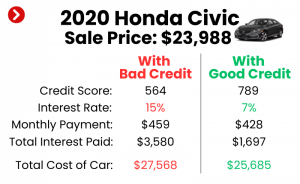
Compare the interest rate on your current loan with the potential rate on a new loan. If you’re rolling over negative equity, a higher interest rate can dramatically increase the total cost of your new vehicle over the loan term. Sometimes, even if you have negative equity, a significantly lower interest rate on a new loan might make rolling over a smaller amount more palatable.
Total Cost of Ownership
Beyond just the monthly payment, think about the total cost of owning the new car. This includes not just the purchase price and interest, but also insurance premiums, fuel efficiency, anticipated maintenance, and future depreciation. A seemingly affordable monthly payment can hide higher overall costs if you’re not careful.
Timing Your Sale or Trade
The timing of your transaction can impact your car’s value. Market conditions, seasonal demand, and even the release of new models can influence trade-in offers and private sale prices. Selling a convertible in winter, for example, might not fetch the best price. Similarly, selling a car just before a major model refresh could reduce its appeal.
Advanced Strategies and Expert Advice
For those looking to optimize their situation regarding a dealer pay off car loan, a few advanced strategies can make a significant difference.
Making Extra Payments on Your Current Loan
If you’re anticipating a trade-in or sale in the future, consider making extra principal payments on your current loan. Even small additional payments can help reduce your loan balance faster, building equity and potentially moving you from a negative to a positive equity position sooner. This strategy can save you money in interest and improve your financial standing.
Refinancing Your Current Loan
Refinancing your current auto loan can be a powerful tool. If interest rates have dropped since you took out your original loan, or if your credit score has improved, you might qualify for a lower interest rate. A lower rate reduces your monthly payment and, more importantly, reduces the total interest paid over the life of the loan, helping you build equity faster. Our guide to Refinancing Your Car Loan: When It Makes Sense has all the details.
Consider Downsizing or Buying a Less Expensive Vehicle
If you find yourself with substantial negative equity, and rolling it over into another loan seems financially burdensome, consider downsizing. Buying a less expensive new or used car can help absorb the negative equity more easily or even allow you to pay it off outright. Sometimes, a temporary step back can lead to a stronger financial position in the long run.
Leasing vs. Buying (A Brief Mention)
For those consistently finding themselves in negative equity, leasing might be an alternative to consider. With a lease, you never own the vehicle, so depreciation and equity concerns are handled differently. However, leasing has its own set of rules and limitations that require careful evaluation. For more on managing car loan debt, check out our article on Smart Strategies for Car Loan Debt Management.
Pro tips from us: Always get multiple quotes – both for your trade-in and for your new car financing. Don’t settle for the first offer. Shop around for interest rates from banks and credit unions before you visit the dealership. This empowers you with options and leverage. For more information on auto loans and consumer rights, you can consult trusted external sources like the Consumer Financial Protection Bureau (CFPB) at consumerfinance.gov/consumer-tools/auto-loans/.
Conclusion: Empower Yourself for a Seamless Car Transaction
Navigating the complexities of a dealer pay off car loan doesn’t have to be a source of stress. By understanding your current loan status, exploring your trade-in and private sale options, and considering all financial implications, you can make an informed decision that benefits your wallet.
Remember, knowledge is power in the automotive world. Arm yourself with accurate payoff amounts, realistic trade-in values, and a clear understanding of your financial capacity. Whether you’re upgrading, downsizing, or simply moving on, being prepared will ensure a smooth, transparent, and financially sound car transaction. Drive away with confidence, knowing you’ve made the best choice for your situation.