Decoding Auto Loans: What Car Loan Companies Use Equifax and Why It Matters to You
Decoding Auto Loans: What Car Loan Companies Use Equifax and Why It Matters to You Carloan.Guidemechanic.com
Securing a car loan is a significant financial step, often paving the way to a new vehicle and greater mobility. Yet, for many, the process can feel like navigating a complex maze, especially when it comes to understanding how lenders assess your creditworthiness. At the heart of this assessment lies your credit report and score, often pulled from one of the "Big Three" credit bureaus: Equifax, Experian, and TransUnion.
In this comprehensive guide, we’ll pull back the curtain on the role of Equifax in the auto loan industry. We’ll explore not just which car loan companies use Equifax, but why they rely on its data, what they look for, and critically, how you can prepare your Equifax profile to secure the best possible loan terms. Our ultimate goal is to empower you with the knowledge to approach your next car purchase with confidence and clarity.
Decoding Auto Loans: What Car Loan Companies Use Equifax and Why It Matters to You
The Credit Bureau Landscape: Equifax, Experian, and TransUnion
Before diving specifically into Equifax, it’s essential to understand the ecosystem of credit reporting in the United States. Equifax, Experian, and TransUnion are the three major credit reporting agencies. These entities collect and maintain vast amounts of data on consumers’ credit histories, which they then compile into credit reports and use to generate credit scores.
While they all perform similar functions, the data each bureau holds can sometimes differ slightly. This is because not all creditors report to all three bureaus simultaneously or with the same frequency. Consequently, your credit report and score might vary slightly from one bureau to another, a nuance that often surprises many consumers.
Car lenders don’t exclusively use just one credit bureau. In fact, many lenders subscribe to services from all three, or they might have a preference based on their internal risk models, geographical presence, or even the type of loan they offer. However, Equifax is a consistently prominent player in the auto lending sphere, making understanding its specific data crucial for anyone seeking a car loan.
Why Equifax? The Data Car Lenders Rely On
Car lenders turn to Equifax for a comprehensive snapshot of your financial past and present. They need to assess your likelihood of repaying a loan, and Equifax provides the detailed historical data necessary for this crucial risk assessment. The information Equifax compiles is far more than just a single number; it’s a deep dive into your financial habits.
The primary tools lenders utilize from Equifax are your credit report and your credit score. The credit report is a detailed account of your credit history, while the credit score is a numerical representation derived from that report, offering a quick indicator of your credit risk. Lenders use these tools to make informed decisions about whether to approve your loan application, and if so, at what interest rate and terms.
Credit Reports: Your Financial Fingerprint
An Equifax credit report is a treasure trove of information for a car loan company. It’s essentially your financial resume, detailing every interaction you’ve had with credit over many years. This report is meticulously organized, providing a clear picture of your borrowing and repayment behaviors.
Lenders scrutinize several key components within your Equifax report. This includes all your open and closed credit accounts, such as credit cards, mortgages, student loans, and previous auto loans. For each account, they’ll see the date it was opened, your credit limit or original loan amount, your current balance, and most importantly, your payment history. A consistent record of on-time payments is a strong indicator of reliability. Conversely, missed payments, delinquencies, or collections can signal higher risk.
The report also lists public records, such as bankruptcies, foreclosures, or tax liens, which can significantly impact a lender’s decision. Additionally, it shows credit inquiries, which are records of who has accessed your credit report. Too many recent "hard inquiries" can sometimes raise a red flag, suggesting you might be taking on too much new debt. Based on my experience, lenders often look for stability and a pattern of responsible borrowing, not just a clean slate.
Credit Scores: A Numerical Snapshot of Risk
While the credit report offers granular detail, credit scores provide a streamlined, numerical summary of your creditworthiness. Equifax contributes data to several widely used scoring models, most notably FICO and VantageScore. These scores are calculated using complex algorithms that weigh various factors from your credit report.
For car loans, lenders often use industry-specific FICO Auto Scores, which place a greater emphasis on your auto loan repayment history compared to general FICO scores. A higher score indicates lower risk to the lender, typically translating into better interest rates and more favorable loan terms for you. Conversely, a lower score suggests higher risk, which might lead to higher interest rates or even a loan denial.
It’s important to understand that your Equifax credit score isn’t static. It changes as new information is reported to the bureau. Paying bills on time, reducing debt, and maintaining a healthy credit mix can all positively influence your score over time. Lenders use these scores as a primary filter, quickly categorizing applicants into different risk tiers before delving deeper into the full report.
Who Uses Equifax? A Deep Dive into Car Loan Company Types
The auto lending landscape is diverse, comprising various types of financial institutions, each with its own lending practices and preferences regarding credit bureaus. While most will utilize at least one of the major bureaus, Equifax is a common partner across the board.
Captive Finance Companies
These are lending arms directly owned by car manufacturers, such as Ford Credit, Toyota Financial Services, Honda Financial Services, and GM Financial. Their primary goal is to sell more cars of their brand, which means they often offer competitive financing deals, special promotions, and sometimes more lenient terms for specific models or customers.
Captive finance companies are deeply integrated into the auto industry, and they rely heavily on credit bureaus like Equifax to assess applicant risk. They use Equifax data to qualify buyers for promotional APRs (Annual Percentage Rates), lease programs, and standard retail financing. Based on my experience working with dealerships, these companies often have very specific scoring models and criteria that are tailored to their brand’s sales objectives. They want to ensure they’re lending responsibly while also moving inventory.
Banks and Credit Unions
Traditional banks (e.g., Chase, Bank of America, Wells Fargo) and credit unions are major players in the auto loan market. They offer a wide range of loan products, including direct auto loans where you secure financing before even stepping into a dealership. These institutions often have broader lending criteria compared to captive finance companies, as they aren’t tied to a specific car brand.
Banks and credit unions consistently pull credit reports from one or more of the Big Three, and Equifax is almost always in their rotation. They use the comprehensive data from Equifax to evaluate your overall financial health, not just your ability to pay for a car. This includes your existing debt load, payment history across all credit types, and your debt-to-income ratio. They want to ensure that adding a car payment won’t overextend your finances. Their decisions are driven by a need for sound financial lending and risk mitigation across their entire portfolio of loans.
Online Lenders
The rise of digital finance has brought a new wave of online-only lenders like Capital One Auto Finance, LightStream, and Carvana. These companies operate largely without physical branches, relying heavily on automated systems and efficient data processing to make quick lending decisions.
Due to their operational model, online lenders are highly dependent on accurate and accessible credit bureau data. Equifax provides them with the necessary information to quickly pre-approve or approve loan applications, often within minutes. Their algorithms are designed to process Equifax credit reports and scores rapidly, enabling them to offer competitive rates and a streamlined application process. The speed of their operations means they need reliable, standardized data, and Equifax is a key provider of this.
Dealership Finance Departments (Indirect Lenders)
When you finance a car directly through a dealership, you’re often engaging with what’s known as "indirect lending." The dealership acts as an intermediary, submitting your application to multiple banks, credit unions, and captive finance companies in their network.
This "shotgun" approach means your credit report, likely including data from Equifax, will be pulled by several potential lenders. Each lender will review your Equifax data according to their specific underwriting guidelines. Pro tips from us: While multiple inquiries can slightly impact your score, credit scoring models typically count multiple auto loan inquiries within a short period (usually 14-45 days) as a single inquiry. This is known as "rate shopping" and is designed to allow consumers to compare offers without unduly harming their credit score. Therefore, it’s wise to do all your car loan shopping within a focused timeframe.
Your Equifax Credit Report: What Lenders See (and What You Should Too)
Understanding what’s in your Equifax credit report is paramount for anyone seeking a car loan. It’s not just a document for lenders; it’s a powerful tool for you to manage your financial health. Lenders scrutinize every detail to build a risk profile, and you should be doing the same.
The key components of your Equifax credit report include:
- Personal Information: Your name, current and previous addresses, Social Security number, date of birth, and employment information. This helps lenders verify your identity.
- Credit Accounts (Tradelines): This is the most extensive section, listing all your credit cards, mortgages, auto loans, student loans, and other lines of credit. For each account, you’ll see the creditor’s name, account number, account type, date opened, credit limit or original loan amount, current balance, and, critically, your payment history (on-time, late, charged off, etc.).
- Public Records: Information from public sources, such as bankruptcies, foreclosures, or tax liens. These can have a severe negative impact on your creditworthiness.
- Credit Inquiries: A list of all entities that have accessed your credit report. These are divided into "hard inquiries" (typically for credit applications) and "soft inquiries" (for pre-approvals or when you check your own credit). Hard inquiries can slightly lower your score for a short period.
Common mistakes to avoid are not checking your report regularly. Many consumers wait until they need a loan to look at their credit. This is a significant oversight. Regularly reviewing your Equifax report allows you to identify and dispute any inaccuracies or fraudulent activity before it impacts your ability to get a loan. An error on your report could lead to a higher interest rate or even a loan denial.
Equifax Credit Scores and Car Loan Approval
As we’ve touched upon, your credit score, largely derived from your Equifax data, is a critical gatekeeper for car loan approval. It’s the first number lenders look at, and it immediately places you into a risk category.
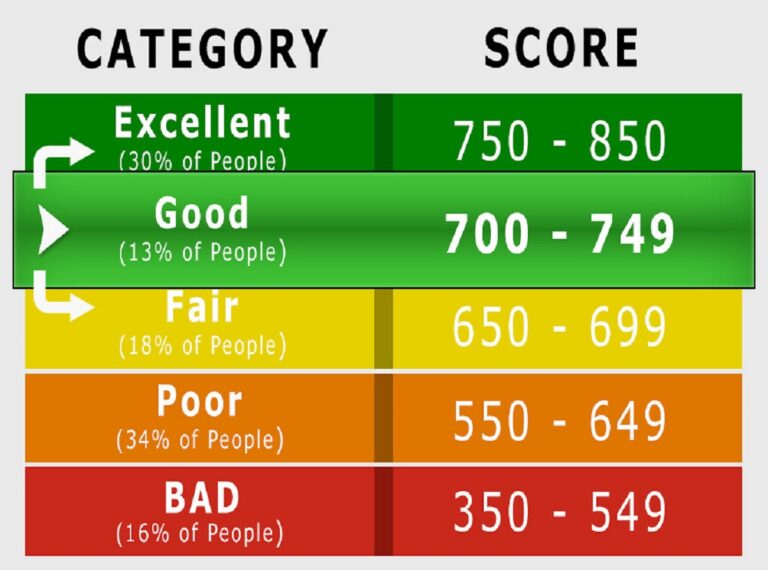
While there are many different credit scoring models, FICO and VantageScore are the most prevalent, both drawing heavily from the data Equifax collects. FICO scores typically range from 300 to 850, with higher numbers indicating lower risk. For car loans, lenders often use specialized FICO Auto Scores, which can range up to 900. These scores place more weight on your auto loan repayment history and tend to be slightly more forgiving for consumers with a strong history of car payments.
What constitutes a "good" score for a car loan can vary, but generally:
- Excellent: 780+
- Very Good: 720-779
- Good: 660-719
- Fair: 600-659
- Poor: Below 600
A higher score directly translates to a lower perceived risk for the lender. This competition for lower-risk borrowers means they are willing to offer more attractive interest rates, lower monthly payments, and more flexible loan terms. Conversely, a lower score will typically result in a higher interest rate, as the lender is compensating for the increased risk of default. This can significantly increase the total cost of your car over the life of the loan.
It’s also important to differentiate between hard and soft inquiries. When you apply for a car loan, the lender performs a "hard inquiry" on your Equifax report. This type of inquiry is recorded and can temporarily drop your credit score by a few points. Soft inquiries, on the other hand, occur when you check your own credit or when a lender pre-screens you for an offer; these do not affect your score.
Beyond the Score: Other Factors Car Lenders Consider (Often Influenced by Equifax Data)
While your Equifax credit score and report are incredibly influential, car lenders don’t base their decision solely on these factors. They look at your broader financial picture to ensure you can comfortably afford the loan. Many of these additional factors are either directly reported to or influenced by the data Equifax provides.
- Debt-to-Income (DTI) Ratio: This crucial metric compares your total monthly debt payments to your gross monthly income. Lenders want to see a DTI that leaves you enough disposable income to comfortably make your car payments. A high DTI, even with a good credit score, can signal that you’re overextended and might struggle with a new loan. Your Equifax report provides the debt side of this equation by listing all your outstanding credit obligations.
- Loan-to-Value (LTV) Ratio: This compares the amount you want to borrow to the car’s actual value. Lenders prefer a lower LTV because it means they are less exposed if the car depreciates rapidly or if you default. A large down payment helps lower your LTV, making your loan more attractive to lenders.
- Down Payment: A substantial down payment not only reduces your LTV but also demonstrates your financial commitment and ability to save. Lenders view a strong down payment as a positive indicator of your financial responsibility and ability to manage money.
- Employment Stability: Lenders want to see a consistent employment history. Stable income provides assurance that you’ll have the means to make your payments consistently. While Equifax doesn’t directly report employment history, the loan application itself will ask for this information, and it’s a key part of the lender’s risk assessment.
- Vehicle Choice: The type of car you choose also plays a role. Lenders might be more hesitant to finance a very old, high-mileage vehicle due to its lower resale value and potential for mechanical issues. Conversely, a newer, more reliable car often presents less risk to the lender.
All these factors, when combined with your Equifax credit profile, create a holistic picture of your financial viability for a car loan. Lenders weigh these elements together to determine approval, interest rates, and loan terms.
Boosting Your Chances: How to Prepare Your Equifax Profile for a Car Loan
Preparing your Equifax profile before applying for a car loan is one of the smartest moves you can make. It empowers you to address potential issues, improve your credit standing, and ultimately secure more favorable loan terms. Here are actionable steps you can take:
- Check Your Equifax Credit Report Regularly: This is arguably the most critical step. You are entitled to a free copy of your credit report from each of the three major bureaus (Equifax, Experian, TransUnion) once every 12 months via AnnualCreditReport.com. Take advantage of this. Review your Equifax report for any errors, outdated information, or signs of identity theft. Even a small mistake can negatively impact your score.
- Dispute Any Errors: If you find inaccuracies on your Equifax report, dispute them immediately. You can do this directly through the Equifax website. Provide as much documentation as possible to support your claim. Correcting errors can sometimes significantly boost your score.
- Pay Bills on Time, Every Time: Payment history is the most significant factor in your credit score. Make sure all your credit card bills, utility payments, and existing loan installments are paid by their due dates. Even one late payment can have a noticeable negative effect on your score.
- Reduce Outstanding Debt: High credit utilization (the amount of credit you’re using compared to your available credit) can hurt your score. Aim to keep your credit card balances below 30% of your credit limit, or even lower if possible. Paying down existing debts before applying for a car loan will free up more of your income, improving your debt-to-income ratio and potentially your credit score.
- Avoid New Credit Applications: In the months leading up to your car loan application, refrain from opening new credit cards or applying for other loans. Each hard inquiry can slightly ding your score, and opening new accounts can also lower your average account age, another factor in credit scoring.
- Maintain a Good Credit Mix (But Don’t Open Accounts Just to Do So): Lenders like to see that you can responsibly manage different types of credit, such as revolving credit (credit cards) and installment loans (mortgages, student loans). If you have a thin credit file, establishing a mix over time can be beneficial. However, don’t open new accounts unnecessarily if your goal is an immediate car loan.
- Build a Relationship with a Financial Institution: If you’re a member of a credit union or have a long-standing relationship with a bank, they might be more willing to offer you favorable loan terms, even if your credit isn’t perfect. They have access to your banking history, which provides an additional layer of trust beyond just your Equifax report.
By proactively managing your Equifax profile, you’re not just hoping for the best; you’re actively setting yourself up for success in the car loan application process.
Conclusion
Understanding what car loan companies use Equifax, and more importantly, how they use it, is a powerful advantage in your journey to secure vehicle financing. Equifax serves as a critical data hub, providing lenders with the comprehensive credit reports and scores they need to assess your financial reliability. From captive finance companies to banks, credit unions, and online lenders, Equifax data is consistently leveraged to make informed decisions about loan approvals, interest rates, and terms.
Your Equifax credit report and score are not just numbers; they are a reflection of your financial habits and a key determinant of your borrowing power. By regularly checking your report for accuracy, actively working to improve your credit score, and understanding the additional factors lenders consider, you can significantly boost your chances of getting approved for a car loan with the most favorable terms. Don’t leave your car loan approval to chance. Take control of your financial narrative by preparing your Equifax profile, and drive away with confidence.