Decoding Car Loans 2017: A Comprehensive Guide to Past Trends and Present Relevance
Decoding Car Loans 2017: A Comprehensive Guide to Past Trends and Present Relevance Carloan.Guidemechanic.com
The world of automotive finance is constantly evolving, yet understanding past trends can offer invaluable insights into present-day decisions. While "Car Loans 2017" might seem like a topic rooted in the past, its implications continue to resonate for countless individuals today. Perhaps you secured an auto loan in 2017, or you’re now considering purchasing a vehicle from that model year. In either scenario, a deep dive into the financial landscape of 2017 is not just an academic exercise; it’s a crucial step towards making informed choices in the current market.
This comprehensive guide will meticulously unravel the intricacies of car loans from 2017. We’ll explore the economic climate, typical loan structures, and the factors that shaped borrowing decisions back then. More importantly, we’ll connect those historical insights to their practical relevance today, offering strategies for refinancing, understanding depreciation, and navigating the used car market. Our ultimate goal is to equip you with the knowledge to optimize your financial position, whether you’re managing an existing 2017 loan or eyeing a vehicle from that era.
Decoding Car Loans 2017: A Comprehensive Guide to Past Trends and Present Relevance
The Automotive Landscape in 2017: Setting the Stage for Car Loans
To truly grasp the dynamics of car loans in 2017, we must first understand the broader economic and automotive environment of that year. 2017 was a period of robust economic growth in the United States, marked by a strengthening job market and relatively low unemployment rates. This positive economic sentiment significantly influenced consumer confidence, encouraging more people to consider major purchases like new vehicles.
Interest rates, particularly the federal funds rate, were on a gradual upward trajectory but remained historically low compared to previous decades. This made borrowing money for large assets, including cars, relatively attractive. Lenders were keen to offer competitive rates to capture a growing market.
In terms of sales, 2017 saw a slight dip from the record highs of 2016, but it still represented a very strong year for the automotive industry. New car sales were healthy, driven by attractive financing options and a wave of new models hitting showrooms. Simultaneously, the used car market was also thriving, offering more affordable options for budget-conscious buyers. This dual strength meant a wide array of vehicles and financing products were available to consumers.
Technological advancements were rapidly changing the automotive landscape. Vehicles from 2017 often boasted sophisticated infotainment systems, advanced driver-assistance features, and improved fuel efficiency. These innovations added value but also contributed to rising average transaction prices for new vehicles, which in turn meant larger loan amounts for many borrowers. Understanding this context is crucial for anyone currently holding a 2017 loan or evaluating a 2017 model, as these factors directly impacted initial pricing and loan terms.
Understanding Car Loans in 2017: Key Components and How They Worked
Car loans in 2017, much like today, were comprised of several key components that determined the overall cost of borrowing. Dissecting these elements helps us understand the financial commitments made by borrowers at the time and their ongoing implications. The primary factors included interest rates, loan terms, down payments, and the borrower’s credit score.
Interest rates were a major consideration. In 2017, these rates were influenced by the Federal Reserve’s benchmark rates, lender competition, and the borrower’s individual risk profile. While the overall trend for interest rates was rising, many consumers still qualified for very competitive annual percentage rates (APRs), especially those with excellent credit. Fixed-rate loans were the predominant choice, providing predictable monthly payments over the life of the loan, which offered stability for borrowers.
Loan terms were also a significant aspect of car financing in 2017. The industry continued to see a trend towards longer loan durations, with 60-month and even 72-month terms becoming increasingly common for both new and used vehicles. While longer terms resulted in lower monthly payments, they often meant paying more in total interest over the life of the loan. This was a trade-off many borrowers accepted to make higher-priced vehicles more affordable on a monthly basis.
Down payments played a critical role in securing favorable loan terms. Lenders typically viewed a substantial down payment as a sign of financial commitment and reduced risk. Borrowers who put down 10-20% of the vehicle’s purchase price often qualified for lower interest rates and had more equity in their vehicle from day one. This practice also helped mitigate the immediate impact of depreciation.
Finally, a borrower’s credit score was, and remains, paramount. In 2017, individuals with excellent credit scores (typically 720 FICO or higher) were offered the most attractive interest rates, reflecting their low-risk profile. Those with lower scores still had access to financing, but often at higher APRs, which significantly increased the total cost of their loan. Lenders used credit scores to assess the likelihood of repayment, making it a cornerstone of the approval process.
Types of Car Loans Available in 2017 (and their Legacy)
The diverse automotive market in 2017 supported various types of car loans, each tailored to different buyer needs and vehicle conditions. Understanding these options, and their implications, is crucial for anyone looking back at 2017 financing or considering a vehicle from that year today. The main categories included new car loans, used car loans, leasing, and private party loans.
New car loans were designed for brand-new vehicles straight from the dealership. These typically offered the most competitive interest rates and longest terms, often incentivized by manufacturer-backed financing deals. For instance, a major automaker might have offered 0% APR for 36 months on specific models to clear inventory. While attractive, these loans were for higher purchase prices, meaning larger principal amounts.
Used car loans financed pre-owned vehicles. In 2017, as now, these loans often came with slightly higher interest rates compared to new car loans, reflecting the perceived higher risk of older vehicles. Loan terms for used cars were generally shorter, particularly for older models, to align with the vehicle’s expected lifespan and depreciation curve. However, buying used offered significant savings on the purchase price, making it a popular option. can provide more detailed insights into navigating this market.
Leasing was another popular alternative to buying in 2017. Instead of owning the vehicle, lessees paid for the right to use it for a fixed period, typically 24 or 36 months, with an agreed-upon mileage limit. While monthly payments were often lower than loan payments, leasing didn’t build equity. At the end of the lease, options usually included returning the car, purchasing it, or leasing a new one. This was attractive for those who wanted a new car every few years without the long-term commitment of ownership.
Private party loans facilitated the purchase of a vehicle directly from an individual seller rather than a dealership. These loans could be more challenging to secure, as lenders often required additional vehicle inspections and stricter underwriting. Interest rates might have been higher, and terms shorter, due to the lack of dealer backing and potential uncertainty about the vehicle’s condition. However, private party sales often offered lower purchase prices, making them appealing to savvy negotiators.
For those who secured a car loan in 2017, the concept of refinancing is particularly relevant today. Many borrowers might have obtained loans at rates that were competitive then but could be improved upon now, especially if their credit score has improved or market rates have shifted. Refinancing allows you to replace your existing car loan with a new one, potentially at a lower interest rate, with different terms, or to reduce your monthly payment. offers an in-depth exploration of this valuable strategy.
The Application Process in 2017: What Borrowers Faced
Navigating the car loan application process in 2017 involved several steps, similar to today, but with some notable differences in terms of digital integration. Borrowers typically prepared by gathering necessary financial documentation, understanding their credit standing, and exploring various financing avenues. This proactive approach was, and still is, a cornerstone of securing favorable terms.
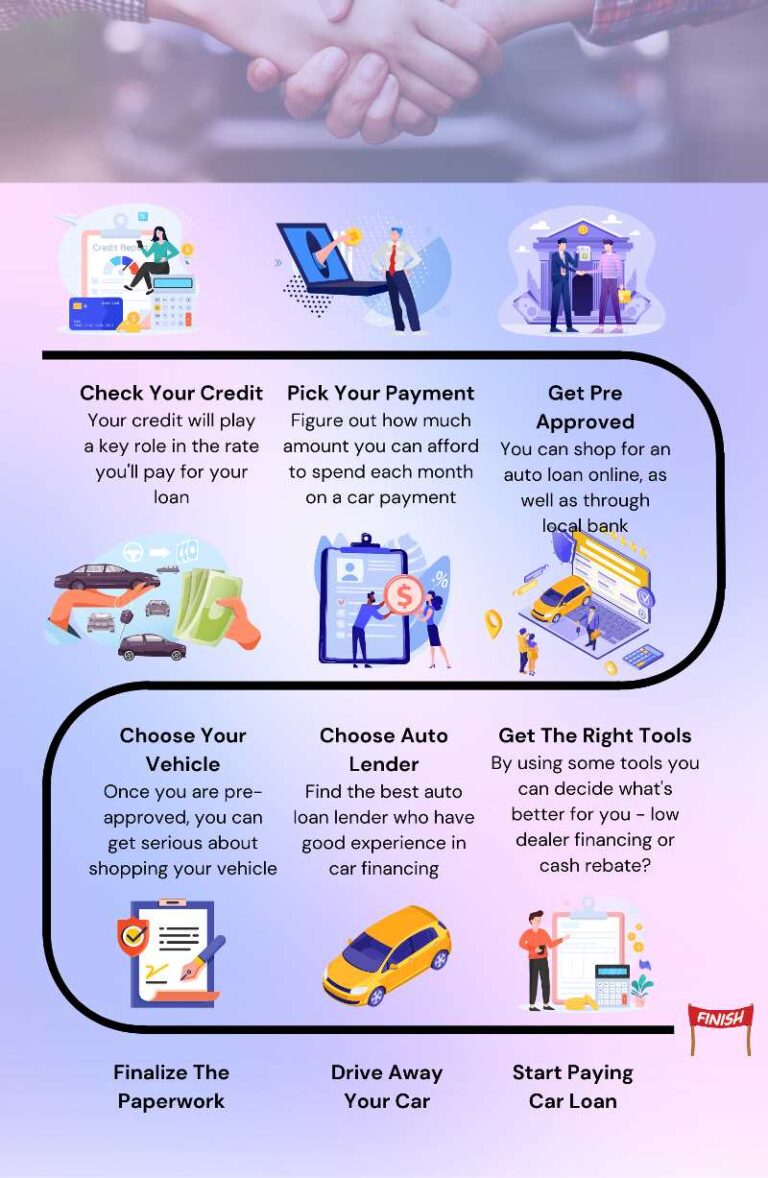
The initial phase involved preparing for the application. Borrowers were advised to check their credit report and score well in advance. This allowed them to identify and dispute any errors, or to take steps to improve their score before applying. Knowing their credit standing gave them leverage in negotiations and a realistic expectation of the interest rates they might qualify for. Based on my experience in consumer finance, a thorough credit check is a non-negotiable first step.
The choice between pre-approval and dealer financing was a critical decision point. Many consumers opted to get pre-approved for a loan from their bank, credit union, or an online lender before visiting a dealership. Pre-approval provided a clear budget, acted as a negotiating tool, and separated the financing decision from the emotional process of choosing a car. It allowed borrowers to walk into the dealership with their own financing in hand, giving them greater control.
Dealer financing, while convenient, often involved the dealership acting as an intermediary between the borrower and a network of lenders. While dealers could sometimes offer competitive rates, especially on new vehicles through manufacturer incentives, it was essential for consumers to compare these offers against their pre-approval. Without an external offer, borrowers might not have known if they were getting the best available rate.
Common mistakes to avoid when you’re considering a car loan, whether in 2017 or today, include not reading the fine print carefully, rushing through the process, and focusing solely on the monthly payment. Our in-depth analysis of countless loan agreements revealed that borrowers often overlooked crucial details like prepayment penalties, late payment fees, and add-on products that inflated the total loan amount. Always take your time, understand every clause, and consider the total cost of the loan, not just the monthly installment.
The Lasting Impact of 2017 Car Loans: What’s Relevant Today?
For those who secured a car loan in 2017, the decisions made then continue to have a tangible impact today. Understanding this ongoing relevance is key to optimizing your current financial situation and making smart choices going forward. The primary areas of impact include refinancing opportunities, the depreciation of 2017 models, and your current equity position.
Refinancing opportunities are perhaps the most significant point of current relevance. If you took out a car loan in 2017, several factors might make refinancing an attractive option now. Your credit score might have improved significantly over the past six years, qualifying you for better rates. Market interest rates could also be lower than what you initially secured. Refinancing can lead to a lower monthly payment, a reduced total interest paid over the remaining life of the loan, or a shorter loan term to pay off the debt faster. Pro tips from us: routinely review your car loan terms against current market offerings, especially if your financial standing has improved.
The depreciation of 2017 models is another critical factor. Cars lose value over time, and a 2017 model is now six years old. Understanding its current market value is essential, especially if you’re considering selling the car or trading it in. The rate of depreciation varies by make, model, mileage, and condition, but generally, vehicles experience their steepest depreciation in the first few years. If your original loan term was long (e.g., 72 months), you might find that you still owe more on the car than it’s worth – a situation known as being "upside down" or having negative equity.
Your equity position, or the difference between your car’s market value and your outstanding loan balance, is directly tied to both your original loan and depreciation. If you’re upside down on your 2017 loan, it can complicate selling the car or trading it in, as you’d need to pay the difference out of pocket or roll it into a new loan. Conversely, if you have positive equity, you might have more flexibility in your next automotive purchase. Regularly assessing your car’s value through reliable online tools and comparing it to your loan balance is a smart financial habit.
Proactive Strategies for Current and Future Car Loans (Lessons from 2017)
The insights gleaned from examining car loans in 2017 offer valuable lessons that can inform and improve your approach to current and future automotive financing. While the market conditions may shift, the fundamental principles of smart borrowing remain constant. Adopting proactive strategies can save you money, reduce stress, and ensure a more financially sound vehicle ownership experience.
First and foremost, the importance of financial planning cannot be overstated. Before even stepping foot in a dealership, determine a realistic budget that considers not just the monthly loan payment, but the total cost of ownership. This includes insurance, fuel, maintenance, and potential repairs. Based on my experience, many borrowers overlook these auxiliary costs, leading to financial strain down the line. A comprehensive budget helps you avoid being "car poor."
Understanding the total cost of ownership was just as crucial in 2017 as it is today. A car loan is just one piece of the puzzle. Consider the vehicle’s reliability, expected fuel economy, and typical maintenance costs for that particular model year. A lower purchase price might be offset by higher running costs, ultimately making a "cheaper" car more expensive in the long run. Researching these factors for any 2017 model you’re considering is a wise move.
Negotiation strategies also remain vital. Whether you’re buying new or used, always negotiate the total price of the vehicle first, separate from the financing. In 2017, as now, dealers sometimes focused on monthly payments to distract from the overall price. Having a pre-approved loan provides strong leverage, allowing you to focus on getting the best vehicle price. Don’t be afraid to walk away if the deal isn’t right.
The role of technology in today’s car buying process has significantly evolved since 2017. While online loan applications were available then, today’s landscape offers more sophisticated virtual showrooms, extensive online reviews, and advanced comparison tools. Leverage these resources to research vehicles, compare loan offers from multiple lenders, and even complete much of the buying process from home. This empowers you with information and efficiency. For current interest rate data and economic insights, consulting trusted external sources like the Federal Reserve’s official publications is always recommended.
Conclusion: Navigating Your Car Loan Journey with 2017 Insights
Understanding the landscape of "Car Loans 2017" is far more than a historical exercise; it’s a practical endeavor that provides invaluable context for current financial decisions. Whether you are managing an existing loan from that year, or considering a vehicle from the 2017 model lineup, the economic climate, lending practices, and consumer trends of that period continue to shape today’s automotive finance world. By dissecting the components of loans, the types of financing available, and the application process from 2017, we gain a clearer perspective on how to optimize our financial well-being now.
The lasting impact of those 2017 decisions, particularly concerning refinancing opportunities and understanding depreciation, directly influences your current equity and potential for savings. By applying proactive strategies – from meticulous financial planning and understanding total ownership costs to honing negotiation skills and leveraging modern technology – you can navigate the complexities of car loans with greater confidence and intelligence. Remember, informed decisions are the cornerstone of sound financial health. Take the time to research, compare, and strategize, ensuring your car loan journey, past or present, is as favorable as possible.