Decoding the Drive: Your Expert Guide on How to Sell a Car You Have a Loan On
Decoding the Drive: Your Expert Guide on How to Sell a Car You Have a Loan On Carloan.Guidemechanic.com
Selling a car can feel like a significant undertaking, even when the title is clear. But when you still owe money on your vehicle, the process can seem even more complex, shrouded in questions about paperwork, payoffs, and legalities. Many people assume it’s impossible or prohibitively difficult to sell a car with an outstanding loan, leading to missed opportunities or unnecessary stress.
However, based on my experience in the automotive and financial sectors, selling a car you have a loan on is entirely achievable. It simply requires a clear understanding of the process, a bit of preparation, and the right strategy. This comprehensive guide is designed to demystify the entire journey, providing you with the knowledge and confidence to navigate the sale successfully, whether you’re trading it in or selling it privately.
Decoding the Drive: Your Expert Guide on How to Sell a Car You Have a Loan On
Why Understanding Your Loan is the First Crucial Step
Before you even think about listing your car or visiting a dealership, the absolute first step is to thoroughly understand your current loan situation. This foundational knowledge will dictate your options and streamline the entire selling process. Without it, you’re essentially driving blind.
The Role of the Lienholder and Your Car’s Title
When you finance a car, you don’t actually hold the "clean" title outright. Instead, your lender – known as the lienholder – retains the title as collateral until the loan is fully repaid. This means they have a legal claim, or "lien," on your vehicle. You are the registered owner, but the lienholder is the legal owner in the eyes of the law until the debt is satisfied.
This is a critical distinction because you cannot legally transfer ownership of the vehicle to a new buyer without the lienholder’s permission and the release of their lien. They must be satisfied that their loan has been paid off before they will issue a clear title. Understanding this dynamic is central to every step of selling a financed car.
Pinpointing Your Outstanding Loan Balance and Payoff Quote
Your outstanding loan balance is the total amount you still owe on your car loan. While you might see this on your monthly statement, it’s crucial to request an official payoff quote directly from your lender. This isn’t just a number; it’s a precise figure that includes any accrued interest or fees up to a specific future date, typically valid for 7-10 days.
Pro tips from us: Always get a written payoff quote. This prevents any last-minute surprises or discrepancies that could complicate the sale. The regular balance on your statement might not reflect the exact amount needed to close the loan, especially if you’re selling mid-cycle.
Decoding Your Car’s Equity: Positive, Negative, or Even?
Understanding your car’s equity position is perhaps the most critical financial assessment you’ll make. Equity refers to the difference between your car’s current market value and the amount you still owe on your loan.
- Positive Equity: This is the ideal scenario. It means your car is worth more than what you owe on the loan. For example, if your car is valued at $20,000 and you owe $15,000, you have $5,000 in positive equity. This surplus will go into your pocket after the loan is paid off.
- Negative Equity (Upside Down): This is a more challenging situation, often referred to as being "upside down" or "underwater." It means your car is worth less than what you owe. If your car is valued at $15,000 but you owe $20,000, you have $5,000 in negative equity. To sell the car, you’ll need to cover this $5,000 difference out of pocket.
- Even Equity: Less common, but it means your car’s value is roughly equal to your loan balance. In this case, the sale proceeds will just cover the loan, leaving you with little to no cash.
Determining your equity will heavily influence whether you opt for a trade-in or a private sale, and what financial preparations you need to make. We’ll delve into strategies for each scenario shortly.
Option 1: Selling to a Dealership – The Path of Convenience
One of the most common and often easiest ways to sell a car you have a loan on is by trading it in or selling it outright to a dealership. This option offers significant convenience, especially if you’re also planning to purchase a new vehicle.
The Dealership Process Simplified
When you sell or trade in your financed car to a dealership, they typically handle the entire loan payoff process directly with your lienholder. This removes a considerable burden from your shoulders. Here’s how it generally works:
- Valuation: The dealership appraises your vehicle, offering you a trade-in value or a cash purchase offer.
- Negotiation: You negotiate the price of your trade-in or sale. Remember, their offer is often lower than what you might get in a private sale, as they need to recondition the car and make a profit.
- Loan Payoff: If you accept their offer, the dealership sends a check directly to your lienholder for the full payoff amount.
- Equity Handling:
- Positive Equity: If the dealership’s offer is more than your loan payoff, they will cut you a check for the difference.
- Negative Equity: If the offer is less than your loan payoff, you will need to pay the dealership the difference. This can be done out of pocket, or in some cases, the dealership might roll the negative equity into your new car loan – though this means you’ll be financing more than the new car is worth.
Advantages of Selling to a Dealership
- Convenience and Speed: This is arguably the biggest benefit. Dealerships are accustomed to handling financed vehicles and the associated paperwork. The transaction can often be completed in a single day.
- No Private Buyer Hassles: You avoid the time-consuming process of advertising, screening potential buyers, arranging test drives, and negotiating directly.
- Tax Savings (Trade-In): In many states, when you trade in your old car towards a new purchase, you only pay sales tax on the difference between the new car’s price and your trade-in value. This can result in substantial savings.
- Paperwork Handled: The dealership manages the lien release, title transfer, and all other necessary documentation.
Potential Drawbacks and Common Mistakes to Avoid
- Lower Offer: Dealerships are businesses, and they need to make a profit. Their offer for your car will typically be lower than what you could achieve through a private sale.
- Less Negotiation Power: While you can negotiate, the dealer has the upper hand, especially if you’re also buying a new car from them.
- Rolling Negative Equity: A common mistake to avoid is blindly rolling negative equity into a new loan. While it seems convenient, it means you’re immediately upside down on your new vehicle, leading to higher payments and a longer path to positive equity.
Based on my experience, always get at least two or three dealership offers. This allows you to compare and negotiate from a position of strength. Don’t feel pressured to accept the first offer you receive.
Option 2: Selling Privately – Maximizing Your Return
Selling your car directly to a private buyer can potentially yield a higher selling price than a dealership trade-in. However, it also demands more effort, patience, and a thorough understanding of the specific steps involved when a loan is still attached.
The Private Sale Process with a Loan
Selling privately when you have a loan requires careful coordination between you, the buyer, and your lienholder. The exact sequence can vary slightly depending on your equity position and state regulations, but the core principle remains: the loan must be paid off before the title can be transferred.
Scenario A: You Have Positive Equity
- Agree on Price: You and the buyer agree on a selling price.
- Buyer Pays You: The buyer pays you the agreed-upon amount. Pro tips from us: For large sums, consider using a cashier’s check, a wire transfer, or an escrow service to ensure secure payment. Never accept personal checks for the full amount without verification.
- You Pay Off Loan: You immediately use the buyer’s funds (or a portion of them) to pay off your car loan in full.
- Lien Release: Your lienholder processes the payoff and sends you a lien release document and/or the clear title. This can take anywhere from a few days to several weeks, depending on the lender and state.
- Title Transfer: Once you receive the clear title, you sign it over to the buyer at your local Department of Motor Vehicles (DMV) or equivalent agency. The buyer then registers the vehicle in their name.
Scenario B: You Have Negative Equity
This situation is more complex, as you need to cover the difference between the selling price and your loan payoff.
- Agree on Price: You and the buyer agree on a selling price.
- You Cover the Difference: Before or at the time of the sale, you must pay your lienholder the amount of your negative equity out of your own pocket. This might involve a personal loan, cash savings, or another source of funds.
- Buyer Pays You: The buyer pays you the agreed-upon selling price.
- You Pay Off Loan (Combined Funds): You combine the buyer’s payment with your own funds to pay off the entire outstanding loan balance.
- Lien Release & Title Transfer: The process then follows the positive equity scenario: lienholder releases the lien, sends the title, and you transfer it to the buyer.
Managing the Transaction: Security and Trust
Selling privately requires a greater degree of trust and caution.
- Meeting Safely: Always meet potential buyers in a public place, preferably during daylight hours. Consider bringing a friend or family member along.
- Test Drives: Accompany the buyer on all test drives. Verify they have a valid driver’s license and insurance.
- Secure Payment: For large transactions, consider meeting at your bank. The buyer can get a cashier’s check there, and you can immediately deposit it or arrange a wire transfer. An escrow service can also provide a secure third-party holding for funds until the title is clear.
Common mistakes to avoid are accepting personal checks that might bounce or sharing sensitive personal financial information with a stranger. Prioritize your safety and financial security.
Crucial Steps Before Listing Your Car for Sale
Regardless of whether you choose a dealership or a private sale, several preparatory steps are essential for a smooth and successful transaction.
1. Obtain an Official Payoff Quote
As mentioned earlier, this is non-negotiable. Contact your lienholder and request a written payoff quote. This document will specify the exact amount required to close your loan, including interest, valid for a set number of days. Knowing this precise figure is paramount for accurate pricing and financial planning.
2. Gather All Vehicle Information and Records
Potential buyers and dealerships will want to see a clear history of your car. Collect the following:
- Vehicle Identification Number (VIN): Essential for vehicle history reports.
- Accurate Mileage: Be prepared to provide the current odometer reading.
- Service Records: Documentation of regular maintenance, oil changes, and any repairs adds significant value and builds buyer confidence.
- Owner’s Manual: A small but helpful detail.
- Any Extra Keys/Fobs: Crucial for the new owner.
Having these documents organized and ready shows transparency and that you’ve cared for the vehicle.
3. Determine Your Car’s True Market Value
Pricing your car correctly is key to a quick and profitable sale. Do your research using multiple sources:
- Kelley Blue Book (KBB.com): A widely recognized standard for car valuation. Provides trade-in, private party, and retail values. (External link example: You can find reliable pricing information and estimated values for your vehicle on trusted platforms like Kelley Blue Book.)
- Edmunds.com: Another excellent resource for current market values.
- NADAguides.com: Often used by dealerships and lenders.
- Local Market Research: Browse listings on platforms like AutoTrader, CarGurus, and Craigslist for similar cars in your area. See what they’re actually selling for.
Factor in your car’s condition, mileage, features, and any recent repairs. Be realistic – an overinflated price will deter buyers.
4. Prepare Your Car for Sale: Detailing and Minor Repairs
First impressions matter tremendously. A clean, well-maintained car will sell faster and for a better price.
- Thorough Cleaning: Detail the interior and exterior. Vacuum, wipe down surfaces, clean windows, and wash/wax the exterior. Remove all personal belongings.
- Minor Repairs: Address any small issues like burned-out light bulbs, minor scratches, or warning lights on the dash. These relatively inexpensive fixes can significantly boost your car’s appeal and perceived value.
- Fluid Checks: Ensure all fluids are topped off.
For more tips on increasing your car’s resale value, check out our guide on .
Navigating Negative Equity: The Upside-Down Car Loan
Selling a car when you have negative equity presents a unique set of challenges, but it’s not an insurmountable obstacle. It simply requires a more deliberate strategy.
Understanding the Challenge
When you’re upside down on your loan, it means the market value of your car isn’t enough to cover the remaining debt. If you sell, you’re responsible for paying the difference. This can be a significant financial hit, especially if the negative equity amount is large.
Strategies for Dealing with Negative Equity
- Pay the Difference Out of Pocket: This is the most straightforward, albeit sometimes financially challenging, solution. If you have savings, paying the negative equity directly allows you to get a clear title and sell your car without further complications.
- Roll Negative Equity into a New Loan (Dealership Only): If you’re buying a new car from a dealership, they might offer to roll your negative equity into the financing for your new vehicle. While convenient, this is a dangerous path. You’ll start your new loan already owing more than the car is worth, increasing your monthly payments and extending the time until you achieve positive equity again. From my perspective as an automotive expert, this should be a last resort and only considered if the amount is minimal.
- Consider a Personal Loan: If you don’t have enough cash on hand but want to sell privately, you could take out a small personal loan to cover the negative equity. This allows you to pay off the car loan, get the title, and then sell the car. You’ll still have a loan, but it will be a personal loan separate from the car, and you can pay it down with the proceeds from the sale.
- Wait and Pay Down Your Loan: If none of the above options are feasible, the most financially prudent choice might be to simply keep your car longer. Continue making payments, ideally accelerating them if possible, until you build up enough positive equity to sell without incurring a loss.
- Refinance Your Current Loan: Sometimes, refinancing your current loan to a lower interest rate or a longer term can reduce your monthly payments, allowing you to pay down the principal faster or simply make the car more affordable to keep while you build equity. If you’re still considering whether to sell or refinance, our article on might offer further insights.
The Paperwork & Legalities: Don’t Get Bogged Down
Once you have a buyer and have sorted out the financial aspects, the final hurdle is the paperwork. This is where many private sellers make mistakes, leading to future headaches.
1. The Bill of Sale
A bill of sale is a legally binding document that details the transaction between the seller and the buyer. It should include:
- Seller’s and buyer’s full names, addresses, and contact information.
- Vehicle details: Make, model, year, VIN, odometer reading.
- Selling price.
- Date of sale.
- A statement that the car is sold "as-is" (if applicable, which is common for private sales).
- Signatures of both parties.
Always create two copies – one for you, one for the buyer.
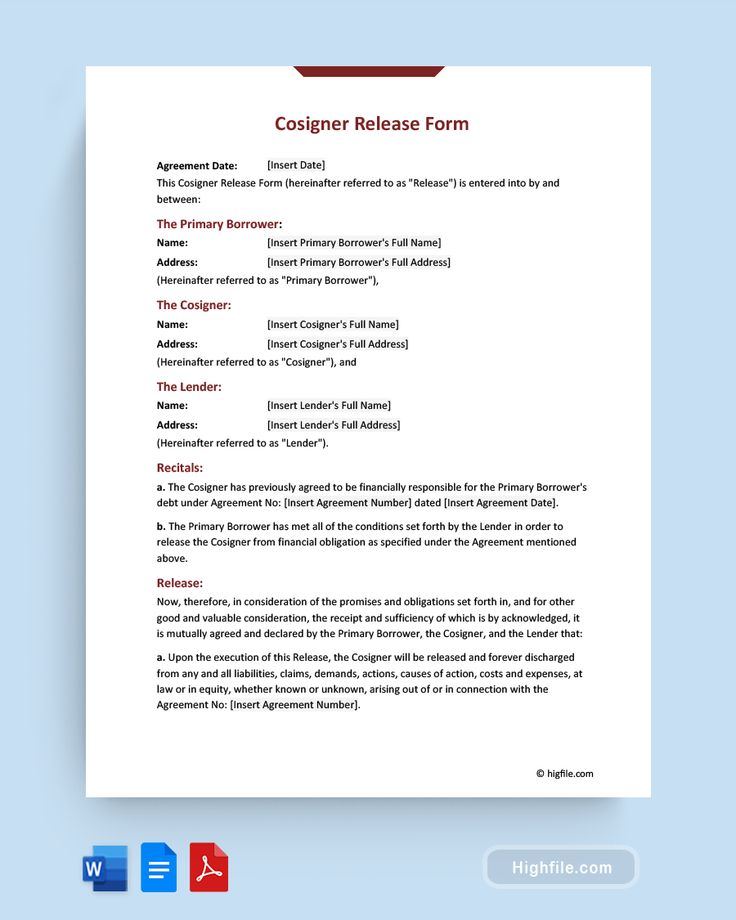
2. Lien Release and Title Transfer
This is the core of selling a financed car.
- Lien Release: Once your loan is paid in full, your lienholder will issue a lien release document. This officially states that they no longer have a claim on the vehicle. Depending on your state, they might send you the clear title directly, or send the lien release for you to take to the DMV to get a new title.
- Title Transfer: With the clear title in hand, you (the seller) will sign it over to the buyer. This typically happens at the DMV. Ensure all required fields are filled out accurately, including the selling price and odometer reading. The buyer then takes this signed title to register the vehicle in their name.
A common pitfall is overlooking the timeline for receiving the lien release. Factor this into your sale plan, especially if the buyer needs the car quickly. Communicate transparently with the buyer about this process.
3. Other Considerations: Sales Tax, Registration, and Plates
- Sales Tax: This is generally the buyer’s responsibility and is paid when they register the car in their name.
- Registration: The buyer is responsible for registering the car in their name and paying any associated fees.
- License Plates: In most states, the license plates stay with the seller, who then returns them to the DMV or transfers them to a new vehicle. Be sure to remove your plates after the sale.
- Notify Your Insurance: Inform your car insurance company that you’ve sold the vehicle to avoid paying premiums unnecessarily.
Safety & Security Tips for a Smooth Private Sale
Selling a car privately means interacting with strangers. Your safety and financial security should always be top priorities.
- Public Meeting Places: Arrange to meet potential buyers in well-lit, public locations. Police stations often offer designated safe zones for such transactions.
- Bring a Companion: Always bring a friend or family member with you when meeting buyers or allowing test drives.
- Verify Driver’s License: Before any test drive, ask to see the potential buyer’s valid driver’s license. Take a photo of it if you feel comfortable.
- Secure Payments: As discussed, for large sums, insist on a cashier’s check (verify its authenticity with the issuing bank), a wire transfer, or use a reputable escrow service. Avoid cash unless it’s a small amount, and never accept personal checks.
- Remove Personal Items: Before showing the car, remove all personal documents, garage door openers, and anything else you don’t want a stranger to see or have.
- Be Wary of Scams: Be cautious of buyers who offer more than the asking price, want to pay with unusual methods, or pressure you to ship the car. These are common red flags for scams.
Conclusion: Empowering Your Car Sale Journey
Selling a car you have a loan on might seem daunting at first, but with the right knowledge and a methodical approach, it’s a perfectly manageable process. By understanding your loan details, determining your equity, choosing the right selling path (dealership or private), and diligently managing the paperwork, you can navigate the sale with confidence and achieve your desired outcome.
Remember, preparation is key. Get that payoff quote, understand your car’s value, and choose the strategy that best fits your financial situation and comfort level. Don’t let the existence of a lien deter you – thousands of people successfully sell financed cars every day. Now, armed with this comprehensive guide, you have the expertise to join them. Start planning your sale today, and drive towards your next adventure!