Demystifying Car Loans: Your Ultimate Guide to Driving Away with Confidence
Demystifying Car Loans: Your Ultimate Guide to Driving Away with Confidence Carloan.Guidemechanic.com
The dream of owning a car is a powerful one. Whether it’s the freedom of the open road, the convenience of daily commutes, or the joy of weekend adventures, a personal vehicle can transform your life. For many, turning this dream into a reality involves understanding a crucial financial tool: the car loan. But what’s a car loan, exactly? It’s more than just borrowing money; it’s a strategic financial decision that impacts your budget, your credit, and ultimately, your driving experience.
In this comprehensive guide, we’ll strip away the jargon and break down everything you need to know about car loans. From their fundamental definition to the intricacies of application, management, and common pitfalls, we’ll equip you with the knowledge to make informed choices. Our goal is to empower you to navigate the world of vehicle financing with confidence, ensuring you secure the best deal for your dream ride.
Demystifying Car Loans: Your Ultimate Guide to Driving Away with Confidence
What Exactly is a Car Loan? The Core Definition
At its heart, a car loan is a type of secured loan specifically designed to help you purchase a vehicle. When you take out a car loan, a financial institution—be it a bank, credit union, or the dealership itself—lends you a specific amount of money to cover the cost of a car. In return, you agree to repay that money over a set period, typically with added interest.
The "secured" aspect is key here. It means the car itself acts as collateral for the loan. If you fail to make your agreed-upon payments, the lender has the legal right to repossess the vehicle to recover their losses. This arrangement reduces the risk for the lender, which often translates to more favorable interest rates compared to unsecured personal loans.
Essentially, a car loan allows you to acquire a significant asset without needing to pay the full price upfront. Instead, you make manageable monthly payments, gradually paying off the principal amount borrowed plus the interest charged for the privilege of borrowing. It’s a widely used financial instrument that makes car ownership accessible to millions.
Why Do People Get Car Loans? Beyond Just Buying a Car
The primary reason for getting a car loan is, of course, to purchase a vehicle when you don’t have enough cash saved to buy it outright. However, the benefits extend far beyond immediate accessibility. Understanding these advantages can help you appreciate the role of vehicle financing in your personal financial strategy.
Firstly, car loans enable you to spread out a large expense over several years. This prevents a massive one-time drain on your savings, allowing you to maintain financial liquidity for other needs or emergencies. For many individuals and families, buying a car in full is simply not a realistic option without significant financial sacrifice.
Secondly, responsibly managing a car loan can be an excellent way to build or improve your credit history. Each on-time payment you make is reported to credit bureaus, demonstrating your reliability as a borrower. This positive credit history can then open doors to better rates on future loans, mortgages, and even insurance. Based on my experience, a well-managed auto loan is one of the most effective ways to establish a strong credit profile early on.
Finally, car loans offer flexibility in vehicle choice. Without financing, your options might be limited to much older or less reliable cars. With a loan, you can often afford a newer, safer, or more fuel-efficient model that better suits your needs and provides greater peace of mind. It’s about more than just buying a car; it’s about investing in a reliable mode of transportation that enhances your quality of life.
The Key Components of a Car Loan: Understanding the Anatomy
To truly grasp what’s a car loan, you need to understand its fundamental building blocks. Each component plays a vital role in determining your monthly payment, the total cost of the loan, and your overall financial obligation.
The Principal Amount
The principal is the initial sum of money you borrow from the lender. This amount typically covers the negotiated price of the car, minus any down payment you make, and sometimes includes taxes, fees, and extended warranties rolled into the loan. It’s the base figure upon which all interest calculations are made. A higher principal means more to repay, and consequently, higher monthly payments and potentially more interest over the life of the loan.
The Interest Rate (APR)
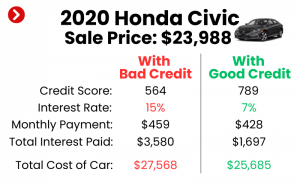
The interest rate is essentially the cost of borrowing money, expressed as a percentage of the principal. It’s the profit the lender makes for providing you with the funds. Often, you’ll see this referred to as the Annual Percentage Rate (APR), which includes the interest rate plus certain fees. A lower APR means you pay less over the life of the loan.
Interest rates can be fixed, meaning they stay the same throughout the loan term, or variable, meaning they can fluctuate with market conditions. Pro tips from us: Fixed-rate loans are generally preferred for car purchases as they provide predictable monthly payments, making budgeting much easier. Even a small difference in APR can save you thousands of dollars over a multi-year loan.
The Loan Term
The loan term is the duration over which you agree to repay the loan, usually expressed in months (e.g., 36, 48, 60, 72, or even 84 months). This is a critical factor influencing your monthly payment. A longer loan term will result in lower monthly payments, making the car seem more affordable upfront.
However, a longer term also means you’ll pay more in total interest over the life of the loan. Conversely, a shorter term leads to higher monthly payments but significantly less total interest paid. It’s a balance between affordability now and total cost later. Common mistakes to avoid are automatically opting for the longest term just to reduce the monthly payment without considering the increased overall cost.
The Down Payment
A down payment is an upfront sum of money you pay towards the purchase of the car, reducing the amount you need to borrow. This is not a mandatory component for all loans, but it’s highly recommended. Making a larger down payment has several advantages.
Firstly, it reduces your principal, which in turn lowers your monthly payments and the total interest you’ll pay. Secondly, it signals to lenders that you’re a serious and committed buyer, potentially leading to better interest rates. Thirdly, a significant down payment helps you avoid being "upside down" on your loan, where you owe more than the car is worth, a common issue with new cars that rapidly depreciate.
The Monthly Payment
This is the amount you pay back to the lender each month until the loan is fully repaid. Your monthly payment is determined by a combination of the principal amount, the interest rate, and the loan term. Lenders use amortization schedules to calculate how much of each payment goes towards the principal and how much towards interest.
Early in the loan term, a larger portion of your payment typically goes towards interest. As you get closer to paying off the loan, more of each payment contributes to reducing the principal. Understanding how this payment is structured is crucial for effective budgeting.
Collateral
As mentioned, the car itself serves as collateral for the loan. This means the lender holds a lien on the vehicle until the loan is fully repaid. If you default on your payments, the lender has the right to repossess and sell the car to recoup their losses. Once the loan is paid off, the lien is removed, and you receive the car’s title, signifying full ownership. This secured nature is fundamental to what’s a car loan and how it functions in the lending market.
Types of Car Loans: Exploring Your Options
Not all car loans are created equal. Different situations call for different types of financing. Understanding these distinctions will help you choose the best path for your specific needs.
New Car Loans
These loans are for purchasing brand-new vehicles directly from a dealership. They generally come with the lowest interest rates because new cars typically hold their value better initially and are less risky for lenders. Manufacturers and dealerships often offer special promotional rates for new cars to incentivize sales.
Used Car Loans
When you’re buying a pre-owned vehicle, you’ll apply for a used car loan. These loans often have slightly higher interest rates than new car loans. This is because used cars can be perceived as having a higher risk due to potential mechanical issues and faster depreciation compared to new models. The age and mileage of the used car can also impact the interest rate you receive.
Refinance Loans
If you already have a car loan but want to change its terms—perhaps to get a lower interest rate, reduce your monthly payment, or shorten your loan term—you can opt for a refinance loan. This involves taking out a new loan to pay off your existing one. Based on my experience, refinancing can be a smart move if your credit score has significantly improved since you first took out the loan, or if market interest rates have dropped.
Lease vs. Buy (A Brief Distinction)
While not a loan in the traditional sense, leasing is a common alternative to buying that often comes up in financing discussions. When you lease, you’re essentially paying to use the car for a set period, typically 2-4 years, rather than owning it. You make monthly payments, but at the end of the lease, you return the car or have the option to buy it for a predetermined residual value. Leasing usually involves lower monthly payments than buying, but you don’t build equity in the vehicle. This is an important distinction to consider when exploring vehicle acquisition.
Dealer Financing vs. Bank/Credit Union Loans
When financing a car, you typically have two main avenues: through the dealership or through an external lender like a bank or credit union.
- Dealer Financing: Dealerships often act as intermediaries, connecting you with their network of lenders. They can sometimes offer competitive rates, especially if there are manufacturer incentives. The convenience of handling everything in one place is a major draw. However, common mistakes to avoid are not shopping around for rates beyond the dealership. Dealers might mark up the interest rate they receive from lenders to make a profit, so their initial offer might not be the absolute best available.
- Bank/Credit Union Loans: Applying for a loan directly with your bank or a local credit union often allows you to secure pre-approval before you even step onto the dealership lot. This gives you significant leverage in negotiations, as you already have financing secured and can focus solely on the car’s price. Credit unions, in particular, are known for offering very competitive rates to their members. Pro tips from us: Always get pre-approved from at least one external lender before visiting the dealership to ensure you have a strong baseline for comparison.
The Car Loan Application Process: A Step-by-Step Guide
Securing a car loan doesn’t have to be daunting. By following a clear process, you can approach financing with confidence and ensure a smooth experience.
- Check Your Credit Score and Report: Your credit score is the single most influential factor in determining your loan approval and interest rate. Before you do anything else, obtain a copy of your credit report and score. This allows you to identify any errors and understand where you stand. A higher score (generally above 670) will qualify you for better rates.
- Determine Your Budget: Before falling in love with a car, figure out how much you can truly afford. This includes not just the monthly loan payment but also insurance, fuel, maintenance, and registration fees. A common guideline is that your total car expenses shouldn’t exceed 10-15% of your monthly take-home pay.
- Get Pre-approved (Highly Recommended): This is a game-changer. Apply for a car loan with your bank, credit union, or online lenders before you start car shopping. Pre-approval gives you a concrete offer, including the maximum loan amount and interest rate you qualify for. It turns you into a cash buyer at the dealership, allowing you to negotiate the car price separately from the financing.
- Gather Necessary Documents: Lenders will require specific documentation to process your application. This typically includes proof of identity (driver’s license), proof of income (pay stubs, tax returns), proof of residence (utility bill), and sometimes banking information. Having these ready streamlines the process.
- Shop for Rates (Compare Multiple Lenders): Don’t just settle for the first offer you receive. Apply to several lenders within a short timeframe (usually 14-45 days, depending on the credit scoring model) to minimize the impact on your credit score. This allows you to compare APRs, terms, and fees to find the best deal.
- Negotiate the Car Price and Loan Terms: With pre-approval in hand, you can negotiate the car’s price with the dealership as a separate transaction. Once the price is set, you can then compare the dealer’s financing offer against your pre-approval. Always negotiate the total out-the-door price of the car, not just the monthly payment.
- Read the Fine Print and Close the Deal: Before signing anything, thoroughly read the entire loan agreement. Understand all terms, conditions, fees, and any prepayment penalties. Ask questions if anything is unclear. Once you’re satisfied, sign the documents, and congratulations – you’re the proud owner (or soon-to-be owner) of a new vehicle!
Factors Affecting Your Car Loan Approval and Rates
Several critical factors influence whether you’ll be approved for a car loan and what interest rate you’ll receive. Understanding these can help you position yourself for the best possible outcome.
- Credit Score: As previously mentioned, your credit score is paramount. Lenders use it as a quick indicator of your creditworthiness and your likelihood of repaying the loan. A higher score typically leads to lower interest rates because you’re seen as a less risky borrower.
- Debt-to-Income Ratio (DTI): This ratio compares your total monthly debt payments (including the proposed car loan payment) to your gross monthly income. Lenders want to ensure you have enough disposable income to comfortably make your car payments. A DTI below 36% is generally favorable, though some lenders may go higher.
- Loan-to-Value Ratio (LTV): This ratio compares the amount you want to borrow to the actual value of the car. If you’re borrowing more than the car is worth (e.g., rolling negative equity from a trade-in into the new loan), your LTV will be high, increasing the lender’s risk and potentially leading to higher rates or denial.
- Down Payment Amount: A larger down payment reduces the principal amount borrowed, lowering the LTV and showing your commitment. This can significantly improve your chances of approval and secure a better interest rate.
- Loan Term: While longer terms offer lower monthly payments, they can sometimes lead to slightly higher interest rates, as the lender is taking on risk for a longer period. Shorter terms often come with more attractive rates.
- Vehicle Type and Age: Lenders assess the risk associated with the vehicle itself. Newer cars with lower mileage are generally less risky than older, high-mileage vehicles, which can break down more often. This often results in better rates for new or nearly new cars.
- Income Stability and Employment History: Lenders want to see a steady income and a consistent employment history. This demonstrates your ability to make regular payments over the loan term.
Common Mistakes to Avoid When Getting a Car Loan
Navigating the car loan landscape can be tricky, and it’s easy to make missteps that cost you money. Based on my experience, many first-time buyers fall into the trap of only looking at the monthly payment. Here are some common mistakes to actively avoid:
- Not Budgeting Properly: Failing to account for all car-related expenses beyond the monthly payment (insurance, fuel, maintenance) can lead to financial strain down the road.
- Ignoring Your Credit Score: Not checking your credit score beforehand means you’re going into negotiations blind, potentially accepting a higher rate than you deserve.
- Only Accepting Dealer Financing: While convenient, relying solely on the dealership’s financing without comparing external offers means you might miss out on better rates.
- Extending the Loan Term Too Much: Opting for excessively long loan terms (e.g., 72 or 84 months) significantly increases the total interest paid and can leave you "upside down" on the loan for longer.
- Focusing Only on Monthly Payment: This is a classic trap. A salesperson might stretch out the loan term or add expensive add-ons to keep the monthly payment low, but this dramatically increases your total cost. Always focus on the total price of the car and the total cost of the loan.
- Skipping the Pre-approval Step: As discussed, pre-approval gives you negotiating power and a clear benchmark for comparison. Skipping it leaves you at a disadvantage.
- Not Reading the Fine Print: Loan agreements can be complex. Overlooking crucial details like prepayment penalties, late fees, or additional charges can lead to unpleasant surprises later. Always read every line before signing.
Managing Your Car Loan Responsibly: After Approval
Getting approved for a car loan is just the beginning. Responsible management is key to protecting your credit and ensuring a smooth ownership experience.
The most critical aspect is making timely payments, every single month. Late payments can severely damage your credit score, incur late fees, and even lead to repossession. Set up automatic payments or calendar reminders to ensure you never miss a due date.
Understand your loan’s early repayment policy. Some loans have prepayment penalties, which are fees charged if you pay off the loan before the scheduled term. Most modern car loans, however, do not have these, allowing you to pay extra towards your principal whenever you can, saving you interest.
Keep an eye on refinancing opportunities. If interest rates drop or your credit score significantly improves after a year or two, you might be able to refinance your loan for a lower APR, reducing your monthly payment or the total interest paid.
Finally, remember that the car is the collateral. Keep it insured with comprehensive coverage as required by your lender, and budget for its ongoing maintenance. A well-maintained car retains its value better, protecting your investment. For more trusted information on managing consumer debt, consider resources like the Consumer Financial Protection Bureau (CFPB) at https://www.consumerfinance.gov/.
The Future of Car Loans: Evolving Landscapes
The world of car loans is not static. We’re seeing exciting developments that will shape how people finance vehicles in the years to come. Online lenders continue to gain traction, offering streamlined application processes and competitive rates, often leveraging advanced algorithms for faster approvals. Artificial intelligence is also playing a larger role in lending decisions, allowing for more personalized risk assessments.
The rise of electric vehicles (EVs) is another significant trend. As EVs become more mainstream, we can expect to see specialized financing options, government incentives, and potentially different depreciation schedules impacting loan terms and rates. Understanding these evolving dynamics will be crucial for future car buyers.
Conclusion: Drive Away Informed and Confident
Understanding what’s a car loan is fundamental to smart car ownership. It’s a powerful financial tool that makes vehicle acquisition accessible, but it demands careful consideration and responsible management. By grasping the core components, exploring your options, navigating the application process wisely, and avoiding common pitfalls, you empower yourself to make the best financial decisions.
Remember, the goal isn’t just to get approved, but to secure a loan that aligns with your budget and financial goals. Take the time to research, compare offers, and ask questions. With the insights provided in this comprehensive guide, you are now well-equipped to drive away with confidence, knowing you’ve made an informed choice for your next vehicle. Happy driving!