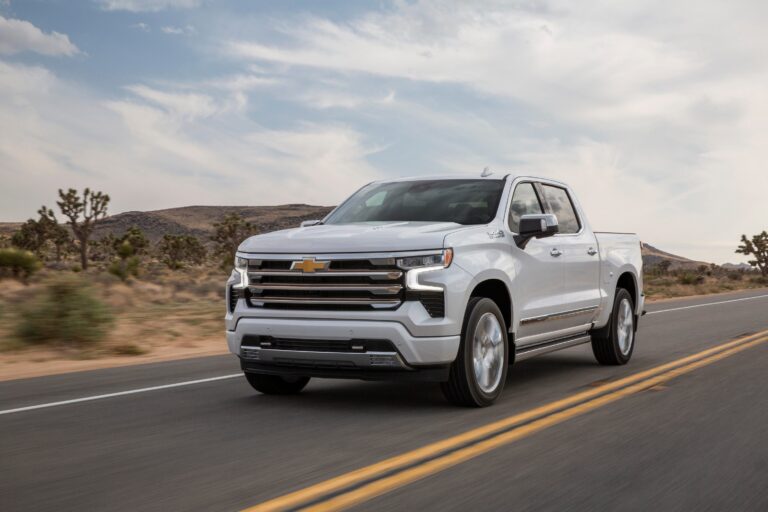
Demystifying Collateral Insurance on Car Loans: Your Ultimate Guide to Protecting Your Investment
Demystifying Collateral Insurance on Car Loans: Your Ultimate Guide to Protecting Your Investment Carloan.Guidemechanic.com
Buying a car is an exciting milestone for many, representing freedom, convenience, and a significant personal investment. For most, this dream is realized through a car loan, transforming the vehicle into not just a mode of transport, but also a piece of collateral. This is where a crucial, yet often misunderstood, element enters the picture: collateral insurance on a car loan.
Far too many drivers mistakenly believe that basic liability coverage is all they need. However, when you finance a vehicle, your lender has a vested interest in that asset until you’ve paid off every last penny. This deep dive will unravel the complexities of collateral insurance, explain why it’s non-negotiable, and empower you to make informed decisions that protect both your vehicle and your financial well-being. By the end of this article, you’ll understand precisely how to safeguard your car loan and avoid costly pitfalls.
Demystifying Collateral Insurance on Car Loans: Your Ultimate Guide to Protecting Your Investment
What Exactly is Collateral Insurance on a Car Loan?
At its core, collateral insurance for a car loan isn’t a standalone policy you buy. Instead, it refers to the specific types of auto insurance coverage that protect the value of the financed vehicle itself. When you take out a car loan, the vehicle serves as "collateral," meaning it’s security for the debt. If you fail to make payments, the lender has the right to repossess the car to recover their losses.
The catch is, what if the car is stolen, damaged, or totaled before the loan is fully paid? Without adequate protection, the lender could lose their asset, and you could be stuck owing money for a car you no longer possess or can’t drive. This is precisely why lenders mandate certain insurance coverages.
This requirement ensures that if something happens to the car, there’s an insurance payout to cover the outstanding loan balance, or at least a significant portion of it. It’s a risk management strategy for financial institutions, ensuring their investment in your car is protected against unforeseen circumstances. Understanding this fundamental concept is the first step toward smart auto loan management.
The Mandate: Why Lenders Insist on It
Lenders aren’t just being difficult when they demand specific insurance coverages for your financed vehicle. Their insistence stems from a legitimate need to protect their financial interests. It’s a standard practice across the lending industry for very practical reasons.
Protecting Their Investment
From the lender’s perspective, your car is more than just a vehicle; it’s a valuable asset that secures the loan. If you default on your payments, they can repossess and sell the car to recoup their money. However, this recovery strategy is completely undermined if the car is damaged beyond repair or stolen.
Without robust insurance, the lender faces a substantial loss. Their primary concern is to ensure that the value of their collateral is always protected, regardless of what misfortunes might befall the vehicle. This protection is fundamentally what collateral insurance provides.
Mitigating Risk
Imagine a scenario where your brand-new, financed car is totaled in an accident or vanishes due to theft. Without comprehensive and collision coverage, you would still owe the full loan amount to the bank, even though the car is gone. This situation, known as being "upside down" or "underwater" on your loan, is a huge risk for both you and the lender.
Collateral insurance significantly mitigates this risk. It ensures that an insurance company will pay out the car’s actual cash value (ACV) in such events, which can then be used to pay down or pay off the loan. This prevents a situation where the borrower has no car but still has a hefty debt.
Legal & Contractual Obligations
The requirement for specific insurance types isn’t just a suggestion; it’s a contractual obligation. When you sign your car loan agreement, there will almost certainly be clauses detailing the exact insurance coverages you must maintain throughout the loan term. Failing to adhere to these terms can lead to serious consequences, including default on your loan.
These contractual requirements are legally binding and are put in place to safeguard the lender’s interest. It’s crucial to read your loan agreement carefully to understand these specific mandates, as they can vary slightly between lenders.
Decoding the Types: What Insurance Policies Fulfill This Requirement?
When lenders talk about "collateral insurance," they are generally referring to specific types of coverage that protect the physical value of the vehicle. It’s not a single, separate policy, but rather a combination of standard auto insurance coverages.
Comprehensive Coverage
This is one of the pillars of collateral insurance. Comprehensive coverage protects your vehicle from damage not caused by a collision. Think of it as protection against the unpredictable. This includes incidents such as theft, vandalism, fire, falling objects (like tree branches), natural disasters (hail, floods), and even damage from striking an animal.
If your car is stolen or suffers significant damage from one of these non-collision events, your comprehensive policy will pay for the repairs or the actual cash value of the vehicle, minus your deductible. This ensures the car’s value, and therefore the lender’s collateral, is protected against a wide array of non-accident-related risks.
Collision Coverage
The other crucial pillar is collision coverage. As its name suggests, this policy pays for damages to your own vehicle if it collides with another car or object, regardless of who is at fault. This could be anything from a fender bender in a parking lot to a major highway accident.
If your car is totaled in a collision, this coverage will provide funds to replace the vehicle or pay off your loan, up to the car’s actual cash value and minus your deductible. Paired with comprehensive coverage, collision insurance forms the core of what lenders require to protect their collateral against most physical damage scenarios.
Gap Insurance (A Special Consideration)
While not always explicitly mandated by lenders, Gap insurance is incredibly important for protecting your car loan, especially for new vehicles. Cars depreciate rapidly the moment they leave the dealership lot. In the event of a total loss (due to theft or severe damage), your standard comprehensive and collision policies will only pay out the car’s actual cash value (ACV) at the time of the incident.
Based on my experience, many borrowers overlook Gap insurance until it’s too late. If your ACV is less than your outstanding loan balance—a common scenario, particularly in the early years of a loan—Gap insurance steps in to cover that "gap." Without it, you could find yourself without a car, still owing thousands of dollars to the lender, a truly devastating financial blow. It’s a small premium for significant peace of mind.
What About Liability Insurance?
It’s vital to clarify that liability insurance, while legally required in most states to drive, does not fulfill the collateral insurance requirement. Liability coverage protects other drivers, their passengers, and their property if you are at fault in an accident. It covers their medical bills and repair costs, but it does not cover damage to your vehicle.
While you absolutely need liability insurance to legally operate your car, it offers zero protection for the lender’s collateral. Comprehensive, collision, and often Gap insurance are the coverages that truly protect your financed vehicle’s value.
How Much is Enough? Determining Adequate Coverage
Knowing which types of insurance are required is only half the battle. The next crucial step is understanding how much coverage is actually "enough" to satisfy your lender and genuinely protect your financial interests. This isn’t a one-size-fits-all answer, but rather a calculation based on several factors.
Loan Balance vs. Car Value
The primary consideration for your lender is that your insurance coverage can, at minimum, cover the outstanding balance of your car loan. If your car is totaled, the payout from your comprehensive or collision policy should ideally be sufficient to pay off the remaining debt.
As your car depreciates over time and you pay down your loan, the gap between the two usually narrows. However, in the early years of a loan, especially with a small down payment, your loan balance can easily exceed the car’s actual cash value. This is where Gap insurance becomes particularly valuable, as discussed earlier.
Lender’s Minimum Requirements
Your loan agreement will explicitly state the minimum insurance coverages you must carry. This typically includes specific deductible limits for comprehensive and collision coverage. For example, a lender might stipulate that you must maintain comprehensive and collision with a deductible no higher than $500 or $1,000.
It’s paramount to review these terms carefully and ensure your policy meets or exceeds them. Failure to do so could result in the lender force-placing insurance on your behalf, which is almost always more expensive and less comprehensive than a policy you’d purchase yourself.
Deductibles: The Out-of-Pocket Factor
Your deductible is the amount you agree to pay out-of-pocket before your insurance coverage kicks in for a claim. While a higher deductible generally means lower monthly premiums, it also means you’ll pay more upfront if you need to file a claim.
Common mistakes to avoid are choosing a high deductible just to save a few dollars on premiums without considering your emergency fund. If you have a $2,500 deductible and a covered event occurs, you need to have that amount readily available. For collateral insurance purposes, lenders often set limits on deductibles precisely because they want to ensure a substantial payout for their collateral, minimizing your out-of-pocket burden that might prevent repairs.
The Consequences of Lacking Collateral Insurance
Ignoring the collateral insurance requirements of your car loan can lead to a cascade of financial headaches and potentially severe consequences. Lenders take these requirements very seriously, and for good reason.
Lender-Placed Insurance (LPI) / Force-Placed Insurance
One of the most immediate and common repercussions is what’s known as lender-placed insurance (LPI) or force-placed insurance. If your lender discovers you’ve let your required comprehensive and collision coverage lapse, or that your policy doesn’t meet their minimums, they have the right to purchase insurance on your behalf.
This LPI is designed solely to protect the lender’s interest, not yours. It’s typically much more expensive than a policy you’d buy yourself, and it often provides minimal coverage—just enough to protect the collateral, with no liability or personal injury protection for you. The premiums for this force-placed insurance are then added directly to your monthly car loan payments, significantly increasing your financial burden.
Default on Loan Agreement
Failing to maintain the required insurance coverage is a direct violation of your car loan contract. This breach of contract can be considered a default on your loan. A loan default can trigger serious actions from your lender.
In the worst-case scenario, the lender could initiate repossession proceedings. Even if you’re current on your monthly loan payments, a lack of required insurance can give them the legal grounds to take back the vehicle. This not only leaves you without a car but also severely damages your credit score for years to come.
Financial Ruin
Perhaps the most devastating consequence is the potential for financial ruin if the unthinkable happens. Imagine your uninsured, financed car is stolen or totaled in an accident. You would be left without a vehicle, unable to get to work or run errands, and still legally obligated to pay off the entire remaining loan balance.
This situation can quickly lead to overwhelming debt, especially if you can’t afford a replacement vehicle while still paying for the old one. It’s a stark reminder that collateral insurance isn’t just a lender’s demand; it’s a vital safety net for your own financial stability.
Navigating the Process: Getting & Maintaining Your Policy
Securing and maintaining appropriate collateral insurance doesn’t have to be a daunting task. With a proactive approach, you can ensure you meet all requirements without overpaying.
Shop Around for the Best Rates
Just like you would compare car loan offers, it’s crucial to shop around for auto insurance. Different insurance providers have varying pricing structures, discounts, and customer service reputations. Obtain quotes from multiple companies – established national carriers, regional insurers, and even online-only providers.
Don’t settle for the first quote you receive. Use online comparison tools or work with an independent insurance agent who can provide quotes from several companies simultaneously. This competitive shopping can lead to significant savings on your premiums while ensuring you get the required coverage.
Inform Your Lender
Once you’ve selected an insurance policy, it’s essential to inform your lender. They will need proof of insurance, and typically, they will require that they are listed as a "loss payee" or "additional insured" on your policy. This ensures that in the event of a total loss, the insurance company will directly notify and often pay the lender first.
Providing your lender with your insurance policy details promptly ensures there’s no lapse in coverage reporting. It prevents them from assuming you’re uninsured and potentially force-placing an expensive policy on your behalf. Keep records of all communications and policy documents.
Review Your Policy Annually
Your insurance needs are not static; they evolve over time. Pro tips from us: Don’t just set it and forget it. Your insurance needs evolve as your loan balance decreases and your car depreciates. At least once a year, preferably around your policy renewal date, take the time to review your auto insurance coverage.
Consider if your deductibles are still appropriate for your financial situation. As your loan balance shrinks, you might find that you can adjust your comprehensive and collision coverage limits or even drop Gap insurance if your car’s actual cash value now exceeds what you owe. Reviewing your policy annually also gives you an opportunity to re-shop for rates and ensure you’re still getting the best value.
Beyond the Basics: Advanced Tips for Smart Borrowers
While meeting the core collateral insurance requirements is essential, truly smart borrowers look for ways to optimize their insurance and financial health. Here are some advanced tips to consider.
Consider the impact of your credit score on insurance premiums. Insurers often use credit scores as a factor in determining rates, as it’s statistically correlated with the likelihood of filing a claim. A good credit score can lead to lower premiums.
Bundling your car insurance with other policies, such as homeowner’s or renter’s insurance, is another savvy move. Most insurance companies offer multi-policy discounts that can significantly reduce your overall insurance costs. It’s always worth asking your agent about available bundling options.
Finally, always understand your policy’s fine print. Don’t just skim through it. Know what’s covered, what’s excluded, your deductible amounts, and the claims process. Being informed empowers you to make the most of your coverage when you need it most.
For more insights into managing your car loan effectively, explore our detailed guide on Understanding Car Loan Interest Rates (Internal Link Simulation). For unbiased advice on choosing car insurance and understanding your rights as a consumer, the National Association of Insurance Commissioners (NAIC) offers valuable resources and consumer guides. (External Link Simulation: NAIC Consumer Information).
Common Misconceptions About Collateral Insurance
Despite its importance, collateral insurance is often clouded by misunderstandings. Clearing up these common misconceptions can save you from costly errors and ensure you’re adequately protected.
A prevalent myth is that "My liability insurance is enough." As discussed, liability coverage protects others, not your own vehicle. Lenders require comprehensive and collision to safeguard their collateral, which liability simply does not do. Relying solely on liability when you have a car loan is a recipe for financial disaster.
Another misconception is believing "The dealership’s insurance is always the best." While dealerships often offer insurance packages, including Gap insurance, it’s not necessarily the most competitive or comprehensive option. Always compare these offerings with independent insurance providers. You might find better rates or more suitable coverage elsewhere.
Finally, some borrowers think "I only need it for the first year" of the loan. The requirement for comprehensive and collision coverage, and often Gap insurance, typically extends for the entire duration of your car loan, until the balance is paid in full. As long as the lender has an interest in the vehicle as collateral, they will demand its protection. Always check your loan agreement for the exact terms.
Conclusion
Understanding collateral insurance on a car loan is not just about meeting a lender’s demands; it’s about smart financial planning and protecting one of your most significant assets. This often-overlooked aspect of car financing serves as a crucial safety net, ensuring that neither you nor your lender faces catastrophic losses if your vehicle is stolen, damaged, or totaled.
By diligently maintaining comprehensive and collision coverage, and seriously considering Gap insurance, you safeguard yourself against being caught in the unenviable position of owing money for a car you no longer possess. Remember to thoroughly review your loan agreement, shop around for the best insurance rates, and regularly reassess your coverage as your loan balance decreases. Protecting your car loan isn’t just a requirement; it’s a testament to responsible ownership and sound financial decision-making. Drive confidently, knowing your investment is secure.