Do You Need Full Coverage On A Car Loan? The Definitive Guide to Protecting Your Investment
Do You Need Full Coverage On A Car Loan? The Definitive Guide to Protecting Your Investment Carloan.Guidemechanic.com
Navigating the world of car loans and auto insurance can feel like deciphering a complex code. One question frequently surfaces, leaving many drivers puzzled: "Do you need full coverage on a car loan?" It’s a query laden with financial implications, legal requirements, and the desire to protect a significant investment.
The short answer for most is a resounding yes, but the reasons behind this requirement and what "full coverage" truly entails are often misunderstood. This comprehensive guide will demystify the topic, providing you with the knowledge to make informed decisions and safeguard your vehicle and your finances. We’ll dive deep into lender expectations, the components of essential insurance, and smart strategies to manage costs, ensuring you’re well-equipped on your car ownership journey.
Do You Need Full Coverage On A Car Loan? The Definitive Guide to Protecting Your Investment
Unpacking "Full Coverage": More Than Just a Single Policy
The term "full coverage" is one of the most common misnomers in the auto insurance industry. It doesn’t refer to a single, all-encompassing policy that covers every conceivable mishap. Instead, "full coverage" is an industry shorthand for a combination of different insurance types that, when combined, offer robust protection.
Based on my experience, many drivers misunderstand this crucial distinction, often believing they are buying a single product. In reality, you’re assembling a suite of coverages designed to protect both your vehicle and your financial liability. This combination typically includes collision, comprehensive, and liability insurance.
Understanding these individual components is the first step toward truly grasping your insurance needs, especially when a lender is involved. Each piece plays a vital role in protecting your vehicle from various risks, from fender benders to natural disasters.
The Core Components of "Full Coverage"
When people refer to "full coverage," they are generally talking about a policy that includes at least these three fundamental elements:
- Collision Coverage: This pays for damage to your own vehicle resulting from a collision with another car, an object (like a tree or a pole), or a rollover. It’s crucial for protecting your investment in a financed vehicle.
- Comprehensive Coverage: This covers damage to your car from incidents other than collisions. Think theft, vandalism, fire, natural disasters (hail, floods), or hitting an animal. It’s another layer of protection that lenders often require.
- Liability Coverage: This is legally mandated in most states and covers damages you cause to other people or their property in an at-fault accident. It typically includes both Bodily Injury Liability and Property Damage Liability. While it doesn’t protect your car, it protects you from significant financial ruin.
These three components form the backbone of what most lenders expect when they ask for "full coverage." They ensure that their asset – your car – is protected against a wide range of potential damages, regardless of who is at fault.
The Lender’s Mandate: Why Full Coverage is Non-Negotiable on a Car Loan
When you take out a car loan, you don’t fully own the vehicle until the last payment is made. Until then, the lender holds a lien on your car, meaning they have a financial interest in it. This is the fundamental reason why lenders typically mandate full coverage.
From their perspective, your car is collateral for the loan. If the vehicle is damaged, stolen, or totaled, they stand to lose a significant investment. Requiring comprehensive and collision coverage ensures that if something happens to the car, the damages can be repaired or the loan can be paid off, protecting their financial stake.
Pro tips from us: Always review your car loan agreement thoroughly before signing. The insurance requirements will be explicitly detailed, including minimum coverage amounts and deductibles. Failing to meet these requirements can lead to serious consequences.
What Happens if You Don’t Have the Required Coverage?
Ignoring your lender’s insurance requirements is a common mistake to avoid and can lead to severe financial repercussions. If you drop your full coverage or fail to maintain the stipulated policies, your lender has several options:
- Force-Placed Insurance: The lender can purchase insurance on your behalf and add the cost to your loan. This "force-placed" or "lender-placed" insurance is often significantly more expensive than a policy you’d buy yourself. Crucially, it only protects the lender’s interest, not yours, meaning it won’t cover your liability or even your own medical bills if you’re injured.
- Default on Your Loan: Failing to maintain the required insurance can be considered a breach of your loan contract, leading to a default. This can damage your credit score and potentially result in repossession of the vehicle.
- Repossession: In extreme cases, if you continually fail to comply with the insurance clauses, the lender might repossess your car to protect their investment.
These outcomes highlight why understanding and adhering to your lender’s insurance requirements is not just a suggestion, but a critical part of your loan agreement. It’s about protecting yourself from unnecessary financial stress and legal complications.
A Deeper Dive: Essential Coverages for Your Financed Vehicle
Let’s break down the individual components of "full coverage" even further, explaining what they specifically protect and why they are so vital for a car under a loan.
Collision Coverage: Protecting Against Accident Damage
Collision coverage is designed to pay for the repair or replacement of your vehicle if it’s damaged in an accident. This applies whether you hit another vehicle, an object like a fence or guardrail, or if your car rolls over. It also covers incidents where you are at fault.
- What it Covers:
- Damage from hitting another car.
- Damage from hitting stationary objects (trees, poles, buildings).
- Damage from your car rolling over.
- Single-vehicle accidents where no other party is involved.
- Why Lenders Require It: Accidents are a common occurrence. Without collision coverage, a significant accident could total your vehicle, leaving the lender with no collateral and an unpaid loan. This coverage ensures their asset is either repaired or its value is recovered.
- Deductibles: Collision coverage typically comes with a deductible, which is the amount you pay out-of-pocket before your insurance kicks in. Common deductibles range from $500 to $1,000. A higher deductible usually means a lower premium, but be sure you can afford the deductible amount if an accident occurs.
From years of analyzing policies, I’ve seen countless cases where collision coverage has been a financial lifesaver for drivers with financed vehicles. It’s the safety net against the unpredictable nature of the road.
Comprehensive Coverage: Beyond the Crash
While collision handles accidents, comprehensive coverage steps in for damages that aren’t the result of a collision. These are often events outside of your control, making this coverage an essential safeguard for your financed car.
- What it Covers:
- Theft of your vehicle.
- Vandalism or malicious mischief.
- Fire.
- Natural disasters (hail, floods, windstorms, earthquakes).
- Falling objects (e.g., a tree branch).
- Damage from hitting an animal.
- Broken glass (windshields, windows).
- Why Lenders Require It: A financed car is just as susceptible to theft or natural disasters as it is to an accident. Comprehensive coverage ensures that even if your car is stolen or destroyed by a flood, the lender’s investment is protected.
- Deductibles: Similar to collision, comprehensive coverage also has a deductible. Choosing a deductible you’re comfortable with is important, as it directly impacts your premium costs.
Having both collision and comprehensive coverage in place creates a robust shield around your financed vehicle, addressing almost any physical damage scenario it might face.
Liability Coverage: A Legal Necessity
While not directly protecting your car, liability coverage is a fundamental part of any auto insurance policy and is legally required in almost every state. It’s an important distinction because it protects you from financial responsibility for damages or injuries you cause to others.
- Bodily Injury Liability: Covers medical expenses, lost wages, and pain and suffering for others if you’re at fault in an accident.
- Property Damage Liability: Covers damage to another person’s property (their car, fence, building) if you’re at fault.
Lenders don’t directly mandate liability for their asset’s protection, but they expect you to comply with state laws. Without adequate liability, an at-fault accident could lead to lawsuits that financially cripple you, potentially impacting your ability to repay the car loan.
Beyond the Basics: Essential Add-ons for Financed Cars
While collision and comprehensive form the core of "full coverage," there are additional insurance products that are particularly valuable when you have a car loan. These can offer extra peace of mind and crucial financial protection.
GAP Insurance: Bridging the Depreciation Divide
Guaranteed Asset Protection (GAP) insurance is arguably the most important add-on for anyone financing a new or nearly new car. This coverage is designed to protect you from a common financial pitfall: negative equity.
- The "Gap" Explained: Cars depreciate rapidly, especially in the first few years. If your financed car is totaled or stolen, your standard comprehensive or collision coverage will pay out its actual cash value (ACV) at the time of the incident. However, this ACV is often less than the outstanding balance on your car loan. The "gap" is the difference between what your insurance pays and what you still owe the lender.
- Why It’s Crucial for Financed Vehicles: Without GAP insurance, you could find yourself without a car, but still owing thousands of dollars to the lender. GAP insurance covers this difference, paying off the remaining loan balance.
- Pro tips from us: Consider GAP insurance, especially if you made a low down payment, financed for a long term (60+ months), or bought a car that depreciates quickly. It’s a small investment that can prevent a huge financial headache.
Many dealerships offer GAP insurance, but you can often find it for a lower price through your auto insurer or even a credit union. Always compare options.
Other Useful Add-ons
- Rental Car Reimbursement: If your car is damaged in a covered incident and needs repairs, this coverage pays for a rental car while yours is in the shop. This is incredibly helpful if you rely on your vehicle for daily activities.
- Roadside Assistance: This covers services like towing, jump-starts, tire changes, and fuel delivery. While not directly tied to loan protection, it’s a practical convenience that can save you from roadside emergencies.
- New Car Replacement: For new vehicles, this coverage may replace your totaled car with a brand-new one of the same make and model, rather than just paying out its depreciated actual cash value. This can be beneficial for protecting your initial investment.
The Cost of Full Coverage: Factors and Smart Savings Strategies
One of the biggest concerns for drivers is the cost of full coverage. While it’s generally more expensive than basic liability, understanding the factors that influence your premiums can help you manage these costs effectively.
Factors Influencing Your Premiums
Several variables contribute to the price you pay for full coverage:
- Your Vehicle: The make, model, year, safety features, and even the color of your car can affect premiums. More expensive cars, sports cars, or those with higher theft rates often cost more to insure.
- Your Driving Record: A clean driving history with no accidents or traffic violations is your best friend for lower rates.
- Your Location: Urban areas with higher traffic density and theft rates typically have higher premiums than rural areas.
- Your Age and Gender: Younger, less experienced drivers, especially males, often face higher rates.
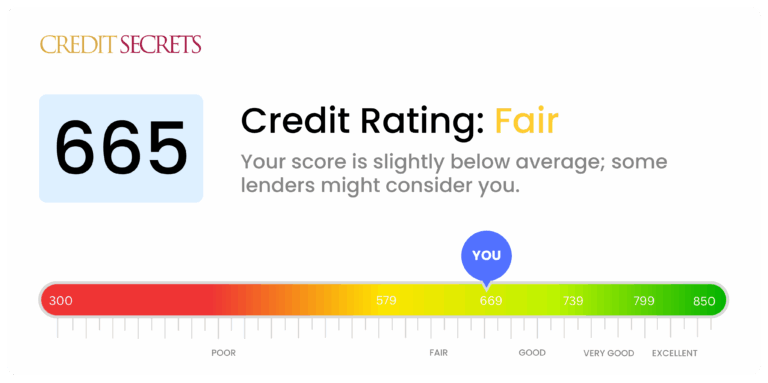
- Your Credit Score: In many states, insurers use a credit-based insurance score to help determine rates, as it’s correlated with claims likelihood.
- Deductibles: As discussed, choosing a higher deductible for collision and comprehensive coverage will lower your premiums.
- Coverage Limits: The higher your liability limits, the more you’ll pay.
- Your Insurer: Different companies have different pricing models, which is why shopping around is so crucial.
Common mistakes to avoid: Only looking at the premium without considering coverage limits and deductibles. A cheap premium with high deductibles or low limits might leave you underinsured in a major incident.
Smart Strategies to Lower Your Full Coverage Costs
Even with lender requirements, there are ways to make full coverage more affordable:
- Shop Around Aggressively: Get quotes from at least three to five different insurance companies. Prices can vary dramatically for the exact same coverage.
- Increase Your Deductibles: If you have an emergency fund, raising your collision and comprehensive deductibles from, say, $500 to $1,000 can significantly lower your premium. Just be sure you can comfortably afford to pay that amount if you need to file a claim.
- Bundle Your Policies: Many insurers offer discounts if you bundle your auto insurance with other policies, such as home or renters insurance.
- Ask About Discounts: Don’t be afraid to ask your agent about all available discounts. These can include:
- Good driver/no claims discount
- Multi-car discount
- Anti-theft device discount
- Good student discount (for younger drivers)
- Defensive driving course discount
- Low mileage discount
- Payment discounts (e.g., paying in full, auto-pay)
- Maintain a Good Driving Record: This is the most effective long-term strategy for keeping insurance costs down.
- Improve Your Credit Score: A higher credit score can positively impact your insurance rates in most states.
- Choose Your Car Wisely: Research insurance costs for different models before you buy. Some cars are simply cheaper to insure due to their safety ratings, repair costs, and theft rates.
When Can You Consider Dropping Full Coverage?
The question of dropping full coverage only becomes relevant once your car loan is paid off. Once the lien is removed, you are no longer legally bound by a lender’s insurance requirements. However, this doesn’t automatically mean dropping comprehensive and collision is the right financial move.
Based on my professional advice, this is a common question, and the decision should be based on several key factors:
- Vehicle’s Actual Cash Value (ACV): The primary consideration is the current market value of your car. If your car is older and its ACV is very low (e.g., a few thousand dollars), the cost of annual full coverage premiums might start to outweigh the potential payout you’d receive after a deductible.
- Your Financial Ability to Replace the Car: Could you afford to replace your car out-of-pocket if it were totaled or stolen? If not, maintaining full coverage, even on an older car, might still be a wise decision.
- Your Risk Tolerance: How comfortable are you with the financial risk of a potential loss? If a total loss would be devastating, keeping full coverage provides peace of mind.
- Age and Condition of the Vehicle: Very old cars with high mileage and significant wear and tear might not justify the cost of full coverage, especially if repair costs could quickly exceed the car’s value.
It’s crucial to periodically reassess your insurance needs as your car ages and its value depreciates. Don’t just automatically renew without reviewing.
Real-Life Scenarios: Why Full Coverage Matters
Let’s illustrate the importance of full coverage on a car loan with a few practical examples.
Scenario 1: The Fender Bender with Full Coverage
Imagine you’re driving your 2-year-old SUV, still with $18,000 left on the loan, when you accidentally back into a pole in a parking lot. The damage is significant – a dented bumper, broken taillight, and some structural issues, totaling $3,500 in repairs.
- With Full Coverage (Collision): After paying your $500 deductible, your insurance company covers the remaining $3,000. Your car is repaired, and you continue making your loan payments without a major financial hit.
- Without Full Coverage: You would be responsible for the entire $3,500 repair bill out of pocket, on top of your monthly car payments. This could strain your finances considerably.
Scenario 2: The Stolen Sedan – The Power of Comprehensive
You wake up one morning to find your financed sedan, with $12,000 still owed, missing from your driveway. It’s stolen.
- With Full Coverage (Comprehensive): Your insurance company investigates and, after a waiting period, determines the car is unrecoverable. They pay out the car’s actual cash value, which is $10,500. This payout goes to your lender, reducing your loan balance. If you also had GAP insurance, it would cover the remaining $1,500, leaving you free of the loan.
- Without Full Coverage: You’d be without a car and still owe the full $12,000 to the lender. This is a devastating double blow.
Scenario 3: Totaled Car, Negative Equity – The GAP Insurance Hero
You have a brand new truck, bought with a small down payment, and owe $35,000. Six months later, it’s totaled in an accident that isn’t your fault. Your collision coverage pays out the actual cash value of $30,000.
- With GAP Insurance: Your GAP insurance policy steps in to cover the $5,000 difference between the insurance payout and your loan balance. You walk away from the totaled truck without any further financial obligation.
- Without GAP Insurance: You’d receive the $30,000 from your collision policy, but you would still owe the lender $5,000 for a car you no longer possess. This is a common and painful situation for many drivers.
These examples clearly demonstrate that full coverage, especially with the addition of GAP insurance, isn’t just a lender requirement; it’s a critical financial safeguard for you as the borrower.
Making the Right Decision: A Comprehensive Checklist
Navigating your insurance needs for a financed car requires careful consideration. Use this checklist to ensure you’re making the most informed decisions:
- Review Your Loan Agreement: Understand every clause regarding insurance requirements, including specific coverage types, minimum limits, and deductibles.
- Assess Your Financial Risk Tolerance: How much could you realistically afford to pay out-of-pocket if your car was damaged or totaled?
- Get Multiple Quotes: Don’t settle for the first quote. Compare options from various insurers to find the best balance of coverage and cost.
- Understand Deductibles: Choose deductibles for collision and comprehensive coverage that you can comfortably afford in an emergency.
- Consider GAP Insurance: Especially for new cars, low down payments, or long loan terms, GAP insurance is a highly recommended addition.
- Evaluate Add-ons: Think about the value of rental car reimbursement and roadside assistance for your lifestyle.
- Periodically Reassess: Even with full coverage, review your policy annually to ensure it still meets your needs and to check for potential savings.
For more on choosing the right deductible and other ways to optimize your policy, check out our guide on . To compare insurance options from various providers and understand industry ratings, a trusted resource like can offer valuable insights.
Conclusion: Protecting Your Car and Your Financial Future
The answer to "Do you need full coverage on a car loan?" is almost always yes, driven by the lender’s need to protect their asset. However, it’s equally important to recognize that this requirement ultimately serves as a powerful financial safeguard for you. Without adequate coverage, a simple accident or unfortunate incident could leave you with a damaged or lost vehicle, a hefty repair bill, and an ongoing loan obligation.
By understanding the components of "full coverage," appreciating the importance of GAP insurance, and actively seeking ways to manage costs, you empower yourself to make intelligent choices. Adequate auto insurance isn’t just a regulatory hurdle; it’s a cornerstone of responsible car ownership, protecting your investment and securing your financial well-being. Drive confidently, knowing you’re fully protected.