Does Getting Prequalified For A Car Loan Hurt Your Credit? The Definitive Guide
Does Getting Prequalified For A Car Loan Hurt Your Credit? The Definitive Guide Carloan.Guidemechanic.com
The thought of buying a new car is often exhilarating. You dream of that shiny new ride, the fresh car smell, and the open road. But then reality sets in, and with it, the often-dreaded process of securing financing. One of the first steps many savvy car shoppers consider is getting prequalified for a car loan. Yet, a common question echoes in the minds of many: "Does getting prequalified for a car loan hurt your credit?"
It’s a valid concern, especially when every point on your credit score feels crucial. In a world where financial decisions can have long-lasting impacts, understanding the nuances of credit inquiries is paramount. This comprehensive guide will not only answer that burning question but also equip you with the knowledge to navigate the car loan process confidently, protecting your credit score every step of the way. Let’s dive deep and demystify the process.
Does Getting Prequalified For A Car Loan Hurt Your Credit? The Definitive Guide
What Exactly Is Car Loan Prequalification?
Before we tackle the credit score question, it’s essential to understand what car loan prequalification truly entails. Think of prequalification as an initial, no-strings-attached assessment of your creditworthiness. It’s a way for lenders to give you a preliminary idea of the loan terms you might qualify for, without you having to commit to a full application.
When you prequalify, you typically provide basic financial information such as your income, employment status, and an estimate of your current debt. The lender then uses this information, often combined with a "soft" check of your credit report, to provide you with estimated interest rates and potential loan amounts. This isn’t a guaranteed offer, but rather a strong indication of what you can expect.
Based on my experience, many people confuse prequalification with pre-approval. While both aim to give you an idea of financing, prequalification is generally a less formal process. It’s designed to give you a clearer picture of your borrowing power before you even set foot on a dealership lot.
Soft Inquiry vs. Hard Inquiry: The Crucial Difference
To truly grasp whether prequalification impacts your credit, you need to understand the fundamental difference between a soft credit inquiry and a hard credit inquiry. This distinction is the linchpin of our entire discussion.
What is a Soft Credit Inquiry?
A soft credit inquiry, often referred to as a "soft pull" or "soft check," is essentially a casual peek at your credit report. It occurs when a person or company checks your credit file without you formally applying for new credit. For instance, when you check your own credit score through a service, or when a credit card company pre-screens you for an offer, a soft inquiry is typically performed.
The key takeaway here is that soft inquiries do not affect your credit score. They are not visible to other lenders and serve purely as informational checks. Think of it like looking at a book’s table of contents without reading the whole book – it gives you an overview without leaving a mark.
What is a Hard Credit Inquiry?
In contrast, a hard credit inquiry, or "hard pull," is a formal request to review your entire credit report and score. This type of inquiry occurs when you actively apply for new credit, such as a mortgage, a new credit card, or a car loan. When a lender pulls your full credit report to make a lending decision, it’s a hard inquiry.
Hard inquiries can temporarily lower your credit score by a few points, typically between one and five points. This impact is usually minor and fades over time, generally within a few months to a year, although the inquiry itself remains on your credit report for up to two years. Lenders view hard inquiries as an indicator that you are seeking new credit, which can suggest a higher risk if you have many in a short period.
Does Prequalification Involve a Hard Inquiry? The Direct Answer
Now for the moment of truth, directly addressing the central question: Does getting prequalified for a car loan hurt your credit?
The unequivocal answer is: No, typically not.
Legitimate car loan prequalification processes almost always involve a soft credit inquiry. This means that when you provide your information to a lender to see what rates you might qualify for, they will conduct a soft check of your credit report. As we’ve established, soft inquiries have no impact on your credit score. This is excellent news for consumers who want to shop around and understand their financial standing without fear of harming their credit.
However, it’s crucial to be aware of the language used by lenders. While "prequalification" generally implies a soft pull, some lenders might use terms like "pre-approval" interchangeably, and in some rare cases, a "pre-approval" might involve a hard inquiry if it’s a more in-depth conditional offer. Always clarify with the lender whether they will be performing a soft or hard inquiry before proceeding. Pro tips from us: read the fine print or simply ask, "Will this process involve a hard inquiry on my credit report?"
The Benefits of Getting Prequalified for a Car Loan
Beyond the relief of knowing your credit score is safe, getting prequalified for a car loan offers a wealth of practical advantages that can significantly improve your car buying experience.
1. Empowered Budgeting Confidence
Knowing your potential interest rate and loan amount upfront gives you a realistic picture of what you can truly afford. This prevents the common pitfall of falling in love with a car only to find out the financing terms make it unaffordable. You can set a firm budget and stick to it, avoiding disappointment and financial strain.
2. Enhanced Negotiating Power
Imagine walking into a dealership with a prequalification offer in hand. You’re no longer solely reliant on the dealer’s financing options. This puts you in a much stronger negotiating position, as you already have a benchmark interest rate. The dealership knows you’re a serious buyer with external financing options, encouraging them to offer competitive rates or even beat your prequalified offer.
3. Streamlined Car Shopping Experience
Prequalification can drastically cut down the time spent at the dealership. With your financing largely sorted, you can focus on the car itself, test drives, and negotiating the vehicle price. It removes one of the most time-consuming and often stressful parts of the car buying journey.
4. Avoid Unpleasant Surprises
No one likes unexpected financial shocks. Prequalification helps you avoid the disappointment of being denied a loan or being offered a much higher interest rate than anticipated. It allows you to address any potential credit issues or explore alternatives before you’re under pressure at the dealership.
5. Zero Risk to Your Credit Score (for the prequalification itself)
As discussed, the primary benefit is the peace of mind that you can explore your financing options without a negative impact on your credit. This encourages thorough research and comparison shopping, which ultimately leads to better financial outcomes.
The Car Loan Prequalification Process: A Step-by-Step Guide
Getting prequalified is a straightforward process. Here’s a typical step-by-step guide to help you navigate it:
- Choose Your Lenders: Don’t just go to one! Approach various financial institutions such as your local bank, credit unions, and reputable online lenders. Each may offer different rates based on their lending criteria.
- Gather Basic Information: You’ll typically need to provide your full name, address, Social Security Number (for the soft credit check), employment history, income details, and possibly an estimate of the car’s price.
- Consent to a Soft Credit Check: The lender will explicitly state that they are performing a soft inquiry. This is your cue that your credit score won’t be affected. If they mention a hard inquiry for "prequalification," clarify or consider another lender.
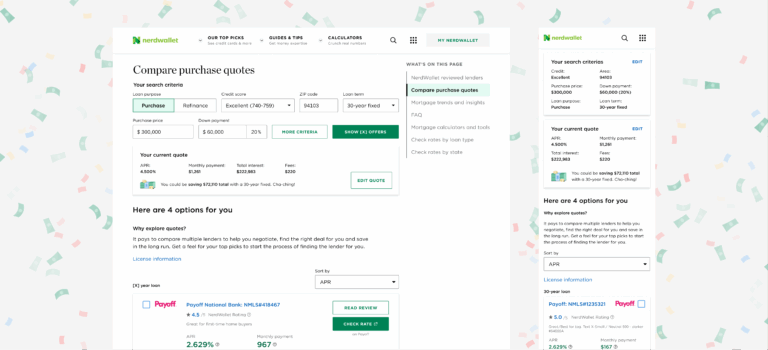
- Receive Estimated Offers: Within minutes to a few business days, you’ll receive preliminary loan offers. These will include estimated interest rates, loan terms (e.g., 36, 48, 60 months), and the maximum loan amount you might qualify for.
- Compare and Strategize: Review all your prequalification offers. This allows you to identify the most favorable terms and decide which lender you might want to pursue for a formal application.
Common mistakes to avoid are only checking with one lender. By casting a wider net, you increase your chances of securing the best possible rate.
When Does Your Credit Score Actually Get Hit for a Car Loan?
While prequalification generally uses a soft inquiry, there is a point in the car loan process where your credit score will experience a hard inquiry. This happens when you move from preliminary offers to submitting a formal application for a specific loan.
When you decide to proceed with a particular lender (either your prequalified lender or a dealership’s finance department), you will fill out a full loan application. At this stage, the lender will conduct a hard inquiry to thoroughly assess your creditworthiness before making a final loan offer. This hard inquiry is what can cause a slight, temporary dip in your credit score.
The "Shopping Window" Advantage
Here’s a crucial piece of information that many consumers overlook: credit scoring models, particularly FICO and VantageScore, understand that consumers shop around for the best rates. To mitigate the negative impact of multiple inquiries during this shopping phase, they employ a special rule known as the "shopping window."
For auto loans (and mortgages), multiple hard inquiries made within a specific timeframe are often treated as a single inquiry for scoring purposes. This "shopping window" typically ranges from 14 to 45 days, depending on the credit scoring model. This means you can apply with several lenders, including the dealership’s finance department, within this period, and your score will only be impacted as if you made one application. This is a huge advantage, allowing you to compare final offers without unduly penalizing your credit.
Based on my experience, leveraging this shopping window is one of the smartest moves you can make as a car buyer. It empowers you to seek out the most competitive rates without fear.
Strategies to Protect Your Credit Score While Car Shopping
Armed with this knowledge, here are some actionable strategies to ensure your credit score remains in excellent shape throughout your car buying journey:
- Get Prequalified First: Always start with prequalification. It gives you a baseline and helps you avoid unnecessary hard inquiries.
- Know Your Credit Score: Before you even start looking at cars, obtain a copy of your credit report and score. This allows you to identify any errors and understand your standing. You can get free copies of your credit report annually from AnnualCreditReport.com, an external link to a trusted source.
- Consolidate Your Hard Inquiries: Once you’re ready to formally apply, do all your loan applications within the FICO/VantageScore shopping window (typically 14-45 days). This minimizes the impact of multiple hard pulls.
- Limit Other Credit Applications: Avoid applying for new credit cards, personal loans, or other major lines of credit in the months leading up to and during your car loan application process. Each of these can trigger separate hard inquiries that don’t fall under the auto loan shopping window.
- Maintain Good Credit Habits: Continue to pay all your bills on time, keep your credit utilization low, and avoid closing old credit accounts. Consistent positive credit behavior will always support a strong credit score.
Common Myths About Car Loan Applications and Credit Scores
Misinformation can lead to costly mistakes. Let’s debunk some common myths:
- Myth 1: All credit inquiries hurt your score equally.
- Reality: As we’ve discussed, soft inquiries have no impact, and hard inquiries for rate shopping (like auto loans and mortgages) are often grouped into a single event within a specific timeframe.
- Myth 2: You should only apply to one lender to avoid damaging your credit.
- Reality: This is a common and detrimental myth. Limiting yourself to one lender prevents you from finding the best rates. The shopping window encourages you to compare multiple offers.
- Myth 3: Dealership financing is always the best or easiest option.
- Reality: While convenient, dealership financing isn’t always the most competitive. They often act as intermediaries for various lenders, but their rates might not beat what you could secure through your bank or credit union directly. Prequalification helps you compare.
Pro Tips from an Expert Blogger
Having guided countless readers through the complexities of personal finance, I’ve gathered some insights that can make a real difference in your car buying experience:
- "Based on my experience, the biggest mistake people make is going to the dealership without any pre-existing financing offer." This instantly puts you at a disadvantage. Always have your own financing option as leverage.
- "Pro tips from us: Don’t just accept the first prequalification offer you receive." Aim for at least three to five offers from different types of lenders (banks, credit unions, online platforms) to ensure you’re getting the most competitive rate.
- "Common mistakes to avoid are letting the dealer ‘shop’ your credit around to dozens of lenders without your specific knowledge or consent." While they might claim to be finding you the best rate, this can lead to an excessive number of hard inquiries if not managed within the shopping window or if they don’t explain their process. Be vigilant and ask questions.
- Understand the Dealer’s Incentive: Dealers often make money on financing. Your prequalification gives you the power to negotiate the car’s price and then decide if the dealer can beat your external financing, rather than letting them control both aspects.
- Consider a Credit Union: Often, credit unions offer some of the most competitive auto loan rates, especially if you’re a member. Don’t overlook them in your search. You might find a detailed guide on "Understanding Car Loan Interest Rates: A Complete Guide" helpful in this regard, as it delves into how different lenders structure their offers.
Conclusion: Drive Away with Confidence and a Healthy Credit Score
The short answer to "Does getting prequalified for a car loan hurt your credit?" is a resounding "No," assuming it’s a legitimate prequalification process involving a soft inquiry. This vital distinction empowers you as a consumer, allowing you to confidently explore your financing options without fear of damaging your financial standing.
Getting prequalified is a smart, strategic first step in the car buying journey. It provides clarity, enhances your negotiating power, and streamlines the entire process. By understanding the difference between soft and hard inquiries, leveraging the "shopping window," and adopting smart credit habits, you can secure the best possible car loan terms while protecting your precious credit score. So, go ahead, get prequalified, and drive away in your new car with confidence, knowing you’ve made a financially sound decision. If you’re looking to further optimize your financial health for future loans, exploring strategies on "How to Improve Your Credit Score for a Car Loan" could be your next valuable read.