Does Paying A Car Loan Build Credit? The Definitive Guide to Boosting Your Score with Auto Financing
Does Paying A Car Loan Build Credit? The Definitive Guide to Boosting Your Score with Auto Financing Carloan.Guidemechanic.com
Securing a car loan is a significant financial commitment for most people. Beyond getting you behind the wheel of a new or used vehicle, many wonder about the broader implications for their financial standing. A common question that frequently arises is: Does paying a car loan build credit? The short answer is a resounding yes, but the full story is far more nuanced.
In this comprehensive guide, we’re going to dive deep into how auto loans interact with your credit profile, the specific ways they can enhance your score, and the crucial steps you need to take to ensure your car payments work for you, not against you. Understanding this relationship is vital for anyone looking to leverage their vehicle financing as a powerful tool for long-term financial health.
Does Paying A Car Loan Build Credit? The Definitive Guide to Boosting Your Score with Auto Financing
The Core Question: Does Paying A Car Loan Build Credit? (The Definitive Answer)
Absolutely, paying a car loan responsibly is one of the most effective ways to build and strengthen your credit history. When you take out an auto loan, you enter into an agreement with a lender to borrow a specific amount of money, which you then repay over a set period, typically with interest. This repayment activity is meticulously tracked and reported to the major credit bureaus.
Every on-time payment you make acts as a positive entry on your credit report. Over time, these consistent positive entries demonstrate your reliability as a borrower. Lenders and creditors rely heavily on this history to assess your creditworthiness for future loans, mortgages, or even apartment rentals. It’s a direct reflection of your ability to manage debt responsibly.
However, the key word here is responsibly. Simply having a car loan isn’t enough; it’s how you manage that loan that truly dictates its impact on your credit score. We’ll explore these mechanics in detail.
How Car Loans Impact Your Credit Score: The Mechanics Explained
Your credit score is a complex calculation based on several factors, each carrying a different weight. A car loan, as an installment loan, touches upon several of these critical components. Let’s break down how each factor is influenced:
1. Payment History (35% of Your FICO Score)
This is, without a doubt, the most significant factor in determining your credit score. Your payment history reflects whether you’ve paid your bills on time. When it comes to a car loan, every single monthly payment you make, provided it’s on time, contributes positively to this aspect of your credit.
Consistently making your car loan payments by the due date signals to lenders that you are a reliable borrower. This positive pattern over months and years can significantly boost your score. Conversely, even a single late payment (typically 30 days or more past due) can have a detrimental effect, often causing a noticeable drop in your score. Based on my experience, missing even one payment can set back your credit-building efforts by several months.
2. Amounts Owed / Credit Utilization (30% of Your FICO Score)
While credit utilization primarily applies to revolving credit like credit cards, where you use a percentage of your available credit, installment loans like car loans also play a role in the "amounts owed" category. With an installment loan, you start with a fixed loan amount, and your balance decreases with each payment.
As you pay down your car loan, the outstanding balance shrinks, which can be viewed positively by credit bureaus. It shows you’re reducing your overall debt burden. While it doesn’t directly impact utilization in the same way as a credit card, having a manageable total debt load, including your auto loan, is crucial for a healthy credit score. Pro tips from us: Always be mindful of your overall debt-to-income ratio, as lenders consider this when assessing new credit applications.
3. Length of Credit History (15% of Your FICO Score)
The longer your credit accounts have been open and in good standing, the better. A car loan, especially one you maintain for several years, contributes positively to the length of your credit history. It demonstrates stability and a proven track record of managing debt over an extended period.
When you successfully pay off a car loan, that account remains on your credit report for many years (typically 7-10 years), continuing to contribute to the average age of your accounts. This long-term record of responsible borrowing is highly valued by credit scoring models. Don’t be too quick to close old accounts if they’re in good standing, as they contribute to this length.
4. Credit Mix (10% of Your FICO Score)
Your credit mix refers to the variety of credit accounts you have. This includes revolving credit (like credit cards) and installment credit (like car loans, mortgages, or student loans). Having a healthy mix demonstrates your ability to manage different types of financial obligations.
Adding a car loan to your credit profile, especially if your history primarily consists of credit cards, can significantly diversify your credit mix. This shows lenders that you are capable of handling various forms of debt responsibly, which is a positive signal for your credit score. It showcases a broader financial maturity.
5. New Credit (10% of Your FICO Score)
When you apply for a car loan, the lender will typically perform a "hard inquiry" on your credit report. This inquiry temporarily dings your credit score by a few points. However, the impact is usually minor and short-lived, especially if you get approved for the loan and begin making on-time payments.
It’s important to avoid applying for multiple loans or credit cards within a very short period, as numerous hard inquiries can signal desperation for credit and have a more significant negative effect. Grouping your car loan applications within a two-week window often allows credit bureaus to treat them as a single inquiry for rate shopping purposes.
The "How-To" Guide: Maximizing Credit Building with a Car Loan
Simply having a car loan doesn’t guarantee a credit boost. You need a strategy to ensure it positively impacts your financial standing.
1. Choose the Right Loan for Your Financial Situation
Before you even sign on the dotted line, carefully consider the loan terms. Can you comfortably afford the monthly payments? A car loan that stretches your budget thin increases the risk of late payments. Look for reasonable interest rates and manageable repayment periods.
Common mistakes to avoid are taking on a loan with payments that are too high or choosing an extended loan term just to lower the monthly payment without considering the total interest paid. It’s crucial to align the loan with your actual budget, not just the payment amount.
2. Make On-Time Payments, Every Time
This cannot be stressed enough. Consistent, on-time payments are the bedrock of credit building with an auto loan. Set up automatic payments from your bank account to ensure you never miss a due date. If automatic payments aren’t an option, mark your calendar or set reminders.
Even paying a few days early can be a good habit. The goal is to establish a flawless payment history that consistently reflects positively on your credit report. This discipline is the single most powerful factor under your control.
3. Avoid Defaults and Repossessions at All Costs
Defaulting on your car loan or having your vehicle repossessed is catastrophic for your credit score. A default indicates you failed to meet your loan obligations, while a repossession is an even more severe black mark. Both will remain on your credit report for seven years and significantly hinder your ability to secure future credit.
If you foresee financial difficulties, contact your lender immediately to discuss options like deferment or renegotiation. Proactive communication is always better than letting a payment slide.
4. Don’t Overextend Yourself with Excessive Debt
While a car loan helps diversify your credit mix, taking on too much debt can negatively impact your debt-to-income ratio. Lenders look at this ratio to determine if you have enough disposable income to handle additional debt. A high ratio can make it harder to qualify for other loans in the future, even if your payment history is perfect.
Before taking on a car loan, ensure it fits comfortably within your overall budget and doesn’t push your total monthly debt payments to an unmanageable level. Financial experts often recommend that your total debt payments (excluding mortgage) should not exceed 36% of your gross monthly income.
5. Monitor Your Credit Report Regularly
It’s essential to regularly check your credit report from all three major bureaus (Equifax, Experian, and TransUnion) to ensure your car loan payments are being reported accurately. Errors can occur, and they can negatively impact your score without your knowledge. You are entitled to a free copy of your credit report from each bureau once every 12 months.
You can access these reports through AnnualCreditReport.com. This allows you to verify that your payments are correctly listed and that there are no unauthorized accounts or fraudulent activities. Based on my experience, catching and disputing errors early can save a lot of headaches later on.
Potential Pitfalls and Things to Watch Out For
While a car loan is a potent credit-building tool, it’s not without its risks. Being aware of these potential pitfalls can help you navigate the process more successfully.
Hard Inquiries Can Temporarily Ding Your Score
As mentioned, applying for a car loan results in a hard inquiry on your credit report. This is a normal part of the lending process. While the impact is usually minor, too many inquiries in a short period can be a red flag to lenders.
Plan your car shopping and loan applications strategically to minimize this effect. It’s generally advisable to limit your applications to a short window (e.g., 14-45 days) so that multiple inquiries for the same type of loan are often treated as a single event for scoring purposes.
Taking on Too Much Debt Can Hurt Your Overall Financial Health
Even if you make all your payments on time, an excessively large car loan can strain your finances. A high loan balance, especially relative to your income, can negatively impact your debt-to-income ratio. This ratio is crucial for future major purchases, like a home.
Lenders want to see that you can comfortably manage your existing debt before taking on more. Don’t let the desire for a new car overshadow the importance of maintaining a healthy financial equilibrium.
Late Payments Are a Major Setback
A single payment reported 30 days or more past due can significantly damage your credit score. This negative mark will remain on your credit report for seven years, potentially overshadowing years of positive payment history. It’s a harsh lesson but a vital one.
The impact of late payments far outweighs any short-term benefit you might gain from building credit. Always prioritize making your payments on time.
Defaulting on the Loan Can Have Devastating Consequences
The ultimate pitfall is defaulting on your car loan. This not only leads to repossession of your vehicle but also leaves a severe negative mark on your credit report for years. A default signals extreme unreliability to future lenders, making it incredibly difficult to secure any form of credit.
The financial and personal stress associated with default and repossession is immense. It’s always better to explore all other options, including selling the car or refinancing, before reaching this point.
Subprime Loans Come with Higher Risks
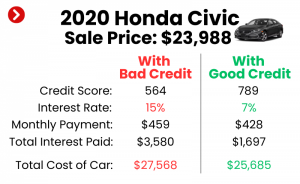
If you have a poor credit history, you might only qualify for subprime auto loans. These loans often come with very high interest rates and less favorable terms. While they can provide an opportunity to build credit, the increased cost makes them harder to manage.
The higher payments mean a greater risk of default if your financial situation changes. It’s crucial to understand all the terms of a subprime loan and ensure you can truly afford it before committing.
Beyond Car Loans: Other Ways to Build Credit
While paying a car loan builds credit effectively, it’s not the only tool in your credit-building arsenal. A multi-faceted approach often yields the best results.
- Responsible Credit Card Use: A secured credit card or a regular credit card used responsibly (keeping balances low, paying on time) is an excellent way to build credit.
- Credit Builder Loans: These are small loans designed specifically to help people establish or improve their credit. The loan amount is typically held in a savings account while you make payments.
- Becoming an Authorized User: If a trusted family member with excellent credit adds you as an authorized user on their credit card, their positive payment history can reflect on your report.
- Experian Boost: Services like Experian Boost allow you to get credit for on-time utility and telecom payments, which traditionally aren’t reported to credit bureaus.
For more in-depth strategies, you might find our article on (link to internal article 1) particularly helpful.
Is a Car Loan the Best Way to Build Credit? A Balanced Perspective
While paying a car loan does build credit significantly, it’s important to understand its role. A car loan is primarily a means to an end – getting transportation – that also offers a substantial opportunity to build credit. It’s not a pure credit-building product like a secured credit card or a credit builder loan.
For many, it’s a practical and necessary step that conveniently doubles as a credit-building exercise. If you need a car anyway, managing the loan well is a smart financial move. However, if your sole purpose is to build credit, and you don’t actually need a car, there might be less costly and less risky alternatives available.
The "best" way to build credit depends on your individual circumstances and financial goals. A car loan is an excellent component of a diverse credit portfolio, especially if you’re ready for the responsibility it entails. It demonstrates your ability to manage a significant installment loan, which is a powerful signal to future lenders.
Conclusion: Drive Your Credit Forward with Responsible Auto Financing
The journey of understanding does paying a car loan build credit brings us to a clear conclusion: yes, absolutely. A car loan, when managed with discipline and foresight, serves as a powerful instrument for cultivating a robust and positive credit history. Every on-time payment you make is a step towards a higher credit score, opening doors to better financial opportunities in the future.
However, the emphasis must always remain on responsible borrowing. From selecting a loan that fits your budget to consistently making timely payments and diligently monitoring your credit report, each action plays a crucial role. Avoid the pitfalls of late payments, excessive debt, and defaults, and your car loan can become a cornerstone of your financial stability.
By treating your auto loan as more than just a means to get from point A to point B, you can effectively leverage it to build a strong credit foundation that will serve you well for years to come. Start driving towards a healthier financial future today! For further insights into managing your financial profile, consider reading our guide on (link to internal article 2).