Downsize Your Ride, Upsize Your Savings: The Definitive Guide to Trading In a Car With a Loan for a Cheaper Vehicle
Downsize Your Ride, Upsize Your Savings: The Definitive Guide to Trading In a Car With a Loan for a Cheaper Vehicle Carloan.Guidemechanic.com
Are you feeling the pinch of high monthly car payments? Perhaps your lifestyle has changed, and that gas-guzzling SUV or luxury sedan no longer fits your budget or needs. The idea of trading in your current car, especially when you still owe money on it, can feel daunting, even impossible. But what if I told you it’s not only possible but can be a smart financial move, leading you to a cheaper, more manageable vehicle and significant long-term savings?
This comprehensive guide is designed to empower you with the knowledge and strategies needed to successfully trade in a car with an existing loan for a more affordable option. We’ll dive deep into understanding your financial situation, navigating negative equity, finding the right replacement vehicle, and mastering the dealership process. Our goal is to transform what seems like a complex challenge into a clear, actionable plan that puts you back in control of your finances. Let’s unlock the path to a lighter, more financially sustainable ride.
Downsize Your Ride, Upsize Your Savings: The Definitive Guide to Trading In a Car With a Loan for a Cheaper Vehicle
Understanding Your Current Financial Situation: The First Crucial Step
Before you even think about stepping onto a dealership lot, you need a crystal-clear picture of your current car’s financial standing. This isn’t just about knowing your monthly payment; it’s about understanding the true value of your asset versus your debt. Many people skip this vital step, leading to surprises and potential financial pitfalls later on.
Why Are You Considering This Move?
Take a moment to reflect on your motivations. Are you struggling to make ends meet? Has your income decreased? Are you looking to reduce overall household expenses, including insurance, fuel, and maintenance, beyond just the car payment? Identifying your core reasons will help you stay focused on your goal: financial relief and a more sustainable vehicle.
Based on my experience, the clearer you are about your "why," the more determined and effective you’ll be in achieving your objective. This clarity helps you resist the temptation of upgrading or taking on more debt during the trade-in process.
What is Negative Equity, and Are You Facing It?
This is perhaps the most critical concept to grasp. Negative equity, often called being "upside down" or "underwater" on your car loan, means you owe more on your vehicle than it’s currently worth. It’s a common scenario, especially in the first few years of car ownership when depreciation is steepest.
For example, if your car is worth $15,000 but you still owe $18,000, you have $3,000 in negative equity. This amount doesn’t magically disappear when you trade in your car; it needs to be addressed.
How to Determine Your Car’s Current Market Value
Knowing what your car is truly worth is your greatest negotiating tool. Don’t rely solely on what a dealership tells you initially. Utilize reputable online valuation tools to get a realistic estimate of your vehicle’s trade-in value.
- Kelley Blue Book (KBB.com): Provides private party value, trade-in value, and retail value. Be honest about your car’s condition for an accurate estimate.
- Edmunds (Edmunds.com): Offers a similar valuation service, often with a slightly different algorithm. Comparing values from both can give you a solid range.
- NADAguides (NADAguides.com): Another industry standard, often used by dealerships for wholesale valuations.
Remember, these are estimates. The final trade-in value will be determined by the dealership after a physical inspection, considering factors like local market demand, specific condition, and any reconditioning costs.
Finding Your Loan Payoff Amount
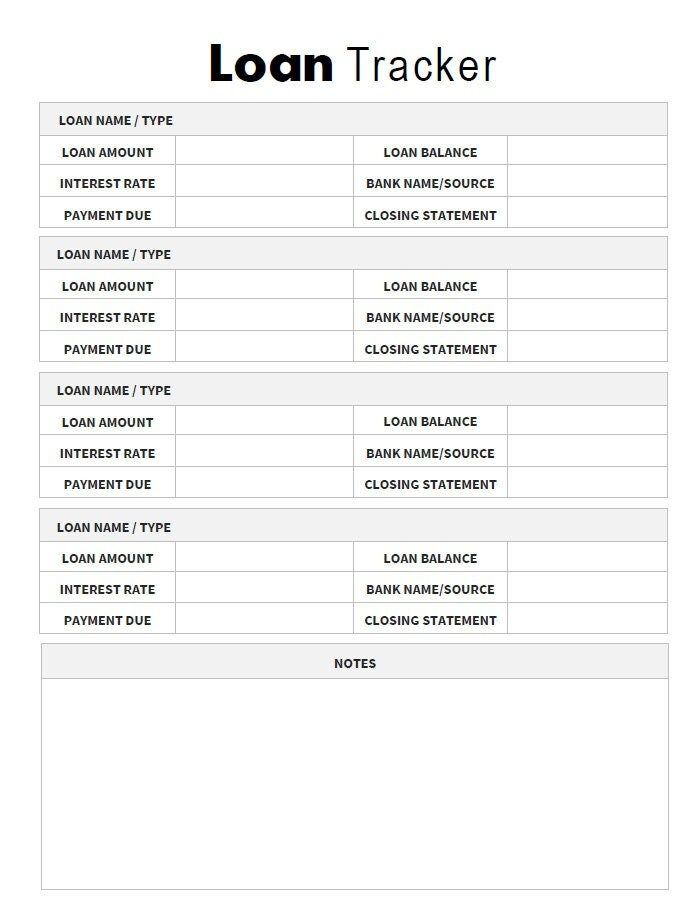
This is the exact figure you owe your lender right now. It’s crucial because the dealership will need to pay this amount to your current lender to clear your existing loan. Your monthly statement usually shows the outstanding balance, but this isn’t always the precise payoff amount.
Contact your current loan provider directly and request a "10-day payoff quote." This quote accounts for any per diem interest and is valid for a specific period. Have this number ready before you start shopping.
The Core Strategy: Trading In For a Cheaper Car
The fundamental goal here is to reduce your overall car ownership costs. This isn’t just about a lower monthly payment, though that’s often a significant part of it. It encompasses fuel, insurance, maintenance, and even registration fees. By choosing a cheaper vehicle, you can make substantial long-term financial gains.
The Benefits of Downsizing Your Vehicle
Moving to a more affordable car offers a cascade of financial advantages. These benefits extend far beyond just the purchase price. They impact nearly every aspect of your budget.
Firstly, your monthly car payment will likely decrease significantly. This frees up cash flow for other necessities, savings, or debt repayment. It’s the most immediate and tangible benefit most people seek.
Secondly, insurance premiums often drop when you switch to a less expensive or less powerful vehicle. Insurers view these cars as less risky to replace or repair. This can lead to hundreds of dollars in annual savings.
Thirdly, cheaper cars frequently mean better fuel efficiency. A smaller engine or a more economical model will consume less gas, translating into substantial savings at the pump over time. This is especially true if you’re downgrading from a large SUV or truck.
Finally, maintenance costs can be lower for simpler, more common vehicles. Parts are often more readily available and less expensive than for luxury or high-performance models. Even registration fees in some states are tied to vehicle value, offering another potential saving.
The Step-by-Step Process for Trading In
- Assess Your Financials (As outlined above): Know your current car’s value, payoff amount, and equity situation.
- Define Your "Cheaper" Car: Determine your new budget, desired features, and essential criteria for a replacement vehicle. Research reliable, affordable models.
- Get Pre-Approved for a New Loan (Optional but Recommended): Knowing what interest rate you qualify for beforehand gives you leverage and a benchmark against dealership financing. This also helps you understand your maximum affordable new car price.
- Shop Around for the New Car & Trade-In: Visit multiple dealerships. Get offers for both your trade-in and the cheaper car you’re interested in. Do not let them combine these figures initially.
- Negotiate Separately: Negotiate the price of the new car first, then negotiate the trade-in value of your old car. Treat them as two distinct transactions.
- Review the Numbers: Carefully examine the final contract, ensuring all figures (new car price, trade-in value, loan amount, interest rate) match your understanding.
Dealing with Positive Equity vs. Negative Equity
If you have positive equity (your car is worth more than you owe), congratulations! This surplus can be used as a down payment on your cheaper car, further reducing your new loan amount and monthly payments. You might even walk away with a small check, though most people roll it into the new purchase.
If you have negative equity, this is where careful strategy comes in. The most common approach is to "roll" the negative equity into your new car loan. This means your new loan will cover the price of the cheaper car plus the outstanding balance from your old loan. While this makes the process seamless, it means you’re starting your new loan already upside down, which can prolong your journey to positive equity. We’ll explore strategies for mitigating this in the next section.
Navigating Negative Equity: Strategies and Solutions
Negative equity is often the biggest hurdle when trading in a car with a loan. However, it’s not an insurmountable obstacle. With the right approach, you can manage it effectively and still achieve your goal of a cheaper car.
Your Options If You’re Upside Down
- Rolling It into the New Loan: This is the most common and easiest path. The dealership pays off your old loan, and the negative equity amount is added to the principal of your new loan.
- Risks: You start the new loan "underwater," meaning you’ll owe more than the new car is worth from day one. This can make it harder to sell or trade that car in the future. It also increases your new monthly payment, even for a cheaper car, potentially negating some of your desired savings.
- How to Mitigate: Aim for the shortest possible loan term for the new car to pay down the principal faster. Make a substantial down payment on the new car if possible, which can help offset some of the rolled-over negative equity.
- Paying It Out of Pocket: If you have savings, paying off the negative equity upfront is the best option. This clears your old loan completely, allowing you to start fresh with your new, cheaper car and a clean slate. Your new loan will only be for the value of the cheaper car, leading to lower payments and a quicker path to positive equity.
- Selling Privately First: This can sometimes fetch a higher price than a trade-in, potentially reducing or even eliminating your negative equity.
- Pros: Potentially more money for your car.
- Cons: It’s more work (advertising, showing the car, dealing with buyers). You’ll need to coordinate paying off your loan with the buyer’s payment, which can be complex. You’ll also be without a car during this transition period unless you have a second vehicle.
- Refinancing Your Current Loan (If Not Trading Immediately): If you’re not in a rush, refinancing your current car loan for a lower interest rate or longer term could reduce your monthly payments temporarily. This buys you time to pay down more principal and reduce your negative equity before you trade in. This is a strategy to reduce negative equity over time, not eliminate it instantly.
Pro Tips from Us: How to Minimize the Impact of Negative Equity
- Save for a Down Payment: Even a few hundred or a thousand dollars can significantly reduce the amount of negative equity rolled over. The more you put down, the less you finance, and the quicker you’ll get to positive equity on your new car.
- Be Realistic About Your New Car: If you have significant negative equity, you need to choose a truly cheaper car. Don’t fall into the trap of rolling negative equity into another moderately expensive vehicle, as this compounds your financial problems. Aim for a car that is well below your comfort budget.
- Negotiate Hard on Both Ends: Maximize your trade-in value and minimize the price of the new car. Every dollar saved on the new car’s price or gained on your trade-in directly reduces the total amount you need to finance, thereby lessening the impact of negative equity.
- Consider a Shorter Loan Term: While a longer term might mean lower monthly payments, it also means paying more interest and staying upside down longer. If possible, opt for a 36- or 48-month loan on your new car to aggressively pay down the principal.
Common Mistakes to Avoid Are:
- Not knowing your numbers: Going into a dealership without knowing your car’s value and payoff amount is like going to a gunfight with a knife. You’re at a significant disadvantage.
- Focusing solely on the monthly payment: Dealers are masters at manipulating this number. They can extend loan terms or add hidden fees to make a monthly payment seem attractive, while you end up paying significantly more over the life of the loan. Always look at the total "out-the-door" price and the total amount financed.
- Rolling too much negative equity: If the negative equity is substantial, rolling it into a new loan can put you in an even worse financial position. Sometimes, waiting, saving up, or exploring other options is a better long-term strategy.
Finding Your "Cheaper" Car: Smart Choices for Smart Savings
The success of this strategy hinges on selecting the right replacement vehicle. "Cheaper" doesn’t just mean a lower sticker price; it encompasses all the associated costs of ownership. A car might be cheap to buy but expensive to insure or maintain.
Defining "Cheaper": Beyond the Purchase Price
When we talk about a "cheaper car," we’re looking at a holistic picture of affordability:
- Purchase Price: This is the most obvious factor. Aim for a car significantly less expensive than your current one.
- Running Costs: This includes fuel efficiency (MPG), insurance premiums (research quotes before buying), and anticipated maintenance costs (look for models known for reliability and affordable parts).
- Depreciation: While you’re getting a cheaper car, it’s still wise to pick models that hold their value reasonably well to avoid repeating the negative equity cycle in the future.
New vs. Used: Which is Better for This Strategy?
- New Cars: Generally, new cars depreciate rapidly in their first few years. While you get warranties and the latest features, they are rarely the "cheaper" option for this specific strategy, especially if you’re battling negative equity. The immediate depreciation makes it hard to get ahead.
- Used Cars: This is often the sweet spot for downsizing. You let someone else take the brunt of the initial depreciation. Many reliable used models are available at attractive price points. Look for vehicles that are 2-5 years old, as they offer a good balance of modern features, reliability, and affordability. They are ideal for reducing your overall financial burden.
Researching Reliable, Affordable Models
Before you visit any dealership, spend time researching vehicles that fit your new budget and needs. Focus on models known for:
- Excellent Fuel Economy: Think compact sedans, subcompacts, or smaller hybrids.
- High Reliability Ratings: Check consumer reports and automotive review sites for models with a track record of low maintenance issues. Brands like Toyota, Honda, and some Kia/Hyundai models often excel here.
- Affordable Insurance Premiums: Get quotes for specific models you’re considering.
- Low Ownership Costs: Factor in the average cost of parts and common repairs.
For example, consider models like a used Honda Civic, Toyota Corolla, Hyundai Elantra, or a Nissan Sentra. These cars consistently rank well for reliability and affordability. To further aid your search, you might find valuable insights in articles like our "Top 10 Most Fuel-Efficient Used Cars for Budget-Conscious Drivers" – .
The Dealership Process and Negotiation Tactics
Entering a dealership armed with knowledge is your superpower. Dealers are in the business of making a profit, and they’re skilled negotiators. Your job is to ensure you get the best possible deal for both your trade-in and your new, cheaper car.
How to Approach the Dealership
Start by being transparent about your intentions: you want to trade in your current vehicle, which has a loan, for a cheaper replacement. However, be firm about negotiating each part of the deal separately.
Do not let them combine the trade-in value, new car price, and loan terms into one "monthly payment" discussion initially. This is a common tactic to obscure the true costs.
Negotiating Trade-In Value vs. New Car Price
- New Car Price First: Focus on getting the best possible price for the cheaper car you’re buying. Research the fair market value for that specific make and model. Be prepared to walk away if they aren’t competitive.
- Then, Your Trade-In: Once you’ve agreed on the price of the new car, then shift to negotiating your trade-in. You already know your car’s estimated value (from KBB, Edmunds). Use this as your baseline. Don’t be afraid to ask for more if their initial offer is too low.
- "Out-the-Door" Price: Always ask for the "out-the-door" price. This is the total cost including all fees, taxes, and the net difference of your trade-in. This is the most important number, not just the monthly payment.
Don’t Focus Solely on Monthly Payments
As mentioned, this is a dealer’s favorite trick. While a lower monthly payment is your goal, it shouldn’t be your only focus. A dealer can lower your payment by:
- Extending the loan term: This means you pay more interest over time and stay in debt longer.
- Charging a higher interest rate: This also significantly increases your total cost.
- Adding fees or unnecessary extras: These inflate the total price without you realizing it.
From my perspective, a savvy car buyer always looks at the total price of the new car, the agreed-upon trade-in value, the interest rate, and the loan term. Calculate the total cost of the loan (principal + interest) to see the true financial impact.
Financial Implications and Long-Term Savings
Making this move isn’t just about a one-time transaction; it’s about setting yourself up for a healthier financial future. The ripple effect of a cheaper car can be profound.
Calculating Potential Savings
Let’s do a quick mental calculation. Imagine you reduce your monthly car payment by $150. Over five years, that’s $9,000 saved! Now add potential savings on:
- Fuel: If you save $50 a month on gas, that’s $600 a year.
- Insurance: A $30 reduction in monthly premiums is another $360 annually.
- Maintenance: A more reliable, simpler car could save you hundreds a year on repairs.
Cumulatively, these savings can amount to thousands of dollars annually, which can be redirected towards paying off other debts, building an emergency fund, investing, or simply enjoying a less financially stressed life.
Impact on Your Credit Score
Successfully managing a new, smaller car loan can positively impact your credit score over time, especially if you were struggling with the payments on your previous loan. Consistently making on-time payments on a manageable loan demonstrates financial responsibility.
However, be aware that applying for new credit does cause a temporary, small dip in your score. The long-term benefits of a more manageable debt load typically outweigh this short-term effect.
Building Financial Resilience
Ultimately, trading in a car with a loan for a cheaper car is a powerful step towards building financial resilience. It reduces your fixed expenses, increases your disposable income, and lessens the burden of debt. This financial breathing room allows you to better handle unexpected expenses, save for future goals, and improve your overall quality of life. It’s an investment in your peace of mind.
Alternatives to Trading In (Briefly Considered)
While trading in for a cheaper car is our focus, it’s worth briefly mentioning other options you might consider, depending on your specific situation.
- Refinancing Your Current Car Loan: If you have decent credit and interest rates have dropped, you might be able to refinance your current loan for a lower rate or a longer term, reducing your monthly payments without changing cars. This doesn’t address negative equity but can offer temporary relief.
- Paying Down Your Current Loan Faster: If you have some extra cash, even small additional payments can help you chip away at the principal and reduce the time you’re upside down. This prepares you better for a future trade-in.
- Selling Privately: As discussed, this can sometimes yield a higher price than a trade-in, potentially reducing your negative equity more effectively. However, it requires more effort and leaves you temporarily without a vehicle.
For more detailed information on managing car loans and understanding your options, a trusted resource like the Consumer Financial Protection Bureau offers excellent, unbiased advice on vehicle financing –
Conclusion: Drive Towards Financial Freedom
Trading in a car with a loan for a cheaper vehicle is a strategic financial decision that can significantly improve your monetary well-being. It requires careful planning, thorough research, and a firm understanding of your financial landscape, especially concerning negative equity. But by taking the time to understand your current situation, researching affordable alternatives, and approaching the dealership with confidence, you can navigate this process successfully.
Remember, the goal isn’t just to get a new car; it’s to free up your finances, reduce stress, and put yourself on a path to greater financial security. By downsizing your ride, you’re not just saving money – you’re upsizing your peace of mind and building a more resilient financial future. Drive forward with confidence, knowing you’ve made an informed and empowering choice.