Drive Your Financial Future: A Comprehensive Guide to Secured Loans With Your Car As Collateral
Drive Your Financial Future: A Comprehensive Guide to Secured Loans With Your Car As Collateral Carloan.Guidemechanic.com
Life often throws unexpected financial curveballs. Whether it’s an urgent medical expense, a sudden home repair, or an opportunity that requires immediate capital, finding funds quickly can be a challenge. For many, a secured loan with car as collateral emerges as a viable solution, offering a pathway to accessing much-needed cash.
This isn’t just another loan type; it’s a financial instrument that leverages an asset you already own – your vehicle – to secure funding. But like any financial decision, understanding its intricacies, benefits, and potential pitfalls is crucial. As an expert in personal finance and lending solutions, I’m here to guide you through every facet of this powerful option, ensuring you make an informed choice that aligns with your financial well-being.
Drive Your Financial Future: A Comprehensive Guide to Secured Loans With Your Car As Collateral
What Exactly is a Secured Loan With Your Car As Collateral?
At its core, a secured loan with car as collateral is a type of loan where you use your vehicle’s title as security for the borrowed funds. Unlike unsecured loans, which are granted based solely on your creditworthiness, these loans are backed by an asset. This asset, in this case, your car, significantly reduces the risk for the lender.
When you take out such a loan, the lender places a lien on your car’s title. This means that while you retain possession and continue to drive your car, the lender has a legal claim to it until the loan is fully repaid. Once your obligations are met, the lien is released, and you regain full, unencumbered ownership of your vehicle. This mechanism allows lenders to offer loans to a broader range of applicants, often with more flexible terms than unsecured options.
The amount you can borrow typically depends on your car’s market value, condition, and the lender’s specific policies. It’s a way for individuals to unlock the equity tied up in their vehicle without having to sell it. Understanding this fundamental concept is the first step toward leveraging your car as a financial tool responsibly.
The Undeniable Benefits of Using Your Car as Collateral
Opting for a car collateral loan comes with several compelling advantages, especially for individuals facing unique financial situations. These benefits often make it an attractive option when traditional lending avenues are difficult to access. Let’s delve into why this type of secured loan can be a powerful financial ally.
Access to Funds When You Need Them Most
One of the primary benefits is the speed and ease of access to capital. Life doesn’t wait, and sometimes, neither can your financial needs. Secured loans with car as collateral are often processed much faster than conventional bank loans. Lenders typically have streamlined application processes, meaning you could potentially receive funds within a day or two, sometimes even within hours.
This rapid access is invaluable during emergencies. Think medical bills, unexpected home repairs, or urgent business opportunities that require immediate cash flow. Having your car as collateral simplifies the approval process, making it a go-to option for those critical moments.
Potentially Lower Interest Rates Compared to Unsecured Options
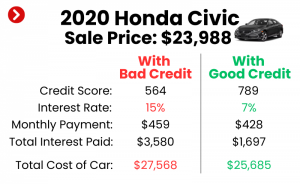
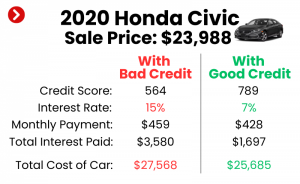
Because the loan is secured by a tangible asset, the lender’s risk is significantly reduced. This reduced risk often translates into more favorable interest rates for the borrower. While not always as low as prime rates, they are typically more competitive than those found on unsecured personal loans or credit cards, especially for applicants with less-than-perfect credit.
Lower interest rates mean that the overall cost of borrowing is less over the life of the loan. This can save you a substantial amount of money, making the repayment process more manageable and sustainable. Always compare APRs (Annual Percentage Rates) from various lenders to secure the best possible terms.
Easier Approval, Even with Imperfect Credit
For many, a less-than-stellar credit score can be a major hurdle when seeking financial assistance. This is where auto collateral loans truly shine. Since the loan is backed by your car’s value, lenders place less emphasis on your credit history. They are primarily concerned with the equity in your vehicle and your ability to repay the loan.
This makes car collateral loans an accessible option for individuals who might have been turned down by traditional banks due to a low credit score or limited credit history. It opens doors for those who genuinely need financial support but are unfairly penalized by past credit challenges. Based on my experience, many people find this a significant relief when conventional options are closed.
Higher Loan Amounts Based on Your Car’s Value
The amount you can borrow is directly tied to the appraised value of your car. If you own a newer model or a vehicle in excellent condition, you could qualify for a substantially larger loan amount compared to what you might receive from an unsecured personal loan. This can be particularly beneficial if you have a significant financial need that smaller loans cannot cover.
Lenders typically offer a percentage of your car’s wholesale value, which varies. This flexibility allows you to access a greater portion of your car’s equity, providing a more robust financial solution when large sums are required.
Keep Driving Your Car: A Crucial Advantage
Perhaps one of the most appealing aspects of a secured loan with car as collateral is that you get to retain possession of your vehicle. Unlike pawning an item, you don’t have to give up your car. You simply hand over the title to the lender, and once the loan is repaid, the title is returned to you.
This means your daily life remains uninterrupted. You can continue to commute to work, run errands, and maintain your independence. This practical benefit is often a deciding factor for many borrowers, as mobility is a non-negotiable aspect of modern life. It’s a common misconception that you lose access to your car, and I always emphasize this key point to clients.
Understanding the Risks and Downsides: What You Need to Know
While the benefits of a secured loan with car as collateral are compelling, it’s equally important to approach this financial decision with a full understanding of the potential risks. Transparency about these downsides is crucial for responsible borrowing and avoiding future complications.
The Major Risk: Repossession of Your Vehicle
This is the most significant and sobering risk associated with car collateral loans. If you default on your loan payments – meaning you fail to make payments as agreed – the lender has the legal right to repossess your vehicle. Since your car’s title serves as collateral, the lender can seize it to recoup their losses.
Losing your primary mode of transportation can have severe consequences, impacting your job, daily responsibilities, and overall quality of life. It’s a harsh reality that underscores the importance of a clear repayment plan before you even apply. Common mistakes to avoid are underestimating your ability to repay and not communicating with your lender if difficulties arise.
Potentially High Interest Rates and Fees (Especially for Title Loans)
While I mentioned potentially lower rates compared to some unsecured options, it’s crucial to distinguish between different types of car collateral loans. Short-term car title loans, in particular, can come with very high Annual Percentage Rates (APRs), sometimes reaching triple digits. These are often designed for quick, emergency cash but can become incredibly expensive if not repaid promptly.
Beyond interest, be vigilant about various fees. These can include:
- Origination fees: A charge for processing the loan.
- Processing fees: For paperwork and administrative tasks.
- Late payment fees: Penalties for missed or delayed payments.
- Prepayment penalties: Some lenders charge if you pay off the loan early.
Always scrutinize the loan agreement for all associated costs. Pro tips from us: Ask for a clear breakdown of all fees and the total cost of the loan before signing.
The Cycle of Debt: A Real Possibility
The ease of access and quick funding can sometimes lead to a trap: the cycle of debt. If you borrow more than you can comfortably repay, or if unexpected expenses arise after taking out the loan, you might find yourself struggling to make payments. This can lead to rolling over the loan, incurring additional fees, or taking out new loans to pay off old ones.
This cycle can quickly escalate, making your financial situation worse than before. Responsible budgeting and a clear understanding of your cash flow are paramount to avoiding this trap. Only borrow what you absolutely need and are certain you can repay.
Impact on Your Credit Score
While initial approval for a car collateral loan might not heavily rely on your credit score, defaulting on the loan can severely damage it. Repossession and charge-offs are negative marks that will remain on your credit report for years, making it difficult to obtain future credit, mortgages, or even certain jobs.
Conversely, making timely payments can, in some cases, positively impact your credit score if the lender reports to credit bureaus. However, many short-term title loan lenders do not report positive payment history, only defaults. Understand the lender’s reporting practices.
Who is a Secured Car Collateral Loan For? Eligibility & Scenarios
A secured loan with car as collateral isn’t a one-size-fits-all solution. It’s particularly well-suited for specific individuals and situations where other financing options might be limited or less advantageous. Understanding if you fit the profile can help you determine if this is the right path for your financial needs.
Individuals Facing Emergency Financial Needs
If you’re suddenly hit with an unforeseen expense – perhaps a medical emergency, an urgent car repair, or a critical home appliance breakdown – and lack an emergency fund, a car collateral loan can provide rapid relief. Its quick approval process makes it ideal for time-sensitive situations.
These loans are not typically recommended for discretionary spending or long-term financial planning. They are best utilized as a short-term bridge during immediate crises.
Borrowers with Less-Than-Perfect Credit
One of the most significant demographics benefiting from these loans are individuals with poor credit scores or limited credit history. Traditional lenders often deny applications from those with FICO scores below a certain threshold. However, with your car as collateral, lenders are more willing to overlook past credit missteps.
This accessibility provides a vital lifeline for many who are otherwise excluded from conventional credit markets. It’s an opportunity to get the funds you need without being judged solely on your credit past.
Those Needing Larger Loan Amounts Quickly
When you need a substantial sum that exceeds what unsecured personal loans or credit cards might offer, leveraging your car’s equity can be an effective strategy. The loan amount is directly tied to your vehicle’s value, meaning a valuable car can unlock a larger loan.
This is particularly useful for significant expenses like consolidating high-interest debt, funding a small business venture, or covering a large down payment on a major purchase.
People with a Clear Car Title
A fundamental requirement for a secured loan with car as collateral is a clear car title. This means you must fully own your vehicle, and there should be no existing liens or outstanding loans against it. If you still owe money on your car, you generally won’t be eligible.
Some lenders might offer options for cars with existing liens if the equity is substantial, but a clear title simplifies the process considerably and increases your chances of approval. This is a non-negotiable aspect of the collateral requirement.
The Application Process: A Step-by-Step Guide
Navigating the application for a secured loan with car as collateral can seem daunting, but by breaking it down into manageable steps, you’ll find it straightforward. Based on my experience, a prepared borrower is an approved borrower.
Step 1: Research and Compare Lenders
This initial phase is critical. Not all lenders are created equal. You’ll find various types:
- Traditional Banks/Credit Unions: May offer "auto equity loans" with better terms if you have good credit.
- Online Lenders: Often provide quicker approvals and competitive rates.
- Car Title Loan Specialists: Focus specifically on these types of loans, but terms can vary wildly.
Look for lenders that are reputable, licensed in your state, and have positive customer reviews. Compare interest rates, fees, repayment terms, and customer service. An external link to a trusted source like the Consumer Financial Protection Bureau (CFPB) can provide valuable guidance on choosing a reputable lender for car title loans.
Step 2: Gather Required Documents
Before you even fill out an application, have your documents ready. This speeds up the entire process significantly. Typically, you’ll need:
- Your car’s clear This is paramount.
- Valid government-issued identification: Driver’s license or state ID.
- Proof of income: Pay stubs, bank statements, tax returns. This demonstrates your ability to repay.
- Proof of residency: Utility bill, lease agreement.
- Vehicle insurance: Some lenders require comprehensive coverage.
- References: Sometimes required, but less common.
Having these documents organized and readily available will make your application seamless.
Step 3: Car Appraisal and Value Assessment
The lender will need to assess your car’s value to determine the maximum loan amount they can offer. This usually involves:
- Physical inspection: To check the vehicle’s condition, mileage, and features.
- Vehicle history report: To check for accidents or major repairs.
- Market value research: Using resources like Kelley Blue Book (KBB) or NADA Guides.
The better the condition of your car, the higher its appraised value, and thus, potentially a larger loan amount. Pro tips from us: Clean your car thoroughly, inside and out, and ensure any minor repairs are handled before the appraisal.
Step 4: Submit Your Application
Once you’ve chosen a lender and gathered your documents, you’ll complete the application form. This can often be done online, over the phone, or in person. Be honest and accurate with all information provided. Misleading information can lead to delays or outright rejection.
Step 5: Review the Loan Offer and Terms
If approved, the lender will present you with a loan offer. This document is extremely important. It will detail:
- The loan amount.
- Interest rate and APR.
- Total repayment amount.
- Repayment schedule: Monthly payments, bi-weekly, etc.
- All fees and charges: Origination, late fees, etc.
- Consequences of default: Especially repossession clauses.
Read every single word of the loan agreement. Do not hesitate to ask questions about anything you don’t understand. This is where many common mistakes occur, leading to misunderstandings down the line.
Step 6: Sign the Agreement and Receive Funds
Once you’re satisfied with the terms and fully understand your obligations, you’ll sign the loan agreement. The lender will then place a lien on your car’s title, and the funds will be disbursed to you. This can be via direct deposit, check, or even cash, depending on the lender.
Remember, this is when your repayment period officially begins. Keep copies of all signed documents for your records.
Key Factors to Consider Before Applying
Before you commit to a secured loan with car as collateral, a thorough self-assessment and careful consideration of several key factors are essential. This proactive approach will protect your financial health and ensure this loan is truly the right choice.
Your Ability to Repay the Loan
This is arguably the most critical factor. Honestly evaluate your current income, expenses, and overall budget. Can you comfortably afford the monthly payments without jeopardizing other essential living costs? Create a detailed budget to see exactly how the loan payments will fit into your financial picture.
Overborrowing or underestimating your financial commitments is a common mistake. Based on my experience, a realistic assessment here prevents significant stress and potential default later on.
The Actual Loan Amount You Need
While you might qualify for a large sum based on your car’s value, resist the urge to borrow more than you absolutely need. Borrowing extra money means paying more interest and extending your repayment period, increasing the overall cost of the loan.
Only request the amount that directly addresses your immediate financial need. This disciplined approach minimizes your debt burden.
Interest Rates and the Annual Percentage Rate (APR)
Always compare the interest rates and, more importantly, the APR from multiple lenders. The APR includes not just the interest rate but also any additional fees, giving you a more accurate picture of the total cost of borrowing. A difference of a few percentage points can save you hundreds or even thousands of dollars over the life of the loan.
Don’t just look at the monthly payment; understand the total amount you will repay.
All Fees and Potential Hidden Costs
As discussed earlier, various fees can inflate the cost of your loan. Look out for:
- Application fees
- Origination fees
- Processing fees
- Late payment fees
- Prepayment penalties
Some lenders might also require additional products, like specific insurance, which adds to your cost. Ensure all fees are transparently listed in the loan agreement.
Repayment Terms and Schedule
Understand the loan’s duration. Is it a short-term loan (e.g., 30 days for some title loans) or a longer-term installment loan (e.g., 6-24 months)? Also, clarify the payment frequency (weekly, bi-weekly, monthly) and the exact due dates.
A longer repayment term might mean lower monthly payments, but it often results in paying more interest overall. Choose a term that balances affordability with the total cost.
The Lender’s Reputation and Licensing
Only work with reputable and licensed lenders. Check their standing with consumer protection agencies and read customer reviews. A trustworthy lender will be transparent about their terms, responsive to questions, and adhere to ethical lending practices. Avoid any lender that pressures you into signing quickly or is unwilling to provide clear answers.
Explore All Alternatives First
Before committing to a secured loan with your car as collateral, take a moment to explore other potential financial solutions. This loan is a powerful tool, but it also carries significant risk. Consider options like personal loans, credit cards, or even borrowing from friends or family if feasible. Sometimes, a less risky alternative might be available.
Pro Tips for a Smooth Experience (E-E-A-T)
Leveraging your car’s equity can be a strategic financial move, but navigating the process effectively requires foresight and smart choices. Based on my experience in the lending industry, these pro tips can help you achieve a smoother, more beneficial outcome.
Maintain Your Car’s Value
Before you even consider applying, ensure your vehicle is in good condition. Regular maintenance, a clean interior, and addressing minor cosmetic issues can significantly boost its appraisal value. A higher appraised value means you could qualify for a larger loan amount or more favorable terms. This simple step can pay dividends.
Read Every Single Word of the Fine Print
This cannot be stressed enough. The loan agreement is a legally binding contract. Understand every clause, particularly those pertaining to interest rates, fees, repayment schedules, and default consequences. If anything is unclear, ask for clarification. Do not sign until you are completely comfortable with all terms. Common mistakes to avoid are skimming the document or assuming certain conditions.
Don’t Be Afraid to Negotiate (Where Possible)
While not always an option with all lenders, especially with highly standardized title loans, some lenders might be open to negotiating terms. This could include a slightly lower interest rate, an adjustment to fees, or a more flexible repayment schedule. If you have good credit or a particularly valuable vehicle, you might have more leverage. It never hurts to ask respectfully.
Create a Strict Budget for Repayment
Once you receive your loan, immediately integrate the repayment schedule into your monthly budget. Treat these payments as a non-negotiable expense, just like rent or utilities. Set up reminders or automatic payments to ensure you never miss a due date. A strict budget is your best defense against default.
Communicate Proactively with Your Lender
Life happens. If you anticipate difficulty making a payment, or if an unexpected event occurs, contact your lender immediately. Many lenders are willing to work with borrowers to create temporary payment plans or extensions, especially if you communicate early. Ignoring the issue only exacerbates the problem and increases the likelihood of repossession.
Common Mistakes to Avoid:
- Overborrowing: Only take what you need.
- Ignoring Terms: Not understanding the interest, fees, and penalties.
- Not Comparing Lenders: Settling for the first offer without shopping around.
- Using Funds for Non-Essentials: Avoid using the loan for luxuries, as it’s meant for critical needs.
- Underestimating Repayment Ability: Be realistic about your financial capacity.
Exploring Alternatives to Car Collateral Loans
While a secured loan with car as collateral can be a powerful financial tool, it’s not always the best or only option. Exploring alternatives is a crucial step in responsible financial decision-making. Here are some options to consider before committing your car’s title.
Unsecured Personal Loans
If you have a decent credit score, an unsecured personal loan might offer lower interest rates and doesn’t require collateral. These loans are approved based on your creditworthiness and income. While approval might take slightly longer, the absence of collateral means your car isn’t at risk. You can learn more about these options in our comprehensive guide to Understanding Unsecured Personal Loans (Internal Link Placeholder 1).
Credit Cards
For smaller, short-term needs, a credit card can be a viable option, especially if you have a card with a low interest rate or a promotional 0% APR period. However, interest rates on credit cards can quickly become very high if balances aren’t paid off promptly, so this requires discipline.
Home Equity Loans or Lines of Credit (HELOCs)
If you own a home with significant equity, a home equity loan or HELOC can provide access to larger sums at typically lower interest rates than car collateral loans. These are also secured loans, but the collateral is your home. They usually have longer repayment terms but involve more extensive application processes.
Borrowing from Friends or Family
While not always an option or comfortable for everyone, borrowing from trusted friends or family members can offer interest-free or low-interest solutions without formal credit checks or collateral. If you choose this route, always put the terms in writing to avoid misunderstandings.
Debt Consolidation Loans
If your primary need is to manage existing high-interest debts, a debt consolidation loan might be more appropriate. These loans combine multiple debts into a single, often lower-interest payment, simplifying your finances. For more tips on managing your finances and budgeting, check out our article on Budgeting Tips for Loan Repayment (Internal Link Placeholder 2).
Community Assistance Programs
For certain emergencies, local community organizations, charities, or government programs might offer financial aid, grants, or assistance programs. These typically have specific eligibility criteria but are worth exploring, as they often don’t require repayment.
Drive Smart, Borrow Responsibly
A secured loan with car as collateral can be a powerful financial tool, offering rapid access to funds, potentially lower interest rates, and approval even with less-than-perfect credit. It provides a vital lifeline for many facing unexpected financial challenges, allowing them to leverage an existing asset without losing its utility.
However, like any significant financial decision, it comes with considerable responsibilities and risks, the most prominent being the potential repossession of your vehicle. Understanding these risks, diligently researching lenders, scrutinizing loan terms, and carefully assessing your repayment ability are paramount.
By following the expert guidance provided in this comprehensive article, you can approach a car collateral loan with confidence and clarity. Remember, the ultimate goal is to solve your financial challenge responsibly, ensuring that this solution drives you towards greater financial stability, not deeper into debt. Drive smart, borrow responsibly, and secure your financial future.