Drive Your Future: Unlocking Car Ownership with Non-Profit Lenders
Drive Your Future: Unlocking Car Ownership with Non-Profit Lenders Carloan.Guidemechanic.com
Securing reliable transportation is more than just a convenience; for many, it’s a fundamental necessity for work, education, and family well-being. Yet, the path to car ownership can often be fraught with challenges, particularly for individuals facing financial hurdles, limited credit history, or past credit issues. Traditional lenders, with their rigid criteria, frequently leave a significant portion of the population feeling overlooked and underserved.
This is where non-profit lenders for car loans step in as a beacon of hope. These unique organizations offer a different approach to auto financing, one rooted in community support and financial empowerment rather than solely profit margins. In this comprehensive guide, we’ll dive deep into the world of non-profit car loans, exploring how they work, who they help, and how you can navigate the process to drive away with a vehicle that truly serves your needs. Our goal is to provide you with a definitive resource, enabling you to make informed decisions and transform your transportation situation.
Drive Your Future: Unlocking Car Ownership with Non-Profit Lenders
The Roadblocks of Traditional Car Loans: Why Many Struggle
For a large segment of the population, the conventional car loan landscape presents formidable obstacles. Mainstream banks and dealerships often operate with strict lending guidelines that prioritize high credit scores and stable, high incomes. If you don’t fit their ideal borrower profile, obtaining an affordable car loan can feel like an impossible task.
The Credit Score Conundrum
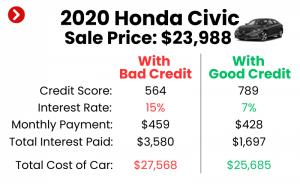
Your credit score is often the first hurdle. A low score, or even a lack of credit history altogether, immediately flags you as a higher risk to traditional lenders. This can lead to outright rejection or, at best, approval with sky-high interest rates and unfavorable terms that make monthly payments unsustainable. Many people find themselves in a vicious cycle: they need a car for work but can’t get a loan because their credit isn’t good, and they can’t improve their credit without access to credit.
Income and Employment Instability
Another common barrier is income and employment. Traditional lenders typically require proof of consistent income above a certain threshold, along with stable employment history. For those in hourly wage jobs, gig work, or who have recently experienced job loss or significant life changes, meeting these criteria can be difficult. The fluctuating nature of some employment types doesn’t align with the predictable income models lenders prefer.
The Trap of Predatory Lending
When traditional avenues close, some individuals unfortunately fall prey to predatory lenders. These entities often target vulnerable borrowers with promises of "guaranteed approval," only to ensnare them in loans with exorbitant interest rates, hidden fees, and exploitative terms. Such loans can quickly lead to repossession or a deepening spiral of debt, leaving borrowers worse off than before. Based on my experience in financial counseling, understanding the true cost of a loan, beyond just the monthly payment, is crucial to avoid these traps.
What Exactly Are Non-Profit Lenders for Car Loans?
Non-profit lenders for car loans are organizations dedicated to a social mission rather than maximizing shareholder profit. Their primary objective is to help individuals and families achieve financial stability and independence, often by addressing critical needs like transportation. These organizations are typically funded through grants, donations, and community partnerships, allowing them to offer more flexible and compassionate lending solutions.
Unlike traditional banks, non-profit lenders often view applicants through a holistic lens. They consider an individual’s overall situation, including their need for a vehicle, their potential for repayment, and their commitment to financial improvement, rather than solely relying on a credit score. This person-centered approach is a cornerstone of their operations.
Mission-Driven vs. Profit-Driven
The fundamental difference lies in their core motivation. A traditional bank aims to generate profit from interest and fees. A non-profit lender aims to empower individuals and strengthen communities. This distinction profoundly impacts their lending philosophy, eligibility criteria, and the support services they provide alongside the loan itself. They often see a car loan as a tool for economic mobility, not just a transaction.
Community Development Financial Institutions (CDFIs)
Many non-profit car loan programs are run by or partnered with Community Development Financial Institutions (CDFIs). These are specialized financial institutions that serve low-income and underserved communities. CDFIs provide a range of financial products and services, including car loans, small business loans, and financial literacy training, all designed to foster economic development and individual well-being in their target areas.
Why Choose a Non-Profit Lender? Unpacking the Benefits
Opting for a non-profit lender for your car loan can offer a multitude of advantages, especially if you’ve struggled with traditional financing. These benefits extend beyond just getting approved for a loan; they often encompass a broader path to financial improvement.
1. More Flexible and Understanding Terms
Non-profit lenders are known for their flexibility. They understand that life happens and credit scores don’t always tell the whole story. They are often willing to work with applicants who have less-than-perfect credit, no credit history, or unique income situations. Their focus is on your ability to repay and your need for reliable transportation. This might mean adjusting repayment schedules or offering smaller, more manageable loan amounts tailored to your budget.
2. Lower Interest Rates and Fees
Because they are not driven by profit, non-profit lenders can often offer significantly lower interest rates compared to subprime traditional lenders. This can translate into substantial savings over the life of the loan, making your car more affordable in the long run. They also tend to have fewer hidden fees, promoting transparency and trust. Pro tips from us: Always ask for a full breakdown of all costs associated with the loan, including any administrative fees.
3. Focus on Financial Education and Empowerment
Many non-profit car loan programs integrate financial literacy and counseling into their services. They want you to succeed, not just with the car loan but with your overall financial health. This might include mandatory workshops on budgeting, credit building, or understanding loan terms. This added value is invaluable for long-term financial stability and is a significant differentiator from traditional lenders. For more insights on building your financial foundation, you might find our article on Building Credit for Car Loans helpful. (Internal Link 1)
4. Support for Community Development
By choosing a non-profit lender, you’re not just helping yourself; you’re also contributing to a larger mission of community development. These organizations reinvest their resources back into the communities they serve, fostering economic growth and providing opportunities for others. It’s a virtuous cycle where your success helps fuel further positive change.
5. Bad Credit and No Credit Friendly
Perhaps one of the most significant benefits is their willingness to work with individuals who have bad credit or no credit history. They understand that everyone needs a fresh start sometimes. Rather than seeing a low credit score as an automatic disqualifier, they see it as an opportunity to provide support and help you build a positive payment history.
Who Qualifies for Non-Profit Car Loans? Eligibility Explained
While non-profit lenders are more flexible, they still have specific eligibility criteria to ensure responsible lending and program sustainability. These criteria are often designed to target those who genuinely need assistance and are committed to improving their financial situation.
Income Requirements
Most non-profit programs have income guidelines, often tied to a percentage of the Area Median Income (AMI) or Federal Poverty Level. This ensures that their services reach low to moderate-income individuals and families. You will typically need to provide proof of income, such as pay stubs, tax returns, or benefit statements. The goal isn’t to exclude, but to prioritize those with the greatest need.
Credit Considerations (Less Stringent)
Unlike traditional banks, a perfect credit score is rarely a prerequisite. Non-profit lenders understand that many applicants will have poor credit or no credit history. They will still review your credit report, but they focus more on your current financial stability, your explanation for past issues, and your commitment to making future payments. They might look for consistency in rent payments or utility bills as indicators of reliability.
Residency and Geographic Limitations
Many non-profit lenders operate within specific geographic areas. Their funding and mission are often tied to serving particular cities, counties, or regions. You will typically need to be a resident of their service area to qualify for their programs. This is important to check early in your research process.
Commitment to Financial Literacy Programs
A common requirement for non-profit car loan programs is participation in financial education or counseling sessions. This is not a punitive measure but a supportive one. They want to equip you with the knowledge and tools to manage your finances effectively, ensuring the car loan is a stepping stone to financial health, not another burden. Showing willingness to engage in these programs is often key to approval.
Specific Needs and Circumstances
Some programs may also consider specific needs or circumstances. For instance, if you require a vehicle for a new job, to transport children to school, or for medical appointments, these factors might strengthen your application. The emphasis is often on how a reliable vehicle will positively impact your life and ability to achieve self-sufficiency.
How to Find and Apply for Non-Profit Car Loans
Finding the right non-profit lender and successfully applying for a car loan requires a bit of research and preparation. It’s a structured process, but one that is designed to support you every step of the way.
Step 1: Research Local and National Programs
Begin by searching online for "non-profit car loans near me," "community car loan programs," or "transportation assistance programs." Look for organizations like CDFIs, credit unions with community programs, or specific non-profits focused on workforce development or poverty alleviation. Websites like the Opportunity Finance Network (OFN) or the National Community Reinvestment Coalition (NCRC) can sometimes help locate CDFIs.
Step 2: Gather Required Documents
Once you’ve identified potential lenders, prepare your documentation. Common documents include:
- Proof of Income: Pay stubs, tax returns, benefit letters.
- Proof of Residency: Utility bills, lease agreements.
- Identification: Driver’s license or state ID.
- Credit Report: While they’ll pull one, knowing what’s on it beforehand is beneficial.
- Budget Information: A detailed breakdown of your monthly income and expenses.
- References: Sometimes personal or professional references are requested.
Common mistakes to avoid are submitting incomplete applications or failing to provide clear, legible copies of documents. This can significantly delay your application.
Step 3: The Application Process
The application process for non-profit lenders is often more hands-on than with traditional banks. You might fill out an online form, but expect to follow up with an in-person or phone interview. This interview is crucial as it allows the lender to understand your unique situation, your need for a vehicle, and your commitment to financial improvement. Be honest and transparent about your financial history and goals.
Step 4: What to Expect During the Assessment
During the assessment, the lender will evaluate not only your financial capacity but also your overall readiness for car ownership. This could include discussing your driving record, your understanding of vehicle maintenance, and your commitment to their financial literacy programs. They want to ensure that providing you with a car loan is a sustainable solution for you. They might also help you select a reliable vehicle that fits your budget, sometimes even working with preferred dealerships.
Beyond the Loan: The Value-Add of Non-Profits
The support from non-profit lenders often extends far beyond merely approving a car loan. Their holistic approach aims to set you up for long-term financial success and stability. This "value-add" is a key reason why they are so impactful.
Financial Counseling and Budgeting Assistance
Many programs require or strongly encourage participation in financial counseling. These sessions can help you develop a realistic budget, understand how to manage your monthly car payments, and identify areas where you can save money. Based on my experience, learning to budget effectively is one of the most empowering steps an individual can take towards financial independence.
Credit Building Opportunities
A non-profit car loan can be an excellent tool for building or rebuilding your credit. By making consistent, on-time payments, you establish a positive payment history, which is reported to credit bureaus. This can significantly improve your credit score over time, opening doors to better financial products in the future. For a deeper dive into how interest rates work and impact your payments, consider reading our article on Understanding Car Loan Interest Rates. (Internal Link 2)
Vehicle Maintenance Education
Owning a car involves more than just making loan payments; it also requires ongoing maintenance. Some non-profit programs offer workshops or resources on basic car care, helping you understand how to keep your vehicle running smoothly and avoid costly repairs. This education can save you money and ensure the longevity of your investment.
Common Misconceptions and What to Watch Out For
While non-profit lenders offer incredible opportunities, it’s important to approach them with realistic expectations and an awareness of potential pitfalls. Understanding these points will help you navigate the process successfully.
Misconception 1: "It’s Free Money" or "Guaranteed Approval"
This is a critical misunderstanding. Non-profit car loans are loans, meaning you are obligated to repay the money borrowed, usually with interest (though often low). Approval is also not guaranteed. While their criteria are more flexible, they still conduct thorough assessments to ensure you can realistically manage the repayment. They lend responsibly to ensure their programs can continue to help others.
Misconception 2: All "Non-Profits" Are the Same
The term "non-profit" can be broad. While most are legitimate and operate with integrity, it’s essential to do your due diligence. Some entities might use the "non-profit" label to appear more trustworthy while still engaging in practices that aren’t truly beneficial to the borrower. Always verify their 501(c)(3) status and check reviews or testimonials.
What to Watch Out For: Scams and Unclear Terms
- Upfront Fees: Legitimate lenders, including non-profits, typically do not ask for large upfront fees before processing your loan application. Be wary of anyone demanding significant cash before you’ve received any funds.
- Pressure Tactics: Avoid any lender, non-profit or otherwise, that pressures you into signing without fully understanding the terms, or discourages you from asking questions.
- Lack of Transparency: Ensure all loan terms – interest rate, repayment schedule, total amount due, and any associated fees – are clearly laid out in writing before you sign anything. If anything is unclear, ask for clarification. Don’t be afraid to take the contract home to review it thoroughly.
For reliable financial information and to protect yourself from scams, always consult trusted resources like the Consumer Financial Protection Bureau (CFPB) or MyMoney.gov. (External Link)
Pro Tips for Securing a Non-Profit Car Loan
Navigating the application process effectively can significantly increase your chances of approval and ensure you get the best possible terms. Here are some pro tips from our experience:
1. Prepare Your Finances Thoroughly
Before applying, take time to organize your financial documents. Create a detailed personal budget showing your income and expenses. This not only helps the lender assess your repayment capacity but also demonstrates your commitment to financial planning. The more organized you are, the smoother the process will be.
2. Understand Your Needs (Not Just Wants)
Be realistic about the type of car you need. Non-profit programs often focus on providing reliable, affordable transportation, not luxury vehicles. Consider what will best serve your practical needs for work, family, and daily life. A modest, fuel-efficient used car is often the most appropriate choice and more likely to be approved.
3. Be Honest and Open About Your Financial History
Transparency is key. If you have past credit issues, be prepared to explain them honestly. Non-profit lenders appreciate candor and a willingness to learn from past mistakes. Use it as an opportunity to show how you’ve grown and what steps you’re taking to improve your financial situation. They are looking for a commitment to change.
4. Show Your Commitment to Financial Improvement
Actively participate in any financial literacy or counseling programs offered. This shows the lender that you are serious about building a stable financial future and are committed to making your loan a success. They are investing in your future, and they want to see you invested in it too.
5. Ask Questions and Seek Clarity
Never hesitate to ask questions about anything you don’t understand. Clarify interest rates, fees, repayment schedules, and any conditions of the loan. A reputable non-profit lender will welcome your questions and ensure you are fully informed before proceeding.
Drive Towards a Brighter Future with Non-Profit Lenders
Obtaining a car loan through a non-profit lender can be a transformative experience. It’s an opportunity not just to secure reliable transportation but also to embark on a journey of financial empowerment and stability. These organizations offer a lifeline to those overlooked by traditional systems, providing flexible terms, lower rates, and invaluable financial education.
By understanding their mission, preparing diligently for the application process, and embracing the comprehensive support they offer, you can confidently navigate the path to car ownership. Remember, non-profit lenders are partners in your success, dedicated to helping you drive towards a brighter, more independent future. Don’t let past financial hurdles define your ability to access essential transportation. Explore the possibilities, and take the wheel of your financial destiny today.