Driving Dreams: Can I Qualify For A Car Loan With Bad Credit? Your Ultimate Guide
Driving Dreams: Can I Qualify For A Car Loan With Bad Credit? Your Ultimate Guide Carloan.Guidemechanic.com
Securing a car loan can feel like an uphill battle, especially when your credit history isn’t perfect. Many people find themselves asking, "Can I qualify for a car loan with bad credit?" The short answer is yes, it’s absolutely possible, but it requires a strategic approach and a clear understanding of the landscape.
Having poor credit doesn’t automatically close the door to vehicle ownership. In fact, a significant portion of the auto lending market is dedicated to helping individuals with less-than-stellar credit scores. This comprehensive guide will demystify the process, offer actionable strategies, and equip you with the knowledge to navigate the journey successfully. We’re here to turn that daunting question into a confident "Yes, I can!"
Driving Dreams: Can I Qualify For A Car Loan With Bad Credit? Your Ultimate Guide
Understanding "Bad Credit" in the Auto Loan World
Before diving into solutions, it’s crucial to understand what "bad credit" signifies to a potential lender. Your credit score is a numerical representation of your creditworthiness, with common scoring models like FICO ranging from 300 to 850. Generally, scores below 620 are considered subprime or bad credit.
Lenders use this score, among other factors, to assess the risk involved in loaning you money. A lower score suggests a higher likelihood of default, which naturally makes lenders more hesitant. They perceive you as a greater risk compared to someone with excellent credit.
Based on my experience, many people feel a sense of shame or hopelessness when faced with a low credit score. However, it’s important to remember that credit scores are dynamic; they reflect past financial behavior but don’t define your future. Understanding your current standing is the first step toward improving it and securing the financing you need.
Dispelling Myths: Yes, You Can Get a Car Loan with Bad Credit
One of the biggest misconceptions is that bad credit means an absolute "no" to any significant loan. This simply isn’t true, especially in the auto industry. While it presents challenges, the market for bad credit car loans is robust and serves millions of individuals annually.
The key difference lies in how you approach it and where you look. You won’t typically walk into a traditional bank with a low credit score and expect prime interest rates. Instead, you’ll be looking at specialized lenders, often referred to as subprime lenders, who are equipped to handle higher-risk profiles.
These lenders understand that life happens. They recognize that events like job loss, medical emergencies, or past financial missteps can impact credit scores without reflecting a borrower’s current ability to repay. Pro tips from us: Don’t let past credit issues paralyze your efforts. Focus on what you can do now to present yourself as a reliable borrower.
Key Factors Lenders Consider Beyond Your Credit Score
While your credit score is a significant factor, it’s not the only piece of the puzzle. Lenders, especially those specializing in bad credit auto loans, look at a holistic picture of your financial situation. Understanding these other elements can significantly improve your chances of approval.
Here are the crucial aspects lenders scrutinize:
1. Income Stability and Employment History
Lenders want assurance that you have a consistent and reliable source of income to make your monthly payments. This is often more critical for bad credit borrowers. They will look for:
- Steady Employment: A long history with the same employer or in the same industry is a strong positive.
- Sufficient Income: Your income needs to be high enough to comfortably cover the car payment, insurance, and other living expenses.
- Proof of Income: Be prepared to provide recent pay stubs, bank statements, or tax returns.
Common mistakes to avoid are presenting inconsistent income or failing to provide adequate documentation. Lenders need tangible proof, not just verbal assurances.
2. Down Payment Amount
A substantial down payment is one of the most powerful tools in your arsenal when applying for a car loan with bad credit. It directly reduces the amount you need to borrow, thereby lowering the lender’s risk.
- Reduces Loan Amount: Less money borrowed means lower monthly payments and less interest over the life of the loan.
- Shows Commitment: A significant down payment signals to the lender that you are serious about the purchase and have some financial discipline.
- Increases Equity: You start with more equity in the vehicle, which can be beneficial if you need to sell or trade it in later.
Even a small down payment is better than none. Aim for at least 10-20% of the vehicle’s purchase price if possible.
3. Debt-to-Income (DTI) Ratio
Your debt-to-income (DTI) ratio is a percentage that compares your total monthly debt payments to your gross monthly income. Lenders use this to gauge your ability to take on additional debt.
- Calculation: (Total Monthly Debt Payments / Gross Monthly Income) x 100.
- Lender Preference: Most lenders prefer a DTI ratio of 36% or less, though subprime lenders might be more flexible, often up to 45-50%.
- Impact: A high DTI indicates that a large portion of your income is already committed to existing debts, making you a higher risk for new obligations.
Reducing your existing debt before applying can significantly improve your DTI and, consequently, your chances of approval.
4. Co-signer with Good Credit
If you have a trusted friend or family member with good credit who is willing to co-sign your loan, it can dramatically improve your approval odds. A co-signer essentially guarantees the loan, promising to make payments if you default.
- Shared Responsibility: Both you and the co-signer are legally responsible for the loan.
- Lower Interest Rates: Their good credit can help you secure more favorable terms and a lower interest rate than you’d get on your own.
- Consideration: This is a significant commitment for the co-signer, as their credit will also be impacted if payments are missed. Discuss the responsibilities thoroughly before asking someone to co-sign.
While a co-signer can be a huge advantage, it’s important to approach this option with respect for the co-signer’s financial well-being.
5. Vehicle Choice
The type of vehicle you choose can also play a role in your loan approval, especially with bad credit. Lenders prefer to finance vehicles that hold their value well and are less prone to mechanical issues.
- Affordability: Opt for a vehicle that fits comfortably within your budget, not one that stretches it to the limit.
- Reliability: Newer, reliable used cars (e.g., 3-5 years old with lower mileage) are often more attractive to lenders than very old, high-mileage vehicles.
- Loan-to-Value (LTV) Ratio: Lenders assess the car’s value against the loan amount. They prefer the loan amount to be less than or equal to the car’s market value.
Choosing a practical, affordable, and reliable car demonstrates financial prudence and reduces the lender’s perceived risk.
Strategies to Boost Your Chances of Approval
Now that you understand what lenders look for, let’s explore proactive steps you can take to strengthen your application. These strategies are designed to present you as the most reliable borrower possible, even with a challenging credit history.
1. Know Your Credit Score and Report Inside Out
This is your starting point. Before applying anywhere, obtain your credit reports from all three major bureaus (Experian, Equifax, TransUnion) at AnnualCreditReport.com. It’s free once a year.
- Review for Accuracy: Dispute any errors immediately. Even small discrepancies can negatively impact your score.
- Understand Negative Marks: Identify what’s hurting your score (late payments, collections, charge-offs) so you can address them or be prepared to explain them to a lender.
- See Your Score: Many credit card companies and banks now offer free credit scores. Knowing your score gives you a realistic expectation of what interest rates you might face.
Based on my experience, a surprising number of people have errors on their credit reports. Taking the time to clean them up can give your score an unexpected boost.
2. Save for the Largest Down Payment Possible
As mentioned, a substantial down payment is your best friend when applying for a car loan with bad credit. It reduces the loan amount, lowers your monthly payments, and demonstrates financial responsibility.
- Set a Goal: Aim for at least 10-20% of the car’s price. Even 5% is better than nothing.
- Start Early: If you’re not in a rush, begin saving well in advance. Every extra dollar helps.
- Consider Trade-in: If you have an existing vehicle, its trade-in value can serve as part of your down payment.
Pro tips from us: The more you put down, the less you finance, which means less interest paid over the life of the loan. This can save you thousands.
3. Improve Your Debt-to-Income Ratio
Reducing your existing debt load before applying for a new loan makes you a more attractive borrower. Lenders want to see that you have room in your budget for a new car payment.
- Pay Down High-Interest Debts: Focus on credit cards or personal loans with high interest rates first.
- Consolidate Debts: If feasible, consolidating multiple debts into a single, lower-interest loan can free up monthly cash flow.
- Avoid New Debt: Refrain from taking on any new credit card debt or loans in the months leading up to your car loan application.
A lower DTI ratio tells lenders you’re not overextended and can comfortably manage another monthly obligation.
4. Get Pre-qualified or Pre-approved
Instead of walking into a dealership cold, take the time to get pre-qualified or pre-approved for a loan.
- Pre-qualification: This is a soft credit check that doesn’t impact your score. It gives you an estimate of what loan amount you might qualify for and at what interest rate.
- Pre-approval: This involves a hard credit inquiry but gives you a concrete loan offer. It’s like having cash in hand, giving you significant leverage at the dealership.
- Shop Around: Use pre-approvals from different lenders to compare offers and find the best terms. However, limit your applications within a short window (typically 14-45 days, depending on the scoring model) to minimize the impact of multiple hard inquiries.
Knowing your borrowing power beforehand empowers you to negotiate confidently and avoid high-pressure sales tactics.
5. Gather All Necessary Documents
Being prepared can streamline the application process and show lenders you’re organized and serious.
- Proof of Identity: Driver’s license, passport.
- Proof of Residence: Utility bill, lease agreement.
- Proof of Income: Recent pay stubs (last 2-3 months), W-2s, tax returns (if self-employed), bank statements.
- Credit Report: Be ready to discuss items on your report.
- References: Sometimes required, especially for "buy here, pay here" dealerships.
Having these documents ready prevents delays and makes you look like a responsible applicant.
6. Consider a Co-signer
As discussed, a co-signer with good credit can significantly improve your loan terms. If this is an option, ensure both parties understand the full implications.
- Open Communication: Discuss the risks and responsibilities openly.
- Financial Stability: Choose a co-signer who is financially stable and has an excellent payment history.
- Backup Plan: Have a clear agreement on how payments will be handled in case of unforeseen circumstances.
For more insights on improving your credit score in general, you might find our article on "How to Rebuild Your Credit Score Fast" very helpful.
Where to Find Bad Credit Car Loans
Not all lenders are created equal, especially when you have bad credit. Knowing where to look can save you time and frustration.
1. Subprime Lenders and Specialized Auto Dealers
These are your primary targets. Subprime lenders specialize in offering loans to individuals with less-than-perfect credit. Many dealerships work directly with these lenders.
- Focus: Their business model is built around assessing higher-risk borrowers and structuring loans accordingly.
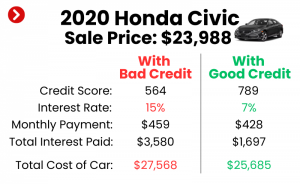
- Higher Interest Rates: Expect to pay higher interest rates due to the increased risk.
- Dealer Networks: Many dealerships have a "special finance" department that partners with a network of subprime lenders.
Always research the reputation of these dealerships and lenders thoroughly.
2. Credit Unions
Credit unions are non-profit organizations that often offer more flexible lending terms and lower interest rates than traditional banks, even for members with bad credit.
- Member-Focused: They are member-owned, so they prioritize their members’ financial well-being.
- Relationship-Based: If you have an existing relationship or become a member, they may be more willing to work with you.
- Local Focus: Often have a better understanding of local economic conditions.
It’s always worth checking with local credit unions first, especially if you’re already a member.
3. Online Lenders
The internet has opened up a world of options for bad credit car loans. Many online platforms specialize in connecting borrowers with various lenders, including subprime ones.
- Convenience: Apply from the comfort of your home, often with quick approval times.
- Comparison Shopping: Easily compare offers from multiple lenders without visiting numerous dealerships.
- Caution: Scrutinize terms carefully. Some online lenders may have predatory rates or hidden fees.
Always ensure the online lender is reputable and transparent about their terms and conditions.
4. "Buy Here, Pay Here" Dealerships
These dealerships act as both the seller and the lender, offering in-house financing. They are often a last resort for those who can’t get approved elsewhere.
- Lenient Approval: They typically have very lenient approval criteria, focusing more on your income stability than your credit score.
- High Interest Rates: Interest rates can be extremely high, sometimes nearing the legal maximum.
- Limited Credit Reporting: Not all "buy here, pay here" dealerships report payments to credit bureaus, meaning on-time payments might not help rebuild your credit.
- Limited Inventory: Often have a smaller selection of older, higher-mileage vehicles.
While they offer a solution, carefully weigh the pros and cons and understand the full cost before committing. For more details on the nuances of subprime lending, you can refer to resources from trusted financial institutions like the Consumer Financial Protection Bureau (CFPB) at consumerfinance.gov.
Navigating the Loan Process with Bad Credit
Once you’ve found potential lenders, the application process itself requires diligence and honesty. Don’t let your guard down just because you’ve found someone willing to lend.
1. Be Honest and Transparent
Don’t attempt to hide financial issues or misrepresent your income. Lenders will conduct thorough checks, and dishonesty can lead to immediate rejection or even legal trouble.
- Explain Your Situation: If you have specific negative marks on your credit report, be prepared to explain them concisely and honestly.
- Focus on the Present: Emphasize any positive changes in your financial situation since those negative events occurred.
Transparency builds trust, which is crucial when dealing with bad credit.
2. Read the Fine Print – Every Word
This cannot be stressed enough. Bad credit loans often come with less favorable terms, so it’s vital to understand exactly what you’re agreeing to.
- Interest Rate (APR): This is the total cost of borrowing, including interest and fees, expressed as an annual percentage. Compare APRs, not just monthly payments.
- Loan Term: A longer loan term means lower monthly payments but significantly more interest paid over time.
- Fees: Look for origination fees, late payment fees, and prepayment penalties.
- Collateral: Understand that the car itself serves as collateral, meaning it can be repossessed if you default.
Based on my experience, many people overlook the total cost of the loan, focusing only on the monthly payment. Always calculate the total amount you’ll pay back.
3. Beware of "Guaranteed Approval" Scams
If a lender promises "guaranteed approval" regardless of your credit score or income, proceed with extreme caution. These are often predatory lenders or outright scams.
- No Legitimate Lender Guarantees Approval: All legitimate lenders perform some form of assessment.
- High Pressure Tactics: Be wary of lenders who rush you into signing or don’t allow you time to review documents.
- Unusual Fees: Watch out for upfront fees that seem excessive or are not clearly explained.
Trust your instincts. If something feels too good to be true, it probably is.
4. Negotiate (If Possible)
Even with bad credit, there might be some room for negotiation, especially if you have multiple pre-approval offers.
- Compare Offers: Use a lower offer from one lender to try and get a better rate from another.
- Focus on APR: While monthly payments are important, negotiating the Annual Percentage Rate (APR) will save you more money in the long run.
- Don’t Be Afraid to Walk Away: If the terms are unfavorable, be prepared to explore other options.
Remember, your power to negotiate increases with preparation and comparison.
The Long-Term Game: Rebuilding Credit Through Your Car Loan
Securing a car loan with bad credit isn’t just about getting a vehicle; it’s also a powerful opportunity to rebuild your credit history. This can be a strategic step towards a more financially stable future.
1. Make Payments On Time, Every Time
This is the most critical aspect of credit rebuilding. Consistent, on-time payments demonstrate reliability to credit bureaus.
- Set Up Reminders: Use calendar alerts, automatic payments, or phone apps to ensure you never miss a due date.
- Pay More Than the Minimum: If you can afford it, paying a little extra each month can reduce the principal faster and save you on interest.
- Monitor Your Credit: Keep an eye on your credit score to see the positive impact of your timely payments.
Your car loan can become a positive entry on your credit report, showing future lenders that you can handle credit responsibly.
2. Avoid New Debt During the Loan Term
While you’re working to improve your credit, it’s wise to avoid taking on significant new debt. This keeps your debt-to-income ratio healthy and shows a focus on financial discipline.
- Focus on Repayment: Prioritize paying down your car loan and any existing high-interest debts.
- Limit Credit Card Use: If you use credit cards, pay off the full balance each month.
Consistent financial prudence will lead to significant credit score improvements over time. For a deeper dive into how timely payments can transform your financial profile, check out our guide on "The Power of Timely Payments: Your Path to a Better Credit Score".
3. Consider Refinancing Down the Line
Once you’ve made 12-18 months of on-time payments and your credit score has improved, you might be eligible to refinance your car loan.
- Lower Interest Rate: Refinancing can often secure you a lower interest rate, reducing your monthly payment and the total interest paid.
- Better Terms: You might also be able to adjust the loan term to better suit your financial situation.
- Shop Around Again: Treat refinancing like a new loan application, comparing offers from multiple lenders.
This strategy allows you to leverage your improved credit to save money and accelerate your financial progress.
Conclusion: Your Journey to a Car Loan with Bad Credit
The question "Can I qualify for a car loan with bad credit?" no longer needs to be a source of anxiety. While it presents unique challenges, the answer is a definitive "yes" for many. It demands preparation, diligence, and a strategic approach, but it is entirely achievable.
By understanding what lenders consider, implementing smart strategies like saving for a down payment, improving your DTI, and knowing where to seek out specialized lenders, you empower yourself. Remember to be transparent, read all documentation carefully, and view this loan not just as a means to get a car, but as a powerful tool for credit rebuilding.
Your journey to car ownership, even with bad credit, is within reach. Take control, educate yourself, and start planning today. The open road, and a stronger financial future, await!