Driving Dreams: Your Comprehensive Guide to Securing a Car Loan for a Private Sale with Bad Credit
Driving Dreams: Your Comprehensive Guide to Securing a Car Loan for a Private Sale with Bad Credit Carloan.Guidemechanic.com
Navigating the world of car financing can feel like a complex journey, especially when you’re aiming for a private sale and your credit score isn’t in its prime. Many people believe that securing a car loan for a private sale with bad credit is an impossible feat. We’re here to tell you that while it presents unique challenges, it is absolutely achievable with the right knowledge and strategic approach.
This comprehensive guide is designed to empower you with the insights and actionable steps needed to turn your car ownership dream into a reality. We’ll delve deep into every aspect, from understanding your credit to finding the perfect lender and navigating the private sale process.
Driving Dreams: Your Comprehensive Guide to Securing a Car Loan for a Private Sale with Bad Credit
Understanding the Double Challenge: Private Sale & Bad Credit
Before we jump into solutions, let’s unpack why this specific scenario can be tricky. A private sale, where you buy a car directly from an individual rather than a dealership, often presents cost savings. You typically avoid dealer markups and additional fees, making the vehicle more affordable.
However, financing a private sale comes with its own set of hurdles compared to buying from a dealership. Lenders often prefer dealing with established dealerships because the process is more standardized, and the vehicle’s history and condition are often verified more easily. This reduces their risk.
When you add "bad credit" to the equation, the complexity increases significantly. A low credit score signals a higher risk to lenders, making them hesitant to approve loans, especially for less conventional transactions like private sales. They perceive a greater chance of default, which can lead to higher interest rates or outright denial.
What Exactly is "Bad Credit"?
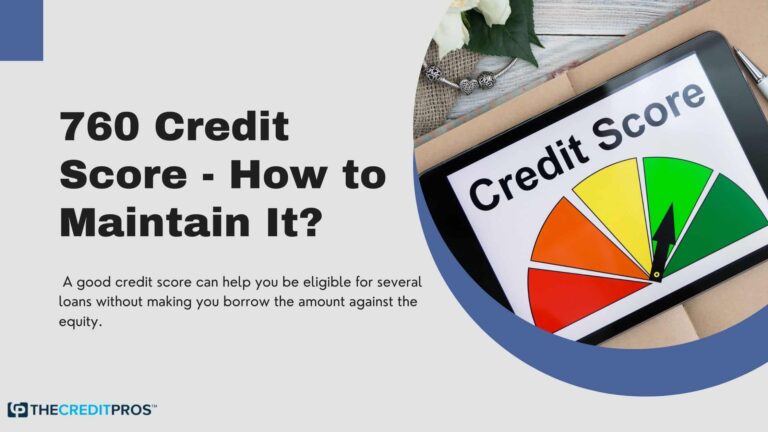
Your credit score is a three-digit number that represents your creditworthiness. Scores typically range from 300 to 850. While the exact thresholds can vary slightly between lenders, a FICO score below 600-620 is generally considered "bad" or "subprime." This score is influenced by your payment history, amounts owed, length of credit history, new credit, and credit mix.
Having bad credit doesn’t mean you’re irresponsible; life happens. Job loss, medical emergencies, or unexpected expenses can all impact your financial standing. The good news is that lenders understand this and there are options available for those looking to finance a used car loan with bad credit through private sellers.
Yes, It’s Possible! Strategies for Securing Your Loan
Based on my experience in the auto financing industry, success in securing a private seller financing with bad credit hinges on preparation, persistence, and knowing where to look. Here’s a breakdown of the key strategies you need to employ.
1. Know Your Credit Score and History Inside Out
This is your absolute first step. You cannot begin to tackle a problem without understanding its scope. Obtain your credit reports from all three major bureaus: Experian, Equifax, and TransUnion. You are entitled to a free report from each annually via AnnualCreditReport.com.
Carefully review each report for accuracy. Common mistakes to avoid are overlooking errors like incorrect account information, accounts that aren’t yours, or outdated negative entries. Disputing these errors can potentially boost your score relatively quickly. Understanding what factors are impacting your score will also guide your efforts to improve it.
2. The Power of a Substantial Down Payment
A significant down payment is one of your strongest allies when seeking a bad credit car loan. When you put more money down upfront, you reduce the amount you need to borrow, which in turn lowers the lender’s risk. This makes you a more attractive borrower, even with a less-than-perfect credit score.
Pro tips from us: Aim for at least 10-20% of the car’s purchase price, if not more. This not only increases your chances of approval but also reduces your monthly payments and the total interest paid over the life of the loan. Saving up for a down payment might mean delaying your purchase slightly, but it will pay dividends in the long run.
3. Finding the Right Lender for Private Party Car Loans
Not all lenders are created equal, especially when it comes to auto financing bad credit and private sales. You’ll need to broaden your search beyond traditional banks, which often have stricter lending criteria.
- Credit Unions: These member-owned financial institutions are often more flexible and willing to work with individuals who have less-than-perfect credit. They tend to prioritize their members’ needs over pure profit.
- Online Lenders Specializing in Bad Credit: A growing number of online lenders focus specifically on subprime auto loans. These lenders understand the challenges of bad credit and have tailored their loan products accordingly. They often have streamlined application processes and can offer quick pre-approvals. Do your research and read reviews to ensure they are reputable.
- Loan Brokers: A broker can connect you with a network of lenders, some of whom might specialize in difficult cases. They can help you compare offers and navigate the application process.
- Avoid "Buy Here, Pay Here" Dealerships: While these dealerships might seem like an easy option, they typically offer very high interest rates and limited vehicle choices. They often act as both the seller and the lender, which can lead to less favorable terms. Your goal is a private sale, so these are not applicable to your primary search, but it’s important to understand why they are generally not recommended.
Crucially, aim for pre-approval before you even start seriously shopping for a car. Pre-approval means a lender has reviewed your financial situation and provisionally agreed to lend you a certain amount, under specific terms. This gives you a clear budget, strengthens your negotiating position with a private seller, and saves you the embarrassment of finding a car only to discover you can’t finance it.
4. The Advantage of a Co-Signer
If you’re struggling to secure a loan on your own, a co-signer can significantly improve your chances. A co-signer is someone with good credit who agrees to take on the responsibility for the loan if you default. Their good credit history essentially "lends" credibility to your application.
Who makes a good co-signer? Ideally, it’s someone with excellent credit and a stable financial history, such as a trusted family member or close friend. However, it’s vital to understand the risks for the co-signer. If you miss payments, their credit score will also be negatively impacted, and they will be legally obligated to repay the debt. This arrangement requires a high level of trust and clear communication.
5. Leveraging Collateral (if applicable)
For some bad credit car loans, especially those for private sales, offering additional collateral can be an option. This is typically an asset you own outright, such as another vehicle, that the lender can seize if you fail to repay the loan. This reduces the lender’s risk and might make them more willing to approve your application.
Most auto loans are secured by the vehicle itself. However, if your credit is particularly challenged, a lender might look for additional security. This is less common for standard auto loans but can be a possibility with certain lenders or if you’re seeking a personal loan that you then use to buy the car.
6. Demonstrating Income and Stability
Lenders want assurance that you have the financial capacity to repay the loan. Even with bad credit, a stable income and employment history can be powerful indicators of your ability to make payments. Be prepared to provide documentation such as:
- Recent pay stubs
- Bank statements
- Tax returns (especially if self-employed)
- Proof of consistent employment history
A steady job, even for a relatively short period, shows reliability. If you have multiple income streams, make sure to document them clearly. The more evidence you can provide of your financial stability, the better your chances.
7. Choosing the Right Vehicle
When you have bad credit, the type of car you choose can impact your loan approval. Lenders are more likely to finance a reliable, reasonably priced vehicle. Extremely old cars might be harder to finance because their value depreciates quickly, and their mechanical reliability is uncertain. Very expensive or luxury vehicles will also be a tougher sell.
Focus on affordable, dependable used cars. Before committing to a private sale, insist on a pre-purchase inspection by an independent, certified mechanic. This is a non-negotiable step to avoid buying a lemon and ensures the car’s value aligns with its condition. This inspection protects both you and the lender.
8. Actively Improving Your Credit Score
While you might need a car now, actively working to improve your credit score in parallel is a smart long-term strategy. Even small improvements can lead to better loan terms.
Based on my experience, consistently paying all your bills on time, reducing existing debt (especially revolving credit like credit cards), and avoiding new credit inquiries can incrementally boost your score. Consider a secured credit card or a credit-builder loan to establish a positive payment history. Remember, good financial habits today pave the way for better opportunities tomorrow.
Navigating the Private Sale Process with Your Loan
Once you have a pre-approval in hand and a potential car in mind, the private sale process requires careful steps to ensure a smooth transaction.
Finding and Evaluating the Car
Start your search on reputable online platforms like Craigslist, Facebook Marketplace, Autotrader, or local classifieds. When you find a promising vehicle, arrange to see it in person. During the viewing, pay close attention to the car’s condition, both interior and exterior. Ask for maintenance records and a vehicle history report (like Carfax or AutoCheck).
Common mistakes to avoid are rushing this step or skipping the pre-purchase inspection. A good mechanic will identify potential issues that could cost you thousands down the line, safeguarding your investment and the lender’s interest.
Negotiation and Agreement
With your pre-approval, you have a solid budget. Negotiate the price with the seller, armed with your inspection report and market research. Once you agree on a price, you’ll need a "Bill of Sale" that clearly states the vehicle’s details, purchase price, and both parties’ information. This is a crucial legal document.
Remember, your lender will likely need to approve the specific vehicle you’re buying. They’ll want to ensure its value aligns with the loan amount and that it’s a sound investment.
The Loan Payout and Title Transfer
This is where the private sale differs significantly from a dealership purchase. Your lender will typically not give you cash directly. Instead, they will pay the private seller directly once all loan documents are signed and the vehicle’s title and registration information is verified.
The seller will need to provide the clear title (free of any liens) to the lender, or the lender will arrange for the title to be transferred into your name with their lien noted on it. Ensure all paperwork, including the bill of sale and title transfer documents, is correctly filled out and signed by both you and the seller. You’ll then need to register the vehicle in your name with your local Department of Motor Vehicles (DMV) or equivalent agency.
Understanding Loan Terms and Interest Rates
With bad credit, you should anticipate higher interest rates compared to borrowers with excellent credit. This is simply a reflection of the increased risk lenders are taking. Focus on the overall affordability of the loan – the monthly payment – rather than getting fixated solely on the interest rate.
- Annual Percentage Rate (APR): This is the true cost of borrowing, including the interest rate and any fees. Always compare APRs when looking at different loan offers.
- Loan Term: This is the length of time you have to repay the loan. Shorter terms mean higher monthly payments but less interest paid over time. Longer terms offer lower monthly payments but accumulate more interest over the loan’s duration. Choose a term that balances affordability with minimizing total interest costs.
- Fees: Be aware of any origination fees, application fees, or prepayment penalties. Read the fine print carefully.
Pro Tips for Success (E-E-A-T)
Having helped countless individuals navigate complex financial situations, here are some pro tips from us to maximize your chances of success:
- Get Pre-Approved FIRST: This cannot be stressed enough. It gives you buying power and clarity, making the entire process smoother. Don’t fall in love with a car you can’t afford or finance.
- Don’t Apply Everywhere: Each loan application creates a "hard inquiry" on your credit report, which can slightly lower your score. Apply to 2-3 lenders within a short timeframe (usually 14-45 days) so they count as a single inquiry for credit scoring models.
- Read the Fine Print: Understand every clause in your loan agreement. Ask questions if anything is unclear. This includes interest rates, fees, repayment schedules, and late payment penalties.
- Be Honest and Transparent: When communicating with lenders, be upfront about your financial situation and your credit history. Honesty builds trust and allows them to assess your situation accurately to find the best possible solution.
- Consider Waiting: If your credit score is extremely low and you don’t urgently need a car, consider taking a few months to actively improve your credit before applying. Even a 20-30 point increase can significantly impact your interest rate and approval chances.
What to Do If You’re Denied
Even with all the preparation, a denial can happen. If it does, don’t despair.
- Understand the Reason: Lenders are required to tell you why your application was denied. This feedback is invaluable.
- Address the Issues: Use the denial reason as a roadmap. If it’s a high debt-to-income ratio, focus on reducing debt. If it’s a lack of credit history, work on building it.
- Explore Alternatives: Consider a less expensive car, save more for a larger down payment, or seek a co-signer.
For more insights into managing your credit and improving your financial standing, check out our comprehensive guide on . If you’re exploring other financing options beyond private sales, read our detailed post on .
For an in-depth understanding of your credit score and how it’s calculated, which is crucial for improving your financial health, visit the official FICO website at https://www.myfico.com/credit-education.
Conclusion: Your Journey to Car Ownership Starts Now
Securing a car loan for a private sale with bad credit is undoubtedly challenging, but it is far from impossible. By understanding your credit, preparing thoroughly, knowing where to find the right lenders, and approaching the private sale process strategically, you can overcome these hurdles. Your financial past doesn’t have to dictate your future. With diligent effort and the right approach, you can drive away in the car you need. Start your journey today with confidence and a clear roadmap.