Driving Forward: Your Comprehensive Guide to Personal Car Loans for Bad Credit
Driving Forward: Your Comprehensive Guide to Personal Car Loans for Bad Credit Carloan.Guidemechanic.com
Securing a car can feel like an uphill battle when your credit score isn’t where you want it to be. Many people face this challenge, feeling stuck in a cycle where they need a car for work but can’t get a loan because of past financial hurdles. It’s a frustrating position, and one that countless individuals worldwide navigate every single day.
But here’s the truth: a less-than-perfect credit score doesn’t automatically close the door on getting the vehicle you need. While it might require a more strategic approach and a deeper understanding of the lending landscape, personal car loans for bad credit are a very real possibility. This comprehensive guide is designed to empower you with the knowledge, strategies, and confidence to drive away in your next car, even with bad credit.
Driving Forward: Your Comprehensive Guide to Personal Car Loans for Bad Credit
Understanding the "Bad Credit" Landscape for Car Loans
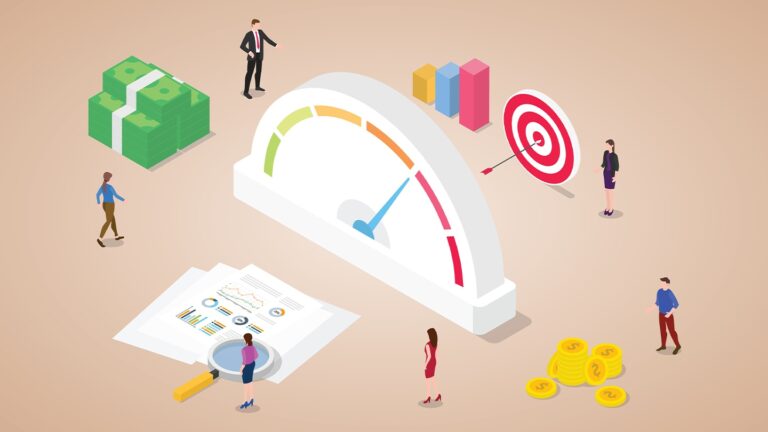
Before we dive into solutions, let’s clearly define what "bad credit" typically means in the context of auto financing. Your credit score is a numerical representation of your creditworthiness, largely based on your payment history, amounts owed, length of credit history, new credit, and credit mix. FICO scores, which range from 300 to 850, are most commonly used.
Generally, a score below 620 is often considered "subprime" or "bad credit" by many lenders. This range signifies a higher perceived risk for lenders. They see a history that suggests potential difficulty in meeting future financial obligations, which naturally makes them more cautious about extending credit.
Why Bad Credit Makes Car Loans Challenging (But Not Impossible)
From a lender’s perspective, a low credit score signals a higher likelihood of default. This isn’t a judgment on your character, but a statistical assessment based on historical data. As a result, lenders might be hesitant to offer you a loan, or they might offer terms that compensate for the increased risk.
Common challenges include higher interest rates, stricter approval criteria, and potentially larger down payment requirements. This doesn’t mean you’re out of options; it simply means the path requires a bit more preparation and discernment. We’ll explore exactly how to navigate these challenges effectively.
The Silver Lining: Why Lenders Still Offer Bad Credit Car Loans
Despite the challenges, a robust market exists for individuals seeking personal car loans for bad credit. Why? Because lenders understand that life happens. They recognize that a credit score is a snapshot in time, not a permanent sentence. Many factors can lead to bad credit – medical emergencies, job loss, divorce, or simply a lack of financial literacy early on.
Furthermore, a car is often a necessity, not a luxury. Lenders know that people need reliable transportation for work, school, and daily life. This demand creates a continuous market for specialized lenders who cater to subprime borrowers. These lenders are willing to take on higher risk, often in exchange for higher interest rates, but they provide a crucial service to millions.
Preparing for Your Bad Credit Car Loan Application
Success in securing a car loan with bad credit hinges significantly on preparation. Going in blind is a common mistake that can lead to frustration and rejection. Based on my experience, a well-prepared applicant stands a much better chance of approval and securing more favorable terms.
1. Know Your Credit Score and Report Inside Out
This is your starting point. You can’t fix what you don’t understand. Obtain your free credit report from AnnualCreditReport.com. This allows you to review reports from all three major credit bureaus (Experian, Equifax, and TransUnion).
Carefully examine each report for inaccuracies. Errors are more common than you might think, and disputing them can sometimes boost your score relatively quickly. Knowing your score also gives you a realistic expectation of the types of loans and rates you might qualify for.
2. Understand Your Budget: What Can You Truly Afford?
This step is critical, regardless of your credit score. Don’t just think about the monthly car payment; consider the total cost of car ownership. This includes insurance, fuel, maintenance, and potential repairs.
Pro tips from us: Create a detailed monthly budget. Factor in all your income and expenses. Be realistic about what you can comfortably pay each month without stretching yourself too thin. Lenders will look at your debt-to-income ratio, so demonstrating financial prudence is a huge advantage. Remember, the goal isn’t just to get a loan, but to successfully pay it off.
3. Save for a Down Payment
A significant down payment is one of the most powerful tools in your arsenal when seeking auto loans for poor credit. It reduces the amount you need to borrow, which in turn lowers the lender’s risk. This can lead to easier approval and potentially better interest rates.
Common mistakes to avoid are thinking you don’t need a down payment. Even 10-20% of the car’s value can make a substantial difference. It shows lenders you have some skin in the game and are committed to the purchase.
4. Gather All Necessary Documents
Being organized saves time and shows lenders you are serious. Before you even approach a dealership or lender, have these documents ready:
- Proof of Income: Recent pay stubs, bank statements, or tax returns.
- Proof of Residence: Utility bills or lease agreements.
- Proof of Identity: Driver’s license or state ID.
- Credit Report: The one you’ve already reviewed.
- References: Sometimes required, especially for subprime lenders.
Having everything neatly organized speeds up the application process and creates a positive impression.
Where to Find Bad Credit Car Loans: Types of Lenders
The good news is that several types of lenders specialize in or are willing to offer bad credit car financing. It’s about knowing where to look and understanding their approach.
1. Dealerships with Special Finance Departments
Many large car dealerships have dedicated "special finance" or "bad credit auto loan" departments. These departments work with a network of lenders, including subprime lenders, who specialize in helping customers with less-than-perfect credit.
- Pros: Convenient, one-stop shop for car and financing.
- Cons: Limited selection of lenders, potentially higher markups on vehicles or rates.
It’s crucial to research the dealership’s reputation and read reviews before committing.
2. Online Lenders Specializing in Bad Credit
The internet has opened up a world of options. Many online lenders specifically cater to individuals with bad credit. They often have streamlined application processes and can provide pre-approvals quickly.
- Pros: Easy to compare offers from multiple lenders, often faster processing.
- Cons: Can be overwhelming with choices, always verify legitimacy.
Pro tips from us: Always ensure the online lender is reputable and has positive customer reviews. Look for transparency in their terms and conditions.
3. Credit Unions
Credit unions are member-owned financial institutions that often have more flexible lending criteria than traditional banks. They are known for prioritizing their members’ financial well-being and may be more willing to work with individuals facing credit challenges.
- Pros: Potentially lower interest rates, more personalized service.
- Cons: Requires membership, may have stricter eligibility for membership.
If you’re already a member of a credit union, or if there’s one in your community you can join, it’s definitely worth exploring their personal car loans for bad credit options.
4. Buy Here, Pay Here (BHPH) Dealerships
These dealerships offer in-house financing, meaning they are both the seller and the lender. They often approve loans for individuals with very low credit scores or no credit history at all.
- Pros: High approval rates, even for very challenging credit situations.
- Cons: Typically much higher interest rates, limited vehicle selection (often older, higher mileage cars), and sometimes less transparency in pricing.
Common mistakes to avoid are jumping into a BHPH loan without fully understanding the terms. While they offer a solution, they should often be considered a last resort due to the potential for very expensive financing.
Strategies to Improve Your Chances of Approval
Beyond the initial preparation, there are specific strategies that can significantly bolster your application for personal car loans for bad credit.
1. Consider a Cosigner
A cosigner is someone with good credit who agrees to take on the responsibility for the loan if you default. This dramatically reduces the lender’s risk, making you a much more attractive borrower.
- Pros: Higher chance of approval, potentially lower interest rates.
- Cons: Places a significant financial burden on the cosigner, can strain relationships if payments are missed.
Based on my experience, this can be a game-changer, but choose your cosigner carefully and ensure both parties understand the full implications.
2. Opt for a Secured Loan
While most auto loans are inherently secured by the vehicle itself, understanding this concept is vital. A secured loan is backed by an asset (in this case, the car), which the lender can repossess if you fail to make payments. This reduces risk for the lender.
Sometimes, lenders might offer other secured personal loans (e.g., against savings) that you could use to purchase a car, but for car loans specifically, the car is the collateral. Highlighting your understanding of the collateral and your commitment to making payments can be beneficial.
3. Demonstrate Stability
Lenders look beyond just your credit score. They want to see stability. This includes:
- Job Stability: A consistent work history with the same employer.
- Residential Stability: Living at the same address for an extended period.
- Income Stability: A steady, verifiable income that comfortably covers the proposed loan payments.
Providing documentation that supports your stability can help offset a lower credit score.
4. Be Realistic About the Car You Can Afford
While it’s tempting to eye that brand-new, fully loaded SUV, being realistic is key. When you have bad credit, focusing on a reliable, affordable used car is often the smartest move. A lower-priced vehicle means a smaller loan amount, which is easier for lenders to approve and easier for you to pay off.
Pro tips from us: Look for vehicles that are known for their reliability and lower maintenance costs. This prevents additional financial strain down the road.
Navigating the Loan Offer: What to Look For
Once you start receiving loan offers for personal car loans for bad credit, it’s crucial not to jump at the first one. Read the fine print carefully.
1. Interest Rate (APR)
This is perhaps the most significant factor impacting the total cost of your loan. With bad credit, you can expect higher interest rates than someone with excellent credit. However, comparing offers can still reveal significant differences.
- Common mistakes to avoid: Focusing solely on the monthly payment. A low monthly payment might mean a longer loan term and much more interest paid over time.
2. Loan Term
This refers to the length of time you have to repay the loan. Longer terms often result in lower monthly payments but accumulate more interest over the life of the loan. Shorter terms mean higher monthly payments but less overall interest paid.
Based on my experience, aim for the shortest term you can comfortably afford. This helps you pay off the loan faster and save money.
3. Total Cost of the Loan
Calculate the total amount you will pay over the life of the loan, including the principal borrowed and all interest. This gives you the clearest picture of the loan’s true cost. Don’t be afraid to ask the lender for this figure explicitly.
4. Fees and Charges
Some lenders may include origination fees, application fees, or other charges. Make sure these are clearly itemized and understood before you sign. Transparency is key.
Common Pitfalls to Avoid When Getting a Bad Credit Car Loan
Navigating the world of auto loans for poor credit can be tricky. Being aware of potential traps can save you a lot of money and stress.
1. Don’t Accept the First Offer
Always shop around. Get pre-approved by a few different lenders before you step foot in a dealership. This gives you leverage and a benchmark to compare offers against.
2. Avoid "Guaranteed Approval" Claims
While some dealerships or lenders might advertise "guaranteed approval," exercise extreme caution. These often come with predatory interest rates, hidden fees, or unfavorable terms. A legitimate lender will always assess your ability to repay.
3. Don’t Get Upsold on Add-ons You Don’t Need
Dealerships often try to sell extended warranties, paint protection, or other add-ons. While some might be useful, many are overpriced and can significantly increase your loan amount, adding more interest.
Pro tips from us: Research the value of any add-ons independently and decide if they truly benefit you before agreeing to them.
4. Never Lie on Your Application
Providing false information on a loan application is a serious offense and can lead to legal consequences, not just loan denial. Always be honest and transparent about your financial situation.
Beyond the Loan: Building Better Credit for the Future
Securing a personal car loan for bad credit is a significant achievement, but it’s also an incredible opportunity to improve your financial standing. This loan can be a powerful tool for credit rebuilding.
1. Make All Payments On Time, Every Time
This is the single most important action you can take. Your payment history accounts for 35% of your FICO score. Consistent, on-time payments will gradually and significantly boost your credit score. Set up automatic payments or calendar reminders to ensure you never miss a due date.
2. Keep Your Credit Utilization Low
Beyond your car loan, aim to keep your credit card balances low relative to your credit limits. This demonstrates responsible credit management.
3. Diversify Your Credit Mix (Responsibly)
As your credit improves, consider other types of credit, such as a small secured credit card, to show you can manage different forms of debt responsibly. However, don’t open too many new accounts at once, as this can temporarily lower your score.
4. Monitor Your Credit Regularly
Continue to check your credit report periodically for errors and to track your progress. Seeing your score improve can be incredibly motivating. For more insights on improving your credit score, check out our guide on . If you’re unsure about budgeting, our article on can help you stay on track.
The Road Ahead: Taking Control of Your Financial Journey
Getting a personal car loan for bad credit is more than just buying a car; it’s about taking control of your financial future. It requires patience, research, and a commitment to responsible financial habits. While the journey might be challenging, the reward of reliable transportation and an improving credit score is well worth the effort.
Don’t let a past credit mistake define your future. With the right approach, you can secure the vehicle you need and use this opportunity to pave the way for a stronger financial tomorrow. Start your journey today by assessing your credit, understanding your budget, and exploring the lenders ready to work with you. For additional external resources on managing debt and improving financial literacy, you can visit the Consumer Financial Protection Bureau’s website at .