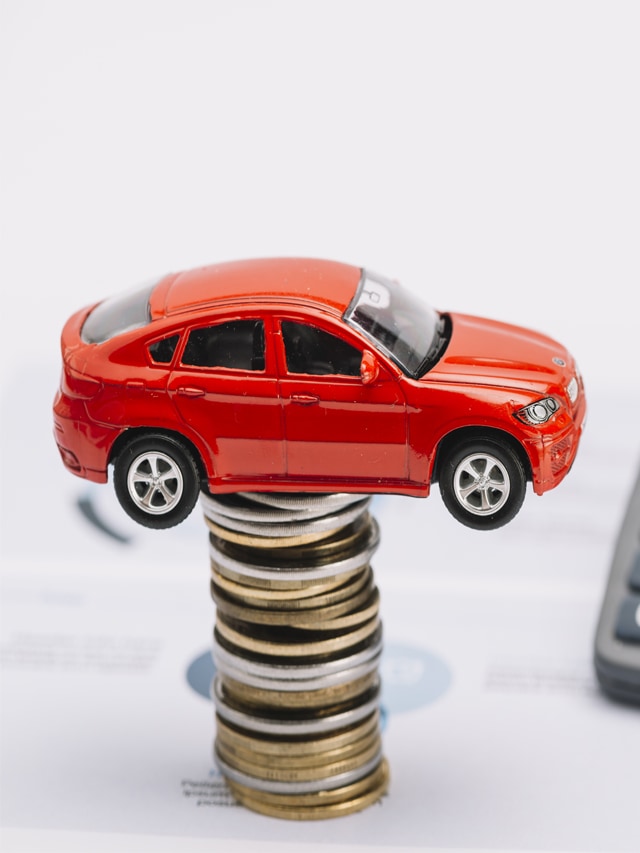
Driving Uphill: Navigating an Upside Down Car Loan with Bad Credit
Driving Uphill: Navigating an Upside Down Car Loan with Bad Credit Carloan.Guidemechanic.com
Facing an upside down car loan can feel like an insurmountable challenge, especially when compounded by the weight of bad credit. It’s a situation many car owners find themselves in, often through no fault of their own, as vehicle depreciation and economic shifts can be unpredictable. But here’s the crucial truth: you are not alone, and this financial predicament is not a dead end.
This comprehensive guide is designed to empower you with the knowledge and strategies needed to understand, address, and ultimately overcome the burden of negative equity when your credit history isn’t perfect. We’ll delve deep into practical solutions, reveal common pitfalls, and share expert insights to help you steer your financial journey back on track. Get ready to transform a stressful situation into a clear path forward.
Driving Uphill: Navigating an Upside Down Car Loan with Bad Credit
What Exactly is an Upside Down Car Loan? (Negative Equity Explained)
An upside down car loan, often referred to as having "negative equity," means you owe more on your vehicle than it’s currently worth. Imagine your car’s market value is $10,000, but your outstanding loan balance is $12,000. That $2,000 difference is your negative equity. It’s a common scenario that can catch many drivers by surprise.
This situation primarily arises due to the rapid depreciation of new vehicles. As soon as a new car leaves the dealership lot, its value can drop significantly, sometimes by as much as 20-30% in the first year alone. If your initial down payment was small or your loan term was very long, the amount you owe can outpace the car’s diminishing value quite quickly.
Understanding your loan-to-value (LTV) ratio is key here. LTV is simply your loan balance divided by your car’s actual value. An LTV greater than 100% signifies that you are upside down. This metric is a vital indicator of your financial standing regarding your auto loan.
The Double Whammy: Bad Credit and Negative Equity
Having an upside down car loan is challenging enough, but coupling it with bad credit adds another layer of complexity. Bad credit typically means lenders perceive you as a higher risk. Consequently, you’re often approved for loans with higher interest rates and less favorable terms. This makes it harder to pay down your principal balance quickly.
The higher interest charges mean a larger portion of your monthly payment goes towards interest rather than reducing the actual amount you owe on the car. This effectively slows down your progress in building equity, making it even more difficult to escape the negative equity trap. It creates a compounding effect, where a bad situation can become worse over time.
Based on my experience working with countless individuals, the combination of high interest rates and negative equity can feel like you’re running on a treadmill that’s constantly speeding up. It requires a strategic and persistent approach to break free from this cycle.
Identifying if You’re Upside Down
Before you can tackle the problem, you need to confirm if you’re actually in an upside down car loan situation. This isn’t difficult and only requires two pieces of information: your current loan balance and your car’s estimated market value. Taking these steps provides a clear picture of your financial standing.
First, contact your loan provider to get your precise loan payoff amount. This figure includes any accrued interest and fees, giving you the total amount needed to close out your loan today. It’s important to request the payoff amount, not just your current balance, as these can differ.
Next, determine your car’s market value using reliable sources like Kelley Blue Book (KBB.com) or Edmunds.com. These sites allow you to input your car’s make, model, year, mileage, and condition to get an estimated trade-in value and private party sale value. For the most conservative estimate, focus on the trade-in value, as that’s what a dealership would likely offer. If your payoff amount is higher than your car’s market value, you’re officially upside down.
Strategies to Get Out of an Upside Down Car Loan (Even with Bad Credit)
Successfully navigating an upside down car loan with bad credit requires a multi-pronged approach. There isn’t a single magic bullet, but rather a combination of diligent actions and informed decisions. Let’s explore the most effective strategies.
Option 1: Pay Extra Towards Principal
One of the most straightforward and effective ways to reduce your negative equity is to pay more than your minimum monthly payment, specifically directing the extra funds towards your loan’s principal. Even small additional payments can make a significant difference over time. This accelerates the process of bringing your loan balance below your car’s value.
By reducing your principal faster, you also reduce the total interest you’ll pay over the life of the loan. This strategy requires discipline, but it puts you firmly in control of your financial recovery. Always confirm with your lender that extra payments are indeed applied directly to the principal.
Pro tips from us: If you receive a bonus, tax refund, or any unexpected windfall, consider allocating a portion of it to your car loan principal. Consistency, even with small amounts, builds momentum.
Option 2: Refinancing Your Auto Loan
Refinancing involves taking out a new loan to pay off your current car loan, ideally with better terms. While challenging with bad credit, it’s not impossible, especially if you’ve shown recent improvements in your payment history or your credit score has seen a slight bump. A lower interest rate can significantly reduce your monthly payments and the total cost of the loan.
The key to successful refinancing with bad credit often lies in finding lenders who specialize in subprime auto loans or by securing a co-signer with good credit. A co-signer can significantly increase your chances of approval and help you secure a more favorable interest rate. This reduces the lender’s risk and makes you a more attractive borrower.
For more on this, check out our "Navigating Auto Loan Refinancing with Challenging Credit" blog post. Even if you can’t completely eliminate negative equity through refinancing, a lower interest rate helps you chip away at it faster.
Option 3: Trading In Your Car (with caution)
Trading in your car while upside down is a common practice, but it’s fraught with potential pitfalls. When you trade in a vehicle with negative equity, the outstanding balance is often "rolled over" into your new car loan. This means your new loan will be for more than the value of your new car, perpetuating the negative equity cycle.
While it might seem like an easy way to get a new vehicle, rolling over negative equity can lead to higher monthly payments and a longer loan term. It’s a dangerous path if not handled carefully, as you could end up significantly more upside down on your next vehicle. Always be transparent with the dealership about your situation.
If you absolutely must trade in, try to make a substantial down payment on the new car to offset the negative equity from your old vehicle. Negotiate the trade-in value aggressively and aim for a fantastic deal on the new car to minimize the financial impact.
Option 4: Selling Your Car Privately
Selling your car privately can often fetch a higher price than trading it into a dealership. This strategy can be advantageous if the private sale value is close to or even exceeds your loan payoff amount. However, this option requires you to have the funds to cover any remaining negative equity out-of-pocket.
Since your car loan is a secured loan, the lender holds the title until the loan is fully paid off. You would need to pay off the outstanding balance to receive the title and transfer ownership to the buyer. This means you’ll need to bridge the gap between your sale price and the loan amount with your own funds.
Pro tip from us: Be prepared to handle the administrative steps, including title transfer and paperwork, which can be more involved than a simple trade-in. This option is best suited for those who can afford to pay the difference directly.
Option 5: Debt Consolidation (Carefully)
Debt consolidation, typically through a personal loan, involves taking out a new loan to pay off multiple existing debts, including potentially the negative equity portion of your car loan. This can simplify payments and, if you qualify for a lower interest rate, save you money. However, this is a highly risky strategy for a secured car loan.
Most personal loans are unsecured, meaning they don’t have collateral like your car. If you consolidate your negative equity into an unsecured loan, you’re essentially converting a secured debt (the difference on your car) into an unsecured one. While this might seem appealing, it often means higher interest rates than secured auto loans and a potentially longer repayment period, increasing your overall cost.
Common mistakes to avoid are: Using a high-interest personal loan to pay off a lower-interest auto loan. Always compare interest rates and terms meticulously. This strategy is generally more suited for credit card debt or other high-interest unsecured loans, rather than trying to pay off an upside-down car loan.
Option 6: Improving Your Credit Score
This is a long-term strategy, but perhaps the most impactful one for your overall financial health. Improving your credit score makes you a more attractive borrower, opening doors to better interest rates on future loans, including auto loans or refinancing options. Even small improvements can yield significant financial benefits.
Start by consistently making all your payments on time, not just for your car loan, but for all your debts. Reduce your credit card balances to lower your credit utilization ratio, which is a major factor in your score. Avoid opening new lines of credit unnecessarily, as this can temporarily lower your score.
For a detailed roadmap, check out our "Your Ultimate Guide to Boosting Your Credit Score" blog post. Patience and diligent effort will eventually pay off, allowing you to access more favorable lending terms.
Proactive Steps to Avoid Going Upside Down in the Future
Prevention is always better than cure. Once you’ve navigated your current negative equity situation, adopting proactive financial habits can ensure you don’t fall into the same trap again. These steps are fundamental for responsible car ownership.
Larger Down Payments: A substantial down payment reduces the amount you need to borrow, immediately giving you more equity in the vehicle. This creates a buffer against rapid depreciation. Aim for at least 20% if possible.
Shorter Loan Terms: While longer loan terms offer lower monthly payments, they mean you’re paying interest for a longer period and building equity slower. Opt for the shortest loan term you can comfortably afford to get out of debt faster.
Buying a Used Car: Used cars depreciate at a slower rate than new cars, as they’ve already taken the initial, steepest hit in value. This makes it easier to maintain positive equity throughout your ownership.
Understanding Depreciation: Research the depreciation rates of different car models before buying. Some vehicles hold their value better than others. Choose models known for good resale value to minimize your risk.
Gap Insurance: This insurance covers the "gap" between what you owe on your loan and your car’s actual cash value if it’s totaled or stolen. It’s a crucial safeguard, especially for new cars or if you’ve made a small down payment. It ensures you aren’t left paying for a car you no longer have.
Common Mistakes to Avoid When Dealing with Negative Equity
Navigating an upside down car loan requires careful decision-making. Certain missteps can exacerbate the problem, making your financial recovery even harder. Being aware of these common mistakes can help you steer clear of them.
Ignoring the Problem: Hoping the situation will resolve itself is a dangerous approach. Negative equity doesn’t disappear; it often grows as interest accrues and the car continues to depreciate. Address it head-on.
Rolling Over Negative Equity Blindly: As discussed, simply adding your negative equity to a new car loan without understanding the implications is a recipe for disaster. This only digs you deeper into debt. Always analyze the total cost.
Taking on Another High-Interest Loan: Using a high-interest personal loan or credit card to cover the negative equity can sometimes replace one problem with an even more expensive one. Prioritize reducing high-interest debt first.
Not Shopping Around for Lenders: Even with bad credit, different lenders offer varying terms. Don’t settle for the first offer you receive. Explore credit unions, online lenders, and even local banks.
Based on My Experience: The Human Element of Negative Equity
Having guided many through these financial waters, I’ve learned that the emotional toll of an upside down car loan with bad credit can be immense. It often feels like a trap, leading to stress, anxiety, and a sense of powerlessness. However, every single person who has committed to a plan and stayed consistent has eventually found their way out.
The biggest challenge I’ve observed is the initial reluctance to confront the numbers. It’s natural to want to avoid unpleasant financial realities. But based on my experience, the moment you gather all the facts – your loan balance, your car’s value, and your credit score – is the moment you take back control. This clarity empowers you to make informed decisions rather than reactive ones.
I’ve also seen the incredible impact of small, consistent efforts. Paying an extra $25 or $50 each month towards principal might not seem like much, but over a year, it adds up to a significant dent in your negative equity. It’s about patience, persistence, and celebrating small victories along the way.
Finding Lenders When You Have Bad Credit and Negative Equity
Finding a lender willing to work with you when you have bad credit and an upside down car loan can be tough, but it’s not impossible. Specific types of lenders are more accustomed to these scenarios and may offer solutions. It’s all about knowing where to look and presenting yourself as responsibly as possible.
Subprime Lenders: These financial institutions specialize in lending to individuals with less-than-perfect credit. While their interest rates are typically higher, they are often more willing to consider applicants with bad credit. Do thorough research to find reputable subprime lenders.
Credit Unions: Often overlooked, credit unions are member-owned and generally more flexible and understanding than traditional banks. They may be more willing to work with members facing financial challenges, potentially offering more favorable rates and terms even with bad credit.
Co-Signers: As mentioned earlier, securing a co-signer with good credit can significantly improve your chances of loan approval and help you get a better interest rate. This reduces the lender’s risk and makes you a more attractive borrower. Ensure your co-signer understands their responsibilities.
Be extremely wary of any lender promising guaranteed approval without a credit check or pressuring you into signing without fully understanding the terms. Predatory lenders exist, and they target vulnerable individuals. Always read the fine print and seek independent advice if something feels off. For more information on responsible borrowing and understanding loan terms, a great resource is the Consumer Financial Protection Bureau (CFPB) website.
Conclusion: Taking the Wheel of Your Financial Future
An upside down car loan, especially when coupled with bad credit, can be a daunting financial hurdle. However, by understanding the mechanics of negative equity and employing a strategic approach, you can absolutely regain control. Remember, knowledge is power, and consistent action is your most valuable tool.
Whether it’s making extra principal payments, carefully considering refinancing, or taking proactive steps to improve your credit score, each effort moves you closer to financial freedom. Don’t let the weight of negative equity define your financial journey. Take the wheel, implement these strategies, and drive towards a more stable and equitable future. Your financial well-being is worth the effort.