Estimate Car Loan With Credit Score: Your Ultimate Guide to Smarter Auto Financing
Estimate Car Loan With Credit Score: Your Ultimate Guide to Smarter Auto Financing Carloan.Guidemechanic.com
Securing a car loan can feel like navigating a complex maze, especially when you’re unsure how your financial standing will impact the outcome. At the heart of this process lies one crucial factor: your credit score. This three-digit number holds immense power, influencing everything from whether your loan is approved to the interest rate you’ll pay over the lifetime of your vehicle.
Understanding how to estimate a car loan with your credit score isn’t just about getting approved; it’s about empowering yourself to secure the most favorable terms possible. This comprehensive guide will demystify the connection between your credit score and auto financing, providing you with the knowledge and strategies to approach your next car purchase with confidence. We’ll delve deep into every aspect, ensuring you have all the tools to make informed decisions and save money.
Estimate Car Loan With Credit Score: Your Ultimate Guide to Smarter Auto Financing
Unpacking the Power of Your Credit Score
Before we dive into loan specifics, it’s essential to grasp what a credit score truly represents. Essentially, it’s a numerical summary of your creditworthiness, derived from the information in your credit reports. Lenders use this score as a quick indicator of how reliably you’ve managed debt in the past and how likely you are to repay future obligations, like a car loan.
While there are several scoring models, the most widely recognized are FICO Scores and VantageScore. Both range from 300 to 850, with higher numbers indicating lower risk. A strong credit score signals to lenders that you are a responsible borrower, making them more willing to offer you attractive loan terms.
Why Your Credit Score is the Lynchpin of Car Loans
Your credit score acts as the primary filter for auto lenders. It’s often the first piece of information they consider when you apply for financing. A higher score typically unlocks access to a broader range of loan products and significantly better interest rates, potentially saving you thousands of dollars over the loan term.
Conversely, a lower credit score can limit your options, lead to higher interest rates, or even result in a loan denial. Understanding where you stand credit-wise is the foundational step in accurately estimating your potential car loan. Without this critical insight, any car loan estimate remains largely speculative.
Credit Score Ranges and What They Mean for Auto Financing
Lenders categorize credit scores into tiers, each associated with different risk levels and, consequently, different lending terms. While specific thresholds can vary slightly between lenders, here’s a general breakdown:
- Excellent (780-850): Borrowers in this range are considered prime candidates. They typically qualify for the lowest interest rates and the most flexible terms available. Lenders view them as very low risk.
- Very Good (740-779): These borrowers also enjoy excellent rates and terms, though perhaps not always the absolute lowest. They still represent a highly creditworthy demographic.
- Good (670-739): This is the average range for many consumers. Individuals with good credit can expect competitive rates, though they might be slightly higher than those with excellent or very good scores. Loan approval is generally straightforward.
- Fair (580-669): Borrowers in this category may find it harder to secure prime rates. They might face higher interest rates, stricter approval criteria, or requests for a larger down payment. Loan options might be more limited.
- Poor (300-579): This range signals a higher risk to lenders. Getting approved for a traditional car loan can be challenging, often requiring a co-signer, a significant down payment, or only qualifying for subprime loans with much higher interest rates.
Common Mistakes to Avoid When Considering Your Credit Score
Based on my experience, one of the most common mistakes people make is not checking their credit score before they start car shopping. This leaves them vulnerable to whatever terms a dealership might offer without understanding their true borrowing power. Another pitfall is making multiple credit applications in a short period, which can temporarily lower your score due to numerous hard inquiries. Be strategic and informed.
The Direct Impact: How Your Credit Score Shapes Car Loan Terms
Your credit score doesn’t just open or close doors; it fundamentally reshapes the entire structure of your car loan. From the amount you pay monthly to the total cost of the vehicle, its influence is pervasive and significant.
Interest Rates: The Most Significant Financial Impact
The interest rate is arguably the most critical factor determined by your credit score. It’s the cost of borrowing money, expressed as a percentage of the loan amount. A higher credit score almost always translates to a lower interest rate, which directly reduces your monthly payment and the total amount of interest you’ll pay over the life of the loan.
Consider this: on a $30,000 car loan over five years, the difference between a 3% interest rate (for excellent credit) and a 7% interest rate (for fair credit) can amount to thousands of dollars in extra payments. This single factor underscores the immense financial leverage a good credit score provides.
Loan Approval and Amount: Your Gateway to Financing
Lenders use your credit score to gauge your reliability. An excellent score significantly increases your chances of loan approval, often with minimal fuss. For those with lower scores, approval might still be possible, but lenders may impose stricter conditions or require additional collateral.
Furthermore, your credit score can influence the maximum loan amount a lender is willing to offer. A higher score might allow you to borrow more, assuming your income supports the payments. Conversely, a lower score could lead to lenders approving a smaller loan, potentially requiring you to choose a less expensive vehicle or make a larger down payment.
Down Payment Requirements and Loan Term Flexibility
While not always directly tied to your credit score, there’s a strong correlation. Borrowers with excellent credit may qualify for loans with no down payment or very low down payment requirements. Lenders feel confident in their ability to repay the loan, even without a significant upfront investment.
For those with fair or poor credit, a substantial down payment might become a requirement for approval. This reduces the lender’s risk and demonstrates your commitment to the purchase. Similarly, your credit score can influence the flexibility of your loan term. Good credit often allows for a wider range of terms (e.g., 36, 48, 60, 72 months), whereas lower credit might limit you to shorter terms with higher monthly payments, or longer terms with more interest paid overall, depending on the lender’s risk assessment.
Pro Tip from Us: Leverage Pre-Approval
One of the smartest moves you can make is to get pre-approved for a car loan before you step onto a dealership lot. This involves applying for a loan with a bank, credit union, or online lender. They will perform a soft credit inquiry (which doesn’t affect your score) to give you an estimated rate, and then a hard inquiry (which might slightly dip your score temporarily) for a concrete offer.
Having a pre-approval in hand transforms you into a cash buyer at the dealership. You’ll know exactly what interest rate you qualify for, giving you a powerful negotiation tool and ensuring you don’t get swayed by potentially less favorable dealer financing options.
Beyond the Score: Other Factors Lenders Evaluate
While your credit score is a major player, it’s not the only factor lenders consider when evaluating your car loan application. A holistic assessment of your financial situation helps them determine your overall ability to manage and repay the debt.
Your Debt-to-Income (DTI) Ratio
Your Debt-to-Income (DTI) ratio is a crucial metric that measures how much of your gross monthly income goes towards paying debts. Lenders calculate this by dividing your total monthly debt payments by your gross monthly income. A DTI ratio below 36% is generally considered excellent, indicating you have sufficient income to cover additional debt, like a car loan.
A high DTI ratio, even with a decent credit score, can raise red flags for lenders. It suggests that you might be overextended financially, making it harder to take on new obligations. Lenders prefer to see that you have ample disposable income after paying your existing bills.
Down Payment Amount: Reducing Lender Risk
The size of your down payment directly influences the Loan-to-Value (LTV) ratio, which is the amount you borrow compared to the car’s value. A larger down payment reduces the LTV, meaning you’re financing less of the vehicle’s cost. This significantly lowers the lender’s risk, as they have less money to lose if you default on the loan.
A substantial down payment can sometimes offset a less-than-perfect credit score, making you a more attractive borrower. It shows financial stability and commitment, demonstrating to the lender that you have skin in the game.
Employment History and Income Stability
Lenders want assurance that you have a consistent and reliable source of income to make your monthly payments. They typically look for a stable employment history, often preferring applicants who have been at their current job for at least two years. A steady income provides confidence in your ability to meet your financial obligations.
Self-employed individuals or those with variable incomes might need to provide more extensive documentation, such as tax returns, to prove their income stability. Lenders are looking for predictability, as this directly impacts your capacity to repay the loan.
Vehicle Type and Age: Asset Value and Risk
The car you choose also plays a role in the loan approval process. Newer, more reliable vehicles often present less risk to lenders because they hold their value better and are less likely to incur major repair costs early on. This makes them easier to repossess and resell if a borrower defaults.
Older vehicles, especially those with high mileage, can be harder to finance through traditional lenders. They depreciate faster and may have higher maintenance costs, increasing the risk for both the borrower and the lender. Some lenders have restrictions on the age or mileage of vehicles they will finance.
Pro Tips from Us: Strengthening Your Application
Even if your credit score isn’t perfect, you can bolster your application by focusing on these other factors. A larger down payment, a stable job, and a low DTI ratio can collectively present a compelling case to lenders. Don’t underestimate the power of showing financial responsibility in multiple areas.
Estimating Your Car Loan: A Step-by-Step Practical Guide
Now that we understand the intricate relationship between your credit score and car loans, let’s walk through the practical steps to estimate your potential financing. This systematic approach will provide you with a realistic picture of what you can afford.
Step 1: Know Your Credit Score (and Report!)
This is the absolute first step. You cannot accurately estimate a car loan without knowing your current credit standing. You are entitled to a free copy of your credit report from each of the three major bureaus (Experian, EquiFax, and TransUnion) once a year via AnnualCreditReport.com. Many credit card companies and banks also offer free credit score access.
Soft vs. Hard Inquiries: When you check your own credit score, it’s typically a "soft inquiry," which doesn’t affect your score. However, when a lender pulls your credit as part of a loan application, it’s a "hard inquiry" and can slightly ding your score for a short period. Be mindful of this when shopping for loans.
Step 2: Assess Your Overall Financial Health
Before looking at cars, look at your budget. Calculate your current monthly income and expenses. Determine how much you can comfortably allocate to a car payment, insurance, fuel, and maintenance without straining your finances.
Calculate Your DTI Ratio: Add up all your minimum monthly debt payments (credit cards, student loans, mortgage, etc.) and divide that by your gross monthly income. This will give you a clear picture of your current debt burden and help you understand how lenders will view your capacity for a new loan.
Step 3: Research Current Interest Rates Based on Your Credit Tier
Once you know your credit score, you can research average auto loan interest rates for your specific credit tier. Many financial websites and lenders publish these ranges. This gives you a realistic expectation of the rate you might qualify for.
Shop Around: Don’t just settle for the first rate you see. Different lenders have different criteria and offer varying rates. Check with banks, credit unions, and online lenders to compare their offerings.
Step 4: Utilize Online Car Loan Calculators
Online calculators are invaluable tools for estimating your car loan. They allow you to input various factors to see how they impact your potential monthly payment.
What to Input:
- Loan Amount: How much you plan to borrow.
- Interest Rate: The rate you estimated based on your credit score.
- Loan Term: The number of months you plan to take to repay the loan (e.g., 36, 48, 60, 72 months).
- Down Payment: Any money you plan to pay upfront.
Understanding the Output: The calculator will provide an estimated monthly payment. Play around with different loan terms and down payment amounts to see how they affect your budget. This helps you determine what kind of car (and price range) is truly affordable for you.
Step 5: Get Pre-Approved for a Loan
As mentioned earlier, pre-approval is a game-changer. It gives you a concrete loan offer, including the interest rate and maximum loan amount, before you even choose a car. This allows you to walk into a dealership with your financing already secured, giving you significant leverage during negotiations.
Based on my experience, pre-approval not only saves you time but also often secures a better rate than you might get through dealer financing alone. It separates the financing negotiation from the car price negotiation, allowing you to focus on getting the best deal on both fronts.
Elevating Your Credit Score for Superior Car Loan Rates
If your credit score isn’t where you want it to be, don’t despair. There are proactive steps you can take to improve it, which can lead to significantly better car loan rates down the line. Even a small increase can make a difference.
1. Pay All Bills On Time, Every Time
Payment history is the single most influential factor in your credit score, accounting for about 35% of your FICO Score. Late payments, even by a few days, can severely damage your score. Set up automatic payments or calendar reminders to ensure you never miss a due date on credit cards, loans, and other bills.
Consistent, on-time payments demonstrate reliability to lenders, proving you can manage your financial obligations responsibly. This positive behavior steadily builds a strong credit profile.
2. Reduce Your Outstanding Debt
Your credit utilization ratio – the amount of credit you’re using compared to your total available credit – accounts for 30% of your FICO Score. Keeping this ratio low (ideally below 30%) signals to lenders that you’re not over-reliant on credit.
Focus on paying down high-interest credit card balances first. As your balances decrease, your credit utilization improves, which can lead to a quick boost in your credit score.
3. Avoid New Credit Applications Before a Car Loan
Every time you apply for new credit (like a new credit card or loan), a hard inquiry is placed on your credit report. While one or two hard inquiries won’t drastically impact your score, multiple inquiries in a short period can suggest you’re desperately seeking credit, which lenders view as risky.
Try to limit new credit applications in the 6-12 months leading up to your car loan application. This helps keep your credit profile stable and your score higher.
4. Check Your Credit Reports for Errors
Mistakes on your credit report can unfairly drag down your score. These errors could include incorrect late payments, accounts that aren’t yours, or inaccurate account balances. You have the right to dispute any inaccuracies with the credit bureaus.
Regularly review your credit reports from all three major bureaus (Experian, Equifax, TransUnion). Correcting errors can sometimes lead to an immediate improvement in your score. For a deeper dive into improving your credit score, check out our detailed guide: .
5. Maintain a Good Credit Mix (Over Time)
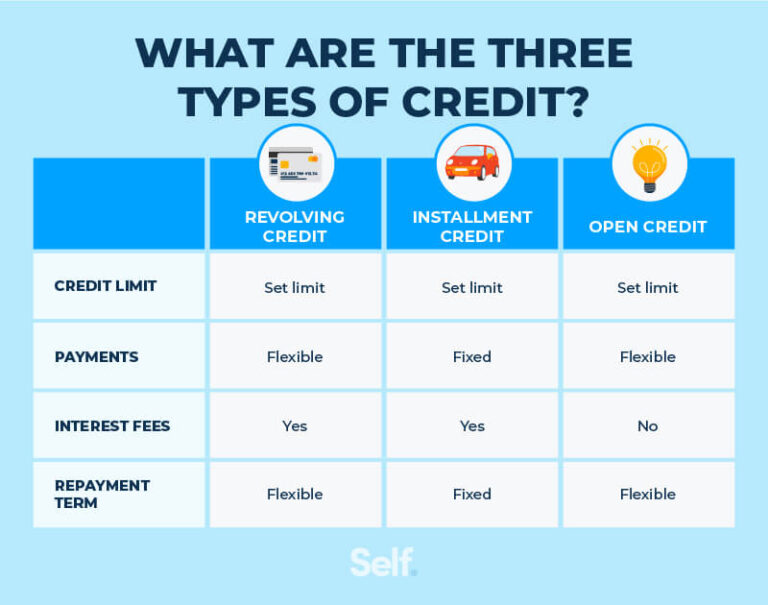
While not as impactful as payment history or utilization, having a healthy mix of different types of credit (e.g., credit cards, installment loans like student loans or mortgages) can positively influence your score. It shows you can responsibly manage various forms of debt.
However, don’t open new accounts just to improve your credit mix. This strategy is more effective when it happens naturally over time as you build your financial history.
Navigating the Car Loan Application Process
Once you’ve estimated your loan and ideally improved your credit, it’s time to formally apply. Knowing what to expect and how to prepare can make the process smoother and more successful.
Gathering Your Documents
Lenders will require various documents to verify your identity, income, and financial stability. Common requirements include:
- Proof of Identity: Driver’s license, passport.
- Proof of Income: Recent pay stubs (1-3 months), W-2 forms, tax returns (especially for self-employed individuals).
- Proof of Residence: Utility bills, lease agreement.
- Proof of Insurance: Required before you drive off the lot.
- Trade-in Information (if applicable): Title, registration, loan payoff amount.
Having these documents organized and ready can significantly expedite the application process.
Dealer Financing vs. Independent Lenders
You generally have two main avenues for securing a car loan:
- Independent Lenders: Banks, credit unions, and online lenders. These are often where you’ll get your pre-approval. They tend to offer competitive rates and transparent terms.
- Dealership Financing: The dealership acts as an intermediary, working with various lenders (including their own captive finance companies) to find you a loan. While convenient, the rates offered might not always be the absolute best, as the dealership may add a markup.
Common mistakes to avoid: Relying solely on dealer financing without comparing it to outside offers. Always get an independent offer first to use as a benchmark.
Understanding the Fine Print
Before signing any loan agreement, meticulously read all the terms and conditions. Pay close attention to:
- Annual Percentage Rate (APR): This is the true cost of borrowing, including interest and any fees.
- Loan Term: The length of time you have to repay the loan.
- Monthly Payment: Ensure it fits comfortably within your budget.
- Prepayment Penalties: Check if there are any fees for paying off your loan early.
- Additional Fees: Look out for origination fees, document fees, or other charges.
Don’t hesitate to ask questions if anything is unclear. It’s your right to fully understand the commitment you’re making.
Negotiating Tips
Even with a pre-approval, there’s often room for negotiation, especially at the dealership.
- Negotiate the car price first: Keep the car price and financing separate. Get the best price on the vehicle before discussing loan terms.
- Use your pre-approval as leverage: Show the dealer your independent loan offer and ask them to beat it.
- Be wary of extended warranties and add-ons: These can significantly increase your loan amount and often come with high markups. Evaluate if you truly need them.
- Don’t rush: Take your time to review all documents before signing.
Understanding the nuances of different loan structures can also be beneficial. Learn more in our article: .
Real-World Scenarios and Practical Advice
Let’s look at how your credit score translates into real-world car buying experiences and provide tailored advice for each scenario.
Buying with Excellent Credit (780-850)
Scenario: You have a flawless payment history, low credit utilization, and a long credit history.
What to Expect: You’re in the driver’s seat. Expect the lowest advertised interest rates, flexible loan terms, and potentially no down payment required. Lenders will compete for your business.
Pro Tips from Us: Leverage your strong credit to get the absolute best rate. Apply for pre-approval from multiple lenders (banks, credit unions, online) within a 14-day window (to minimize credit score impact from multiple hard inquiries, as they’ll often be treated as a single inquiry if done within a short period for the same loan type). Don’t settle for anything less than the prime rates.
Buying with Good/Average Credit (670-779)
Scenario: You have a solid payment history, but perhaps a few missed payments in the past, or a shorter credit history.
What to Expect: You’ll likely qualify for competitive rates, though they might be slightly higher than those with excellent credit. Approval is generally straightforward, but you might benefit from a small down payment.
Pro Tips from Us: Focus on strengthening your application. A down payment of 10-20% can significantly improve your offer. Consider getting pre-approved from a credit union, as they often offer better rates to members. If possible, take a few months to pay down existing debt to improve your DTI ratio before applying.
Buying with Poor/No Credit (300-669)
Scenario: You have a limited credit history, past bankruptcies, or a history of missed payments.
What to Expect: This is the most challenging scenario. You’ll likely face higher interest rates, stricter approval criteria, and potentially mandatory down payments. You might be limited to subprime lenders.
Pro Tips from Us:
- Consider a Co-signer: A co-signer with good credit can significantly improve your chances of approval and secure a better rate. However, ensure both parties understand the responsibility involved.
- Larger Down Payment: Aim for at least 20% down, or even more. This reduces the loan amount and the lender’s risk.
- Look for "Buy Here, Pay Here" Dealerships (with caution): These dealers often finance loans in-house but typically come with very high interest rates. Use them as a last resort and be extremely careful with the terms.
- Subprime Loans: Be prepared for higher interest rates. The goal here is often to get approved, make on-time payments, and rebuild your credit for a better loan in the future.
- Start with a Less Expensive Car: A smaller loan amount is easier to get approved for and manage, allowing you to build positive credit history.
Don’t settle for the first offer. Even with poor credit, it’s worth checking with multiple lenders. Some might specialize in bad credit auto loans and offer slightly more favorable terms. The key is to be patient, persistent, and prepared.
Conclusion: Your Credit Score is Your Car Loan Compass
Estimating a car loan with your credit score isn’t merely an academic exercise; it’s a vital step towards making one of the most significant purchases of your life wisely and affordably. Your credit score serves as your financial compass, guiding you toward the best possible interest rates and loan terms, ultimately saving you money over the long haul.
By understanding what your credit score means, how it influences lenders, and the other financial factors at play, you gain invaluable power. Take the time to check your score, understand your financial health, and explore your pre-approval options. Whether your credit is excellent or needs a little TLC, a strategic and informed approach will always yield better results. Empower yourself with knowledge, prepare diligently, and drive away with confidence, knowing you’ve secured the best car loan with your credit score. Start preparing today to make your next car purchase a smooth and financially sound experience.
External Link: For a direct and reliable way to check your official credit reports from all three major bureaus, visit AnnualCreditReport.com. This is the only authorized source for your free annual credit reports.