Food Stamps and Car Loan: A Comprehensive Guide to Navigating Eligibility & Financing
Food Stamps and Car Loan: A Comprehensive Guide to Navigating Eligibility & Financing Carloan.Guidemechanic.com
For millions of Americans, the need for reliable transportation is not a luxury, but a fundamental necessity. It’s the bridge to employment, healthcare, education, and essential services. At the same time, many households rely on vital assistance programs like the Supplemental Nutrition Assistance Program (SNAP), commonly known as food stamps, to put food on the table. This often leads to a pressing question: How do food stamps and car loans interact? Can you own a car, or even get a car loan, while receiving food stamp benefits?
This article aims to unravel the complexities surrounding food stamps and car loans, offering a comprehensive, in-depth guide for individuals seeking to understand their options. We’ll explore eligibility rules, asset limits, the lending landscape, and practical strategies to help you navigate these critical financial decisions. Our ultimate goal is to empower you with the knowledge to make informed choices that support your family’s well-being and mobility.
Food Stamps and Car Loan: A Comprehensive Guide to Navigating Eligibility & Financing
Understanding Food Stamps (SNAP) and Vehicle Ownership
Before diving into car loans, it’s crucial to understand how vehicle ownership generally impacts your eligibility for food stamp benefits. SNAP is a federal program administered by individual states, meaning while there are federal guidelines, specific rules can vary significantly from one state to another.
What Are SNAP Benefits?
SNAP provides nutrition assistance to eligible low-income individuals and families. Benefits are issued electronically via an Electronic Benefit Transfer (EBT) card, which functions like a debit card and can be used to purchase eligible food items at authorized retail stores. The primary goal is to alleviate food insecurity and improve the nutritional health of vulnerable populations.
General Eligibility Criteria
To qualify for SNAP, households must meet certain criteria related to income, household size, and sometimes assets. Income limits are typically based on a percentage of the federal poverty level, with gross monthly income generally needing to be at or below 130% of the poverty line, and net income (after deductions) at or below 100%.
The Crucial Role of Asset Limits
This is where vehicles often become a point of confusion. Many people mistakenly believe that owning any car will disqualify them from food stamps. However, this is rarely the case. Most states have asset limits for SNAP, but these limits often include specific exclusions for vehicles.
- Excluded Vehicles: Generally, one primary vehicle per household is excluded from asset calculations, regardless of its value. This vehicle is considered essential for transportation needs.
- Vehicles for Specific Purposes: In many states, additional vehicles may also be excluded if they are used for specific purposes, such as:
- Transportation to and from work.
- Transporting a physically disabled household member.
- Producing income (e.g., a delivery vehicle).
- Carrying fuel or water for the household’s primary heating or cooling source.
- Being a primary residence (like an RV).
Pro Tip from Us: Always remember that state rules can differ. What is excluded in one state might be partially counted in another. It’s absolutely vital to check the specific SNAP vehicle asset rules for your state. A good starting point is the official USDA SNAP website or your state’s Department of Social Services website. For example, you can often find state-specific details through the USDA SNAP website.
When a Vehicle Might Count as an Asset
While one primary vehicle is typically excluded, there are situations where a vehicle’s value could impact your SNAP eligibility:
- Multiple Vehicles: If a household owns multiple vehicles beyond the primary excluded one, and these additional vehicles do not meet specific exclusion criteria, their fair market value (or the equity in them) might be counted towards the asset limit.
- Excessive Value (Rare): In some very limited scenarios or states with stricter rules, if a secondary vehicle has an exceptionally high fair market value and is not used for an excluded purpose, its value might contribute to asset calculations. However, this is less common for the primary vehicle.
Based on my experience, many people get anxious about a car’s value, but for the vast majority of SNAP recipients, owning one reliable vehicle for transportation will not jeopardize their benefits. The program recognizes the essential need for mobility in modern life.
The Interplay: Car Ownership and Food Stamp Eligibility
So, to reiterate: owning a car and receiving food stamps is generally possible and quite common. The key is understanding which vehicles are counted as assets and which are excluded under your state’s specific guidelines.
What About a Car with a Loan?
When you have a car loan, you don’t fully own the vehicle until the loan is paid off. The lender holds the title. From an asset perspective for SNAP, the focus is usually on the equity you have in the vehicle, rather than its full market value, especially for non-excluded vehicles.
- Equity Calculation: Equity is typically the fair market value of the vehicle minus any outstanding loan balance. If your loan balance is close to or exceeds the car’s value, your equity might be low or even negative.
- Impact: If a vehicle is counted as an asset (e.g., a third recreational vehicle), only the equity in that vehicle would be considered towards your asset limit. If the vehicle is fully excluded, the loan status is largely irrelevant to SNAP eligibility.
It’s important not to confuse the car’s market value with your personal financial burden. While a loan means you have debt, the asset rules for SNAP are designed to assess your available resources, not necessarily your liabilities in the same way a bank would.
Getting a Car Loan While Receiving Food Stamps
Now, let’s address the question from the other side: Can you get approved for a car loan if you’re receiving food stamps? The short answer is yes, it is possible, but it presents unique challenges. Receiving food stamps does not automatically disqualify you from obtaining a car loan, but it does highlight a tight financial situation that lenders will scrutinize.
Lenders’ Perspective: What Do They Look For?
When you apply for a car loan, lenders are primarily concerned with your ability and willingness to repay the debt. They assess several key factors:
- Income: Lenders want to see a stable and sufficient income source. This is a critical point: Food stamp benefits are generally NOT considered income by lenders for loan qualification purposes. While they help you save money on food, they are not cash income that can be directly applied to a loan payment. Lenders look for earned income (wages), Social Security benefits, disability payments, child support, or other consistent cash flows.
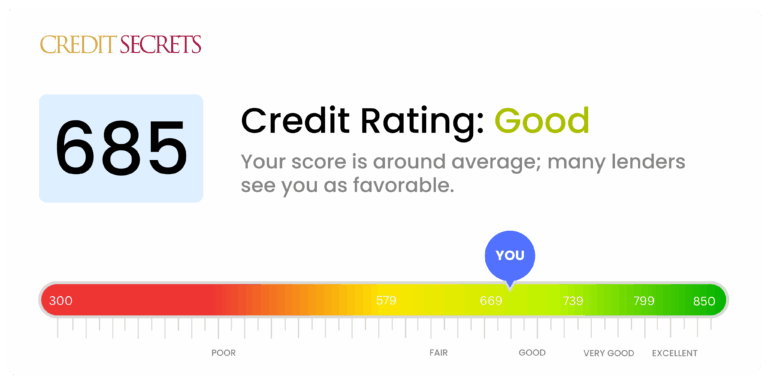
- Credit History: Your credit score and credit report provide a snapshot of your past borrowing and repayment behavior. A good credit history demonstrates reliability, while a poor or thin history indicates higher risk.
- Debt-to-Income (DTI) Ratio: This ratio compares your total monthly debt payments (including the proposed car loan) to your gross monthly income. Lenders prefer a lower DTI, as it suggests you have enough disposable income to manage new debt.
- Down Payment: A significant down payment reduces the loan amount, lowers your monthly payments, and signals to lenders that you have some financial stability and are invested in the purchase.
Challenges for Food Stamp Recipients
Individuals receiving food stamps often face hurdles when seeking a car loan due to the very nature of their financial situation:
- Low or Fixed Income: As food stamps are supplementary and not counted as income by lenders, applicants must demonstrate sufficient other income to cover the loan payments, insurance, and maintenance. This can be challenging for those with very low or fixed incomes.
- Limited Credit History: Many low-income individuals may have a limited credit history or a lower credit score, making them appear riskier to conventional lenders.
- High Debt-to-Income Ratio: Even if other income sources are present, adding a car loan payment to an already tight budget can push the DTI ratio into undesirable territory for lenders.
Pro tips from us: Lenders want to see stability and a clear path to repayment. While food stamps aren’t income, showing a consistent budget that accounts for all expenses, including potential car payments, can indirectly help your case by demonstrating financial planning.
Strategies for Securing a Car Loan on a Limited Budget
Despite the challenges, securing a car loan while receiving food stamps is achievable with careful planning and the right approach. Here are some strategies to consider:
1. Improve Your Credit Score
Your credit score is paramount. Even small improvements can make a difference.
- Pay Bills On Time: This is the most crucial factor. Pay all your bills—rent, utilities, medical bills—on or before their due dates.
- Check Your Credit Report: Obtain free copies of your credit report from AnnualCreditReport.com and dispute any errors.
- Become an Authorized User: If a trusted family member has good credit, ask to be added as an authorized user on one of their credit cards. This can help build your credit history, but only if they manage their account responsibly.
- Secured Credit Cards: These cards require a deposit, which becomes your credit limit. They are an excellent way to build credit responsibly.
2. Save for a Significant Down Payment
A larger down payment reduces the amount you need to borrow, which in turn lowers your monthly payments and the total interest paid over the life of the loan. It also makes you a more attractive borrower to lenders.
- Financial Discipline: Start setting aside a portion of any extra income you receive.
- Budgeting: Create a strict budget to identify areas where you can cut expenses and allocate those savings towards a down payment.
- Common mistakes to avoid are not having any savings for a down payment. This not only increases your loan amount but also signals to lenders that you might struggle with future financial commitments.
3. Consider Affordable and Reliable Used Vehicles
When your budget is tight, focus on practicality and reliability over luxury.
- Research: Look for used cars known for their longevity and low maintenance costs. Brands like Toyota, Honda, and Subaru often have excellent reputations.
- Private Sellers vs. Dealerships: Sometimes, you can find better deals from private sellers, but dealerships might offer financing options. Be cautious and always get a pre-purchase inspection from an independent mechanic.
- Know Your Budget: Factor in not just the car payment, but also insurance, fuel, and estimated maintenance costs.
4. Explore Special Loan Programs and Lenders
Not all lenders are created equal. Some specialize in helping individuals with challenging financial situations.
- Credit Unions: Often more flexible and community-focused than traditional banks, credit unions may offer better rates and more understanding terms for members.
- Community Development Financial Institutions (CDFIs): These are financial institutions with a mission to serve low-income and underserved communities. They may offer specific programs or resources for car loans.
- Buy Here, Pay Here Dealerships: While these can be an option for those with poor credit, they often come with very high interest rates and unfavorable terms. Exercise extreme caution and understand every detail of the contract.
- "Second-Chance" Auto Loans: Some lenders specialize in these, but again, expect higher interest rates. Use these as a last resort and work diligently to refinance into a better loan later.
5. Find a Co-signer
If you have a trusted friend or family member with good credit, they might be willing to co-sign your loan.
- Benefits: A co-signer’s good credit can significantly improve your chances of approval and help you secure a lower interest rate.
- Risks: The co-signer is equally responsible for the loan. If you miss payments, their credit will be damaged, and they will be legally obligated to pay the debt. This decision should not be taken lightly by either party.
6. Develop a Robust Budget and Financial Plan
Regardless of how you secure a loan, managing it successfully on a limited income requires meticulous budgeting.
- Detailed Expense Tracking: Know exactly where every dollar goes. Account for all car-related expenses: loan payment, insurance, fuel, regular maintenance, and an emergency fund for unexpected repairs.
- Emergency Fund: Based on my experience, unexpected car repairs can quickly derail a tight budget. Aim to save at least a few hundred dollars specifically for car emergencies.
- Prioritize Payments: Make your car payment a top priority to avoid late fees and damage to your credit score.
For more in-depth advice on managing your money effectively, you might find our article on particularly helpful.
The Impact of a Car Loan on Your Budget and Benefits
While getting a car loan can open doors to increased mobility and opportunity, it also introduces significant financial commitments that can impact your overall budget and indirectly affect your food stamp benefits.
Direct Budgetary Strain
A car loan is a substantial financial obligation. Beyond the monthly payment, you must account for:
- Auto Insurance: This is a mandatory and often significant expense, especially for newer drivers or those with less-than-perfect driving records.
- Fuel Costs: Gasoline prices fluctuate, and daily commuting can quickly add up.
- Maintenance and Repairs: Cars require regular oil changes, tire rotations, and can suffer unexpected breakdowns. These costs can be substantial and must be factored into your budget.
- Registration and Licensing Fees: Annual fees are required to keep your vehicle legal.
Failing to budget for these additional costs is a common mistake that can lead to financial distress. Our expertise in financial planning suggests that a car’s true cost extends far beyond just the loan payment.
Indirect Impact on Food Stamp Benefits
As previously discussed, the car loan itself does not count as income, and the car’s value is often excluded from asset calculations for SNAP. Therefore, getting a car loan generally has no direct impact on your food stamp eligibility or the amount of benefits you receive.
However, there can be an indirect impact on your financial well-being:
- Reduced Disposable Income: The monthly car payment and associated costs reduce your disposable income. This means less money available for other necessities beyond food (which SNAP covers), such as housing, utilities, clothing, or other personal needs.
- Increased Financial Stress: Managing a car loan on a limited budget can lead to increased financial stress, especially if unexpected expenses arise. This stress, while not directly tied to SNAP rules, can affect your ability to manage your overall finances effectively.
From my perspective as someone who has navigated these financial waters, the biggest risk isn’t losing benefits, but rather overextending yourself financially, which can lead to missed payments, repossessions, and deeper financial trouble.
Alternative Transportation Solutions (If a Car Loan Isn’t Feasible)
Sometimes, despite best efforts, a car loan simply isn’t a feasible or responsible option. It’s crucial to acknowledge this and explore alternative transportation solutions.
- Public Transportation: Many cities and towns offer bus, subway, or light rail services. Investigate routes, schedules, and discounted fare programs for low-income individuals.
- Ride-Sharing Services: While potentially more expensive than public transport for regular use, services like Uber or Lyft can be a good option for occasional needs or emergencies.
- Carpooling: If you have friends, family, or co-workers who travel in the same direction, carpooling can save on fuel and reduce wear and tear on vehicles.
- Bicycles: For shorter distances and in suitable environments, a bicycle can be an economical and healthy mode of transport. Many communities also have bike-sharing programs.
- Community Assistance Programs: Some local non-profits or government agencies offer transportation assistance, such as vouchers for public transit, discounted ride services, or even programs that help with car repairs or acquiring a donated vehicle.
Exploring these options can provide crucial mobility without the financial burden of a car loan.
Key Takeaways & Actionable Advice
Navigating the intersection of food stamps and car loans requires diligence and careful planning. Here are the essential takeaways:
- SNAP and Car Ownership: Owning a car generally does not disqualify you from food stamp benefits, especially if it’s your primary vehicle. Check your state’s specific vehicle asset exclusion rules for precise details.
- Lenders Don’t Count SNAP as Income: Car loan lenders look for stable, verifiable cash income (like wages or other benefits) to determine your repayment ability. Food stamp benefits are not considered income for this purpose.
- Improve Your Financial Profile: Focus on building a good credit history, saving for a down payment, and demonstrating a stable income to increase your chances of loan approval. You can learn more about building credit in our article .
- Budget Beyond the Payment: Always factor in the total cost of car ownership – insurance, fuel, maintenance, and potential repairs – when calculating affordability.
- Explore All Options: Don’t limit yourself to traditional lenders. Credit unions and CDFIs might offer more flexible terms. If a loan isn’t feasible, explore alternative transportation solutions.
- Seek Guidance: Don’t hesitate to consult with your local SNAP office for clarification on asset rules or a trusted financial advisor for personalized budgeting and loan advice.
Conclusion
The journey to securing reliable transportation while managing a limited budget and receiving food stamp benefits can seem daunting, but it is far from impossible. By understanding the specific rules governing SNAP eligibility, recognizing the criteria lenders use, and employing smart financial strategies, you can significantly improve your chances of achieving your goal.
Remember, the aim is not just to get a car, but to secure sustainable mobility that enhances your quality of life without jeopardizing your financial stability. With careful planning, persistent effort, and a realistic assessment of your situation, you can navigate the complexities of food stamps and car loans and pave the way for a more independent and mobile future.