High Interest Car Loan Bad Credit: Your Comprehensive Guide to Navigating the Road Ahead
High Interest Car Loan Bad Credit: Your Comprehensive Guide to Navigating the Road Ahead Carloan.Guidemechanic.com
Securing a car loan when you have bad credit can feel like navigating a dense fog. The path often leads to what many dread: a high interest car loan. While it might not be the ideal scenario, it’s far from impossible, and understanding the landscape is your first step towards getting the vehicle you need and improving your financial standing. This comprehensive guide will illuminate the complexities of high interest car loans for individuals with bad credit, offering actionable strategies and expert insights to help you make informed decisions and drive towards a better financial future.
Based on my experience working within the auto finance industry, I’ve seen countless individuals overcome the challenge of bad credit to secure a vehicle. It’s a journey that requires patience, preparation, and a clear understanding of your options. Our ultimate goal here is to equip you with the knowledge to not just get approved, but to do so on the best possible terms available to you.
High Interest Car Loan Bad Credit: Your Comprehensive Guide to Navigating the Road Ahead
Understanding High Interest Car Loans with Bad Credit: The "Why" Behind the Rates
When you have bad credit, securing any type of loan, especially a significant one like a car loan, presents a unique set of challenges. Lenders view borrowers with lower credit scores as higher risk. This perception of risk is the fundamental reason behind the higher interest rates you encounter.
What Constitutes ‘Bad Credit’ for Auto Lenders?
Generally, a credit score below 600-620 is often considered "subprime" in the auto lending world. However, this isn’t a hard and fast rule, as different lenders have varying thresholds. Factors like missed payments, collections, bankruptcies, or a short credit history all contribute to a lower score, signaling potential repayment difficulties to lenders.
Lenders use your credit report and score to assess the likelihood of you repaying the loan as agreed. A history of financial instability or a lack of credit history makes them hesitant to offer prime rates, if they offer a loan at all. They need to mitigate their risk, and higher interest rates are their primary tool for doing so.
Why Lenders Charge High Interest Rates: The Risk Premium
Imagine a lender as someone betting on your ability to pay back money. If you have a strong track record, they’re confident and offer you good odds (low interest). If your track record is shaky, their confidence drops, and they demand higher odds (high interest) to compensate for the increased chance of losing their money. This compensation is known as a "risk premium."
This premium covers potential losses if a borrower defaults, as well as the administrative costs associated with managing higher-risk loans. It’s a purely business decision, not a personal judgment, and understanding this helps demystify the process.
The Psychology of Subprime Lending: A Necessary Service
While high interest rates can feel punitive, subprime lending serves a vital function in the economy. It provides access to credit for individuals who would otherwise be shut out of the market. Without these options, many people wouldn’t be able to purchase a necessary vehicle for work, family, or daily life.
These lenders specialize in evaluating different types of risk and structuring loans that, while more expensive, are designed to be approved for borrowers with less-than-perfect credit. It’s about finding a solution, even if it comes with a higher price tag.
The Realities of a High-Interest Car Loan: What to Expect
Once you understand why high interest rates are a factor, it’s crucial to grasp their practical implications. A high interest car loan isn’t just a number; it significantly impacts your budget and overall financial health. Being prepared for these realities will help you navigate the terms more effectively.
Higher Monthly Payments
The most immediate and obvious impact of a high interest rate is on your monthly payment. A higher interest rate means more of your payment goes towards interest, rather than reducing the principal balance. This can make even a modest car seem financially out of reach if you’re not careful with your budgeting.
It’s essential to calculate the exact monthly payment with the given interest rate and loan term to ensure it comfortably fits within your budget. Don’t just rely on the dealer’s quoted payment; verify the math yourself.
Increased Total Cost of the Vehicle
Beyond the monthly payments, a high interest rate dramatically increases the total amount you will pay for the car over the life of the loan. Even a small difference in the Annual Percentage Rate (APR) can add hundreds, or even thousands, of dollars to the total cost. This is the silent killer in many bad credit car loan scenarios.
For example, a $20,000 loan at 5% over five years costs significantly less than the same loan at 15%. Understanding this total cost difference is crucial for making an informed decision and avoiding buyer’s remorse later on.
Potential for Negative Equity
Negative equity, often called being "upside down" on your loan, occurs when you owe more on your car than it’s worth. High interest rates, coupled with rapid depreciation of new vehicles, make this a common problem for bad credit borrowers. A large portion of early payments goes to interest, meaning the principal balance decreases slowly.
If you need to sell or trade in your car while in negative equity, you’ll either have to pay the difference out of pocket or roll it into a new loan, further compounding your debt. This can create a challenging cycle to break.
Impact on Future Credit
While a high interest loan can be tough, it also presents an opportunity. Making consistent, on-time payments on a high interest car loan can be a powerful tool for rebuilding your credit. Lenders report your payment history to credit bureaus, and positive reporting will gradually improve your score.
Conversely, missing payments will further damage your credit, making it even harder to secure future loans at favorable rates. This loan is a chance to prove your creditworthiness, even if it comes at a higher initial cost.
Based on my experience, many individuals use their first high interest car loan as a stepping stone. They focus on making every payment on time, diligently track their credit score improvements, and then explore refinancing options down the line. It’s a strategy that can pay off significantly.
Strategies for Securing a Car Loan with Bad Credit: Practical Steps to Success
Navigating the bad credit car loan market doesn’t have to be a shot in the dark. With the right preparation and strategy, you can significantly improve your chances of approval and potentially secure better terms than you initially thought possible. This section will walk you through the practical steps.
Preparation is Key: Your Foundation for Success
Before you even step foot in a dealership or apply online, proactive preparation is paramount. This foundational work will empower you and give you an edge.
- Check Your Credit Report Thoroughly: This is non-negotiable. Obtain your credit reports from all three major bureaus (Experian, Equifax, TransUnion) at annualcreditreport.com. Review them for accuracy and dispute any errors immediately. This can sometimes boost your score.
- Knowing what’s on your report allows you to understand how lenders see you. It also helps you address any issues proactively.
- This step empowers you with knowledge, which is your best defense against unfavorable terms.
- Know Your Budget – Inside and Out: Beyond just the car payment, consider insurance, maintenance, fuel, and potential repair costs. A car is an ongoing expense. Create a realistic budget that accounts for all these factors.
- Overextending yourself on a car payment, even if approved, can lead to missed payments and further credit damage. Be honest with yourself about what you can truly afford.
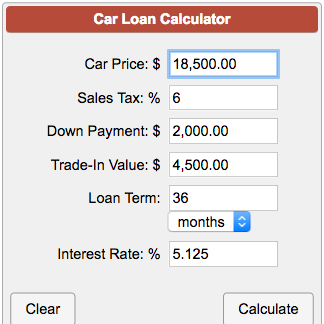
- Pro tip from us: Use an online car loan calculator to play with different interest rates and loan terms to see what fits your monthly budget.
- Save for a Down Payment: A substantial down payment is one of the most effective ways to improve your loan terms with bad credit. It reduces the amount you need to borrow, lowering the lender’s risk. Lenders see it as a sign of your commitment.
- Even 10-20% of the car’s value can make a significant difference. It also helps mitigate the risk of negative equity early on.
- A down payment demonstrates financial responsibility, which is a powerful signal to lenders.
Finding the Right Lender: Where to Look for Approval
Not all lenders are created equal, especially when it comes to bad credit car loans. Knowing where to focus your search can save you time and multiple credit inquiries.
- Specialized Bad Credit Lenders: Many financial institutions specialize in subprime auto loans. These lenders have different underwriting criteria and are more accustomed to working with borrowers who have lower credit scores. They often advertise specifically to this demographic.
- Be aware that these lenders often charge higher interest rates, but they offer a viable path to approval. Research their reputation and reviews carefully.
- Credit Unions: Don’t overlook credit unions. They are member-focused and often more flexible with their lending criteria compared to traditional banks. If you’re a member, or eligible to become one, it’s worth checking their rates.
- Credit unions often offer more personalized service and may be willing to look beyond just your credit score, considering your overall financial picture.
- Dealership Financing (with caution): Many dealerships offer in-house financing or work with a network of lenders, including subprime ones. This can be convenient, allowing you to secure financing and a vehicle in one place.
- Common mistakes to avoid are accepting the first offer without question. Dealerships often add markups to the interest rate they get from their lenders. Always compare their offer to pre-approvals you might have.
- Online Marketplaces and Loan Aggregators: Websites exist that connect bad credit borrowers with multiple lenders. You fill out one application, and they present you with offers from various financial institutions. This can be an efficient way to compare options without multiple hard inquiries on your credit.
- This approach allows you to shop around from the comfort of your home, receiving pre-qualified offers before committing.
Strengthening Your Application: Making Yourself More Appealing
Beyond your credit score, there are ways to present yourself as a more attractive borrower, even with bad credit. These tactics can sway a lender’s decision.
- Consider a Co-signer: If you have a trusted friend or family member with good credit who is willing to co-sign your loan, it can significantly improve your chances of approval and secure a lower interest rate. A co-signer essentially guarantees the loan if you default.
- Be mindful that this is a huge responsibility for the co-signer, as their credit will also be impacted if you miss payments. Ensure you both understand the implications.
- Proof of Income and Stability: Lenders want to see that you have a stable income source and the ability to repay the loan. Provide documentation like pay stubs, bank statements, and employment verification. The longer your employment history, the better.
- Demonstrating consistent income and residency helps offset the risk associated with your credit score. Lenders are looking for reliability.
- Utilize Trade-in Value: If you have an existing vehicle with equity, trading it in can act like a down payment, reducing the amount you need to finance. This also reduces the risk for the lender.
- Ensure you know your trade-in’s true value before heading to the dealership. Use resources like Kelley Blue Book or Edmunds.
Navigating the High-Interest Landscape: Making the Best of It
Once you’ve secured an offer, the work isn’t over. It’s crucial to understand the terms and negotiate effectively to ensure you’re getting the best possible deal. Remember, a high interest loan isn’t just about the monthly payment.
Negotiating the Loan Terms: Focus Beyond the Monthly Payment
Many dealerships will try to negotiate based solely on the monthly payment. While important, this can obscure the true cost of the loan. Always focus on the Annual Percentage Rate (APR) and the total cost of the vehicle.
- A longer loan term might result in a lower monthly payment, but it will significantly increase the total interest paid over the life of the loan. Aim for the shortest term you can comfortably afford.
- Ask about all fees upfront. Some lenders or dealerships might add origination fees, document fees, or other charges that inflate the cost.
Understanding the Fine Print: No Surprises
Before signing anything, read the loan agreement meticulously. Don’t be afraid to ask questions until you understand every clause.
- Pre-payment Penalties: Check if there are any penalties for paying off your loan early. Many high interest subprime loans include these, which can hinder your ability to refinance or pay down debt quickly.
- Hidden Fees: Ensure there are no unexpected fees or charges buried in the contract. These can quickly add to the overall cost of your loan.
- Insurance Requirements: Some lenders may require specific types of insurance or charge additional fees for credit life insurance. Understand what you are obligated to purchase.
Avoiding Common Scams and Pitfalls: Be a Savvy Buyer
Common mistakes to avoid are rushing into a decision or feeling pressured by a salesperson. High-pressure sales tactics are common, especially in the bad credit auto loan market. Take your time, walk away if you feel uncomfortable, and never sign anything you don’t fully understand.
- "Buy Here, Pay Here" Dealers: While these dealerships can be an option for those with very poor credit, they often come with extremely high interest rates and unfavorable terms. They usually report to credit bureaus, but the rates can be predatory.
- Packing the Loan: Be wary of dealers trying to add unnecessary extras (extended warranties, rustproofing, paint protection) into your loan. While some might be useful, they significantly increase your loan amount and, consequently, your interest burden.
- "Spot Delivery" or "Yo-Yo" Scams: This is when a dealer lets you drive off with a car before the financing is fully approved. They then call you back days later, claiming the financing fell through and demanding a higher interest rate or more money down. Always ensure your financing is 100% approved before leaving the lot.
Beyond the Purchase: Improving Your Situation and Financial Health
Getting a high interest car loan with bad credit is often a necessary step, but it shouldn’t be your final destination. This loan can be a powerful tool for improving your financial health, paving the way for better rates in the future.
Making Timely Payments: The Ultimate Credit Builder
This cannot be stressed enough: make every single payment on time, every month. This is the most effective way to rebuild your credit score and demonstrate financial responsibility. Payment history is the largest factor in your FICO score.
- Set up automatic payments if possible, or mark your calendar to ensure you never miss a due date. Even a single late payment can set back your credit repair efforts significantly.
- Consistency is key. Over time, a history of on-time payments will gradually improve your credit score, opening doors to better financial opportunities.
Refinancing Options: When and How to Lower Your Rates
After 6-12 months of consistent, on-time payments, your credit score should start to improve. This is the perfect time to explore refinancing your high interest car loan.
- What is Refinancing? It involves taking out a new loan, typically with a lower interest rate, to pay off your existing loan. This can significantly reduce your monthly payment and the total interest you pay.
- When to Refinance: Look to refinance when your credit score has improved, interest rates have dropped, or you find a new lender offering better terms.
- Shop Around: Just like with your initial loan, compare offers from multiple lenders – banks, credit unions, and online refinance companies. Don’t settle for the first offer.
Strategies to Improve Your Credit Score Over Time
Beyond your car loan, actively work on other aspects of your credit profile. This holistic approach will accelerate your journey to better financial health.
- Pay Down Other Debts: Especially high-interest credit card debt. A lower credit utilization ratio (how much credit you’re using versus how much you have available) can significantly boost your score.
- Avoid New Debt: Try not to open new credit accounts or apply for other loans while you’re focused on improving your credit. Too many new accounts can signal risk.
- Maintain Old Accounts: Keep old, positive credit accounts open, even if you don’t use them frequently. A longer credit history is beneficial.
- Diversify Credit (Cautiously): Once your score improves, a mix of credit types (e.g., a small personal loan, a credit card) can be beneficial. However, only take on what you can responsibly manage.
- For more in-depth advice on this, you can refer to our detailed guide: .
Paying Off the Loan Early (If Possible)
If your budget allows and there are no pre-payment penalties, paying extra towards your principal each month can save you a substantial amount in interest. Even a small extra payment can make a difference over time.
- Confirm with your lender that extra payments will be applied directly to the principal balance, not just future interest.
- This strategy not only saves you money but also frees you from debt faster, improving your overall financial flexibility.
Alternatives to a Traditional Car Loan: When to Consider Other Paths
Sometimes, despite your best efforts, a traditional car loan, especially a high-interest one, might not be the best or most feasible option. Exploring alternatives can provide solutions without trapping you in a cycle of debt.
Saving Up for a Cash Car
This is often the most financially sound option if you can manage it. Buying a car with cash eliminates interest payments entirely and allows you to own the vehicle outright. This can be a huge relief for your budget.
- Start a dedicated savings fund, even if it means driving your current car for a bit longer or relying on other transportation. Even a less expensive, reliable used car can get you by.
- Pro tips from us: Look for cars known for their reliability and low maintenance costs. Sometimes, a slightly older, well-maintained model is a much smarter financial move than a new car with a high interest loan.
Public Transportation or Ride-Sharing
In some urban areas, relying on public transportation, ride-sharing services, or even cycling can be a viable and cost-effective alternative to car ownership. Evaluate if this is a practical solution for your daily needs.
- Calculate the total cost of car ownership versus your transportation alternatives. You might be surprised by the savings.
- This approach also gives you more time to save for a cash car or significantly improve your credit score for a better loan in the future.
Leasing (with caveats for bad credit)
While often associated with new cars, leasing might seem like an option. However, securing a lease with bad credit is often difficult and comes with its own set of challenges.
- Lease approvals often require good credit, and if approved with bad credit, you’ll likely face higher security deposits, higher monthly payments, and stricter terms.
- Leasing also means you don’t own the vehicle at the end of the term, so you won’t have an asset to trade in or sell. It’s generally not recommended for those trying to rebuild credit.
Conclusion: Your Road to Financial Freedom Starts Now
Navigating the world of high interest car loans with bad credit can be daunting, but it is not a dead end. By understanding the reasons behind higher rates, preparing diligently, strategically seeking out lenders, and actively working to improve your credit, you can secure the transportation you need and set yourself on a path to financial recovery. Remember, this journey is about making informed decisions, being proactive, and using this loan as a stepping stone rather than a stumbling block.
Your financial future is in your hands. Take control, leverage the strategies outlined here, and turn a high interest car loan into an opportunity for growth. With perseverance and smart choices, you can achieve not just a car, but also a significantly improved credit profile, opening doors to better financial prospects down the road.
What are your experiences with high interest car loans for bad credit? Share your tips or questions in the comments below!