How Do You Get A Car Loan From A Bank: Your Ultimate Guide to Approval and Best Rates
How Do You Get A Car Loan From A Bank: Your Ultimate Guide to Approval and Best Rates Carloan.Guidemechanic.com
Navigating the world of car financing can often feel like a complex maze. For many, securing a car loan is a crucial step toward purchasing their dream vehicle or simply getting reliable transportation. While various lending options exist, banks remain a cornerstone for auto financing, offering stability, competitive rates, and a trusted process.
This comprehensive guide will demystify the entire process, breaking down exactly how do you get a car loan from a bank. We’ll cover everything from preparing your finances to understanding the fine print, ensuring you’re well-equipped to secure the best possible terms and drive away with confidence. Our goal is to provide you with a pillar of knowledge that empowers you to approach your bank loan application strategically and successfully.
How Do You Get A Car Loan From A Bank: Your Ultimate Guide to Approval and Best Rates
Why Choose a Bank for Your Car Loan?
When considering where to secure financing for your next vehicle, banks often emerge as a preferred choice for many borrowers. Their long-standing presence and structured operations provide a sense of security that can be highly appealing. It’s not just about the convenience; there are tangible benefits that make banks a strong contender.
Based on my experience in the financial landscape, banks typically offer highly competitive interest rates compared to other lenders like dealerships or some online financiers. This is often due to their larger asset bases and lower overheads per transaction, allowing them to pass on savings to qualified borrowers. Even a small difference in the interest rate can translate into significant savings over the life of your car loan.
Beyond rates, banks provide a level of trust and stability that can be invaluable. You’re dealing with an established institution, often one you might already have a relationship with. This existing connection can sometimes streamline the application process and even open doors to better loan terms based on your banking history. They also offer a diverse range of loan products, catering to various financial situations and vehicle types.
Understanding the Essentials Before You Apply
Before you even think about stepping into a bank or filling out an application, there are several fundamental financial concepts you need to grasp. These elements form the backbone of your loan eligibility and will heavily influence the terms you’re offered. Being prepared here is not just an advantage; it’s a necessity for a smooth process.
Taking the time to understand these key areas will not only improve your chances of approval but also ensure you secure a car loan that genuinely fits your financial capacity. It’s about being proactive rather than reactive, putting you in the driver’s seat of your own financing journey.
Your Credit Score: The Ultimate Game Changer
Your credit score is arguably the most critical factor a bank will consider when evaluating your car loan application. It’s a three-digit number that essentially tells lenders how reliable you are at managing debt. A higher score signals less risk, often leading to lower interest rates and more favorable loan terms.
Typically, a credit score of 660 or higher is considered good for an auto loan, with scores above 720 often unlocking the best rates. If your score is lower, don’t despair; it just means you might need to take some steps to improve it or prepare for potentially higher interest rates. Understanding where you stand is the first step toward strategic planning.
Pro tip from us: Always check your credit report from all three major bureaus (Experian, Equifax, TransUnion) before applying for a loan. You can do this for free once a year through AnnualCreditReport.com. Scrutinize it for any errors or inaccuracies, as these can negatively impact your score. Disputing and correcting mistakes can quickly boost your score, potentially saving you thousands on your car loan.
Debt-to-Income (DTI) Ratio
Another crucial metric banks scrutinize is your Debt-to-Income (DTI) ratio. This percentage compares your total monthly debt payments to your gross monthly income. It’s a key indicator of your ability to manage additional debt, such as a new car loan.
To calculate your DTI, simply add up all your monthly debt payments (rent/mortgage, credit card minimums, student loan payments, etc.) and divide that sum by your gross monthly income (before taxes). For example, if your debts total $1,500 and your gross income is $4,500, your DTI is 33%. Banks generally prefer a DTI ratio of 36% or lower, though some might go up to 43% for qualified borrowers.
A high DTI ratio can signal to lenders that you might be overextended, making you a higher risk for defaulting on a new loan. If your DTI is on the higher side, consider paying down some existing debts before applying for a car loan. Reducing your DTI improves your financial profile and increases your chances of approval for favorable terms.
Down Payment: Your Financial Commitment
Making a down payment on your car loan is not just about reducing the amount you need to borrow; it’s a powerful signal to the bank of your financial commitment. A substantial down payment reduces the bank’s risk because you immediately have equity in the vehicle. This can translate directly into lower interest rates and more manageable monthly payments.
While there’s no universal magic number, a down payment of at least 10-20% of the car’s purchase price is often recommended, especially for new vehicles. For used cars, a 10% down payment is a good starting point. The larger your down payment, the less you’ll need to finance, which means less interest paid over the life of the loan.
Common mistakes to avoid are thinking you absolutely need a huge down payment or, conversely, thinking no down payment is ideal. While zero-down options exist, they often come with higher interest rates and mean you’ll owe more than the car is worth for a longer period. Always aim to put down as much as you comfortably can without depleting your emergency savings.
Budgeting for Your New Ride
It’s easy to get fixated on the monthly car payment, but a truly responsible approach to car ownership extends far beyond that single number. When budgeting for your new ride, you must consider all the associated costs that come with owning a vehicle. Failing to do so can quickly lead to financial strain down the road.
Beyond the monthly loan payment, factor in costs like auto insurance premiums, which can vary significantly based on the car’s value, your driving history, and even your location. Don’t forget maintenance and repairs, which are inevitable for any vehicle, new or used. Fuel costs, registration fees, and potential parking expenses also add up.
Pro tips from us: Create a comprehensive monthly budget that includes all these variables. Use online car loan calculators to estimate payments based on different interest rates and loan terms, but then layer in your other estimated ownership costs. This holistic view will help you determine what you can truly afford, preventing you from being "car-rich and cash-poor."
The Step-by-Step Guide: How to Get a Car Loan from a Bank
Once you’ve done your homework and understand the financial landscape, you’re ready to dive into the practical steps of securing a car loan from a bank. This process, when approached systematically, can be straightforward and lead to a successful outcome. Each step builds on the last, guiding you toward approval with confidence.
Following these steps meticulously will not only increase your approval odds but also ensure you’re getting the best possible deal. It’s about being informed and prepared, turning a potentially daunting task into an empowering journey.
Step 1: Get Pre-Approved (A Must-Do!)
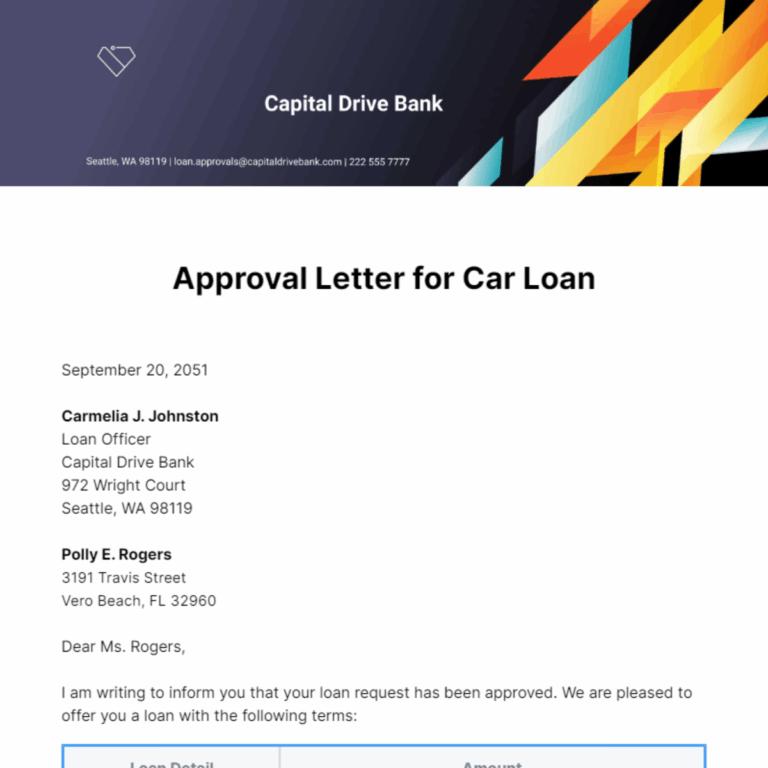
Getting pre-approved for a car loan is perhaps the most powerful tool you have as a car buyer. It means a bank has already reviewed your financial information and tentatively agreed to lend you a certain amount at a specific interest rate, before you even pick out a car. This transforms you from a casual browser into a serious buyer.
The benefits of pre-approval are immense. First, it gives you a realistic budget, so you know exactly how much car you can afford without overextending yourself. Second, and crucially, it gives you immense negotiating power at the dealership. When you walk in with a pre-approval letter, you’re essentially telling the dealer you already have financing, which allows you to focus solely on the car’s price, not the financing terms.
To get pre-approved, you’ll typically fill out an application with your chosen bank, providing details about your income, employment, and credit history. The bank will then perform a "soft inquiry" on your credit, which doesn’t affect your score. Once approved, you’ll receive a pre-approval letter outlining the loan amount, interest rate, and terms. Remember, pre-approval is not a final commitment; it’s an offer that typically lasts for a specific period, usually 30-60 days.
Step 2: Gather Your Documents
Preparation is key, and having all your necessary documents ready before you apply can significantly speed up the approval process. Banks require specific paperwork to verify your identity, income, and residence, ensuring you meet their eligibility criteria. An incomplete application is a common reason for delays or even rejection.
You’ll generally need a valid government-issued ID (driver’s license or passport), proof of income (recent pay stubs, W-2s, or tax returns if self-employed), and proof of residence (utility bill, lease agreement, or mortgage statement). Banks will also need your Social Security number to pull your credit report. If you’ve already chosen a vehicle, having its VIN (Vehicle Identification Number) and details like make, model, and year will also be helpful.
Common mistakes to avoid are presenting outdated documents or incomplete financial records. Ensure all your pay stubs are current and reflect your consistent income. If you’ve recently moved, make sure your address is updated on your ID and utility bills. Being thorough at this stage saves both you and the bank valuable time.
Step 3: Research and Compare Banks
While your primary bank might seem like the most convenient option, it’s a common mistake to assume they offer the best rates or terms. The financial market is competitive, and different banks have different lending criteria and special offers. Researching and comparing multiple lenders is a critical step in securing the most favorable car loan.
Look beyond just the interest rate. Consider the loan terms (e.g., 36, 48, 60, or 72 months), any origination fees, prepayment penalties, and the bank’s customer service reputation. Use online comparison tools or visit the websites of several major banks and credit unions. Credit unions, in particular, often offer very competitive rates to their members.
Based on my experience, applying to 3-4 different banks within a short window (usually 14-45 days, depending on the credit scoring model) will be treated as a single credit inquiry for rate shopping purposes. This allows you to compare offers without negatively impacting your credit score multiple times. It’s a strategic move to find the absolute best deal available to you.
Step 4: Complete the Loan Application
With your documents in hand and your research done, it’s time to complete the actual loan application. Whether you’re doing this online, over the phone, or in person, accuracy and honesty are paramount. Provide all requested information clearly and completely.
The application will ask for personal details, employment history, income information, and details about the vehicle you intend to purchase (if known). Be truthful in your responses; banks will verify the information you provide. Any discrepancies can lead to delays or even outright rejection.
Don’t hesitate to ask questions if something on the application is unclear. A loan officer is there to assist you. Understanding every field you’re filling out ensures that your application accurately reflects your financial situation and strengthens your case for approval.
Step 5: Review the Loan Offer
Once your application is processed, the bank will present you with a loan offer if approved. This is a critical moment where careful review is essential. Do not rush this step; understand every detail before committing.
Focus on the Annual Percentage Rate (APR), which is the true cost of borrowing, including interest and any fees. Compare this APR to offers from other banks you researched. Also, examine the loan term (number of months), the total amount financed, and the exact monthly payment. Look for any hidden fees, such as origination fees or prepayment penalties, which could cost you extra money.
Pro tips from us: If you have multiple offers, leverage them. You can sometimes use a better offer from one bank to negotiate slightly better terms with your preferred bank. Ensure the terms align with your budget and long-term financial goals. If anything seems confusing, ask for clarification until you fully understand what you’re signing up for.
Step 6: Finalize Your Purchase
After you’ve reviewed and accepted a loan offer, the final steps involve formalizing the agreement and completing your vehicle purchase. This is where the bank transfers the funds, either directly to you or, more commonly, to the dealership.
You’ll sign the final loan documents, which will detail the repayment schedule, interest rate, and all other terms and conditions. Make sure you receive a copy of all signed paperwork for your records. At this point, the bank will place a lien on the vehicle title until the loan is fully repaid.
Once the financing is secured, you can complete the purchase of your car. Ensure you understand when your first payment is due and how to make payments. Setting up automatic payments is often a convenient way to avoid missing due dates and can sometimes even lead to a slight interest rate discount.
Boosting Your Chances of Car Loan Approval
Even if your financial profile isn’t perfect, there are proactive steps you can take to significantly improve your odds of getting a car loan from a bank with favorable terms. These strategies demonstrate financial responsibility and reduce the perceived risk for lenders.
Pro tips from us: Implementing these suggestions before you apply can make a substantial difference in the bank’s decision and the interest rate you ultimately receive. It’s about building a stronger case for yourself as a borrower.
- Improve Your Credit Score: This is paramount. Pay all your bills on time, reduce credit card balances, and avoid opening new credit accounts right before applying for a car loan. These actions show responsible credit management.
- Reduce Existing Debt: A lower Debt-to-Income (DTI) ratio is highly attractive to lenders. Pay down credit card debt or small personal loans to free up more of your income for a new car payment.
- Increase Your Down Payment: As discussed, a larger down payment reduces the amount you need to borrow and signals commitment. Saving up an extra few hundred or thousand dollars can significantly improve your loan terms.
- Consider a Co-signer (with caution): If your credit score is low or you have a limited credit history, a co-signer with excellent credit can boost your approval chances. However, remember that a co-signer is equally responsible for the loan, so choose someone you trust implicitly and who understands the commitment.
- Opt for a Less Expensive Car: Banks are more likely to approve loans for vehicles that are within a reasonable price range for your income. Be realistic about what you can afford, and sometimes choosing a slightly less expensive model can make all the difference for approval.
- Have a Stable Job History: Lenders prefer to see consistent employment, ideally for at least one to two years with the same employer. This demonstrates a reliable income stream. If you’ve recently changed jobs, highlight the stability of your career path.
Common Mistakes to Avoid When Applying for a Car Loan
While the process of securing a car loan from a bank can be straightforward, many applicants fall prey to common pitfalls that can jeopardize their approval or lead to less favorable terms. Being aware of these mistakes is just as important as knowing the correct steps.
Avoiding these missteps will save you time, money, and potential frustration. It ensures you maintain control over the process and emerge with a car loan that genuinely serves your best interests.
- Not Getting Pre-Approved: This is a huge mistake. Without pre-approval, you lose negotiating power at the dealership and might end up with higher interest rates than necessary.
- Applying to Too Many Lenders at Once: While comparing offers is good, indiscriminately applying to numerous banks can result in multiple hard inquiries on your credit report, which can slightly lower your score. Stick to 3-4 within a concentrated period.
- Ignoring Your Credit Report: Failing to check your credit report for errors before applying can lead to an unfair denial or higher rates. Always review it thoroughly and dispute any inaccuracies.
- Focusing Only on Monthly Payments: Dealerships often try to "sell the payment." While important, focusing solely on a low monthly payment without considering the total loan amount, interest rate, and loan term can lead to longer loans and significantly more interest paid over time.
- Not Reading the Fine Print: Every loan agreement has terms and conditions. Skipping over these details can lead to unexpected fees, prepayment penalties, or unfavorable clauses. Always read everything carefully.
- Buying More Car Than You Can Afford: It’s tempting to stretch your budget for a fancier car, but this can lead to financial stress down the line. Stick to your budget, considering all ownership costs, not just the monthly payment.
What Happens After Approval?
Congratulations, you’ve been approved for your car loan from the bank and are ready to drive off in your new vehicle! But the journey doesn’t end there. Understanding what happens next and how to manage your loan effectively is crucial for maintaining good financial health and potentially saving money in the long run.
Your first payment due date will be clearly stated in your loan agreement. Make sure you mark it on your calendar and know how to submit your payment. Many banks offer convenient options like online portals, mobile apps, or automatic deductions from your checking account. Setting up auto-pay is often the easiest way to ensure you never miss a payment, which is vital for your credit score.
Throughout the life of your loan, continue to maintain good credit habits. Paying on time, every time, will strengthen your credit profile, which can be beneficial for future financial endeavors. If your financial situation improves, or interest rates drop significantly, you might even consider refinancing your car loan later to secure a lower rate and reduce your total interest paid.
Conclusion
Securing a car loan from a bank doesn’t have to be an intimidating process. By understanding the fundamentals of credit and debt, preparing your finances, and following a clear, step-by-step approach, you can confidently navigate the application process. This ultimate guide has provided you with the knowledge and pro tips needed to not only get approved but to secure the most favorable terms possible.
Remember, preparation is your most powerful tool. From meticulously checking your credit score to gathering all necessary documents and comparing offers from multiple lenders, each step contributes to your success. Avoid common pitfalls, stay within your budget, and always read the fine print. With this comprehensive understanding, you are now well-equipped to get a car loan from a bank that fits your needs and drives you toward your next adventure. Now, go forth and find your perfect ride with financial peace of mind!
For more expert advice on managing your finances and making smart purchasing decisions, explore our other articles like "Essential Tips for Buying Your First Car." You can also visit trusted external resources like the Consumer Financial Protection Bureau (CFPB) for independent advice on auto loans and consumer credit.