How Soon Can You Get A Car Loan After Bankruptcy: Your Comprehensive Guide to Auto Financing After Financial Reset
How Soon Can You Get A Car Loan After Bankruptcy: Your Comprehensive Guide to Auto Financing After Financial Reset Carloan.Guidemechanic.com
Navigating life after bankruptcy can feel like walking through a dense fog. One of the biggest concerns for many individuals is securing essential needs, and a reliable car often tops that list. The question, "How soon can you get a car loan after bankruptcy?" weighs heavily on the minds of those who’ve gone through a financial reset.
The good news? Getting a car loan after bankruptcy is not only possible but often achievable sooner than you might think. While it certainly presents unique challenges, with the right strategy, patience, and a commitment to rebuilding your financial health, you can absolutely drive away in a new vehicle. This comprehensive guide will equip you with the knowledge, strategies, and pro tips you need to navigate the process successfully.
How Soon Can You Get A Car Loan After Bankruptcy: Your Comprehensive Guide to Auto Financing After Financial Reset
Understanding Bankruptcy and Its Impact on Your Credit
Before diving into timelines, it’s crucial to grasp what bankruptcy does to your financial profile. Bankruptcy, whether Chapter 7 or Chapter 13, is a legal process designed to help individuals or businesses eliminate or repay some or all of their debts. While it offers a fresh start, it also leaves a significant mark on your credit report.
Immediately following a bankruptcy filing, your credit score will take a substantial hit, often dropping by hundreds of points. This negative mark remains on your credit report for a significant period – typically 7 to 10 years, depending on the type of bankruptcy. This low credit score signals to lenders that you’ve had past financial difficulties, making them more hesitant to extend new credit.
Chapter 7 vs. Chapter 13 Bankruptcy: A Quick Overview
Understanding the two main types of consumer bankruptcy is essential, as they impact your car loan prospects differently.
Chapter 7 Bankruptcy, often called "liquidation bankruptcy," involves the sale of non-exempt assets to repay creditors. It typically discharges most unsecured debts, like credit card balances and medical bills, within a few months. Once discharged, these debts are legally erased, providing a clean slate.
Chapter 13 Bankruptcy, or "reorganization bankruptcy," allows individuals with a regular income to create a plan to repay all or a portion of their debts over three to five years. During this period, you make regular payments to a court-appointed trustee. Once the repayment plan is successfully completed, any remaining eligible debts are discharged.
The specific type of bankruptcy you filed will influence the waiting period and the approval process for a car loan.
The "Waiting Period" – It’s Not Always What You Think
Many people assume there’s a strict, multi-year waiting period before they can even consider applying for a car loan after bankruptcy. While it’s true that more time post-bankruptcy generally leads to better loan terms, the idea of an insurmountable waiting period is often a misconception.
The real "waiting period" is less about a hard-and-fast rule and more about a lender’s comfort level with your financial recovery. Lenders want to see evidence of stability and responsible financial behavior since your bankruptcy filing. This period of demonstrating reliability can begin almost immediately after your bankruptcy is discharged or even, in some cases, while you’re still in a Chapter 13 plan.
Technical Timelines vs. Lender Willingness
For a Chapter 7 bankruptcy, the discharge typically happens within 4-6 months of filing. After discharge, there’s no legal restriction on when you can apply for new credit, including a car loan. However, lenders will be wary. Based on my experience, most traditional lenders prefer to see at least 12-24 months of responsible financial activity after a Chapter 7 discharge before offering competitive rates.
For a Chapter 13 bankruptcy, you can potentially get a car loan even during your repayment plan. This is a significant distinction. However, it requires court approval and demonstrating a genuine need for the vehicle, along with the ability to afford the new loan payments within your existing budget. This process usually involves working closely with your bankruptcy trustee.
Ultimately, how soon can you get a car loan after bankruptcy largely depends on your proactive steps to rebuild credit and prove your financial stability, rather than simply waiting for the clock to run out.
Chapter 7 Bankruptcy: The Road to Your Next Car Loan
If you’ve filed Chapter 7, you’re looking at a path to auto financing that emphasizes demonstrating renewed creditworthiness after your debts have been discharged.
Typical Timelines and Challenges
As mentioned, there’s no legal barrier to applying for a car loan immediately after your Chapter 7 discharge. However, the reality is that lenders will consider you a high-risk borrower.
- Immediate After Discharge (0-6 months): You might find lenders willing to work with you, but prepare for very high interest rates (often in the double digits) and potentially stricter terms, such as a requirement for a larger down payment or a co-signer. Subprime lenders and "buy-here-pay-here" dealerships are often the most accessible options during this very early stage.
- 1-2 Years Post-Discharge: This is generally when you start to see slightly more favorable options. If you’ve been actively rebuilding your credit during this period, you’ll have a stronger case. Lenders will be able to see a track record of on-time payments on any new credit accounts you’ve opened.
- 2+ Years Post-Discharge: The longer you are past your Chapter 7 discharge and the more diligently you’ve worked on credit rebuilding, the better your chances of securing a car loan with more reasonable terms and interest rates.
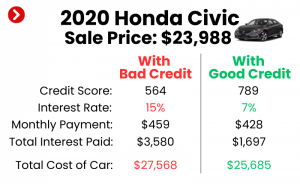
The biggest challenge will be the high interest rates, which directly impact the total cost of your loan. Lenders are taking a higher risk, and they price that risk into the interest rate.
Strategies for Approval After Chapter 7
Don’t just wait for time to pass; actively build your case for approval.
- Start Rebuilding Credit Immediately: This is paramount. Open a secured credit card or a credit builder loan. Make every payment on time, every month. This new, positive payment history is what future lenders will look for.
- Save for a Substantial Down Payment: A larger down payment reduces the amount you need to borrow, which in turn lowers the lender’s risk. It also shows financial responsibility and commitment. Pro tips from us: Aim for at least 10-20% of the car’s value if possible.
- Demonstrate Stable Income: Lenders want to see that you have a steady job and sufficient income to comfortably afford the car payments. Have pay stubs, bank statements, and employment history ready.
- Consider a Co-signer (Use with Caution): If you have a trusted friend or family member with good credit willing to co-sign, it can significantly improve your chances of approval and potentially lower your interest rate. However, remember that they become equally responsible for the loan, and any missed payments will affect their credit as well.
- Look for Bankruptcy-Friendly Lenders: Some lenders specialize in bad credit car loans or have specific programs for individuals post-bankruptcy. These might include credit unions or certain online auto finance companies.
Chapter 13 Bankruptcy: Navigating the Approval Process
Getting a car loan during or after a Chapter 13 bankruptcy involves a slightly different and often more complex process.
Timelines and Specific Requirements
One of the unique aspects of Chapter 13 is the possibility of obtaining a car loan before your bankruptcy is discharged.
- During Your Repayment Plan: You can apply for an auto loan while still making payments under your Chapter 13 plan. However, this is not a straightforward application. You will need court approval through your bankruptcy trustee. The trustee needs to be convinced that the new car loan is a necessity (e.g., your old car broke down, you need reliable transportation for work) and that the new payment fits comfortably within your existing budget without jeopardizing your ability to complete your Chapter 13 plan. This often involves filing a motion with the court.
- After Discharge (3-5 years): Once your Chapter 13 plan is successfully completed and your remaining debts are discharged, you are in a similar position to someone after a Chapter 7 discharge, though often with a longer period of demonstrating responsible payments. You’ll still need to focus on rebuilding your credit and showing financial stability.
The key difference here is the layer of court oversight. Any new significant debt you take on while in Chapter 13 must be approved, as it impacts your ability to adhere to the existing repayment plan.
Strategies for Approval After Chapter 13
Success with a car loan during or after Chapter 13 requires careful planning and communication.
- Consult Your Bankruptcy Trustee: This is your first and most critical step. Discuss your need for a car loan with your trustee. They can advise you on the specific procedures, required documentation, and the likelihood of approval. They are there to help you succeed in your plan.
- Justify the Need: Clearly articulate why you need a new car. Is it for work? Essential transportation for your family? A broken-down old vehicle? This justification is crucial for court approval.
- Research Affordable Options: Your trustee and the court will scrutinize the terms of any potential loan. They want to ensure the car and the loan payments are reasonable and don’t place undue burden on your finances. Look for reliable, modestly priced vehicles.
- Demonstrate Consistent Plan Payments: The strongest evidence of your renewed financial responsibility is your consistent, on-time payments to your Chapter 13 plan. This shows lenders (and your trustee) that you are capable of managing new debt.
- Work with Bankruptcy-Friendly Lenders: Some lenders are more accustomed to the Chapter 13 process and have specific departments or procedures for handling these types of applications. Your trustee might even have recommendations.
Key Factors Lenders Consider After Bankruptcy
When you apply for a car loan after bankruptcy, lenders will meticulously review several aspects of your financial profile. Understanding these factors will help you prepare and present the strongest application possible.
Your Credit Report Post-Bankruptcy
While the bankruptcy itself is a major negative mark, lenders will be looking at what has happened since the filing.
- New Credit Accounts: Have you opened any new credit accounts (e.g., secured credit cards) and managed them responsibly?
- Payment History: Every payment made on time since bankruptcy is gold. Missed payments, even small ones, will raise red flags.
- Credit Report Accuracy: Pro tips from us: It’s vital to pull your credit reports from all three bureaus (Experian, Equifax, TransUnion) and dispute any errors. An error could be holding your score down unnecessarily. You can get free copies annually from AnnualCreditReport.com.
Income Stability
Lenders want assurance that you can afford the monthly payments.
- Steady Employment: A long and stable employment history in the same job or industry is a huge plus.
- Debt-to-Income (DTI) Ratio: This measures how much of your gross monthly income goes towards debt payments. Lenders prefer a lower DTI, typically below 40-45%, indicating you have enough disposable income to handle new debt.
Down Payment
This is perhaps the single most impactful factor you control.
- Reduces Risk: A significant down payment lowers the amount you need to borrow, which directly reduces the lender’s risk.
- Shows Commitment: It demonstrates your ability to save and your commitment to the purchase, making you a more attractive borrower.
- Common mistakes to avoid are: Thinking you can get a good loan with no money down. While possible, it will almost certainly come with a higher interest rate and less favorable terms after bankruptcy.
Vehicle Choice
The type of car you choose also plays a role.
- Affordability: Lenders are more likely to approve a loan for an affordable, practical vehicle rather than a luxury car. The car’s value should align with your income and ability to pay.
- Reliability: A reliable car is less likely to break down, which means you’re less likely to incur unexpected repair costs that could jeopardize your loan payments.
Co-signer
As mentioned earlier, a co-signer can be a powerful asset.
- Creditworthiness: A co-signer with good credit essentially adds their credit profile to yours, mitigating the lender’s risk.
- Shared Responsibility: Be absolutely certain both you and your co-signer understand the full implications of shared debt.
Lender Type
Different types of lenders have varying appetites for risk.
- Traditional Banks/Credit Unions: Often offer the best rates but can be more conservative with post-bankruptcy borrowers. Credit unions, being member-focused, may be slightly more flexible.
- Subprime Lenders: These specialize in lending to individuals with poor credit. They are more likely to approve you but at significantly higher interest rates.
- Buy-Here-Pay-Here Dealerships: These dealerships finance loans in-house. They are often a last resort, as they typically charge the highest interest rates and may offer limited vehicle choices, sometimes with less transparency.
Rebuilding Your Credit: The Cornerstone of Future Auto Loan Success
Regardless of your bankruptcy type or how soon you’re looking for a car loan, actively rebuilding your credit is the most crucial step you can take. It’s not just about getting this car loan; it’s about restoring your financial future.
Why It’s Crucial
Your credit score is a reflection of your financial reliability. After bankruptcy, your score is low, signaling high risk. By rebuilding, you demonstrate to future lenders that you’ve learned from past mistakes and are now a responsible borrower. This will not only help you get approved for a car loan but also for housing, insurance, and other financial products down the line.
Practical Steps to Rebuild Your Credit
- Get a Secured Credit Card: This is often the easiest way to start. You deposit money (e.g., $300), and that becomes your credit limit. Use it for small purchases you can immediately pay off, and always pay your bill on time and in full. This reports positive payment history to credit bureaus.
- Apply for a Credit Builder Loan: Offered by some credit unions and community banks, this loan works in reverse. You make payments into a savings account, and once the loan is paid off, you receive the money. This builds savings and positive payment history simultaneously.
- Pay All Bills On Time: This extends beyond credit accounts. Timely payments on rent, utilities, phone bills, and any other obligations are crucial. While not all report to credit bureaus, a pattern of late payments can still negatively impact your overall financial standing and be seen by lenders.
- Keep Old, Positive Accounts Open: If you had any credit accounts that were not included in your bankruptcy and are in good standing, keep them open. The length of your credit history is a factor in your score.
- Monitor Your Credit Reports Regularly: As mentioned earlier, check your credit reports for errors. Also, track your progress. Seeing your score gradually improve can be highly motivating. For more in-depth advice on this, you might find our article on How to Rebuild Credit After Bankruptcy particularly helpful.
Finding the Right Lender for Your Post-Bankruptcy Car Loan
Not all lenders are created equal, especially when you’re looking for a car loan after bankruptcy. Targeting the right type of lender can significantly improve your chances of approval.
- Online Lenders Specializing in Bad Credit: Many online platforms focus specifically on subprime auto loans. They often have streamlined application processes and may be more willing to work with post-bankruptcy individuals. Examples include Capital One Auto Finance (often has programs for various credit tiers), Carvana, and various smaller, specialized lenders.
- Credit Unions: These member-owned financial institutions are often more flexible and understanding than large banks. They may be more willing to look beyond your credit score and consider your overall financial situation and your relationship with the credit union. If you’re a member, start there.
- Dealership Financing (Subprime Departments): Many larger dealerships have finance departments that work with a network of lenders, including those specializing in bad credit or subprime loans. This can be convenient, as you can often complete the loan and purchase in one place. However, be prepared for potentially higher interest rates and make sure to compare their offer with others.
- Buy-Here-Pay-Here Lots: As a last resort, these dealerships offer in-house financing, meaning the dealer is also the lender. They typically have very high interest rates, less desirable cars, and often less flexible terms. While they are often the easiest to get approved by, they should generally be avoided unless absolutely no other option exists.
When exploring your options, it’s wise to cast a wide net initially, but be mindful of multiple hard inquiries impacting your credit score. Try to limit applications to a concentrated period (e.g., 14-45 days) so they count as a single inquiry for scoring purposes. For more information on finding lenders for bad credit, trusted sources like the Consumer Financial Protection Bureau (CFPB) offer excellent guidance on what to look for and what to avoid. You can find useful tips on their site regarding shopping for an auto loan.
Pro Tips for a Smoother Car Loan Application
Getting a car loan after bankruptcy requires more than just filling out a form. It demands preparation, strategy, and negotiation.
- Get Pre-Approved: Before you even step foot on a dealership lot, try to get pre-approved for a loan. This gives you a clear idea of how much you can borrow, at what interest rate, and empowers you to negotiate the car price as a cash buyer. It separates the financing from the purchase, making both processes cleaner.
- Know Your Budget Inside and Out: Factor in not just the monthly car payment, but also insurance, fuel, maintenance, and registration. Based on my experience, many people overestimate what they can truly afford, leading to financial stress down the line.
- Research Car Values: Use resources like Kelley Blue Book (KBB) or Edmunds to understand the fair market value of the cars you’re considering. This prevents you from overpaying, which is especially important when you’re already dealing with higher interest rates.
- Be Honest About Your Past: Don’t try to hide your bankruptcy. Lenders will find out anyway. Be upfront, explain what happened, and more importantly, articulate the steps you’ve taken to improve your financial situation since then.
- Don’t Settle for the First Offer: Shop around! Get quotes from multiple lenders. Even a slight difference in interest rate can save you hundreds, if not thousands, of dollars over the life of the loan.
- Read the Fine Print: Understand every aspect of the loan agreement, including the interest rate, loan term, total cost, and any fees. If something isn’t clear, ask questions until it is.
Common Mistakes to Avoid
The path to a car loan after bankruptcy is fraught with potential pitfalls. Being aware of these common mistakes can save you time, money, and frustration.
- Applying Everywhere: Each loan application results in a "hard inquiry" on your credit report, which can temporarily lower your score. Applying to too many lenders in a short period signals desperation and can make you look like a higher risk.
- Buying More Car Than You Can Afford: It’s tempting to get a nicer car, but an expensive vehicle with high payments, insurance, and maintenance costs can quickly become a financial burden, potentially leading to another financial crisis. Stick to a budget that you know is sustainable.
- Ignoring Your Credit Report: Not checking for errors or monitoring your score’s progress is a major oversight. Your credit report is your financial resume; make sure it’s accurate and reflects your efforts to rebuild.
- Falling for Predatory Lenders: Be wary of lenders who guarantee approval regardless of your credit, pressure you into quick decisions, or charge exorbitant fees. If an offer seems too good to be true, it probably is.
- Not Making a Down Payment: While zero-down loans exist, they are particularly disadvantageous after bankruptcy. They lead to higher monthly payments, more interest paid over time, and immediately put you in an "upside-down" position (owing more than the car is worth).
- Focusing Only on Monthly Payments: Don’t just look at the monthly payment. A lower monthly payment might mean a longer loan term and significantly more interest paid over the life of the loan. Always consider the total cost of the loan. Our article on Understanding Car Loan Interest Rates can provide more clarity on this.
Conclusion
Getting a car loan after bankruptcy is a journey that requires patience, strategic planning, and a steadfast commitment to rebuilding your financial health. The answer to "How soon can you get a car loan after bankruptcy?" isn’t a fixed number; it’s a dynamic period influenced by your proactive steps and the type of bankruptcy you filed.
Whether you’ve just discharged a Chapter 7 or are navigating a Chapter 13 repayment plan, know that reliable transportation is within reach. By focusing on consistent credit rebuilding, demonstrating income stability, making a solid down payment, and approaching the application process with knowledge and confidence, you can significantly improve your chances of approval.
Remember, bankruptcy is a financial reset, not a permanent roadblock. Use this opportunity to build a stronger financial foundation for your future. Start your journey today – research, save, rebuild, and drive towards your next successful chapter.