How to Get a Loan to Buy a Car From a Private Seller: Your Ultimate Guide to a Smooth Purchase
How to Get a Loan to Buy a Car From a Private Seller: Your Ultimate Guide to a Smooth Purchase Carloan.Guidemechanic.com
Buying a car from a private seller can often unlock incredible value, offering more competitive prices and a wider selection of unique vehicles than traditional dealerships. However, the path to financing these private transactions isn’t always as straightforward. Unlike dealership sales, where financing is often baked into the process, securing a loan for a private party car purchase requires a bit more savvy and preparation.
Are you eyeing that perfect used car advertised by an individual, but wondering how to fund it? You’re in the right place. This comprehensive guide will walk you through every step of how to get a loan to buy a car from a private seller, ensuring you navigate the process with confidence and clarity. We’ll demystify loan types, explain the application process, and share expert tips to help you secure your dream car without a hitch.
How to Get a Loan to Buy a Car From a Private Seller: Your Ultimate Guide to a Smooth Purchase
Why Choose a Private Seller for Your Next Car?
Opting for a private seller over a dealership often comes with several distinct advantages that can significantly benefit your wallet and your car search. Based on my experience in the automotive market, these benefits are compelling reasons why many savvy buyers prefer this route.
Firstly, cost savings are a primary driver. Private sellers typically don’t have the overhead costs of a dealership, such as showrooms, sales staff salaries, and advertising. This means they can often afford to sell their vehicles at a lower price, giving you more bang for your buck. You might find a well-maintained car for hundreds, if not thousands, less than its dealership counterpart.
Secondly, negotiation flexibility is usually greater. While dealerships have set pricing structures and profit margins, a private seller might be more open to negotiation, especially if they are motivated to sell quickly. This direct interaction allows for a more personal negotiation, potentially leading to a better deal tailored to both parties’ needs.
Finally, private sales offer access to a broader and often more unique inventory. Dealerships typically stock popular models and makes. Private sellers, however, might be selling anything from a meticulously cared-for classic to a niche import, giving you a chance to find a vehicle that truly stands out or perfectly fits your specific requirements. This expanded choice can be incredibly appealing for buyers seeking something beyond the mainstream.
The Core Challenge: Financing Private Car Sales
While the benefits of buying from a private seller are clear, the financing aspect presents a unique set of challenges compared to purchasing from a dealership. Understanding these differences is crucial for a smooth transaction.
When you buy from a dealership, they often have established relationships with multiple lenders. This allows them to offer various financing options directly, streamlining the application process and sometimes even securing preferential rates. The dealership handles most of the paperwork, making it a convenient one-stop shop.
However, a private seller isn’t in the business of lending money. They simply want to sell their car and receive payment. This means you, as the buyer, are responsible for securing your own financing independently before approaching the seller with funds in hand. This distinction requires you to proactively research, apply for, and manage your loan process.
Furthermore, lenders view private party sales differently. They often perceive a higher risk associated with private transactions due to the lack of dealer warranties, potential for undisclosed issues, and the complexities of title transfer. This perception can sometimes lead to stricter lending criteria or slightly higher interest rates for private party auto loans. Knowing this upfront helps you prepare and present yourself as a reliable borrower.
Types of Loans Available for Private Car Purchases
Securing a loan to buy a car from a private seller is entirely possible, but it often involves exploring different financing avenues than those typically offered by dealerships. Based on our extensive experience in auto finance, there are a few primary types of loans you should consider.
Each option comes with its own set of advantages and requirements, making it essential to understand which one best fits your financial situation and the car you intend to purchase. Let’s break down the most common loan types available for private car sales.
1. Personal Loans (Unsecured)
An unsecured personal loan is a popular choice for private car purchases because it offers significant flexibility. With this type of loan, you borrow a lump sum of money from a bank, credit union, or online lender, which you then repay in fixed monthly installments over a set period. Crucially, it’s "unsecured," meaning you don’t need to use the car itself, or any other asset, as collateral.
- How it Works: Once approved, the funds are deposited directly into your bank account. You then use this money to pay the private seller in full. This method essentially turns your private car purchase into a cash transaction from the seller’s perspective, simplifying their side of the deal.
- Pros: High flexibility, faster funding (often within days), and the car’s title is immediately transferred to you without a lien from the lender. This gives you full ownership rights from day one.
- Cons: Interest rates can be higher than secured auto loans, especially if you have a less-than-stellar credit score. The loan approval is primarily based on your creditworthiness and income.
2. Private Party Auto Loans (Secured)
Many banks and credit unions specifically offer auto loans designed for private party purchases. These are typically secured loans, meaning the vehicle you are buying serves as collateral for the loan. This reduces the risk for the lender, often resulting in more favorable interest rates compared to unsecured personal loans.
- How it Works: The lender assesses the value of the car you intend to buy, often requiring a vehicle inspection and history report. Once approved, the funds are usually disbursed directly to the seller, or sometimes to you with a check made out to the seller. The lender then places a lien on the car’s title until the loan is fully repaid.
- Pros: Generally lower interest rates and longer repayment terms than personal loans, making monthly payments more affordable. The loan is specifically tailored for car purchases.
- Cons: The approval process can be more involved, requiring documentation about the specific vehicle. The lender will hold the car’s title until the loan is paid off, meaning you won’t have a "clear" title initially. Not all lenders offer these specific private party auto loans, so research is key.
3. Home Equity Loans or Lines of Credit (HELOC)
If you own a home with sufficient equity, a home equity loan or a home equity line of credit (HELOC) can be a viable option. These are secured loans, with your home serving as collateral.
- How it Works: A home equity loan provides a lump sum, similar to a personal loan, but at rates often comparable to mortgages. A HELOC offers a revolving credit line you can draw from as needed.
- Pros: Typically boast the lowest interest rates because they are secured by your home. The interest may also be tax-deductible (consult a tax advisor).
- Cons: Your home is at risk if you default on the loan. The application process can be lengthy, and there are closing costs involved, similar to a mortgage. This option is generally only suitable for significant car purchases where the low interest rate outweighs the complexities and risks.
Pro tips from us: Always compare interest rates, fees, and repayment terms across different loan types and lenders. Don’t just focus on the monthly payment; look at the total cost of the loan over its entire term.
Deep Dive: Personal Loans for Private Car Purchases
When considering how to get a loan to buy a car from a private seller, an unsecured personal loan often emerges as a top contender due to its straightforward nature. Let’s delve deeper into why this option is so appealing and what you need to know.
Based on my experience, personal loans offer the most flexibility for private transactions because they treat you as a general borrower, not specifically tied to the vehicle itself. The funds are typically disbursed directly to you, making the payment to the private seller as simple as writing a check or making a bank transfer. This "cash in hand" approach is highly attractive to sellers, as it simplifies their side of the transaction and removes any concerns about lender paperwork or title transfers.
Lenders offering personal loans primarily evaluate your creditworthiness, income stability, and debt-to-income ratio. They want to ensure you have a proven track record of responsible borrowing and the financial capacity to comfortably repay the loan. Unlike secured auto loans, they won’t typically scrutinize the specific car you’re buying, which can speed up the approval process significantly.
However, this convenience often comes with a trade-off: potentially higher interest rates. Since the loan isn’t secured by collateral, the lender takes on more risk. To mitigate this, they charge a higher rate, especially if your credit score is average or below. For borrowers with excellent credit, personal loan rates can be quite competitive, but it’s crucial to compare them against private party auto loan rates. Common mistakes to avoid are focusing solely on the monthly payment without considering the total interest paid over the loan’s lifetime. Always aim for the shortest repayment term you can comfortably afford to minimize interest charges.
Deep Dive: Private Party Auto Loans
For those specifically seeking a car loan that leverages the vehicle itself, a private party auto loan is a dedicated solution offered by many financial institutions. This option is tailored for buying from individuals and comes with its own unique set of requirements and benefits.
What exactly are private party auto loans? These are secured loans where the car you are purchasing acts as collateral. This means the lender has a legal claim to the vehicle if you fail to make your payments. Because the loan is secured, lenders often offer more attractive interest rates compared to unsecured personal loans, making your overall borrowing cost lower. This is a significant advantage for many buyers looking to minimize expenses.
Where can you find these specialized loans? Your local bank or credit union is an excellent starting point. Many larger national banks also offer them, and increasingly, online lenders are stepping into this space. Credit unions, in particular, are known for their competitive rates and personalized service, often making them a top recommendation for members. Always clarify with the lender that they offer loans specifically for "private party" or "private seller" purchases, as their standard auto loans might only apply to dealership sales.
The requirements for a private party auto loan are more extensive than a personal loan because the lender needs to assess both your creditworthiness and the value and condition of the vehicle. You’ll typically need to provide details about the car, such as its:
- Make, model, and year
- Vehicle Identification Number (VIN)
- Mileage
- Condition (often requiring an appraisal or inspection)
- Vehicle history report (e.g., CarFax, AutoCheck)
Pro tips from us: Always clarify the lender’s title transfer process before you apply. Since the car is collateral, the lender will typically want to be listed as a lienholder on the title. This means the seller will transfer the title to your name, and simultaneously, the lender will record their lien. This process can vary by state and lender, so understanding it upfront prevents delays and confusion during the final transaction. Ensure the seller is comfortable with this process and willing to cooperate with the necessary paperwork.
The Application Process: Your Step-by-Step Guide
Securing a loan to buy a car from a private seller might seem daunting, but breaking it down into manageable steps makes the journey much smoother. Follow this guide to ensure you’re prepared and confident at every turn.
Step 1: Determine Your Budget and Loan Amount
Before you even start looking at cars or loans, establish a realistic budget. This isn’t just about the car’s price; it includes insurance, registration fees, potential maintenance, and, of course, your monthly loan payments. Use online calculators to estimate what loan amount and monthly payment you can comfortably afford without straining your finances. Knowing your maximum budget upfront will help you narrow down your car search and loan options.
Step 2: Research Lenders and Loan Options
Once you have a budget, it’s time to explore your financing choices. Don’t settle for the first offer you see. As discussed, consider different types of loans:
- Banks: Traditional institutions often have competitive rates and established processes.
- Credit Unions: Known for lower rates and better terms, especially for members.
- Online Lenders: Offer convenience and often quick approval processes, sometimes with unique loan products.
Compare interest rates, loan terms, fees (origination fees, prepayment penalties), and customer service reviews. Look for lenders who explicitly offer "private party auto loans" or flexible personal loans.
Step 3: Gather Your Documents
Preparation is key to a swift loan application. Having all your necessary documents ready will prevent delays. Typically, lenders will ask for:
- Proof of Identity: Driver’s license, passport.
- Proof of Income: Pay stubs (recent 2-3 months), W-2s, tax returns (if self-employed), bank statements.
- Proof of Residency: Utility bill, lease agreement.
- Credit History: While they’ll pull your report, knowing your credit score beforehand is helpful.
- Vehicle Information (for private party auto loans): VIN, mileage, make/model/year of the car you plan to buy.
Step 4: Get Pre-Approved (Crucial!)
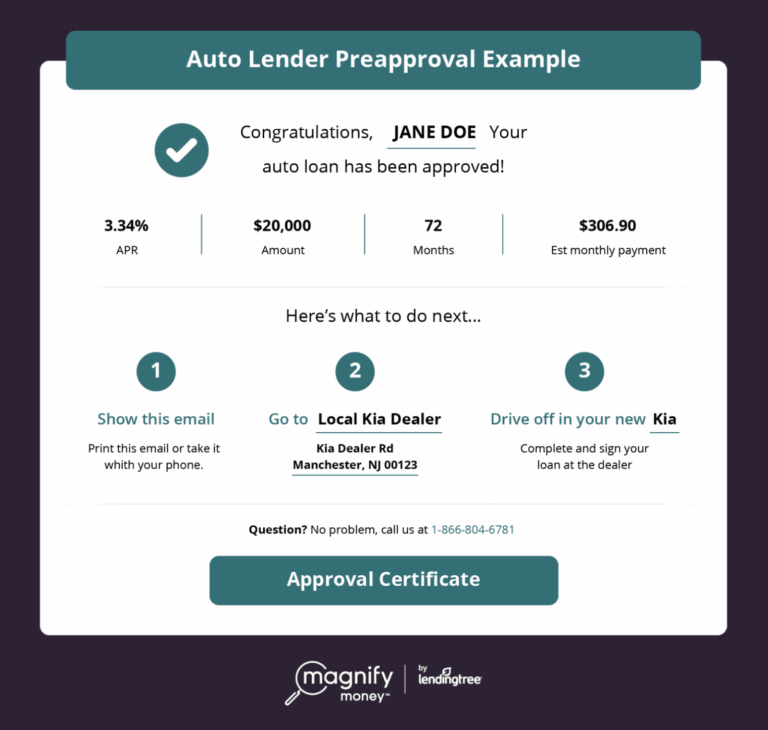
This step is arguably the most important when buying from a private seller. Getting pre-approved means a lender has reviewed your financial information and tentatively agreed to lend you a certain amount, subject to final verification.
- Why it’s crucial: A pre-approval letter gives you significant leverage in negotiations, showing sellers you’re a serious and capable buyer. It also clarifies your budget, preventing you from falling in love with a car you can’t afford.
- Soft vs. Hard Inquiries: Initial pre-approvals often involve a "soft inquiry" on your credit, which doesn’t affect your score. Once you proceed with a specific loan, a "hard inquiry" will be made. Do all your rate shopping within a short window (e.g., 14-45 days) to minimize the impact of multiple hard inquiries on your credit score.
Step 5: Find Your Car and Negotiate
With pre-approval in hand, you’re ready to find your ideal vehicle. When you find a promising car, conduct thorough due diligence:
- Vehicle History Report: Purchase a CarFax or AutoCheck report using the VIN. This reveals accident history, service records, odometer discrepancies, and title issues.
- Independent Inspection: Arrange for a trusted mechanic to perform a pre-purchase inspection (PPI). This can uncover hidden mechanical problems that aren’t apparent during a test drive.
- Negotiate: Use the inspection findings and market research (e.g., Kelley Blue Book, Edmunds) to negotiate the price effectively. Be prepared to walk away if the deal isn’t right.
Common mistakes to avoid are skipping the pre-approval step, which can leave you scrambling for financing after finding the perfect car, and neglecting a pre-purchase inspection, which can lead to costly repairs down the line.
Step 6: Finalize the Loan and Purchase
Once you’ve agreed on a price with the seller and the car has passed inspection, it’s time to finalize the financing and complete the sale.
- Loan Documents: Review all loan documents carefully before signing. Understand the interest rate, repayment schedule, fees, and any prepayment penalties.
- Bill of Sale: Ensure a comprehensive Bill of Sale is drafted and signed by both parties. This document legally transfers ownership and should include:
- Buyer and seller names and addresses
- Vehicle make, model, year, VIN, and mileage
- Agreed-upon purchase price
- Date of sale
- Signatures of both parties
- Title Transfer: This is a critical step. The seller must sign over the vehicle’s title to you. If you have a secured private party auto loan, the lender will likely require their name to be added as a lienholder on the title. Understand this process with your lender and the seller beforehand. If using a personal loan, the title will be clean in your name immediately.
- Payment: Pay the seller the agreed amount using the funds from your loan. This could be a cashier’s check, wire transfer, or a check directly from the lender if it’s a secured auto loan. Avoid carrying large amounts of cash.
Key Considerations Before You Buy
Beyond the financing, several critical checks and balances are necessary when purchasing a car from a private seller. Overlooking any of these can lead to significant headaches and unexpected costs down the road.
1. Independent Car Inspection (PPI)
This is non-negotiable. Always arrange for a qualified, independent mechanic to perform a pre-purchase inspection (PPI). This should be done before you finalize the purchase. A PPI can uncover hidden mechanical issues, signs of past accidents, or deferred maintenance that the seller might not even be aware of. Based on my experience, this small investment can save you thousands in future repair costs. A mechanic can provide an objective assessment of the vehicle’s true condition, giving you peace of mind or crucial negotiation leverage.
2. Vehicle History Report
Purchase a comprehensive vehicle history report from services like CarFax or AutoCheck using the car’s Vehicle Identification Number (VIN). This report provides invaluable data, including:
- Accident history: Details of any reported collisions.
- Service records: Maintenance history, if reported.
- Odometer discrepancies: To detect potential mileage fraud.
- Title issues: Salvage, flood, or rebuilt titles.
- Number of previous owners.
- Open recalls.
This report is your window into the car’s past, helping you identify red flags that might not be visible during a test drive.
3. Thorough Test Drive
Don’t just drive around the block. Conduct a comprehensive test drive that mimics your typical driving conditions. This means:
- Driving at various speeds (city and highway).
- Testing acceleration and braking.
- Turning sharply and driving over bumps to listen for suspension issues.
- Checking all electrical components (lights, AC, radio, windows).
- Listening for unusual noises, vibrations, or smells.
Take your time and ensure you feel comfortable and confident behind the wheel.
4. Seller Verification
While you’re not conducting a background check, it’s wise to verify the seller’s identity and their legal right to sell the car.
- Check Photo ID: Ensure the seller’s name matches the name on the vehicle’s title.
- Verify Ownership: Confirm they are the legal owner listed on the title. Be wary if someone is selling a car for a "friend" or "relative" without proper documentation.
This helps protect you from potential scams or purchasing a stolen vehicle.
5. Title Status
Before handing over any money, you must examine the car’s title carefully. Ensure it is:
- Clean: Meaning it doesn’t have designations like "salvage," "rebuilt," "flood," or "lemon." These titles indicate significant past damage and can affect the car’s value, insurability, and safety.
- Free of Liens: A lien means another party (like a bank) has a claim on the car. The seller must provide a "lien release" or satisfy the lien before selling the car to you. Never buy a car with an active lien unless you are directly paying off the lienholder and have a clear understanding of the process.
6. Insurance Quotes
Don’t wait until after you buy the car to think about insurance. Get quotes before the purchase. Factors like the car’s make, model, year, safety features, and even your location can significantly impact your premiums. Knowing the insurance cost upfront helps you factor it into your overall budget and avoid any unwelcome surprises. In some cases, a car might be affordable to buy but very expensive to insure. For more insights on car insurance, you might find our article on Choosing the Right Car Insurance Policy helpful (simulated internal link).
Negotiating the Price with a Private Seller
Negotiating effectively can save you a significant amount when buying from a private seller. Approach it with confidence and preparation.
First, research the market value thoroughly. Use reputable sources like Kelley Blue Book (KBB.com), Edmunds, and NADAguides to understand the fair market price for the specific make, model, year, and mileage of the car you’re interested in. Look at similar listings in your area to gauge the local market. This research provides a solid foundation for your offer.
Second, be prepared to walk away. This is your most powerful negotiating tool. If the seller isn’t willing to meet a reasonable price, or if you uncover issues during the inspection, don’t feel pressured to buy. There will always be other cars. This readiness to disengage gives you control in the negotiation.
Finally, leverage your inspection findings. If the pre-purchase inspection uncovers any necessary repairs, use these as points of negotiation. For example, if the mechanic found that the tires need replacing soon, you can ask for a discount equivalent to the cost of new tires. Present these findings objectively and politely, explaining how they impact the car’s immediate value and your potential future expenses. For additional negotiation strategies, check out our guide on Mastering Car Purchase Negotiations (simulated internal link).
Common Mistakes to Avoid When Financing a Private Car Purchase
Navigating a private car sale, especially with financing, can have its pitfalls. Based on our extensive experience in the auto finance world, here are some common mistakes buyers make and how to steer clear of them.
- Not Getting Pre-Approved: This is perhaps the biggest oversight. Approaching a private seller without pre-approval means you don’t know your exact budget or if you can even secure financing. This puts you at a disadvantage, delays the process, and might lead to missing out on a great car. Always secure your financing first.
- Skipping the Pre-Purchase Inspection (PPI): We cannot stress this enough. Relying solely on your own judgment or the seller’s word about the car’s condition is risky. A professional mechanic can uncover hidden problems that could cost thousands to fix, turning your "deal" into a financial burden.
- Not Checking the Title Thoroughly: Failing to verify the title’s cleanliness (no salvage, rebuilt, or flood designations) and ensuring it’s free of liens can lead to legal complications, difficulties in registration, and a car that’s worth far less than you paid.
- Rushing the Process: Private car purchases require patience and diligence. Don’t let enthusiasm or a perceived "limited-time offer" push you into making hasty decisions. Take your time with research, inspections, and loan comparisons.
- Overlooking Total Cost of Ownership: Beyond the purchase price and loan payments, remember to budget for insurance, registration fees, taxes, and immediate maintenance needs (e.g., new tires, fluid changes). A low purchase price might hide high ongoing costs. For a broader understanding of vehicle ownership, consider resources like the Federal Trade Commission’s guide on buying a used car, which provides valuable consumer protection insights (External Link: https://www.consumer.ftc.gov/articles/0056-buying-used-car).
After the Purchase: What’s Next?
Congratulations! You’ve successfully navigated the process to get a loan to buy a car from a private seller. But the journey doesn’t quite end there. A few crucial steps remain to ensure your new vehicle is legally yours and ready for the road.
First and foremost, you’ll need to register the car in your name with your state’s Department of Motor Vehicles (DMV) or equivalent agency. This typically involves presenting the signed title, the bill of sale, proof of insurance, and paying any applicable sales tax and registration fees. The exact requirements vary by state, so it’s wise to check your local DMV’s website for a precise checklist. Do this promptly to avoid penalties or issues with law enforcement.
Next, ensure your car insurance is fully active. While you likely secured quotes beforehand, you must officially activate the policy for your new vehicle before driving it regularly. Driving without proper insurance is illegal and can lead to severe financial consequences in case of an accident. Update your policy details to reflect your new car and ensure you have adequate coverage.
Finally, consider establishing a maintenance schedule for your newly acquired vehicle. Even if the pre-purchase inspection was stellar, knowing when the next oil change, tire rotation, or major service is due will help you keep the car in top condition. Refer to the owner’s manual for recommended service intervals, or consult with your trusted mechanic to create a personalized plan. Proactive maintenance is key to prolonging your car’s lifespan and avoiding unexpected breakdowns.
Conclusion: Drive Away with Confidence
Buying a car from a private seller can be a highly rewarding experience, offering excellent value and unique choices. While the financing process requires more independent effort than a dealership purchase, it’s entirely manageable with the right knowledge and preparation. By understanding the types of loans available, diligently following the application steps, and conducting thorough due diligence on the vehicle, you can confidently secure a loan to buy a car from a private seller.
Remember to prioritize getting pre-approved, never skip a pre-purchase inspection, and meticulously review all documentation. With this comprehensive guide in hand, you’re now equipped to navigate the private sale market with expertise, ensuring a smooth transaction and driving away in your new car with complete peace of mind. Start your journey today, and enjoy the open road!