How to Sell Your Car With a Loan On It: Your Expert Guide to a Smooth Sale
How to Sell Your Car With a Loan On It: Your Expert Guide to a Smooth Sale Carloan.Guidemechanic.com
Selling a car can feel like a big undertaking, and the process can seem even more daunting when you still owe money on it. Many car owners find themselves in this exact situation, wondering if it’s even possible to sell a vehicle with an outstanding loan. The good news? It absolutely is! While there are a few extra steps involved, selling your financed car is a common and manageable process, whether you’re looking to upgrade, downsize, or simply free up some cash.
As an expert in the automotive market and a professional content writer, I understand the complexities involved. My goal with this comprehensive guide is to demystify the process, providing you with clear, actionable steps and expert insights. We’ll cover everything from understanding your loan to navigating different selling avenues, ensuring you’re well-equipped to make an informed decision and achieve a successful sale. Let’s dive in and transform what might seem like a challenge into a straightforward transaction.
How to Sell Your Car With a Loan On It: Your Expert Guide to a Smooth Sale
Understanding Your Car Loan: The First Crucial Step
Before you even think about listing your car, the most important thing you can do is thoroughly understand the specifics of your current auto loan. This foundational knowledge will dictate your selling strategy and prepare you for any financial implications.
What is a Lienholder?
When you finance a car, the lender (a bank, credit union, or financial institution) holds a lien on your vehicle. This means they legally own a portion of your car until the loan is fully paid off. They are known as the "lienholder." The car’s title, which proves ownership, will typically be held by the lienholder or list them as the primary lienholder, indicating their financial interest. You cannot transfer full ownership of the car to a new buyer until this lien is released.
The Importance of Your Loan Payoff Amount
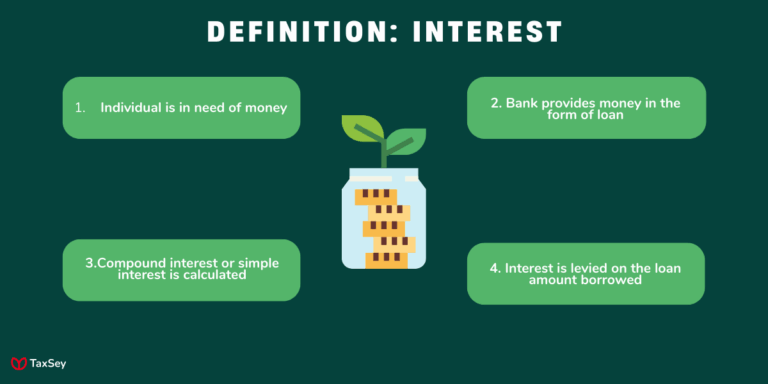
This is perhaps the single most critical piece of information you need. Your loan payoff amount is not just your current balance. It’s the exact amount of money you need to pay your lender on a specific date to completely satisfy your loan obligation. This figure includes the principal balance, any accrued interest, and sometimes minor administrative fees.
Based on my experience, many people make the common mistake of assuming their monthly statement balance is the payoff amount. This is almost never the case. Interest accrues daily, so the payoff amount is usually slightly higher than your last statement balance and is only valid for a limited time (typically 7-10 days). You must contact your lienholder directly to request an official payoff quote. This quote will specify the exact amount and the date by which it needs to be paid.
Positive vs. Negative Equity: What It Means for Your Sale
Understanding your equity position is vital for a successful sale. Your equity is the difference between your car’s market value and your loan payoff amount.
- Positive Equity: This occurs when your car’s current market value is higher than your loan payoff amount. In this favorable situation, once your loan is paid off, you’ll receive the remaining funds from the sale. This is the ideal scenario for selling a financed car, as it means you’ll likely walk away with cash in hand.
- Negative Equity (Being "Upside Down"): This happens when your car’s market value is lower than your loan payoff amount. If you’re in this situation, you will owe money to your lender even after the sale. This difference, often called the "gap," must be paid out of pocket to completely satisfy your loan and obtain the title release. It’s a common challenge, especially with newer cars that depreciate quickly. Don’t worry, we’ll discuss strategies for dealing with negative equity later in this guide.
Knowing your equity position early allows you to set realistic expectations and plan your finances accordingly.
Determining Your Car’s Value: Setting a Realistic Price
Once you understand your loan, the next step is to accurately assess your car’s market value. This is essential for setting a competitive price and understanding your equity position more precisely.
Why Accurate Valuation Matters
An accurate valuation ensures you don’t undersell your vehicle, potentially losing money, or overprice it, making it difficult to find a buyer. A realistic price attracts serious buyers and helps you compare it directly against your loan payoff amount. This comparison reveals whether you have positive or negative equity, guiding your selling approach.
Methods for Valuation
Several reputable sources can help you determine your car’s value:
- Kelley Blue Book (KBB): KBB is widely recognized for providing fair market value estimates. They offer values for trade-in, private party sale, and instant cash offers.
- Edmunds: Similar to KBB, Edmunds provides comprehensive pricing guides based on current market data, helping you understand what your car is worth.
- NADA Guides: Often used by dealerships and lenders, NADA Guides offer a different perspective on vehicle values, which can be useful for comparison.
When using these tools, be honest about your car’s condition, mileage, optional features, and any modifications. Small details can significantly impact the estimated value.
Pro tips from us: Don’t just rely on one source; cross-reference values from at least two different platforms. Also, look at comparable listings in your local market on sites like AutoTrader or Facebook Marketplace. This gives you a real-world perspective on what similar cars are actually selling for. Remember, condition is key. A well-maintained car with service records will command a higher price.
Option 1: Selling Your Car to a Private Party
Selling your car to a private individual often yields the highest selling price, maximizing your potential return. However, it requires more effort and careful coordination, especially when a loan is involved.
Step 1: Contact Your Lienholder
This is the most critical first step in a private sale.
- Request the Official Payoff Quote: As discussed, get an exact, written payoff quote valid for a specific period. Ask your lienholder about their process for releasing the lien and sending the title once the loan is satisfied.
- Understand Their Process: Inquire about their preferred method for handling payments from a buyer. Some lenders are comfortable receiving payment directly from the buyer, especially if the transaction occurs at one of their branches. Others might require you, the seller, to facilitate the payment.
- Common mistakes to avoid are: Not getting a written quote, or assuming the title will be released immediately. Understand the timeline, as it can take days or even weeks for the lienholder to mail the physical title after payoff. This delay needs to be communicated to your buyer.
Step 2: Find a Buyer
Once you know your loan specifics and target price, you can begin marketing your car.
- Advertising Strategies: Utilize popular online marketplaces like Craigslist, Facebook Marketplace, AutoTrader, or even local classifieds. High-quality photos, a detailed description, and transparency about the car’s condition are paramount.
- Transparency About the Loan: Be upfront with potential buyers that there is an outstanding loan on the vehicle. Explain that the sale will involve paying off the lienholder to release the title. This builds trust and sets clear expectations.
- Screening Buyers: Be cautious and prioritize safety. Meet in well-lit, public places for test drives. Never share personal financial details beyond what’s necessary for the transaction.
Step 3: The Transaction – Crucial Steps for Payment and Title Transfer
This is where the process differs significantly from selling a car with a clear title. The goal is to ensure the lienholder is paid, the lien is released, and the buyer receives a clear title.
Scenario A: Buyer Pays the Full Amount (Enough to Cover Loan)
This is the most straightforward private sale scenario when you have positive equity or the buyer is covering the entire cost.
- Meet at the Bank/Lienholder: The safest and most recommended method is to conduct the transaction at a branch of your lienholder. You, the buyer, and a representative from your bank should be present.
- Buyer Pays Lender Directly: The buyer can provide a cashier’s check or wire transfer directly to your lienholder for the payoff amount. This ensures the loan is immediately satisfied.
- Lienholder Releases Once the payoff is confirmed, your lienholder will begin the process of releasing the lien and sending the physical title. They might issue a letter confirming the payoff on the spot.
- Seller Receives Difference: If your car sold for more than the payoff amount (positive equity), the buyer will give you the remaining funds directly. This can be in the form of a separate cashier’s check.
- E-E-A-T: "Based on my experience, conducting the transaction at the lienholder’s bank branch provides the highest level of security and peace of mind for both parties. It verifies payment and initiates the title release process officially."
Scenario B: Buyer Pays Less Than Loan Amount (Negative Equity)
If you have negative equity, you’ll need to cover the difference out of your own pocket.
- Seller Covers the Difference: Before or at the time of the sale, you will need to pay the remaining balance of your loan to the lienholder. This can be done with a personal check, debit card, or wire transfer.
- Transaction Proceeds: Once you’ve covered the negative equity and the loan is fully paid, the transaction with the buyer proceeds as described in Scenario A, with the buyer paying you (or the lienholder, if you haven’t fully paid off yet) the agreed-upon sale price.
- Pro Tip: Plan for this financially. If you have significant negative equity, it might be worth exploring other selling options or waiting until your equity position improves.
Scenario C: Buyer Secures Their Own Financing
Sometimes, a buyer wants to purchase your car but needs to get their own loan.
- Buyer’s Lender Contacts Your Lienholder: The buyer’s bank will work directly with your lienholder to pay off your outstanding loan. They will handle the transfer of the title from your lienholder to themselves (as the new lienholder).
- Coordination Required: This process can be more complex and take longer. You’ll need to facilitate communication between both financial institutions and provide necessary documentation.
- Agreement: Ensure you have a clear written sales agreement with the buyer before this process begins.
Step 4: Title Transfer and Registration
Once your lienholder has been paid off and the lien is released, they will mail the clear title to you.
- Receiving the Be patient, as this can take anywhere from a few days to several weeks, depending on your state and lender.
- Transferring Ownership: Once you have the clear title in hand, you and the buyer will complete the title transfer at your local Department of Motor Vehicles (DMV) or equivalent agency. You’ll typically need to sign the title over to the new owner.
- Notify DMV: Ensure all necessary paperwork is filed with the DMV to officially transfer ownership and release you from liability.
- Internal Link: For more detailed information on navigating the title transfer process in your state, check out our comprehensive guide on .
Option 2: Trading In Your Car at a Dealership
Trading in your car to a dealership is often the simplest and most convenient option, especially when you have an outstanding loan.
How It Works
When you trade in your financed car to a dealership, they handle the entire loan payoff process. They will assess your car’s value, offer you a trade-in amount, and then deduct your loan payoff amount from that offer. If there’s positive equity, that amount will be applied towards your new car purchase or given to you. If there’s negative equity, the dealership can often roll that balance into your new car loan, though this should be approached with caution.
Pros of Trading In
- Convenience: The dealership manages all the paperwork and coordination with your lienholder. You don’t have to worry about finding a private buyer or handling the title transfer directly.
- Immediate Transaction: You can typically complete the trade-in and purchase of a new vehicle in a single visit.
- Potential Tax Savings: In many states, trading in your car can reduce the sales tax on your new vehicle purchase, as you only pay tax on the difference between the new car’s price and your trade-in value.
Cons of Trading In
- Lower Offer: Dealerships typically offer less for a trade-in compared to what you might get from a private sale. They need to recondition the vehicle and resell it at a profit, so their offer will reflect their business model.
- Less Negotiation Power: Your focus might shift from getting the best price for your old car to getting the best deal on your new one, which can sometimes lead to accepting a lower trade-in offer.
Based on my experience, while dealerships offer unparalleled convenience, it often comes at a financial cost. Always try to get a private sale estimate for your car before heading to the dealership, so you have a benchmark for their trade-in offer.
Negative Equity with a Trade-in
If you have negative equity, the dealership might offer to "roll" that balance into your new car loan. While this sounds convenient, it means you’ll be financing a car that’s already worth less than what you owe on it, leading to a higher loan amount and potentially longer repayment terms. This is a situation to approach with extreme caution, as it can keep you "upside down" on your new vehicle for a significant period. Always calculate the impact on your monthly payments and overall interest paid.
Option 3: Selling Your Car to an Online Car Buying Service
Online car buying services like CarMax, Vroom, Carvana, and others have revolutionized the car selling process, offering a convenient middle ground between a private sale and a dealership trade-in.
The Process
These services typically follow a streamlined process:
- Get an Online Offer: You provide details about your car online (VIN, mileage, condition). They generate an instant cash offer, usually valid for a few days.
- Schedule Inspection/Pickup: If you accept the offer, you schedule an inspection or a pickup. A representative will verify the car’s condition.
- They Handle Payoff: If everything matches, they will handle the payoff of your outstanding loan directly with your lienholder.
- Receive Payment: Any positive equity is paid to you via check or direct deposit. If you have negative equity, you’ll need to pay the difference to them.
Pros of Online Car Buying Services
- Convenience: The process is largely online, eliminating the need to meet multiple private buyers or spend hours at a dealership.
- Often Competitive Offers: While not always as high as a private sale, their offers can be more competitive than dealership trade-ins.
- Streamlined Process: They are designed for efficiency, making the sale quick and relatively hassle-free.
Cons of Online Car Buying Services
- Offers Can Fluctuate: The initial online offer might be adjusted after a physical inspection if the car’s condition doesn’t match your description.
- Less Negotiation: Offers are generally non-negotiable.
External Link: To learn more about the growing trend of selling cars online and how these services compare, you might find this insightful article from a trusted source helpful: .
Important Considerations & Best Practices
Regardless of how you choose to sell your car with a loan on it, keeping these general best practices in mind will help ensure a smooth, safe, and successful transaction.
Transparency is Key
Always be upfront with potential buyers or dealerships about the outstanding loan. Hiding this information will only lead to complications and distrust down the line. A transparent seller builds confidence and makes the process easier for everyone involved. Clearly explain that the sale will involve paying off the lienholder to release the title.
Paperwork Checklist
Having your documents in order will expedite the selling process. Gather these items:
- Your official loan payoff quote.
- Your car’s registration and current insurance card.
- Maintenance records: A detailed service history can significantly boost buyer confidence and value.
- Original owner’s manual.
- Any warranties or extended service contracts.
- A bill of sale: This is crucial for both private sales and dealer transactions, clearly outlining the terms of the sale.
Protect Yourself
Safety and security are paramount, especially in private sales.
- Avoid Scams: Be wary of buyers who offer to pay significantly more than your asking price, insist on unusual payment methods, or seem overly eager without inspecting the car.
- Never Release the Car or Title Without Full Payment: This is non-negotiable. The car and its associated title (or the guarantee of a clear title) should only change hands after the full, verified payment has been secured and your lienholder has confirmed payoff.
- Use Secure Payment Methods: For private sales, cashier’s checks (verified with the issuing bank) or wire transfers conducted at a bank are generally the safest options. Avoid personal checks or cash unless the amount is very small and you can verify its authenticity immediately.
- Documentation: Always get everything in writing, including a signed bill of sale by both parties.
Preparing Your Car for Sale
A well-prepared car commands a better price and sells faster.
- Detailing: A thorough cleaning, inside and out, makes a significant first impression. Consider professional detailing.
- Minor Repairs: Fix any small, inexpensive issues like burnt-out light bulbs, minor dings, or scuffed interior panels. These small investments can lead to a higher selling price and fewer objections from buyers.
- Mechanical Check-up: Ensure your car is in good running order. Address any dashboard warning lights.
- Internal Link: To maximize your car’s appeal and value before listing, dive into our detailed guide on .
What if I have Negative Equity?
Dealing with negative equity is a common challenge, but it’s not insurmountable. Here are your options:
- Pay the Difference Out of Pocket: If you have the funds, this is the cleanest solution. You pay your lienholder the difference between your car’s sale price and the loan payoff amount, clearing the loan entirely.
- Roll into a New Loan (with Caution): As discussed, some dealerships will allow you to add your negative equity to a new car loan. This increases your new loan amount and interest, potentially putting you "upside down" on your new vehicle from day one. Only consider this if the negative equity is minimal and you’re confident in your ability to pay off the larger loan.
- Wait It Out: If you’re not in a rush, waiting and continuing to pay down your loan can improve your equity position over time. Focus on making extra payments if possible.
- Common mistake to avoid are: Ignoring the negative equity or hoping it will disappear. It’s a real debt that needs to be addressed for the sale to proceed legally.
Conclusion: Empowering Your Car Sale
Selling a car with a loan on it might seem complex at first glance, but with the right knowledge and a clear plan, it’s a perfectly manageable process. By understanding your loan details, accurately valuing your vehicle, and choosing the selling option that best suits your needs, you can navigate the transaction with confidence.
Remember, transparency, meticulous paperwork, and prioritizing safety are your best allies throughout this journey. Whether you opt for a private sale to maximize your return, the convenience of a dealership trade-in, or the efficiency of an online car buying service, you now have the expert insights to make an informed decision. Don’t let an outstanding loan hold you back from your next automotive adventure. Take these steps, prepare thoroughly, and drive towards a successful sale!
Have you successfully sold a car with a loan on it? Share your experiences and tips in the comments below – your insights could help other readers on their journey!