How to Stop Wage Garnishment for Car Loan: Your Comprehensive Guide to Financial Freedom
How to Stop Wage Garnishment for Car Loan: Your Comprehensive Guide to Financial Freedom Carloan.Guidemechanic.com
Facing wage garnishment for a car loan can feel like a sudden, crushing blow. The thought of a portion of your hard-earned paycheck being diverted directly to your lender is incredibly stressful and can throw your entire financial life into disarray. But here’s the crucial truth: you are not without options. While the situation is serious, understanding the process and knowing the proactive steps you can take is the first and most powerful step towards regaining control.
As an expert blogger and professional SEO content writer, I’ve seen countless individuals navigate these challenging waters. My goal with this comprehensive guide is to equip you with the knowledge and strategies needed to effectively stop wage garnishment for a car loan, offering real value and actionable advice every step of the way. We’ll dive deep into legal avenues, negotiation tactics, and crucial preventative measures, ensuring you have a clear roadmap to protect your finances.
How to Stop Wage Garnishment for Car Loan: Your Comprehensive Guide to Financial Freedom
Understanding Wage Garnishment for Car Loans: The Basics You Need to Know
Before we explore how to stop wage garnishment, it’s essential to understand what it is and how it typically comes about, especially concerning a car loan. Wage garnishment is a legal procedure where a creditor (in this case, your car loan lender) obtains a court order to deduct money directly from your wages to satisfy a debt. It’s a powerful tool lenders use when other collection efforts have failed.
Unlike some unsecured debts, a car loan is a secured debt, meaning the car itself acts as collateral. When you default on your car loan – meaning you fail to make payments as agreed – the lender typically has two primary recourses: repossession of the vehicle or pursuing a deficiency judgment if the car’s sale doesn’t cover the remaining loan balance. If they opt for a deficiency judgment or if they get a judgment for the entire loan amount before repossession, wage garnishment becomes a possibility.
Based on my experience, many people are caught off guard because they don’t realize the lender must first sue them and win a judgment in court before they can garnish wages. This isn’t a unilateral decision by the lender; it’s a legal process involving the courts. Receiving a summons to appear in court for a car loan default is often the precursor to potential wage garnishment. Ignoring these legal notices is one of the most common mistakes people make, often leading to a default judgment against them, which then paves the way for garnishment.
The Immediate Steps: What to Do When You Get a Wage Garnishment Notice
Receiving a notice of wage garnishment can be alarming, but panicking is not an option. Swift, informed action is your best defense. This is a critical juncture where your choices can significantly impact the outcome.
1. Don’t Ignore It – Act Immediately
The absolute worst thing you can do is ignore the garnishment notice or court order. This is not a threat; it’s a legal directive. If you do nothing, your wages will be garnished, and you’ll lose valuable time and options to fight it. Every state has specific timelines for responding to such notices, and missing these deadlines can seal your fate.
Common mistakes to avoid are assuming the notice is a scam or thinking it will simply go away. These documents are serious and require your immediate attention and response. Time is of the essence, so review every detail carefully.
2. Review the Court Order and Documentation Carefully
You should receive official documentation from the court or your employer detailing the wage garnishment. This document will specify:
- The creditor (your car loan lender).
- The amount of the judgment.
- The amount to be garnished from each paycheck.
- The legal basis for the garnishment.
- Your rights and options for disputing it.
Scrutinize these documents for any inaccuracies, such as an incorrect loan balance, a misidentified lender, or procedural errors. Even small discrepancies could provide grounds to challenge the garnishment. Understanding the specifics of the court order is the foundation of any strategy to stop wage garnishment for a car loan.
3. Seek Professional Legal Advice Immediately
This is perhaps the most crucial step. Navigating wage garnishment laws is complex, and they vary significantly by state. An experienced attorney specializing in debt relief or consumer law can:
- Explain your rights and options under your state’s specific laws.
- Identify any potential legal loopholes or errors in the garnishment process.
- Help you file the necessary paperwork to contest the garnishment or claim exemptions.
- Represent you in court if necessary.
Pro tips from us: Don’t try to handle this alone. The legal system can be intimidating, and a professional can guide you through the intricacies, often saving you more money in the long run than their fees. Many attorneys offer free initial consultations, making it accessible to understand your position without immediate financial commitment.
Legal Avenues to Stop Wage Garnishment for Car Loan
Once you’ve understood the situation and sought initial advice, it’s time to explore the specific legal strategies available to you. These approaches aim to either halt the garnishment, reduce its impact, or resolve the underlying debt.
1. Contesting the Wage Garnishment Order
You may have grounds to contest the wage garnishment in court. This means filing a legal challenge to the court order itself. Common grounds for contesting include:
- Improper Notice: If you were never properly served with the initial lawsuit, the judgment might be invalid. Lenders must follow strict legal procedures for notifying you of a lawsuit.
- Incorrect Amount: The amount the lender claims you owe might be incorrect, perhaps due to miscalculations, uncredited payments, or excessive fees.
- Statute of Limitations: There’s a legal time limit (statute of limitations) within which a lender can sue you for a debt. If the lender filed the lawsuit after this period expired, the judgment could be challenged.
- Exemptions: Many states have laws that protect certain types of income or a portion of your wages from garnishment. For instance, Social Security benefits, disability payments, and a certain percentage of your disposable earnings are often exempt. You might need to file a claim of exemption with the court to protect these funds.
Based on my experience, successfully contesting garnishment often hinges on presenting clear evidence and adhering strictly to court procedures and deadlines. This is another area where legal representation is invaluable. Your attorney can help you gather the necessary documentation and articulate your case effectively.
2. Negotiating Directly with Your Lender
Even after a judgment, and sometimes even after garnishment has begun, negotiation with your car loan lender remains a viable path. Lenders, at their core, want to recover their money. They might be open to alternatives that benefit both parties, especially if they believe it’s their best chance to collect.
- Payment Plan: Propose a manageable payment plan that you can realistically afford. This shows good faith and can convince the lender that a structured payment is better than continued legal battles or the uncertainty of ongoing garnishment. Be prepared to provide a detailed budget to support your proposed payments.
- Loan Modification: In some cases, a lender might agree to modify the terms of your original car loan, perhaps by extending the repayment period or reducing the interest rate, to make payments more affordable. This is more common before a judgment, but it’s worth exploring if you can demonstrate a significant financial hardship.
- Lump-Sum Settlement: If you can access a lump sum of money (from savings, a relative, or another loan), you might be able to negotiate a settlement for less than the full amount owed. Lenders often prefer a guaranteed, albeit reduced, payment upfront rather than the slow, uncertain process of garnishment.
Pro tips from us: When negotiating, always get any agreements in writing. Do not rely on verbal promises. Ensure the written agreement explicitly states that the wage garnishment will cease once the agreed-upon terms are met. For a deeper dive into negotiating with creditors, you might find our article on helpful.
3. Filing for Bankruptcy
Filing for bankruptcy is a significant step, but it is one of the most powerful legal tools available to immediately stop wage garnishment for a car loan. As soon as you file for Chapter 7 or Chapter 13 bankruptcy, an "automatic stay" goes into effect.
- Automatic Stay: This legal injunction immediately halts most collection activities, including wage garnishment, lawsuits, and even calls from creditors. It provides immediate relief and breathing room to reorganize your finances.
- Chapter 7 Bankruptcy: This type of bankruptcy liquidates non-exempt assets to pay off creditors. While it can discharge many debts, car loans are secured. If you want to keep your car, you typically need to reaffirm the debt (agree to continue making payments) or redeem the car (pay its market value in a lump sum). If you don’t reaffirm or redeem, the car will likely be repossessed, but the underlying debt could be discharged. The wage garnishment would stop.
- Chapter 13 Bankruptcy: This involves creating a repayment plan, typically over three to five years, for your debts. Under Chapter 13, you can often "cram down" your car loan (reduce the principal to the car’s market value if the loan is old enough) or catch up on missed payments through the plan. The automatic stay would stop the garnishment, and your car loan would be included in the structured repayment plan.
Based on my experience as a financial blogger, bankruptcy is not a decision to be taken lightly, as it has long-term implications for your credit. However, for many facing overwhelming debt and wage garnishment, it offers a fresh start and immediate protection. Consulting with a bankruptcy attorney is essential to determine if this is the right path for your specific circumstances.
Preventative Measures and Long-Term Strategies
While addressing an active wage garnishment is urgent, understanding how to prevent such a situation in the first place is invaluable. Proactive steps can save you immense stress and financial hardship.
1. Proactive Communication with Your Lender
The moment you anticipate difficulty making car loan payments, contact your lender. Do not wait until you’ve missed several payments or received a court summons. Lenders are often more willing to work with you when you reach out early and explain your situation.
- Hardship Programs: Many lenders have hardship programs or temporary forbearance options for borrowers experiencing job loss, illness, or other financial crises. They might offer deferred payments, reduced payments for a period, or a temporary interest rate reduction.
- Documentation: Be prepared to provide documentation of your financial hardship, such as termination letters, medical bills, or a revised budget. The more transparent and proactive you are, the better your chances of securing an alternative arrangement.
Pro tips from us: Always document every conversation: note the date, time, who you spoke with, and what was discussed. Follow up verbal agreements with written confirmation, usually via email. This creates a paper trail that can be crucial if disputes arise later.
2. Comprehensive Financial Review and Budgeting
A thorough review of your finances can identify areas where you can cut expenses and free up funds for your car loan. This is about building resilience.
- Create a Detailed Budget: Track all income and expenses to see exactly where your money is going. Identify non-essential spending that can be reduced or eliminated.
- Emergency Fund: Work towards building an emergency fund. Even a small amount can act as a buffer during unexpected financial difficulties, helping you avoid defaulting on critical payments like your car loan.
- Debt Management: If you have multiple debts, consider professional credit counseling. Organizations like the National Foundation for Credit Counseling (NFCC) can help you create a debt management plan and negotiate with creditors. For more information on consumer rights and financial planning, resources like the Federal Trade Commission (FTC) website can provide valuable insights.
3. Consider Refinancing or Selling the Car
If your financial situation has improved since you first took out the loan, or if interest rates have dropped, refinancing your car loan could lower your monthly payments. This can make the loan more manageable and reduce the risk of default.
Alternatively, if your financial struggles are severe and long-term, selling the car might be a difficult but necessary decision. If you can sell the car for an amount close to or exceeding what you owe, you can pay off the loan and avoid default, repossession, and wage garnishment altogether. If you can’t sell it for enough, you’ll still owe the difference (a deficiency balance), but you might be able to negotiate a payment plan for that smaller amount.
Life After Garnishment (or Avoiding It): Rebuilding Your Finances
Whether you successfully stopped wage garnishment or managed to avoid it, the experience serves as a powerful financial wake-up call. The next crucial step is to rebuild and fortify your financial future.
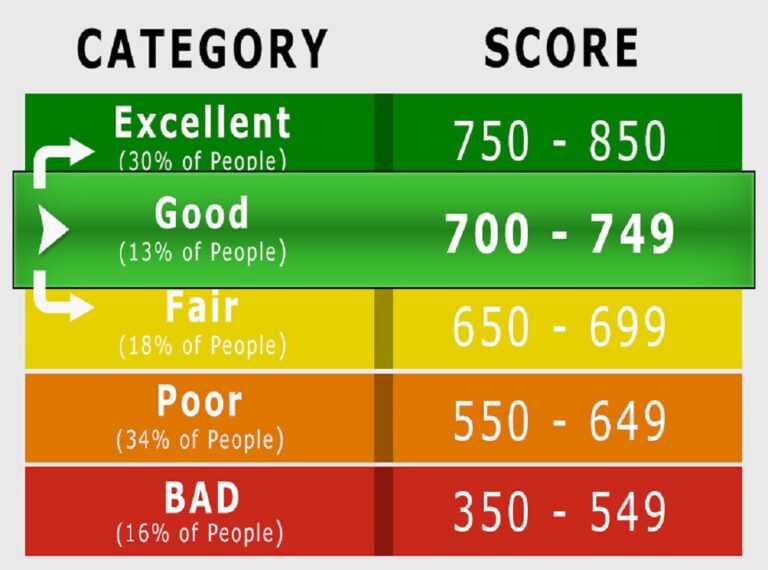
- Credit Score Impact: A wage garnishment and the underlying car loan default will significantly damage your credit score. Rebuilding credit takes time and consistent effort. Focus on making all future payments on time, keeping credit utilization low, and eventually, responsibly adding new credit.
- Budgeting as a Lifestyle: Make budgeting an ongoing practice, not just a temporary fix. Regularly review and adjust your budget to ensure it aligns with your financial goals and current income.
- Savings First: Prioritize saving, even small amounts. Building a robust emergency fund should be a primary goal to protect yourself from future financial shocks.
- Professional Guidance: Don’t hesitate to continue seeking advice from financial counselors or advisors. They can provide personalized strategies for debt recovery, credit rebuilding, and long-term financial planning. If you’re also dealing with other forms of debt, explore our guide on .
Conclusion: Take Control and Act Decisively
Wage garnishment for a car loan is a daunting prospect, but it is not an insurmountable obstacle. The key is to understand your situation, act decisively, and leverage the legal and financial tools available to you. From immediately reviewing your garnishment notice and seeking legal counsel, to negotiating with your lender or even considering bankruptcy, a clear path forward exists.
Remember, inaction is your biggest enemy. By taking proactive steps, communicating openly, and seeking expert guidance, you can effectively stop wage garnishment for a car loan and lay the groundwork for a more stable and secure financial future. Don’t let fear paralyze you; empower yourself with knowledge and take control of your financial destiny today.