I Can’t Afford My Car Loan: Your Comprehensive Guide to Finding Relief
I Can’t Afford My Car Loan: Your Comprehensive Guide to Finding Relief Carloan.Guidemechanic.com
Facing the harsh reality of "I can’t afford my car loan" can feel like a punch to the gut. The stress of looming payments, the fear of losing your vehicle, and the anxiety about your financial future are all too real. You’re not alone in this struggle; many individuals find themselves in similar predicaments due to unforeseen circumstances or initial miscalculations.
This article is designed to be your definitive guide, offering practical, actionable steps and expert advice to navigate this challenging situation. We’ll explore every viable option, helping you understand your rights, responsibilities, and the best path forward to regain control of your finances and secure your transportation. Let’s dive in and find your way out of this financial bind.
I Can’t Afford My Car Loan: Your Comprehensive Guide to Finding Relief
Acknowledging the Problem: Why We Get Here
Before we can solve the problem, it’s crucial to understand why you might be struggling with car payments. Life is unpredictable, and even the most meticulously planned budgets can be derailed. Recognizing the root cause can help you prevent similar issues in the future.
Common reasons for finding yourself unable to afford your car loan include job loss, unexpected medical emergencies, or a sudden decrease in income. A major home repair or other significant, unforeseen expense can also quickly deplete savings earmarked for car payments. Sometimes, it’s simply a case of over-extending yourself when purchasing the vehicle, leading to payments that were always a stretch.
Whatever the reason, the most important first step is to acknowledge the problem head-on. Ignoring it will only compound the stress and limit your options. You’ve taken a crucial step by seeking information, and that proactive approach is key to finding a solution.
Immediate Steps to Take: Don’t Panic, Plan!
When you realize "I can’t afford my car loan," the instinct might be to panic. However, a calm, strategic approach will yield far better results. Take a deep breath and prepare to assess your current financial standing.
1. Assess Your Financial Situation Thoroughly:
Start by creating a detailed budget. List all your income sources and every single expense, from rent and groceries to subscriptions and daily coffee. This will give you a clear picture of where your money is going and where potential cuts can be made. You might discover small savings that, when combined, make a significant difference.
2. Gather All Car Loan Documents:
Locate your original loan agreement, recent statements, and any communication from your lender. Understand the terms: your interest rate, remaining balance, payment due dates, and any late payment penalties. Knowing these details upfront will be invaluable when you start exploring options.
3. Prioritize Your Debts (Strategically):
While your car is important for transportation, it’s essential to understand the hierarchy of debts. Housing and essential utilities often come first. However, a car loan typically carries the risk of repossession, which can have severe consequences. Weigh the importance of your car for work and daily life against other critical obligations.
Pro tip from us: Don’t ignore the problem hoping it will disappear. Each missed payment can trigger late fees, negatively impact your credit score, and bring you closer to repossession. Early action provides the most flexibility and the best outcomes.
Communicating with Your Lender: Your First Line of Defense
One of the most crucial steps when you can’t afford your car loan is to open a dialogue with your lender. Many people hesitate, fearing judgment or rejection, but lenders are often willing to work with borrowers who are proactive and transparent. They would rather receive some payment than none at all.
1. Why Communication is Key:
Your lender wants to avoid repossession as much as you do. Repossession is a costly and time-consuming process for them, often resulting in a loss. By contacting them early, you demonstrate responsibility and a willingness to find a solution, which can make them more amenable to offering assistance.
2. What to Prepare Before You Call:
Before picking up the phone, have your account number ready, along with a clear understanding of your financial situation (from your budget assessment). Be ready to explain why you’re struggling (e.g., job loss, medical bills) and what kind of relief you’re seeking. Having a proposed temporary payment plan in mind can also be helpful.
3. Potential Options Lenders Might Offer:
- Deferment or Forbearance: This allows you to temporarily pause or reduce your payments for a set period, typically a few months. During this time, interest may continue to accrue, and the missed payments are usually added to the end of your loan term or become a lump sum due later. It provides breathing room to get back on your feet.
- Loan Modification: A more permanent change to your loan terms. This could involve extending the loan term to lower your monthly payments, or, in some cases, a reduction in the interest rate. It’s less common for car loans than mortgages but worth asking about.
- Temporary Payment Plan: Your lender might agree to a temporary arrangement where you make reduced payments for a short period. This is similar to forbearance but often involves making some payment rather than none.
Common mistakes to avoid are waiting until you’ve already missed several payments, or making promises you can’t keep. Be realistic about what you can afford and communicate clearly. Document every conversation, noting dates, times, and the names of the representatives you spoke with.
Exploring Refinancing Options: A Potential Lifeline
If your financial situation has improved since you first took out your car loan, or if interest rates have dropped, refinancing could be a powerful tool. Refinancing means taking out a new loan to pay off your existing one, ideally with more favorable terms.
1. When Refinancing Makes Sense:
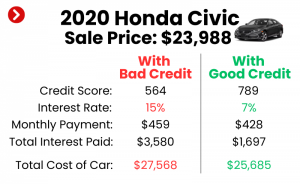
Refinancing is particularly beneficial if your credit score has significantly improved since you bought the car. A higher credit score can qualify you for a lower interest rate, reducing your monthly payments and the total cost of the loan. It also makes sense if current interest rates are lower than what you’re currently paying. You might also refinance to extend your loan term, which lowers monthly payments, though it may increase the total interest paid over the life of the loan.
2. Types of Refinancing:
You can refinance with your current lender, though they might not offer the most competitive rates. Shopping around with different banks, credit unions, and online lenders is often the best strategy. Credit unions, in particular, are known for offering good rates to their members.
3. Pros and Cons of Refinancing:
- Pros: Lower monthly payments, lower interest rates, reduced total cost of the loan, freedom to choose a new loan term.
- Cons: Application fees, potential prepayment penalties on your old loan, extending the loan term means paying interest for longer, and your car’s value might have depreciated, making it harder to get approved if you have negative equity.
Based on my experience, a strong credit score and a stable income are crucial for securing the best refinancing terms. Always compare at least three different offers to ensure you’re getting the most advantageous deal. Be wary of refinancing into a much longer term just to lower payments, as this can lead to paying significantly more interest over time.
Alternative Solutions for Your Car Loan
If communicating with your lender or refinancing isn’t enough, or simply isn’t an option, there are other, more drastic measures to consider. These often come with consequences but can prevent even worse outcomes like forced repossession.
Selling Your Car
Selling your car is a viable option, especially if you have positive equity (meaning your car is worth more than you owe on the loan).
1. If You Have Positive Equity:
You can sell your car privately or trade it in at a dealership. With a private sale, you’ll likely get a higher price. Once sold, you use the proceeds to pay off the loan, keeping the difference. This frees you from the debt and allows you to find more affordable transportation.
2. If You’re Underwater (Negative Equity):
This is a trickier situation. If your car is worth less than what you owe, you’re "upside down" on your loan. Selling it means you’d still owe the lender the difference (the "deficiency balance"). You’d need to pay this out of pocket, or potentially secure a personal loan to cover it. While challenging, it might still be better than repossession, as you control the sale price and avoid the repossession fees.
Voluntary Repossession
Voluntary repossession means you return the car to the lender yourself. It’s a difficult decision, but it can be less damaging than having the car forcibly repossessed.
1. What It Entails:
You contact your lender and arrange to surrender the vehicle. While it avoids the embarrassment and potential fees of a forced repossession, the car will still be sold at auction. The proceeds will go towards your loan balance, but if the sale price doesn’t cover the full amount, you’ll still be responsible for the "deficiency balance," plus any towing and auction fees.
2. Consequences:
Voluntary repossession will severely damage your credit score, potentially by over 100 points, and remain on your report for up to seven years. It also makes it very difficult to get another car loan or other forms of credit in the future. It should truly be considered a last resort when all other avenues have been exhausted.
Trading In for a Cheaper Car
If your car is too expensive, but you still need reliable transportation, trading it in for a cheaper, more affordable vehicle might seem like a solution.
1. Rolling Negative Equity:
If you have negative equity, dealerships might offer to "roll" that balance into a new loan for a cheaper car. This means the negative equity from your old car is added to the price of your new car. While it gets you into a vehicle with lower payments, you’re now paying interest on a larger loan amount than the new car is actually worth. This can trap you in a cycle of debt.
2. When This Can Be a Good Idea:
This strategy is only advisable if you have positive equity, or if the new car is significantly cheaper and you can afford the higher payments from the rolled-over debt. Always do the math meticulously and ensure you’re not just digging a deeper financial hole.
Boosting Your Income & Cutting Expenses
Sometimes, the most direct solution to "I can’t afford my car loan" is to increase your income or decrease your outgoings. These strategies can provide the immediate cash flow needed to get back on track.
1. Temporary Side Gigs or Freelancing:
Look for opportunities to earn extra money. This could be anything from delivering food, freelancing online, dog walking, or selling items you no longer need. Even a few hundred extra dollars a month can make a significant difference in bridging the gap for your car payment.
2. Reviewing Household Budget for Cuts:
Go back to your detailed budget and identify areas where you can make temporary cuts. This might mean pausing subscriptions, eating out less, carpooling, or finding cheaper alternatives for groceries and entertainment. These sacrifices don’t have to be permanent, but they can provide crucial relief during a difficult period.
Pro tip: Every little bit helps. Don’t underestimate the power of small, consistent efforts to save money or earn extra income. Even a temporary shift in your spending habits can free up enough funds to cover your car payment and avoid late fees.
Seeking Professional Financial Help
If you feel overwhelmed and unsure of how to proceed, professional help is available. Don’t hesitate to reach out to experts who can provide guidance and support.
1. Credit Counseling Agencies:
Non-profit credit counseling agencies offer free or low-cost advice on managing debt, budgeting, and understanding your credit. They can help you assess your financial situation, negotiate with creditors (including your car loan lender), and develop a debt management plan. They can also educate you on your rights and responsibilities.
2. Non-Profit Organizations:
Various community organizations and non-profits offer financial assistance or counseling services. Search for local resources that might provide temporary aid or guidance during hardship.
3. Bankruptcy (As a Last Resort):
Filing for bankruptcy is a severe measure with long-lasting consequences for your credit and financial future. While it can discharge certain debts, it may not eliminate your car loan, and your car could still be repossessed. Always consult with a qualified bankruptcy attorney before considering this option. It should only be explored after exhausting all other possibilities.
For further guidance on managing debt, reputable non-profit credit counseling agencies like the National Foundation for Credit Counseling (NFCC) offer valuable resources and certified counselors.
Avoiding Future Car Loan Troubles
Once you’ve navigated this challenging period, it’s essential to learn from the experience and implement strategies to prevent future car loan problems. Proactive planning is the best defense.
1. Budgeting Before Buying:
Before you even step foot in a dealership, determine exactly how much car payment you can comfortably afford each month, considering all your other expenses. Don’t just look at the monthly payment; calculate the total cost over the life of the loan, including interest.
2. Understanding the Total Cost of Ownership:
A car loan payment is only one part of owning a vehicle. Factor in insurance, fuel, maintenance, repairs, and registration fees. These hidden costs can quickly add up and make an "affordable" car loan suddenly unaffordable.
3. Building an Emergency Fund:
Life is unpredictable. Having an emergency fund (ideally 3-6 months of living expenses) can act as a crucial buffer against unexpected financial setbacks, ensuring you can cover essential payments like your car loan even if your income temporarily falters.
4. Reading the Fine Print:
Always read your loan agreement carefully before signing. Understand all terms, conditions, penalties for late payments, and the implications of defaulting. Don’t be afraid to ask questions until everything is clear.
You might also find our guide on "Creating a Sustainable Household Budget" helpful in planning your finances more effectively for future purchases. For more details, check out our article on "Understanding Your Credit Score and How It Affects Loans."
Conclusion: Take Action Now
Realizing "I can’t afford my car loan" is undoubtedly a stressful experience, but it’s not a dead end. By taking proactive steps, communicating with your lender, exploring all available options, and being strategic with your finances, you can find relief and regain control.
Remember, the key is to act quickly and decisively. Don’t let fear or embarrassment prevent you from seeking help or exploring solutions. Whether it’s refinancing, negotiating with your lender, or making difficult choices like selling your vehicle, there is a path forward. Use this comprehensive guide as your roadmap, and embark on the journey to financial stability today.