Is 720 a Good Credit Score for a Car Loan? Unlocking Your Best Auto Financing Deals
Is 720 a Good Credit Score for a Car Loan? Unlocking Your Best Auto Financing Deals Carloan.Guidemechanic.com
The dream of a new car often comes with a crucial question: "Is my credit score good enough?" For many, the number 720 appears, sparking curiosity and hope. In the intricate world of auto financing, understanding your credit score’s power is paramount to securing favorable terms.
You’re not alone in wondering about the significance of a 720 credit score for a car loan. This specific number sits in a sweet spot that can open doors to excellent financing opportunities, but it’s essential to understand why and how to leverage it effectively. This comprehensive guide will delve deep into what a 720 credit score means for your next vehicle purchase, how lenders view it, and the strategies you can employ to maximize its potential.
Is 720 a Good Credit Score for a Car Loan? Unlocking Your Best Auto Financing Deals
Understanding the Landscape: What is a Credit Score, and Why Does it Matter for Auto Loans?
Before we dive into the specifics of 720, let’s establish a foundational understanding. A credit score is a three-digit number, typically ranging from 300 to 850, that represents your creditworthiness. It’s essentially a report card on your financial responsibility, compiled from your payment history, amounts owed, length of credit history, new credit, and credit mix.
For auto loans, your credit score is the primary indicator lenders use to assess risk. A higher score signals to lenders that you are a reliable borrower who is likely to repay your debts on time. Conversely, a lower score suggests a higher risk of default. This assessment directly influences two critical aspects of your car loan: your approval chances and the interest rate you’ll be offered.
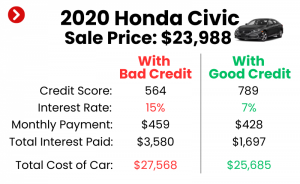
The interest rate is perhaps the most significant factor impacted by your credit score. A higher score typically translates to a lower interest rate, which means you’ll pay less in total interest over the life of the loan. Even a seemingly small difference in interest percentage can save you hundreds, if not thousands, of dollars.
The Credit Score Spectrum: Where Does 720 Fit?
Credit scores are generally categorized into ranges, each indicating a different level of creditworthiness. While these ranges can vary slightly between credit bureaus (Experian, Equifax, TransUnion) and scoring models (FICO, VantageScore), the general breakdown is as follows:
- Excellent: 800-850
- Very Good: 740-799
- Good: 670-739
- Fair: 580-669
- Poor: 300-579
Based on this widely accepted spectrum, a 720 credit score firmly places you in the "Good" category. In some more generous classifications, it might even touch the lower end of "Very Good." This is a strong position to be in when seeking a car loan.
Decoding 720: Is It Truly "Good" for a Car Loan? The Definitive Answer
The short and emphatic answer is yes, 720 is a very good credit score for a car loan. It signifies a borrower who has demonstrated consistent financial responsibility. Lenders view a 720 score favorably, as it indicates a low risk of default and a high likelihood of on-time payments.
This score puts you in an excellent position to qualify for competitive interest rates and favorable loan terms. You’re likely to receive offers that are significantly better than what someone with a fair or poor credit score would receive, and often very close to the best rates available to those with excellent credit.
The Tangible Benefits of a 720 Credit Score for Your Auto Loan
Having a 720 credit score doesn’t just mean "good chances"; it translates into concrete advantages that can save you money and provide flexibility.
Lower Interest Rates
This is arguably the most significant benefit. With a 720 score, lenders will typically offer you their prime interest rates, or very close to them. A lower interest rate means your monthly payments will be more affordable, and the total amount you pay back over the life of the loan will be substantially reduced. This difference can easily amount to hundreds or even thousands of dollars in savings.
Better Loan Terms
Beyond interest rates, a 720 score gives you access to more flexible loan terms. Lenders might be more willing to offer longer repayment periods, which can lower your monthly payment further (though it increases total interest paid). They may also be less stringent on other requirements, making the approval process smoother.
Increased Negotiation Power
Knowing you have a strong credit score empowers you. When you walk into a dealership or speak with a lender, you’re not just hoping for an approval; you’re expecting excellent terms. This confidence allows you to negotiate more effectively, not just on the price of the car, but also on the financing package itself.
Wider Range of Lenders and Vehicle Choices
Lenders are eager to do business with financially responsible individuals. A 720 score opens up doors to a broader spectrum of lenders, including traditional banks, credit unions, and online lenders, all vying for your business. This competition works in your favor, as you can shop around for the best offer. Furthermore, a strong credit score can give you more flexibility in choosing the vehicle you desire, as lenders will be more comfortable financing higher-value cars.
Beyond the Score: Other Crucial Factors Lenders Consider
While a 720 credit score is a fantastic starting point, it’s crucial to understand that lenders look at the complete financial picture. Based on my experience in the auto finance world, a credit score is a major piece of the puzzle, but not the only one. Here are other significant factors that influence your car loan approval and terms:
Debt-to-Income (DTI) Ratio
Your DTI ratio is a percentage that compares your total monthly debt payments to your gross monthly income. Lenders use it to determine if you can comfortably afford an additional loan payment. A lower DTI ratio indicates that you have more disposable income to manage new debt, making you a less risky borrower. Even with a 720 score, a very high DTI could make lenders hesitant.
- Pro Tip: Most lenders prefer a DTI ratio below 36%, though some might go up to 43% for strong applicants. Calculating your DTI before applying gives you a clear picture of your financial standing. You can calculate it by dividing your total monthly debt payments (including rent/mortgage, credit cards, student loans, etc.) by your gross monthly income.
Loan-to-Value (LTV) Ratio
The LTV ratio compares the amount you’re borrowing to the market value of the vehicle. If you’re borrowing $20,000 for a car valued at $20,000, your LTV is 100%. If you make a $5,000 down payment on that same car, you’re only borrowing $15,000, making your LTV 75%. A lower LTV ratio means less risk for the lender, as they have more collateral should you default.
Down Payment Amount
A significant down payment directly reduces your LTV ratio and signals your commitment to the purchase. Even with a 720 credit score, a larger down payment can further improve your loan terms, potentially lowering your interest rate even more. It also reduces the total amount you need to finance, cutting down on overall interest paid.
Loan Term (Duration)
The length of your loan, typically measured in months, affects both your monthly payment and the total interest you’ll pay. Shorter terms (e.g., 36 or 48 months) usually come with lower interest rates but higher monthly payments. Longer terms (e.g., 60 or 72 months) reduce monthly payments but often result in higher overall interest paid. Lenders assess if the proposed loan term aligns with the vehicle’s depreciation and your ability to repay.
Vehicle Age and Type
Lenders consider the vehicle itself. New cars often qualify for better rates than used cars because they hold their value longer and are less likely to require immediate costly repairs. The type of vehicle also matters; luxury or high-performance cars might be viewed differently than standard economy vehicles due to their resale value and potential for higher maintenance costs.
Current Economic Conditions
Broader economic factors, such as the prime interest rate set by the Federal Reserve, also play a role. When interest rates are generally high, even borrowers with excellent credit scores will see higher auto loan rates than they would during periods of low interest rates. This is largely outside your control but is an important context.
Maximizing Your 720 Score for the Best Car Loan Deal
Having a 720 credit score puts you in an enviable position, but you still need to be strategic to secure the absolute best deal. Don’t just settle for the first offer.
1. Get Pre-Approved
Based on my experience, this is the single most powerful step you can take. Pre-approval means a lender has reviewed your credit and financial information and offered you a specific loan amount at a particular interest rate, before you even step foot in a dealership. This transforms you from a casual shopper into a cash buyer.
- Pro Tip: Seek pre-approval from multiple lenders – banks, credit unions, and online lenders. This allows you to compare offers without pressure and gives you a strong negotiating chip when dealing with the dealership’s finance department. Many lenders offer soft credit checks for pre-approval that won’t impact your score.
2. Shop Around for Lenders
Don’t limit yourself to the dealership’s financing options. While dealerships can sometimes offer competitive rates, especially on new cars with manufacturer incentives, they are not always the best. Credit unions, in particular, are known for offering very competitive auto loan rates to their members. Online lenders have also become increasingly popular for their streamlined application processes and often favorable terms.
3. Negotiate the Car Price Separately
A common mistake is to negotiate the monthly payment rather than the total price of the car. Dealerships can manipulate loan terms (like extending the length) to make monthly payments seem affordable, even if you’re paying too much for the vehicle or for the interest. With your pre-approval in hand, you know your financing rate. This allows you to focus solely on getting the best price for the car itself, and then applying your pre-approved loan to that price.
4. Consider a Down Payment (Even with a Strong Score)
Even with a 720 credit score, a down payment can further sweeten your deal. It reduces the amount you need to borrow, lowers your monthly payments, and can sometimes even qualify you for an even lower interest rate. A down payment also creates equity in your vehicle from day one, which is a smart financial move.
5. Review Your Credit Report for Accuracy
Before you even start applying, pull your credit report from all three major bureaus (you can do this for free once a year at AnnualCreditReport.com). Check for any errors or inaccuracies that could be dragging your score down. Disputing and correcting these can sometimes give your score a slight boost, ensuring lenders see the most accurate representation of your creditworthiness. This is crucial even with a good score, as a small error could prevent you from getting the absolute best rates.
6. Keep Loan Terms Shorter (If Affordable)
While longer loan terms offer lower monthly payments, they significantly increase the total interest paid over the life of the loan. With a 720 score, you’re likely to qualify for excellent rates on shorter terms. If your budget allows, opting for a 36- or 48-month loan instead of a 60- or 72-month loan will save you a substantial amount in interest costs.
- Internal Link: For more details on managing your credit, you might find our article, "Understanding Your Credit Report: A Comprehensive Guide," helpful.
What If Your Score Isn’t 720 (Yet)? Strategies for Improvement
Perhaps your score is a little lower than 720, or you’re aiming for even higher. The good news is that credit scores are dynamic and can be improved with consistent effort. Common mistakes to avoid include missing payments, maxing out credit cards, and applying for too much new credit at once.
Here are key strategies to boost your credit score:
-
Pay All Bills on Time, Every Time: Payment history is the most significant factor in your credit score. Set up automatic payments or reminders to ensure you never miss a due date.
-
Reduce Credit Utilization: This refers to the amount of credit you’re using compared to your total available credit. Aim to keep your credit utilization below 30% on all your credit cards. Lower is always better; ideally, aim for under 10%.
-
Avoid Opening Too Many New Accounts: Each new credit application results in a hard inquiry on your credit report, which can temporarily lower your score. Only apply for credit when absolutely necessary.
-
Address Any Errors on Your Credit Report: As mentioned earlier, regularly checking your credit report and disputing any inaccuracies can positively impact your score.
-
Maintain a Long Credit History: The longer your credit accounts have been open and in good standing, the better it is for your score. Avoid closing old, unused credit card accounts unless absolutely necessary.
-
Diversify Your Credit Mix: Having a mix of different types of credit (e.g., credit cards, installment loans like student loans or mortgages) can positively influence your score, showing you can manage various forms of debt responsibly.
-
Internal Link: If you’re looking to reduce your debt burden, our guide "Strategies to Improve Your Debt-to-Income Ratio" offers practical advice.
Real-World Scenarios and Expectations with a 720 Credit Score
Let’s illustrate how a 720 score, combined with other factors, can play out in real-world auto loan scenarios:
Scenario A: The Ideal Candidate
Sarah has a 720 credit score, a stable job with a low DTI (25%), and a 15% down payment saved. She gets pre-approved from her credit union at an excellent 4.5% APR for a 60-month loan on a new car. She then uses this offer to negotiate a slightly better rate (4.25%) at the dealership, who wants her business. She drives away with a great car and an affordable monthly payment.
Scenario B: The Good Score, But Other Challenges
Mark also has a 720 credit score, but he recently bought a house, increasing his DTI to 45%. He also has limited cash for a down payment (only 5%). While he still gets approved for a car loan, the interest rate offered is 6.0% APR, slightly higher than Sarah’s, because lenders perceive a higher risk due to his DTI and lower equity in the vehicle. He opts for a 72-month loan to keep payments manageable, knowing he’ll pay more interest overall.
Pro tips from us: These scenarios highlight that while 720 is a strong score, your overall financial picture matters. Lenders assess risk holistically. Always strive to improve your DTI and make a down payment if possible, even with excellent credit.
Conclusion: Your 720 Credit Score is a Powerful Asset for a Car Loan
To definitively answer the question, yes, a 720 is a good credit score for a car loan – in fact, it’s a very strong one. It positions you to secure highly competitive interest rates and favorable loan terms, saving you money and providing financial flexibility. Lenders will view you as a responsible and low-risk borrower, eager to offer you their best products.
However, remember that your credit score is one piece of a larger financial puzzle. Factors like your debt-to-income ratio, down payment, and loan terms also significantly impact your overall deal. By combining your excellent 720 score with smart strategies like getting pre-approved, shopping around for lenders, and negotiating effectively, you can truly maximize your savings and drive away with the best possible auto loan.
Don’t let your strong credit score go to waste. Arm yourself with knowledge, prepare your finances, and approach your next car purchase with confidence. Your 720 credit score is a powerful asset – use it wisely to unlock your best auto financing deals today!