Is a 9 Percent Car Loan Good? Navigating Auto Financing in Today’s Market
Is a 9 Percent Car Loan Good? Navigating Auto Financing in Today’s Market Carloan.Guidemechanic.com
Buying a car is a significant financial decision, and for most people, it involves securing an auto loan. The interest rate you qualify for can dramatically impact the total cost of your vehicle over its lifetime. When you’re presented with a 9 percent car loan, it naturally sparks questions: Is this a good rate? What does it mean for my financial future? And what steps can I take to ensure I’m getting the best possible deal?
As an expert blogger and someone deeply familiar with the nuances of auto financing, I understand the complexities involved. This comprehensive guide is designed to demystify the 9 percent car loan, exploring everything from what influences interest rates to strategies for securing more favorable terms. Our ultimate goal is to equip you with the knowledge to make an informed, confident decision that aligns with your financial well-being. Let’s dive deep into the world of auto loans and uncover what a 9 percent rate truly signifies.
Is a 9 Percent Car Loan Good? Navigating Auto Financing in Today’s Market
What Does a 9 Percent Car Loan Really Mean?
At its core, a 9 percent car loan signifies the annual interest rate you will pay on the money borrowed to purchase your vehicle. This percentage dictates how much extra you’ll pay on top of the principal amount over the loan’s term. While 9% might seem like just a number, its impact on your monthly payments and the total cost of ownership is substantial.
To truly understand if 9% is a "good" rate, we must consider it within the broader context of the current auto loan market. Interest rates are dynamic, fluctuating based on economic conditions, the Federal Reserve’s policies, and the competitive landscape among lenders. What was considered a high rate a few years ago might be average today, and vice versa.
Generally speaking, car loan interest rates can range widely, from as low as 0-3% for buyers with impeccable credit and special manufacturer offers, to upwards of 20% or more for individuals facing significant credit challenges. A 9 percent car loan, therefore, typically falls somewhere in the middle to upper-middle range of this spectrum. It’s often encountered by borrowers with fair to average credit scores, or those with good credit but specific circumstances like a very long loan term or a high debt-to-income ratio.
Factors Influencing Your Car Loan Interest Rate
Several key elements come together to determine the interest rate you’re offered on a car loan. Understanding these factors is crucial, as it empowers you to identify areas where you might improve your standing or negotiate more effectively. No single factor acts in isolation; rather, it’s a delicate balance that lenders assess.
Your Credit Score: The Cornerstone of Lending
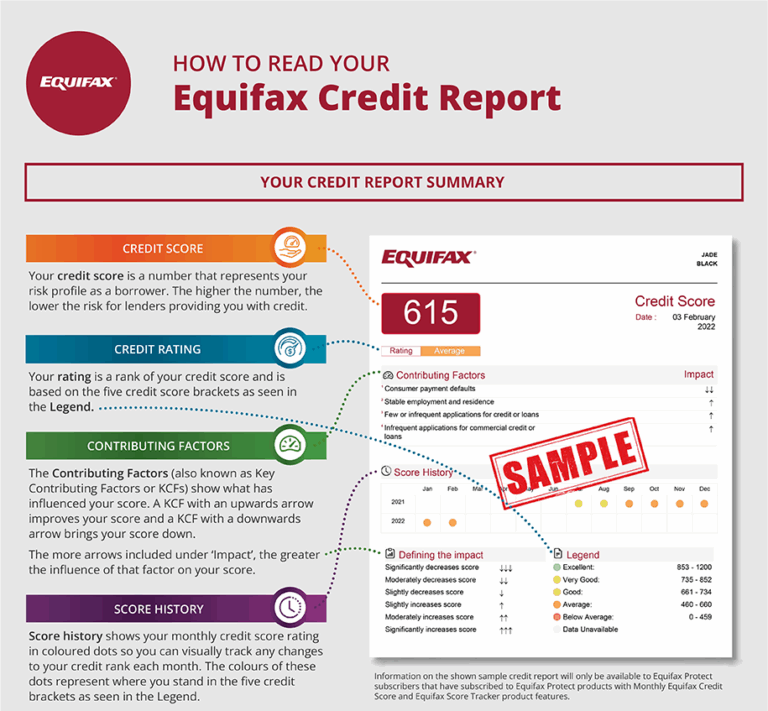
Your credit score is arguably the most significant factor lenders consider when evaluating your loan application. This three-digit number, primarily FICO or VantageScore, acts as a snapshot of your financial reliability and history of managing debt. A higher credit score signals a lower risk to lenders, making them more willing to offer competitive, lower interest rates.
For instance, borrowers with excellent credit (typically 780+) might qualify for rates below 5%, sometimes even 0% APR promotions. As your credit score moves into the good (670-739) or fair (580-669) categories, the perceived risk increases, and so do the interest rates. A 9 percent car loan often sits in the realm of fair to good credit, reflecting a moderate level of risk from the lender’s perspective.
Debt-to-Income (DTI) Ratio: Your Financial Bandwidth
Your debt-to-income (DTI) ratio is another critical metric that lenders scrutinize. This ratio compares your total monthly debt payments to your gross monthly income, providing insight into your ability to handle additional debt. A lower DTI indicates that you have more disposable income available to cover your loan payments, making you a more attractive borrower.
Lenders prefer to see a DTI ratio below 36%, though some may approve loans with a higher DTI depending on other factors. If your DTI is high, even with a decent credit score, a lender might offer a higher interest rate, such as 9%, to compensate for the increased risk that you might struggle with payments. Based on my experience, a high DTI is a common overlooked reason for higher interest rates, even for otherwise responsible borrowers.
Loan Term: The Length of Your Commitment
The loan term refers to the duration over which you agree to repay the loan, typically expressed in months (e.g., 36, 60, 72, or even 84 months). While a longer loan term means lower monthly payments, it almost always results in a higher total amount of interest paid over the life of the loan. Lenders often charge higher interest rates for longer terms because they are taking on more risk over an extended period.
Furthermore, a longer term means the car depreciates more significantly before the loan is fully repaid, increasing the risk of negative equity. If you’re considering a 9 percent car loan, carefully evaluate how the loan term impacts both your monthly budget and the overall cost. A shorter term, even with slightly higher monthly payments, can save you a substantial amount in interest.
Down Payment: Your Initial Investment
Making a substantial down payment is one of the most effective ways to secure a lower interest rate. A larger down payment reduces the amount you need to borrow, which in turn reduces the lender’s risk. When you have more equity in the car from day one, you are less likely to default on the loan.
Pro tips from us: Aim for at least a 10-20% down payment, if feasible. Not only can it lead to a better interest rate, potentially bringing that 9% down, but it also helps you avoid being "upside down" on your loan, where you owe more than the car is worth. This financial cushion offers peace of mind and greater flexibility down the road.
Vehicle Type and Age: Depreciation and Risk
The type of vehicle you’re financing also plays a role in the interest rate you receive. New cars often qualify for lower rates than used cars because they depreciate at a more predictable rate, and lenders perceive them as less risky. Used cars, especially older models, carry higher risk due to potential mechanical issues and faster depreciation, leading to higher interest rates.
A 9 percent car loan for a new vehicle might be considered high for someone with good credit, whereas the same rate for an older used car could be more typical, reflecting the higher risk associated with its age and condition.
Economic Conditions: The Broader Market Picture
Beyond your personal financial profile, broader economic conditions significantly influence prevailing interest rates. When the Federal Reserve raises its benchmark interest rates, the cost of borrowing for banks increases, and these higher costs are often passed on to consumers in the form of higher loan rates. Conversely, during periods of economic stimulus, rates tend to be lower.
This means that a 9 percent car loan might be considered high during a period of historically low interest rates, but it could be seen as an average or even favorable rate during times when the overall interest rate environment is higher. It’s always wise to research the current average auto loan rates before you start shopping.
Lender Type: Where You Borrow Matters
Not all lenders are created equal, and their lending criteria and rates can vary widely. You can secure auto financing through various channels:
- Banks: Traditional banks often offer competitive rates to customers with good credit, especially existing account holders.
- Credit Unions: These member-owned institutions are known for offering some of the most competitive rates, often beating banks, due to their non-profit structure.
- Online Lenders: A growing number of online platforms specialize in auto loans, offering convenience and quick approvals, often with competitive rates.
- Dealership Financing: While convenient, dealership financing often involves the dealer acting as an intermediary, potentially marking up the interest rate they received from a third-party lender.
Pro tips from us: Always get pre-approved for a loan from at least one or two independent lenders (banks or credit unions) before stepping foot in a dealership. This gives you a benchmark and strengthens your negotiating position, preventing you from accepting a potentially higher 9 percent car loan rate offered by the dealer.
Is a 9 Percent Car Loan a Good Deal for You?
The question of whether a 9 percent car loan is a "good deal" is highly personal and depends entirely on your unique financial situation and credit profile. There’s no one-size-fits-all answer, as what’s acceptable for one borrower might be considered poor for another.
For Borrowers with Excellent Credit (780+ FICO)
If you boast an excellent credit score, a 9 percent car loan is likely not a good deal for you. With a pristine credit history, you should easily qualify for much lower rates, often in the 0-5% range, particularly on new cars. Accepting a 9% rate would mean paying significantly more interest than necessary, essentially leaving money on the table. In this scenario, you should actively shop around for better offers.
For Borrowers with Good Credit (670-739 FICO)
For individuals with good credit, a 9 percent car loan is generally on the higher side of average, but might be acceptable under specific circumstances. Perhaps you have a high DTI ratio, are financing a very old used car, or are taking out a very long loan term. While you might qualify for rates closer to 6-8%, a 9% offer isn’t an immediate red flag, but it certainly indicates room for improvement. It’s crucial to explore all your options and negotiate vigorously.
For Borrowers with Fair/Average Credit (580-669 FICO)
If your credit score falls into the fair or average category, a 9 percent car loan could be considered a reasonable offer. Borrowers in this tier often face higher rates due to past credit challenges, such as late payments, collections, or limited credit history. While not ideal, a 9% rate might be a stepping stone to improving your credit and securing better rates in the future. Based on my experience, for many in this credit range, securing financing at all can be the primary hurdle, making 9% a viable option.
For Borrowers with Poor/Bad Credit (Below 580 FICO)
For those with poor or bad credit, a 9 percent car loan could be an exceptionally good offer. Individuals with significant credit issues often see rates soaring into the double digits, sometimes even above 20%. In such cases, a 9% rate represents a much more manageable cost of borrowing and indicates a lender willing to take on higher risk. It’s an opportunity to acquire a necessary vehicle while simultaneously working to rebuild your credit for future financial endeavors.
The opportunity cost of accepting a 9% rate, especially if you have better credit, is the additional money you’ll pay in interest over the life of the loan. This money could otherwise be used for savings, investments, or other financial goals. Always weigh the monthly payment against the total cost of the loan.
Strategies to Potentially Lower Your Car Loan Interest Rate (Even from 9%)
Even if you’ve been offered a 9 percent car loan, there are proactive steps you can take to try and secure a better rate or at least mitigate its impact. Strategic planning and informed action can save you thousands over the life of your loan.
1. Improve Your Credit Score
This is often the most impactful long-term strategy. Even a small improvement in your credit score can shift you into a better rate tier.
- Pay Bills on Time: Payment history is the largest factor in your credit score.
- Reduce Existing Debt: Especially revolving credit like credit cards. Lowering your credit utilization ratio (how much credit you’re using vs. available) can significantly boost your score.
- Check Your Credit Report for Errors: Mistakes can unfairly drag down your score. You can get free copies of your credit report from AnnualCreditReport.com. For more details on improving your credit score, check out our guide on .
2. Increase Your Down Payment
As discussed earlier, a larger down payment reduces the principal amount you need to borrow and lowers the lender’s risk. If you can save up an additional few thousand dollars, it could be the key to moving from a 9% rate to something significantly lower. Every dollar you put down is a dollar you don’t pay interest on.
3. Shorten the Loan Term
While longer terms mean lower monthly payments, they come with higher total interest. If your budget allows, opting for a shorter loan term (e.g., 48 or 60 months instead of 72 or 84) can often result in a lower interest rate, as lenders perceive less risk over a shorter period. It’s a balance between affordability and overall cost.
4. Shop Around for Lenders
Never take the first loan offer you receive, especially if it’s 9% and you believe you deserve better. This is perhaps the most immediate and effective strategy.
- Banks: Contact your current bank and other major banks.
- Credit Unions: These are often excellent sources for competitive rates.
- Online Lenders: Websites like Capital One Auto Finance, LightStream, or PenFed Credit Union can provide quick pre-approvals.
Pro tips from us: Aim to get at least three pre-approvals within a 14-day window. Credit bureaus treat multiple inquiries within this period as a single inquiry for rate shopping, minimizing the impact on your score. This allows you to compare offers directly.
5. Consider a Co-signer
If your credit isn’t strong enough to secure a lower rate on your own, a co-signer with excellent credit can significantly improve your chances. A co-signer agrees to be equally responsible for the loan, reducing the lender’s risk. However, this is a serious commitment for the co-signer, as any missed payments will negatively affect their credit, too. Common mistakes to avoid are not fully discussing the responsibilities and potential risks with your co-signer beforehand.
6. Refinance Your Car Loan Later
If you accept a 9 percent car loan now due to current credit limitations or market conditions, you don’t have to be stuck with it forever. As you make consistent, on-time payments, your credit score will likely improve. After 6-12 months, you can explore refinancing your car loan. Many borrowers successfully refinance into lower rates once their financial situation strengthens, potentially shaving several percentage points off their initial rate. This is a powerful strategy for long-term savings.
The Car Loan Application Process: What to Expect
Navigating the car loan application process can seem daunting, but understanding the steps involved makes it much smoother. Being prepared can also help you avoid common pitfalls and secure better terms.
- Check Your Credit Score and Report: Before you even think about a car, get a clear picture of your credit health. This helps you anticipate the rates you might qualify for and spot any errors.
- Determine Your Budget: Don’t just think about the monthly payment. Factor in insurance, fuel, maintenance, and the total cost of the loan. Use online calculators to estimate payments at various interest rates and terms.
- Gather Necessary Documents: Lenders will typically ask for proof of income (pay stubs, tax returns), proof of residence (utility bill), identification (driver’s license), and details about the vehicle if you’ve chosen one.
- Get Pre-Approved: As mentioned, securing pre-approval from banks or credit unions before visiting a dealership is a crucial step. It gives you concrete loan terms and a maximum amount you can borrow, empowering you to negotiate on the car price separately.
- Review the Loan Offer: Carefully read all the terms and conditions. Look beyond the interest rate for any hidden fees, prepayment penalties, or unexpected clauses. Understand the total amount you’ll pay over the life of the loan.
- Sign the Papers: Once you’re satisfied with both the car and the loan terms, you’ll sign the final documents. Make sure you receive copies of everything.
We also have an in-depth article discussing that provides further insights into the pros and cons of different financing avenues.
Calculating Your 9 Percent Car Loan Payments
Understanding how a 9 percent interest rate translates into actual monthly payments and total cost is essential. While online loan calculators are widely available and highly recommended, a basic understanding of amortization can be helpful.
Let’s consider a simplified example:
- Loan Amount: $25,000
- Interest Rate: 9% APR
- Loan Term: 60 months (5 years)
Using a standard car loan calculator, your estimated monthly payment would be around $518. Over the 60-month term, you would pay back approximately $31,080. This means you’d pay roughly $6,080 in interest alone.
Now, imagine if you could lower that rate to 6% through savvy shopping or a higher down payment. For the same $25,000 loan over 60 months at 6% APR, your monthly payment drops to about $483, and the total interest paid would be around $3,980. That’s a saving of over $2,000! This example vividly illustrates why even a few percentage points can make a significant difference in the total cost of your 9 percent car loan.
Common Mistakes to Avoid When Getting a Car Loan
Navigating the auto loan process can be complex, and it’s easy to fall into common traps that can cost you money and stress. Being aware of these mistakes is the first step toward avoiding them.
- Not Checking Your Credit Score First: Many people jump into car shopping without understanding their credit standing. This leaves them vulnerable to whatever rate a dealer offers, without knowing if it’s competitive for their profile. Always know your score before you start.
- Focusing Only on Monthly Payments: Dealerships often try to "sell" you on a monthly payment rather than the total cost or the actual car price. A low monthly payment might sound appealing, but it often comes with an extended loan term and a much higher total interest paid.
- Skipping the Pre-Approval Process: As highlighted, getting pre-approved from outside lenders gives you leverage. Without it, you’re negotiating blindly and might accept a less favorable 9 percent car loan simply because it’s convenient.
- Not Negotiating the Car Price and Loan Terms Separately: These are two distinct transactions. Negotiate the best possible price for the vehicle first, as if you were paying cash. Only then should you discuss financing, comparing the dealer’s offer to your pre-approvals. Combining them often leads to confusion and higher overall costs.
- Ignoring the Total Cost of the Loan: Always look at the full picture. The interest rate, loan term, and any fees all contribute to the overall amount you’ll pay. A lower interest rate on a longer term might still mean more total interest than a slightly higher rate on a shorter term.
- Falling for Unnecessary Add-ons: Be wary of high-pressure sales tactics for extended warranties, GAP insurance (which can be important but often cheaper elsewhere), or other protection plans. While some may be valuable, understand what you’re buying and if it’s truly necessary.
Conclusion: Making an Informed Decision About Your 9 Percent Car Loan
Securing a car loan, especially one at 9 percent, requires careful consideration and a thorough understanding of all the contributing factors. It’s not simply about whether the number itself is "good" or "bad," but how it aligns with your personal financial health, credit profile, and the prevailing economic climate. For some, a 9 percent car loan might be a stepping stone, while for others, it could signify missed opportunities for lower rates.
By understanding the impact of your credit score, debt-to-income ratio, down payment, and loan term, you empower yourself to navigate the complexities of auto financing. Remember to always shop around for the best rates, leverage pre-approvals, and never hesitate to negotiate. Your proactive approach can significantly reduce the total cost of your vehicle and ensure your auto loan supports, rather than hinders, your financial goals.
Don’t let the process intimidate you. Armed with this comprehensive knowledge, you are now better equipped to make a smart, confident decision about your next car loan. Share your experiences or questions in the comments below – your insights can help others on their car buying journey!