Is a Car Loan a Good Idea? Navigating the Road to Smart Car Financing
Is a Car Loan a Good Idea? Navigating the Road to Smart Car Financing Carloan.Guidemechanic.com
Buying a car is a significant milestone for many, offering freedom, convenience, and sometimes, a touch of personal style. For most people, outright cash payment isn’t a feasible option, leading them to consider car loans. But the question remains: Is a car loan a good idea? This isn’t a simple yes or no answer; it’s a nuanced financial decision that depends heavily on your personal circumstances, the current economic climate, and your understanding of how these loans truly work.
As an expert blogger and someone deeply familiar with personal finance and consumer lending, I’ve seen firsthand the benefits and pitfalls associated with auto financing. Our goal with this comprehensive guide is to cut through the jargon, provide actionable insights, and empower you to make an informed decision that aligns with your financial well-being. By the end of this article, you’ll have a clear understanding of when a car loan can be a smart move and when it might be best to explore other options.
Is a Car Loan a Good Idea? Navigating the Road to Smart Car Financing
Understanding Car Loans: The Basics You Need to Know
Before we dive into the "good idea" debate, let’s lay the groundwork. What exactly is a car loan, and how does it function? Essentially, a car loan is a sum of money borrowed from a financial institution to purchase a vehicle, which you then repay over a set period, typically with interest.
This borrowed amount is called the principal. The interest is the cost you pay for borrowing the money, usually expressed as an Annual Percentage Rate (APR). The loan term refers to the duration over which you agree to repay the loan, often ranging from 36 to 84 months. Your monthly payment covers both a portion of the principal and the accrued interest.
Most car loans are "secured loans," meaning the car itself acts as collateral. If you fail to make your payments, the lender has the right to repossess the vehicle to recover their losses. This inherent risk for the lender is why interest rates on car loans are often more favorable than those on unsecured personal loans. Understanding these fundamental elements is crucial before you even consider applying.
The Upsides: When a Car Loan IS a Good Idea
Despite the common advice to avoid debt, a car loan isn’t inherently bad. In fact, under the right circumstances, it can be a very practical and strategic financial tool. Let’s explore the key advantages.
1. Accessibility to Essential Transportation
For many, a car is not a luxury but a necessity. It’s vital for commuting to work, taking children to school, running errands, or accessing healthcare. If you don’t have enough cash saved to buy a car outright, a loan provides immediate access to reliable transportation that supports your daily life and earning potential.
Without a car, your employment opportunities might be limited, or your daily routine could become incredibly inefficient. A car loan bridges the gap, allowing you to secure a vehicle when you need it most, ensuring you remain productive and connected. This immediate utility often outweighs the cost of interest for those in genuine need.
2. Preserving Your Cash Flow and Savings
One of the most compelling reasons to opt for a car loan is to protect your hard-earned savings. Draining your emergency fund or investment accounts to buy a car can leave you financially vulnerable. Life is unpredictable, and having liquid cash readily available for unexpected expenses, like medical emergencies or job loss, is paramount.
A car loan allows you to spread the cost of the vehicle over several years, keeping your significant savings intact. This approach helps maintain your financial stability and ensures you have a safety net for unforeseen circumstances. It’s a strategic way to manage a large purchase without compromising your overall financial health.
3. Opportunity Cost: Investing Your Cash Elsewhere
When you tie up a large sum of money in a depreciating asset like a car, you miss out on potential gains elsewhere. If you have cash that could be invested in assets with a higher rate of return than your car loan’s interest rate, then financing the car might be a smart move. This is the concept of opportunity cost.
For example, if your car loan has an APR of 5% and you can consistently earn an 8-10% return in a diversified investment portfolio, it makes more financial sense to invest your cash and take out the loan. You’re effectively using the bank’s money to acquire an asset while your own money works harder for you. This requires careful calculation and a good understanding of investment risks.
4. Building Your Credit History
For individuals with limited credit history or those looking to improve their credit score, a car loan can be an excellent vehicle (pun intended). Successfully managing and repaying a car loan on time demonstrates responsible borrowing behavior to credit bureaus. This positive payment history contributes significantly to building a strong credit score.
A robust credit score opens doors to better interest rates on future loans, such as mortgages or personal loans, and can even impact insurance premiums. It shows lenders you are reliable. Based on my experience, consistently making timely payments on a secured loan like a car loan is one of the most effective ways to establish a positive credit profile, provided you don’t overextend yourself.
5. Spreading Out the Cost
A car is a substantial purchase, often costing tens of thousands of dollars. Paying this amount upfront can be a huge strain on your budget. A car loan allows you to break down this large expense into manageable monthly payments that fit within your regular budget.
This approach makes car ownership more accessible and less financially daunting. It prevents you from having to save for an extended period, which might delay your need for a vehicle. Spreading the cost makes big-ticket items achievable without causing immediate financial stress.
The Downsides: When a Car Loan Might NOT Be a Good Idea
While there are clear advantages, car loans also come with significant drawbacks that can impact your financial health if not approached carefully. It’s crucial to be aware of these potential pitfalls.
1. The Cost of Interest
The most obvious downside of any loan is the interest you pay. While it might seem like a small percentage, over several years, the total interest paid can add up to thousands of dollars, significantly increasing the overall cost of your car. This money goes directly to the lender and doesn’t contribute to the value of your vehicle.
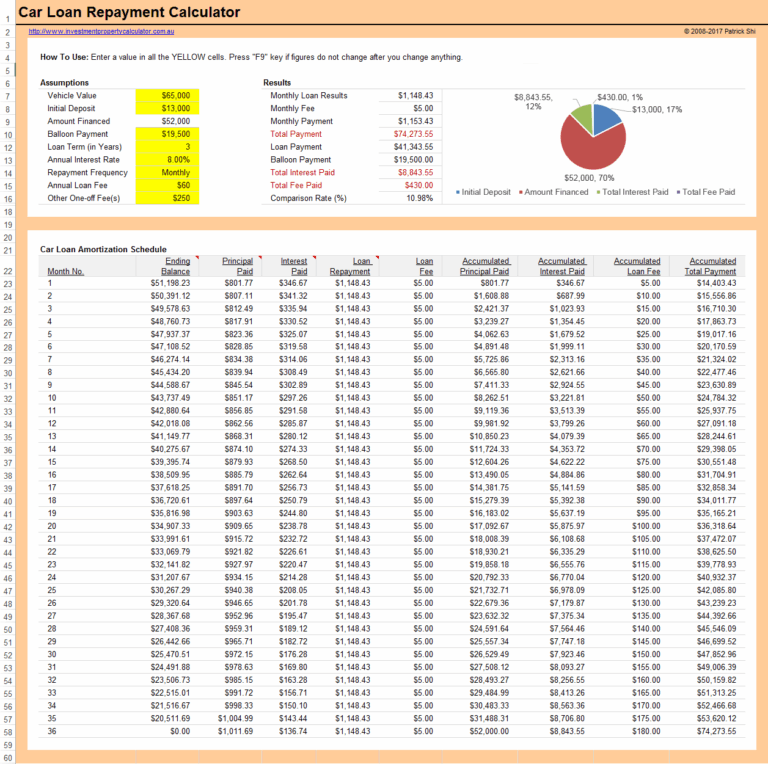
For example, a $30,000 car financed at 6% APR over 60 months will cost you over $4,800 in interest alone. That’s money that could have been saved, invested, or used for other expenses. This additional cost is the price you pay for the convenience of immediate ownership.
2. Depreciation: A Rapid Loss of Value
Cars are depreciating assets, meaning their value decreases significantly over time. In fact, a new car can lose 10-20% of its value in the first year alone, and up to 60% over five years. When you finance a car, you’re taking on a debt for an asset that is quickly losing value.
This creates a situation where you might owe more on the loan than the car is actually worth, a condition known as "negative equity" or being "upside down" on your loan. This is particularly risky if you need to sell the car before the loan is paid off, as you’ll still owe the difference to the lender.
3. The Burden of Debt
Taking on a car loan adds another monthly obligation to your budget. This debt burden can limit your financial flexibility, making it harder to save for other goals, invest, or handle unexpected expenses. A high debt-to-income ratio can also impact your ability to qualify for other loans in the future, such as a mortgage.
Car loan payments are fixed and must be made regardless of your financial situation. If you lose your job or face a significant income reduction, those payments can become a source of immense stress and potentially lead to default and repossession. Debt, even "good debt," needs to be managed wisely.
4. Hidden Fees and Charges
Beyond the principal and interest, car loans can sometimes come with additional fees that inflate the overall cost. These might include origination fees, documentation fees, late payment penalties, or early payoff penalties. While many lenders are transparent, some fees might be buried in the fine print.
It’s essential to meticulously review your loan agreement and ask your lender about all potential charges. Understanding the true total cost of the loan, not just the monthly payment, is vital. Don’t be afraid to question anything you don’t understand.
5. Impact on Future Borrowing Capacity
Every loan you take out affects your credit utilization and debt-to-income ratio. Lenders assess these factors when you apply for new credit, such as a mortgage or a business loan. A large car loan, especially if it represents a significant portion of your income, can reduce your perceived ability to take on additional debt.
This could lead to being denied for future loans or being offered less favorable terms. It’s important to consider your broader financial goals and how a car loan fits into that picture. Don’t let a car loan jeopardize your chances of achieving bigger financial milestones.
Key Factors to Consider Before Taking a Car Loan
Deciding whether a car loan is a good idea requires a thorough assessment of several personal and financial factors. Don’t rush into a decision without considering these critical points.
1. Your Current Financial Situation
Before even looking at cars, take an honest look at your budget. What is your stable monthly income? What are your fixed expenses (rent, utilities, other loan payments)? How much discretionary income do you have? You need to determine how much you can realistically afford for a monthly car payment, including insurance, fuel, and maintenance, without straining your budget.
Pro tips from us: Create a detailed budget spreadsheet. Don’t just estimate; track your spending for a month or two to get an accurate picture. A good rule of thumb is that your total car-related expenses (payment, insurance, fuel, maintenance) should not exceed 10-15% of your net monthly income.
2. The Car’s Purpose: Need vs. Want
Is the car an absolute necessity for your livelihood and daily responsibilities, or is it primarily a desire for an upgrade or a luxury item? If it’s a critical tool for work or family, the justification for a loan might be stronger. If it’s a "want," consider if there are more financially prudent ways to achieve your goal, like saving up longer.
Understand that a basic, reliable used car can often serve the same purpose as a brand-new, expensive model, but with a much lower financial commitment. Distinguishing between genuine need and aspirational wants is a crucial step in responsible car financing.
3. Loan Terms: APR, Length, and Monthly Payment
These three elements are intrinsically linked. A lower Annual Percentage Rate (APR) means less interest paid overall. A shorter loan term means higher monthly payments but less total interest. A longer loan term means lower monthly payments but significantly more interest paid over the life of the loan and a higher risk of negative equity.
Don’t just focus on the monthly payment. Always ask for the total cost of the loan, including all interest and fees. Aim for the shortest loan term you can comfortably afford with the lowest possible APR. For more insights on managing debt, you might find our article on insightful. (Internal link placeholder)
4. The Importance of a Down Payment
Making a substantial down payment significantly reduces the amount you need to borrow, which in turn lowers your monthly payments and the total interest you’ll pay. It also helps to mitigate the risk of negative equity, as you start with more equity in the vehicle from day one.
Based on my experience, a down payment of at least 10-20% for a new car and 10% for a used car is highly recommended. The larger your down payment, the better your financial position will be throughout the loan term. It’s a direct way to save money and reduce risk.
5. Your Credit Score
Your credit score is a major determinant of the interest rate you’ll be offered. A higher credit score (generally above 700) indicates a lower risk to lenders, qualifying you for the best interest rates. A lower score will result in higher interest rates, costing you significantly more over the life of the loan.
Before applying for a car loan, check your credit report and score. If your score is low, consider taking steps to improve it, such as paying down other debts or correcting any errors on your report, before seeking financing. A few months of credit repair could save you thousands.
6. Insurance Costs and Other Ownership Expenses
Beyond the loan payment, remember to factor in car insurance, which can vary significantly based on the car’s value, your driving record, and your location. Fuel, routine maintenance, and potential repairs also add up. These are not optional expenses.
Many first-time car buyers or those upgrading overlook these ongoing costs, leading to budget strain down the road. Get insurance quotes before you commit to a car, and research typical maintenance costs for the specific make and model you’re considering.
Pro Tips for Securing the Best Car Loan
If, after careful consideration, you decide a car loan is the right path for you, these strategies will help you get the most favorable terms.
- Shop Around for Lenders: Don’t just accept the first offer, especially from the dealership. Banks, credit unions, and online lenders often have competitive rates. Get quotes from at least three different sources within a short period (usually 14-45 days, depending on the credit scoring model) to minimize the impact on your credit score.
- Get Pre-Approved: Obtaining pre-approval from a lender gives you a clear idea of how much you can borrow and at what interest rate before you even step foot in a dealership. This gives you significant leverage in negotiations, as you’re already a qualified buyer.
- Negotiate the Car Price Separately: When at the dealership, focus on negotiating the vehicle’s price first, separate from the financing. Once you agree on a price, then discuss the loan. Dealers sometimes try to make up for a low car price with unfavorable loan terms.
- Understand the Fine Print: Read every line of your loan agreement before signing. Pay close attention to the APR, total interest, any fees, prepayment penalties, and late payment clauses. If something isn’t clear, ask for clarification.
- Consider a Shorter Loan Term (If Affordable): While a longer term means lower monthly payments, it drastically increases the total interest paid. If your budget allows, opt for a 36- or 48-month loan over a 72- or 84-month one. You’ll save a substantial amount of money in the long run.
- Avoid Unnecessary Add-ons: Dealerships often push extended warranties, GAP insurance (if not needed), rustproofing, or fabric protection. While some might be beneficial, many are overpriced and can be purchased more cheaply elsewhere, or aren’t necessary at all. Evaluate each add-on critically.
- Explore Refinancing Options: If your credit score improves after you’ve taken out a loan, or if interest rates drop, you might be able to refinance your car loan for a lower APR. This can save you money over the remaining term of your loan.
Common Mistakes to Avoid When Taking a Car Loan
Even with the best intentions, it’s easy to fall into common traps. Being aware of these pitfalls can save you significant financial heartache.
- Focusing Only on Monthly Payments: Common mistakes to avoid are fixating solely on the monthly payment. While important for budgeting, a low monthly payment often comes with a longer loan term and much higher total interest paid. Always consider the total cost of the car and the loan.
- Not Budgeting for Total Ownership Costs: Many people forget to factor in insurance, fuel, maintenance, and potential repairs when calculating their car budget. This oversight can lead to unexpected financial strain. Always budget for the true cost of ownership.
- Taking Too Long a Loan Term: Extending a loan to 72 or 84 months might make the monthly payment seem affordable, but it significantly increases the total interest you’ll pay and keeps you in debt longer. It also increases the likelihood of being "upside down" on your loan.
- Ignoring Your Credit Score: Your credit score is your financial superpower when it comes to loans. Neglecting to check or improve it before applying means you’ll likely miss out on the best interest rates, costing you hundreds or even thousands of dollars.
- Skipping the Down Payment: While not always required, a zero-down payment loan is often a bad idea. It increases your loan amount, raises your monthly payments, and puts you at immediate risk of negative equity.
- Letting the Dealership Control the Financing: Always remember you have options outside the dealership. They make money on financing, so they might not always offer you the best terms. Be prepared with outside pre-approvals.
Alternatives to a Traditional Car Loan
If the downsides of a car loan outweigh the benefits for your situation, or if you simply prefer to avoid debt, there are viable alternatives worth considering.
1. Saving Up and Paying Cash
The most financially sound approach is to save up enough money to buy a car outright. This eliminates interest payments entirely, making the car significantly cheaper in the long run. You own the car free and clear from day one, giving you complete financial freedom and no monthly payments.
While it requires patience and discipline, paying cash is the only way to truly avoid the debt burden and hidden costs associated with financing. It also puts you in a stronger negotiating position with sellers.
2. Leasing a Car
Leasing is essentially long-term renting. You pay a monthly fee to drive a new car for a set period (typically 2-4 years) and mileage limit. At the end of the lease, you return the car or have the option to buy it. Leasing often results in lower monthly payments than buying and allows you to drive newer models more frequently.
However, you don’t build equity, and there are mileage restrictions and potential wear-and-tear fees. While it offers flexibility and lower upfront costs, it’s not a path to car ownership. For a deeper dive, read our comprehensive guide: . (Internal link placeholder)
3. Buying a Cheaper, Used Car
Instead of stretching your budget for a new vehicle, consider buying a reliable used car that fits within your budget, possibly even one you can pay for with cash. Used cars have already undergone the steepest depreciation, so you get more value for your money.
There are many excellent, well-maintained used cars available that can serve your transportation needs perfectly without the heavy financial burden of a new car loan. Websites like Edmunds (www.edmunds.com) offer great resources for researching used car values and reliability. (External link)
4. Public Transportation or Ride-Sharing
In urban areas, or for those with less frequent travel needs, public transportation, ride-sharing services (like Uber or Lyft), or even biking can be cost-effective alternatives to car ownership. The cumulative cost of car payments, insurance, fuel, maintenance, and parking can often far exceed these options.
Evaluate your actual transportation needs. If you only drive occasionally, or if robust public transport is available, avoiding car ownership altogether might be the smartest financial move.
The Final Verdict: Is a Car Loan a Good Idea?
So, is a car loan a good idea? The answer, as you’ve seen, is it depends. For many, a car loan is a necessary and beneficial tool that provides access to essential transportation, preserves vital cash flow, and can even help build a strong credit profile. When approached strategically, with a solid financial plan and careful research, a car loan can absolutely be a good idea.
However, a car loan can also be a significant financial burden if taken without due diligence. High interest rates, rapid depreciation, and the weight of monthly payments can lead to financial stress and negative equity. The key lies in understanding your personal financial situation, knowing your needs versus your wants, and meticulously evaluating all the options available to you.
Ultimately, the decision to take out a car loan should be a well-thought-out one, not an impulsive purchase driven by emotion or a desire for the latest model. By using the insights and strategies shared in this guide, you can confidently navigate the world of car financing and make a choice that truly serves your best interests. Drive smart, not just fast.