Is Getting a Car Loan a Good Idea? Unlocking the Smart Path to Vehicle Ownership
Is Getting a Car Loan a Good Idea? Unlocking the Smart Path to Vehicle Ownership Carloan.Guidemechanic.com
The open road, the scent of a new car interior, the freedom to go anywhere, anytime – owning a vehicle is a cornerstone of modern life for many. But for most, this dream doesn’t come with an immediate cash payment. Instead, it often involves navigating the world of car loans.
The question then arises: Is getting a car loan a good idea? It’s a question that weighs heavily on the minds of countless aspiring car owners. The answer, as with many significant financial decisions, isn’t a simple yes or no. It’s nuanced, depending heavily on your individual circumstances, financial health, and strategic approach.
Is Getting a Car Loan a Good Idea? Unlocking the Smart Path to Vehicle Ownership
This comprehensive guide will dive deep into the pros and cons of car loans, equip you with the knowledge to make an informed decision, and reveal the smart strategies that can turn a potential financial burden into a responsible and beneficial step towards vehicle ownership. By the end, you’ll have a clear roadmap to determine if a car loan is the right path for you.
The Irresistible Allure of Vehicle Ownership and the Role of Loans
For many, a car isn’t just a luxury; it’s a necessity. It’s the reliable transport to work, the lifeline for family errands, the means to explore new places, or simply a symbol of personal independence. The convenience, flexibility, and sometimes, the sheer joy of driving, are powerful motivators.
However, the cost of a vehicle, especially a new one, is substantial. A brand-new car can easily run into tens of thousands of dollars, a sum that few individuals have readily available in cash. This is where car loans step in, acting as the bridge between your desire for a car and your current financial reality.
Car loans make vehicle ownership accessible. They allow you to acquire a significant asset without depleting your entire savings or waiting years to accumulate the full purchase price. But while they open doors, they also introduce a commitment – a financial obligation that requires careful consideration.
When a Car Loan IS a Good Idea: Unpacking the Advantages
Under the right conditions and with a strategic approach, a car loan can indeed be a very good idea. It offers several compelling advantages that can align with your financial goals and lifestyle needs.
1. Accessibility and Immediate Mobility
Perhaps the most obvious benefit of a car loan is the immediate access it provides to a vehicle. You don’t have to save up the full purchase price over several years, which could leave you without essential transportation during that time. For many, a car is crucial for commuting to work, performing daily duties, or managing family responsibilities.
A loan allows you to meet these immediate mobility needs without delay. This can be especially vital in areas with limited public transportation, where a personal vehicle is the only practical way to get around.
2. Preserving Your Cash Flow and Emergency Savings
Paying for a car entirely in cash, while appealing in principle, might not always be the smartest financial move. It could mean draining your emergency fund or liquidating other important investments. A car loan, by spreading the cost over several months or years, allows you to keep your savings intact.
Pro tips from us: Maintaining a healthy emergency fund is paramount for financial security. Using a car loan can help you achieve vehicle ownership without compromising this critical safety net, ensuring you’re prepared for unexpected expenses beyond your car payments.
3. An Excellent Opportunity to Build Your Credit Score
For those looking to establish or improve their credit history, a car loan can be an invaluable tool. Consistently making on-time payments demonstrates financial responsibility to credit bureaus. This positive payment history contributes significantly to a higher credit score.
A robust credit score is crucial for future financial endeavors, such as securing a mortgage, obtaining personal loans, or even renting an apartment. Based on my experience, many first-time buyers leverage auto loans to establish their financial footprint, paving the way for larger financial goals down the line.
4. Access to Newer, More Reliable, and Safer Vehicles
Financing a car often enables you to afford a newer model than you might if you were paying cash upfront. Newer vehicles typically come with better safety features, more advanced technology, and are generally more reliable, meaning fewer unexpected repair costs in the initial years.
This can translate to greater peace of mind and potentially lower long-term maintenance expenses compared to an older, cheaper vehicle bought outright. Investing in a safer car is an investment in your well-being.
5. Predictable Fixed Monthly Payments for Easier Budgeting
Most car loans come with fixed interest rates and terms, meaning your monthly payment remains consistent throughout the loan period. This predictability is a huge advantage for budgeting. You know exactly how much you need to allocate each month for your car payment, making it easier to manage your overall finances.
This stability allows you to plan other expenses and savings goals without the uncertainty of fluctuating payment amounts.
When a Car Loan MIGHT NOT Be a Good Idea: Understanding the Downsides
While car loans offer compelling advantages, they also come with significant drawbacks that can lead to financial strain if not approached carefully. It’s crucial to understand these potential pitfalls before committing.
1. The Burden of Interest Costs
The most direct financial disadvantage of a car loan is the interest you pay. This is the cost of borrowing money, and it adds significantly to the total price of the vehicle. Over the life of a loan, especially with higher interest rates or longer terms, you could end up paying thousands of dollars more than the car’s sticker price.
Common mistakes to avoid are focusing solely on the lowest monthly payment without considering the total interest paid over the loan term. A lower monthly payment often means a longer loan term and, consequently, more interest paid overall.
2. Rapid Depreciation: A Sinking Asset
Unlike a home, which often appreciates in value, most cars depreciate rapidly. A new car can lose 10-20% of its value in the first year alone, and continue to lose value significantly in subsequent years. This means the car you’re paying for is quickly becoming worth less than what you owe on it.
This depreciation can create a challenging situation, especially if you need to sell the car before the loan is paid off.
3. The Weight of Debt and Financial Strain
Taking on a car loan adds to your overall debt burden. This monthly obligation can limit your financial flexibility, making it harder to save for other goals, invest, or handle unexpected expenses. If your income fluctuates or you face unforeseen financial challenges, car payments can become a significant source of stress.
Always assess your current debt-to-income ratio. A high ratio indicates that too much of your monthly income is going towards debt payments, leaving little room for discretionary spending or emergencies.
4. Risk of Negative Equity (Being "Upside Down")
Negative equity, also known as being "upside down" on your loan, occurs when you owe more on your car than its current market value. This is a common issue due to rapid depreciation, especially if you put down a small down payment or financed for a very long term.
If your car is totaled or stolen, your insurance payout might not cover the full loan amount, leaving you responsible for the difference. This situation can be particularly problematic if you need to sell the car and buy another one.
5. Impact on Future Borrowing Capacity
Every loan you take, including a car loan, affects your debt-to-income (DTI) ratio. Lenders use this ratio to assess your ability to manage monthly payments and repay debts. A high DTI can make it harder to qualify for other loans, like a mortgage, or result in less favorable interest rates for future borrowing.
Consider how a car loan might influence your ability to achieve other major financial milestones in the near future.
6. Potential for Hidden Fees and Penalties
Car loans can come with various fees that aren’t always immediately apparent. These might include origination fees, documentation fees, late payment penalties, or prepayment penalties (though less common now). Failing to understand these can add unexpected costs to your overall borrowing expense.
Always read the fine print carefully and ask your lender to clarify any charges you don’t understand.
Key Factors to Consider Before Taking a Car Loan
Making a well-informed decision about a car loan requires a thorough assessment of several critical factors. These considerations will help you determine if you are truly ready for this financial commitment.
1. Your Current Financial Health
Before even looking at cars, take an honest look at your finances. What is your stable monthly income? What are your existing fixed expenses (rent, utilities, other loan payments)? How much discretionary income do you have?
Based on my experience, a solid budget is your best friend here. Calculate how much you can realistically afford for a monthly car payment, including insurance, fuel, and maintenance, without stretching your budget thin. A general rule of thumb is that your total car expenses (payment, insurance, fuel, maintenance) should not exceed 10-15% of your net monthly income.
2. The Significance of Your Down Payment
A larger down payment is almost always a good idea. It reduces the amount you need to borrow, which in turn lowers your monthly payments and the total interest you’ll pay over the loan term. More importantly, a substantial down payment helps prevent negative equity by immediately giving you more "ownership" in the vehicle.
Aim for at least 10-20% of the car’s purchase price as a down payment if possible. This cushion provides a buffer against rapid depreciation.
3. Understanding the Interest Rate (APR)
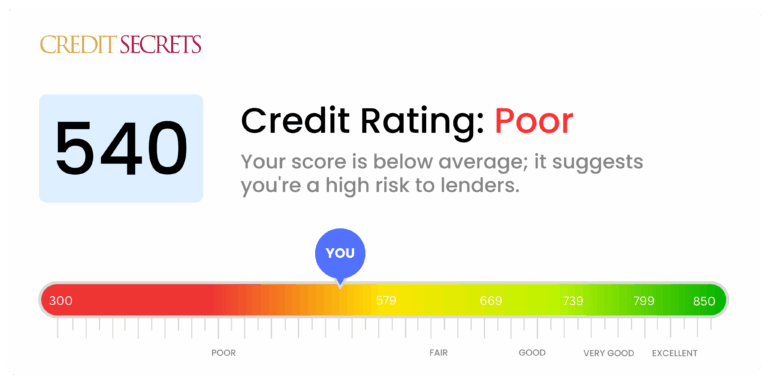
The Annual Percentage Rate (APR) is one of the most crucial numbers in your loan agreement. It represents the true cost of borrowing, including the interest rate and certain fees. A lower APR means less money paid over the life of the loan. Your credit score plays a significant role in determining the APR you’ll be offered.
Improve your credit score before applying for a loan, if possible. Even a few points can translate into substantial savings over the loan term.
4. Choosing the Right Loan Term
Loan terms typically range from 36 to 84 months. A shorter loan term means higher monthly payments but significantly less interest paid overall. A longer loan term offers lower monthly payments, making the car seem more affordable, but you’ll pay more in interest and run a higher risk of negative equity.
Consider your long-term financial goals. Do you want to be debt-free sooner, or do you need the lowest possible monthly payment right now?
5. Your Vehicle Choice: New vs. Used
The type of vehicle you choose directly impacts the loan amount and, consequently, your payments and interest. New cars offer the latest features and warranties but depreciate rapidly. Used cars are generally more affordable and have already taken the biggest depreciation hit, but might come with higher maintenance risks (though certified pre-owned programs mitigate this).
Match your car choice to your budget and needs, not just your desires.
6. Don’t Forget Insurance Costs
Car insurance is a mandatory and often substantial expense that many people overlook when calculating affordability. The type of car, your driving history, age, location, and credit score all influence your insurance premiums. Get insurance quotes for your desired vehicle before you finalize your purchase.
A car that fits your budget for the loan payment might be unaffordable once insurance is factored in.
7. The Total Cost of Ownership
Beyond the loan payment and insurance, remember other ongoing costs: fuel, routine maintenance (oil changes, tire rotations), and potential repairs. These expenses add up and are part of the true cost of owning a vehicle. Factor these into your monthly budget to avoid surprises.
Types of Car Loans and Where to Get Them
Understanding your options for securing a car loan can significantly impact the terms and rates you receive. There are generally three main avenues:
1. Direct Lenders (Banks and Credit Unions)
- Banks: Offer a wide range of loan products and often competitive rates, especially if you have a strong banking relationship.
- Credit Unions: Member-owned financial institutions that often offer slightly lower interest rates and more personalized service due to their non-profit status.
Pros: Often more transparent terms, opportunity for pre-approval, and a chance to compare rates before stepping into a dealership.
Cons: May require a separate application process, potentially slower approval times than dealer financing.
2. Dealership Financing
This is when you arrange your loan directly through the car dealership. They act as intermediaries, working with various lenders (banks, captive finance companies like Toyota Financial Services, Ford Credit) to find you a loan.
Pros: Convenient "one-stop shop," can sometimes offer special promotional rates (0% APR, for example) for qualified buyers, especially on new vehicles.
Cons: May not always offer the best rates (they might mark up the interest rate for profit), less transparency, can be pressured into making a quick decision.
3. Online Lenders
A growing number of online-only lenders specialize in auto loans. They often have streamlined application processes and can offer competitive rates.
Pros: Convenience of applying from anywhere, quick approval decisions, easy rate comparison tools.
Cons: Less personal interaction, may require more self-service in understanding terms.
Pro Tip: Always get pre-approved for a loan from a direct lender (bank or credit union) before you visit the dealership. This gives you a benchmark rate to compare against any offers the dealership makes, strengthening your negotiating position.
Smart Strategies for a Successful Car Loan Experience
Navigating the car loan process effectively can save you thousands of dollars and prevent future financial headaches. Here are some smart strategies:
1. Shop Around for the Best Rates
Never take the first loan offer you receive, whether it’s from your bank or a dealership. Apply to several different lenders (banks, credit unions, online lenders) within a short period (typically 14-45 days, depending on the credit scoring model) so that multiple inquiries count as one for your credit score. Compare the APR, loan term, and any fees.
This competitive shopping is one of the most impactful steps you can take to lower your overall borrowing cost.
2. Get Pre-Approved Before You Shop
As mentioned, pre-approval gives you a clear understanding of how much you can borrow and at what interest rate before you set foot on a car lot. This knowledge empowers you to focus on negotiating the car price, rather than being swayed by financing tricks. It also shows the dealer you’re a serious buyer with financing already secured.
3. Read and Understand the Fine Print
Before signing any loan agreement, read every single clause. Pay close attention to the APR, the total loan amount, the loan term, any fees (origination, late payment, early payoff penalties), and what happens in case of default. Don’t be afraid to ask questions until you fully understand every aspect of the contract.
Common mistakes to avoid are rushing through documents or assuming everything is standard. Your financial future depends on this.
4. Negotiate the Car Price Separately from the Financing
This is a critical negotiation tactic. First, negotiate the best possible purchase price for the car itself, as if you were paying cash. Once that price is agreed upon, then discuss financing. If you try to negotiate both simultaneously, dealers can shift numbers around, making it difficult to know if you’re getting a good deal on either the car or the loan.
5. Be Wary of Unnecessary Upsells
Dealerships often try to sell you additional products like extended warranties, GAP insurance, paint protection, or VIN etching. While some of these might offer value in specific situations (GAP insurance, for instance, can be wise if you have a small down payment), many are high-profit items for the dealership and may not be worth the cost.
Research these products beforehand and only purchase what you truly need and understand. You can often buy extended warranties or GAP insurance separately for less.
6. Consider Refinancing Your Car Loan
If your credit score has improved since you first took out your loan, or if interest rates have dropped significantly, you might be able to refinance your car loan for a lower APR. This can reduce your monthly payments or the total interest paid over the remaining term.
It’s always worth checking if refinancing could save you money, especially if you’re early in your loan term.
7. Build an Emergency Fund to Cover Payments
Life happens. Job loss, unexpected medical bills, or other financial setbacks can make it difficult to meet your monthly car payments. Having an emergency fund specifically designated to cover a few months of car payments can provide a crucial buffer during tough times.
This proactive step can prevent missed payments, which damage your credit score, and even repossession.
Alternatives to Car Loans (Briefly)
While car loans are a common path, they aren’t the only one. Exploring alternatives can sometimes be a more financially prudent choice.
- Saving Up and Paying Cash: The ideal scenario, as it avoids interest payments entirely. This requires discipline but offers complete ownership without debt.
- Leasing: A long-term rental agreement where you pay to use a car for a set period and mileage, then return it. While monthly payments are often lower than a loan, you don’t own the car at the end of the term.
- Public Transportation/Ride-Sharing: For those in urban areas, relying on public transport, bicycles, or ride-sharing services can be a cost-effective alternative to car ownership altogether.
The Final Verdict: Is a Car Loan a Good Idea for You?
So, after all this, is getting a car loan a good idea? The definitive answer is: yes, it can be, but only when approached with careful planning, financial discipline, and a thorough understanding of the commitment involved.
A car loan offers undeniable advantages like immediate mobility, credit building opportunities, and the ability to preserve your savings. However, these benefits are quickly overshadowed by the risks of high interest, rapid depreciation, and significant debt burden if you’re not prepared.
Ultimately, a car loan is a tool. Like any tool, its effectiveness depends on how wisely and skillfully you use it. If you have a stable income, a good credit score, can afford a decent down payment, and meticulously research and compare loan offers, then a car loan can be a responsible and beneficial step towards achieving your transportation needs.
However, if your finances are shaky, you’re stretching your budget to afford a car, or you haven’t done your homework, a car loan can quickly become a financial millstone. Empower yourself with knowledge, make informed decisions, and ensure your path to vehicle ownership is a smooth and sustainable one.
What has been your experience with car loans? Share your thoughts and tips in the comments below!
Internal Links for Further Reading:
- Understanding Your Credit Score Before a Major Purchase (Placeholder for an internal blog post link)
- The Ultimate Guide to Budgeting for Your First Car (Placeholder for an internal blog post link)
External Resource:
- For more general guidance on consumer loans and financial literacy, visit the Consumer Financial Protection Bureau (CFPB) at https://www.consumerfinance.gov/ (External link to a trusted source)