Master Your Drive: The Ultimate Guide to Car Loan Calculators with Credit Score Insights
Master Your Drive: The Ultimate Guide to Car Loan Calculators with Credit Score Insights Carloan.Guidemechanic.com
The dream of a new car often sparks excitement, picturing yourself cruising down the open road. However, for many, that dream can quickly turn into a maze of numbers, interest rates, and confusing loan terms. Understanding how to finance your vehicle effectively is just as important as choosing the right make and model. This is where a powerful tool, the car loan calculator with credit score integration, becomes your indispensable ally.
Navigating the world of auto financing can feel overwhelming, but it doesn’t have to be. This comprehensive guide will demystify the process, empowering you with the knowledge to make informed decisions. We’ll dive deep into how these calculators work, why your credit score is a game-changer, and how you can leverage both to secure the best possible deal on your next car. Get ready to transform your car buying experience from stressful to strategic.
Master Your Drive: The Ultimate Guide to Car Loan Calculators with Credit Score Insights
Understanding the Car Loan Landscape: More Than Just a Monthly Payment
Before we delve into the mechanics of calculators, it’s crucial to grasp the fundamental components of a car loan. A car loan isn’t just a simple monthly payment; it’s a financial agreement with several moving parts that collectively determine the total cost of your vehicle over time. Understanding these elements is the first step towards financial literacy in car buying.
At its core, a car loan involves borrowing a specific amount of money, known as the principal, to purchase a vehicle. In return for this loan, you agree to pay back the principal along with an additional charge called interest. This interest is essentially the cost of borrowing money and is typically expressed as an annual percentage rate (APR). The higher the interest rate, the more expensive your loan will be over its lifetime.
The loan term is another critical factor, representing the duration over which you will repay the loan, usually measured in months. Common terms range from 36 to 72 months, or even longer. While a longer loan term can reduce your monthly payments, it almost always results in paying significantly more in total interest over the life of the loan. Conversely, shorter terms mean higher monthly payments but less overall interest.
Without a clear understanding of how these factors interrelate, it’s easy to fall into the trap of focusing solely on the monthly payment. This narrow view can lead to unknowingly agreeing to unfavorable terms that cost you thousands in the long run. The true challenge for most car buyers is accurately estimating these costs and understanding their financial impact before committing to a purchase.
The Power of a Car Loan Calculator: Your Financial GPS
Imagine having a crystal ball that could instantly tell you your estimated monthly car payment and the total interest you’d pay. That’s essentially what a car loan calculator offers. It’s an online tool designed to provide clarity and predictability to your car financing journey, turning complex financial equations into easily understandable figures.
A car loan calculator works by taking a few key inputs from you and processing them through a standard amortization formula. The primary inputs typically include the total loan amount you wish to borrow, the estimated interest rate you expect to qualify for, and your preferred loan term in months. Some advanced calculators also allow you to factor in a down payment, which reduces the principal amount borrowed, and the trade-in value of your old vehicle, which acts similarly to a down payment.
Once you input these figures, the calculator quickly provides vital outputs. The most immediate and often sought-after output is your estimated monthly payment. This allows you to gauge whether the loan fits within your budget. Beyond that, a good calculator will also show you the total amount of interest you will pay over the life of the loan and the total cost of the vehicle, including both principal and interest. Some even generate an amortization schedule, detailing how much of each payment goes towards principal and interest over time.
Based on my experience, using a car loan calculator early in your car-buying process is a game-changer. It shifts you from guessing to knowing, allowing you to experiment with different scenarios. You can adjust the loan term, increase your down payment, or even change the car price to see how each variable impacts your monthly payment and overall cost. This foresight saves significant time and stress later on when you’re at the dealership.
The Credit Score: Your Financial Superpower in Car Buying
While a car loan calculator is a powerful tool, its true potential is unlocked when you integrate your personal financial standing – specifically, your credit score. Your credit score isn’t just a number; it’s a three-digit summary of your financial reliability and a critical determinant of the interest rate you’ll be offered on a car loan.
A credit score is a numerical representation of your creditworthiness, derived from the information in your credit report. The most widely used scores are FICO Scores and VantageScores, both ranging from 300 to 850. Lenders use these scores to quickly assess the risk associated with lending you money. A higher score indicates a lower risk, suggesting you are more likely to repay your debts on time.
The importance of your credit score for car loans cannot be overstated. It directly influences the interest rate you qualify for. Lenders offer their most competitive, lowest interest rates to borrowers with excellent credit scores because they represent the lowest risk. Conversely, individuals with lower credit scores are perceived as higher risk, leading to significantly higher interest rates to compensate the lender for that increased risk.
Credit scores are generally categorized into ranges:
- Excellent Credit (780-850): Access to the best interest rates and loan terms.
- Good Credit (670-739): Still qualifies for very good rates, though perhaps not the absolute lowest.
- Fair Credit (580-669): Likely to face higher interest rates and potentially fewer loan options.
- Poor Credit (<580): Will encounter very high interest rates, limited lenders, and stricter loan conditions.
Pro tips from us: Make it a priority to know your credit score well before you even step foot in a dealership. Many credit card companies offer free credit score access, and you can obtain free credit reports annually from AnnualCreditReport.com. Understanding where you stand financially allows you to realistically estimate the interest rates you might be offered.
Common mistakes to avoid include assuming you have bad credit without checking, or conversely, assuming you have perfect credit. Both scenarios can lead to either unnecessary anxiety or an unpleasant surprise at the dealership. Another pitfall is not understanding that a seemingly small difference in interest rate can translate into thousands of dollars over the loan term.
How Your Credit Score Directly Impacts Your Car Loan: A Tale of Two Borrowers
To truly appreciate the impact of your credit score, let’s explore how different scores can lead to vastly different car loan experiences. This isn’t just about getting approved; it’s about the entire financial burden of your vehicle. A higher credit score doesn’t just open doors; it opens them to much more favorable terms.
Consider two hypothetical car buyers, both looking to finance a $30,000 vehicle over a 60-month term.
- Borrower A (Excellent Credit: 780+): With a stellar credit score, Borrower A might qualify for an interest rate as low as 4.5% APR.
- Borrower B (Fair Credit: 620): Due to a fair credit score, Borrower B might be offered an interest rate around 10.5% APR.
Let’s plug these figures into a car loan calculator:
- Borrower A (4.5% APR): Estimated monthly payment of approximately $560. Total interest paid over 60 months would be around $3,600.
- Borrower B (10.5% APR): Estimated monthly payment of approximately $645. Total interest paid over 60 months would be around $8,700.
As you can see, Borrower B pays an additional $85 per month and over $5,000 more in total interest for the exact same car and loan amount. This stark difference highlights why your credit score is arguably the most influential factor in your car loan’s overall cost. It dictates not just your monthly outlay but the true financial investment you make in your vehicle.
Common mistakes to avoid are underestimating how much a few points on your credit score can save or cost you. Many buyers focus solely on the car’s price and monthly payment, neglecting the massive impact of the interest rate. Even if you secure the same car at the same price, a higher interest rate due to a lower credit score dramatically inflates the total cost of ownership. This is why credit score awareness is paramount for every car buyer.
Integrating Credit Score into the Car Loan Calculator: Your Strategic Advantage
Now that you understand the individual power of both the car loan calculator and your credit score, it’s time to learn how to combine them for maximum strategic advantage. This integration transforms the calculator from a simple estimation tool into a personalized financial planning instrument. It allows you to anticipate costs accurately and negotiate from a position of strength.
The process of integrating your credit score effectively into the car loan calculator involves a few key steps:
- Obtain Your Credit Score and Report: Before anything else, get a current copy of your credit score and, more importantly, your full credit report. Review your report for any errors or discrepancies that could be negatively impacting your score. Correcting these can potentially boost your score.
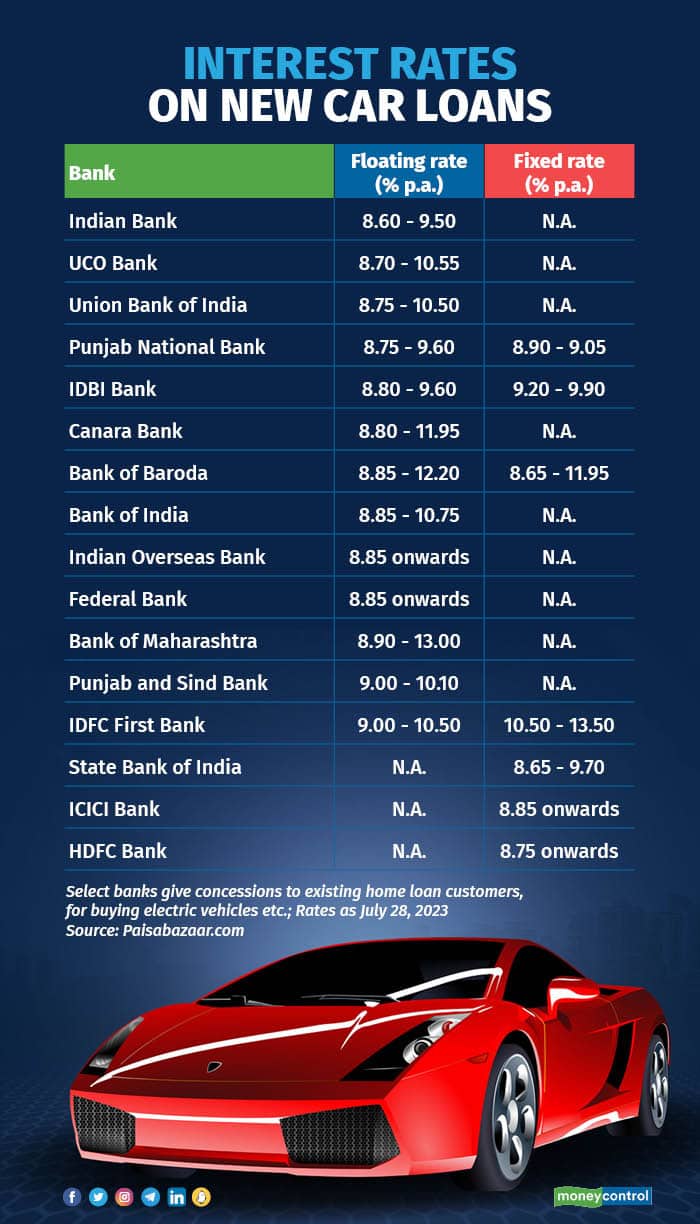
- Estimate Potential Interest Rates: Based on your credit score, research average auto loan interest rates for your score range. Many financial institutions and credit reporting agencies publish these averages. This gives you a realistic benchmark for the interest rate you might qualify for. For reliable information on current average interest rates based on credit score, refer to a trusted source like Experian’s auto finance insights: https://www.experian.com/ (Please note: The actual link should go to a specific page on Experian or a similar site detailing auto loan rates by credit score, if available. This is a placeholder.)
- Input Estimated Rate into the Calculator: With your estimated interest rate in hand, you can now input it into the car loan calculator along with your desired loan amount (car price minus down payment/trade-in) and loan term.
- Adjust Variables and Run "What If" Scenarios: This is where the strategic planning comes in. Experiment with different scenarios:
- What if I increase my down payment by $1,000? See how your monthly payment and total interest decrease.
- What if I choose a 48-month term instead of 60 months? Observe the jump in monthly payment but the significant savings in total interest.
- What if I could improve my credit score by 50 points and qualify for a lower interest rate? This provides a tangible goal for credit improvement.
This iterative process of running "what if" scenarios empowers you to see the direct financial impact of various decisions. It helps you find the sweet spot between an affordable monthly payment and the total cost of the loan. Knowing these figures upfront means you won’t be surprised by dealership offers and can confidently negotiate for terms that align with your financial goals. For more details on improving your credit score, check out our guide: .
Beyond the Calculator: Other Factors Influencing Your Loan
While the car loan calculator and your credit score are foundational, several other factors can significantly influence your overall car loan terms and affordability. A holistic approach considers all these elements to ensure you secure the best possible deal. Overlooking any of these can lead to unexpected costs or less favorable financing.
One of the most impactful factors is your down payment. This is the upfront cash you pay towards the car’s purchase price. A larger down payment directly reduces the principal amount you need to borrow, which in turn lowers your monthly payments and, more importantly, the total interest you’ll pay over the loan term. It also reduces your loan-to-value (LTV) ratio, making you a less risky borrower in the eyes of lenders.
The loan term, as mentioned earlier, dictates how long you have to repay the loan. While longer terms (e.g., 72 or 84 months) offer lower monthly payments, they almost always result in paying substantially more in total interest. Shorter terms (e.g., 36 or 48 months) have higher monthly payments but save you considerable money on interest and get you out of debt faster. It’s a balance between affordability and total cost.
If you have an old vehicle, its trade-in value can also play a significant role. When you trade in your car, its value is typically applied directly to the purchase price of your new vehicle, effectively acting as an additional down payment. This reduces your financed amount, similar to a cash down payment.
Lenders also consider your debt-to-income (DTI) ratio. This ratio compares your total monthly debt payments to your gross monthly income. A lower DTI indicates that you have more disposable income to manage new debt, making you a more attractive borrower. Lenders typically prefer a DTI ratio below 43%, though some may accept higher depending on other factors.
Your loan-to-value (LTV) ratio is another crucial metric. It compares the amount you’re borrowing to the car’s actual value. If you’re borrowing more than the car is worth (common with no down payment and negative equity from a trade-in), you have a high LTV. This makes the loan riskier for the lender and can lead to higher interest rates or even require additional insurance like GAP coverage.
Finally, consider the option of a co-signer. If your credit score is less than ideal, a co-signer with excellent credit can help you qualify for a loan or secure a much better interest rate. However, understand that a co-signer is equally responsible for the debt, and their credit will be affected if you miss payments. This should be a carefully considered decision.
Pro Tips for Maximizing Your Car Loan Potential
Securing a great car loan goes beyond just knowing your numbers; it involves strategic planning and savvy negotiation. Based on my experience working with countless car buyers, these pro tips can significantly improve your chances of getting the best possible financing terms. Arming yourself with knowledge and a plan is your strongest asset.
- Shop Around for Rates: Do not settle for the first loan offer you receive, especially from the dealership. Contact multiple banks, credit unions, and online lenders before you visit the dealership. Credit unions often offer highly competitive rates. Having pre-approved offers in hand gives you leverage and a benchmark to compare against any financing options the dealer presents.
- Get Pre-Approved: Obtaining pre-approval for a loan from an external lender is a powerful move. It tells you exactly how much you can afford and what interest rate you qualify for. This separates the financing conversation from the car price negotiation at the dealership, allowing you to focus on getting the best deal on the vehicle itself.
- Negotiate the Car Price Separately: Always negotiate the purchase price of the car first, before discussing financing. Dealers often try to bundle these, which can obscure the true cost of each component. By securing a firm price on the vehicle, you can then move on to finding the best financing.
- Understand the Impact of Loan Term: While a longer loan term means lower monthly payments, it almost always means paying substantially more in total interest over the life of the loan. Try to choose the shortest loan term you can comfortably afford, even if it means a slightly higher monthly payment. The long-term savings are often considerable.
- Read the Fine Print: Before signing any loan documents, meticulously read every clause. Understand all fees, prepayment penalties (though rare for auto loans), and any additional products like extended warranties or GAP insurance that might be rolled into your loan. Question anything you don’t understand.
- Don’t Forget Additional Costs: Your car loan payment is just one piece of the puzzle. Remember to budget for car insurance, registration fees, maintenance, and fuel. These ongoing expenses can significantly impact your overall financial picture.
- Consider Refinancing: If your credit score improves significantly after you’ve taken out a loan, or if interest rates drop, consider refinancing your car loan. This could allow you to secure a lower interest rate, reduce your monthly payments, or shorten your loan term, saving you money in the long run.
- Internal Link: Considering a used car? Our article on ‘Used Car Financing Tips’ can offer further insights into securing the best deal for pre-owned vehicles: .
Common Mistakes to Avoid When Using a Car Loan Calculator and Applying for a Loan
Even with the best intentions, car buyers can fall victim to common pitfalls that end up costing them money and frustration. Being aware of these traps is just as important as knowing what to do. These common mistakes can turn a dream purchase into a financial burden if not carefully navigated.
- Not Checking Your Credit Score: This is arguably the biggest mistake. Going into a dealership or bank without knowing your credit score leaves you vulnerable. You won’t know if the interest rate offered is fair for your credit profile, and you lose the power to negotiate or seek better alternatives.
- Only Focusing on the Monthly Payment: While an affordable monthly payment is crucial, fixating solely on it can lead to extending the loan term unnecessarily long or accepting a high interest rate. This often results in paying significantly more in total interest over the life of the loan. Always consider the total cost of the loan, not just the monthly figure.
- Not Comparing Multiple Offers: Relying on a single loan offer, especially from the dealership, is a sure way to miss out on better rates. Different lenders have varying criteria and rates, so shopping around is essential to find the most competitive deal.
- Being Swayed by Dealer Financing Without External Quotes: Dealerships often offer their own financing or work with specific lenders. While these can sometimes be competitive, without external pre-approvals, you have no way to verify if their offer is truly the best for your situation. Always have an outside offer to compare against.
- Underestimating Additional Costs: A common mistake is forgetting about the "total cost of ownership." Beyond the loan payment, you have insurance, fuel, maintenance, registration, and potential repair costs. Failing to budget for these can strain your finances, even with an affordable car payment.
- Stretching the Loan Term Too Long: While an 84-month loan might offer a very low monthly payment, it means paying interest for seven years. Over this extended period, you’re likely to pay much more in total interest, and your car’s value will depreciate faster than you pay off the loan, potentially leading to negative equity.
- Ignoring the Calculator’s Outputs: The car loan calculator is there to provide insights. Don’t just use it to find a monthly payment you like; analyze the total interest paid and experiment with different scenarios to find the most financially sound option for you.
Your Road to Financial Confidence Starts Now
The journey to owning your dream car should be exciting, not intimidating. By mastering the use of a car loan calculator with credit score insights, you equip yourself with the knowledge and tools necessary to navigate the complex world of auto financing with confidence. No longer will you be at the mercy of opaque offers or confusing terms.
Remember, your credit score is your financial superpower, directly influencing the interest rates you qualify for. Understanding its impact and integrating it into your loan calculations empowers you to make strategic decisions that save you thousands of dollars over the life of your loan. Combine this with smart shopping, pre-approvals, and a keen eye on all loan components, and you’re well on your way to securing the best possible deal.
Don’t let the numbers overwhelm you. Start by checking your credit score, then head to a reliable car loan calculator to begin exploring your options. With this comprehensive guide, you have everything you need to drive away not just with a new car, but with financial peace of mind. Your road to a smarter car purchase starts today!