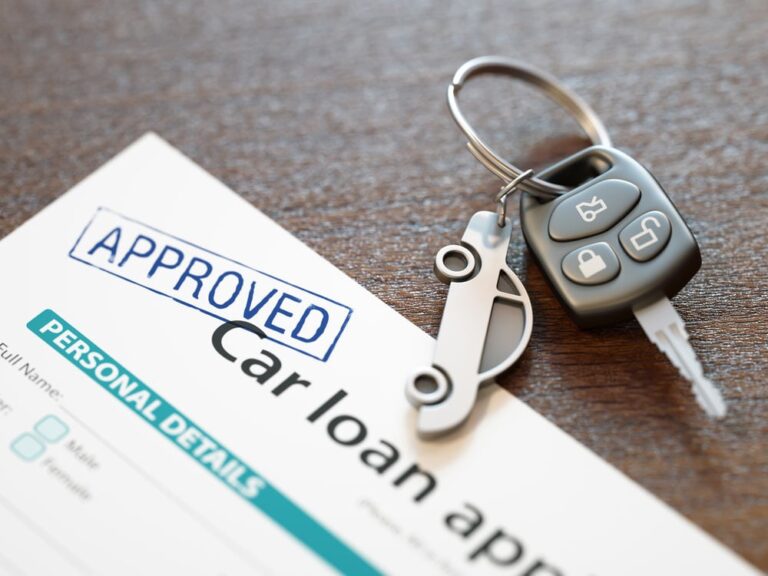
Navigating Car Loans with a Job Offer Letter: Your Ultimate Guide to Approval
Navigating Car Loans with a Job Offer Letter: Your Ultimate Guide to Approval Carloan.Guidemechanic.com
The thrill of a new job is undeniable. It signifies new beginnings, professional growth, and often, a much-anticipated increase in income. But amidst this excitement, a practical challenge often arises: reliable transportation. Whether it’s for commuting to your new workplace, running errands, or simply enjoying the freedom of the open road, a car can be an essential tool.
However, securing a car loan can seem daunting when you haven’t even received your first paycheck. Many traditional lenders primarily look for established income, often requiring several months of pay stubs. This is where the powerful potential of a job offer letter comes into play. It can be your golden ticket to unlocking financing, bridging the gap between a confirmed job and a steady income stream.
Navigating Car Loans with a Job Offer Letter: Your Ultimate Guide to Approval
This comprehensive guide is designed to empower you with the knowledge and strategies needed to successfully obtain a car loan using your job offer letter. We’ll dive deep into what lenders look for, the documents you’ll need, and insider tips to significantly boost your chances of approval. Our goal is to make this complex process easy to understand, providing real value so you can drive away in your new vehicle with confidence.
Understanding the "Job Offer Letter" Advantage
For many individuals, especially recent graduates or those transitioning careers, the period between accepting a new job and receiving the first official pay stub can be a financial limbo. This is precisely why the job offer letter has become such a crucial document in the lending landscape. It’s more than just a piece of paper; it’s a formal declaration of future earning potential.
Lenders are inherently risk-averse. When you apply for a loan, they need assurance that you possess the ability and intent to repay the borrowed amount. Without a history of paychecks, this assurance can be hard to provide. Your job offer letter, however, acts as a credible proxy for future income. It demonstrates that a reputable employer has committed to hiring you at a specific salary, starting on a particular date.
Based on my experience working with countless clients navigating this scenario, lenders view a solid job offer letter as a strong indicator of your financial stability to come. It shifts their perception from "unemployed" to "soon-to-be employed with a confirmed income." This foresight allows them to project your financial capacity for loan repayment, even before you’ve officially started earning.
What makes an offer letter particularly strong evidence? It’s the official nature and the detailed information it contains. A well-structured offer letter from a recognized company, outlining a clear salary, start date, and employment terms, provides the concrete data lenders require. They can then use this information to assess your future debt-to-income ratio and overall repayment capacity. Essentially, it transforms a future promise into a present financial asset in the eyes of a loan officer.
Key Requirements & Essential Documentation
Securing a car loan with a job offer letter hinges on providing lenders with a robust portfolio of documents that paints a clear picture of your financial standing and future earning potential. While the job offer letter is central, it’s just one piece of the puzzle. Being meticulously prepared with all necessary paperwork is a critical step towards a successful application.
Let’s break down the essential documents you’ll need:
1. The Job Offer Letter Itself
This is your primary weapon. It must be official and comprehensive.
Pro tips from us: Ensure the letter is on company letterhead and signed by an authorized representative. It should clearly state your full-time or part-time employment status, your annual salary or hourly wage, your official start date, and your position. The more detail, the better, as it leaves less room for lender speculation.
2. Proof of Identity & Residency
Lenders need to verify who you are and where you live. This is standard for any loan application.
You’ll typically need a valid government-issued photo ID, such as a driver’s license or passport. For proof of residency, recent utility bills (electricity, water, gas) or a lease agreement showing your current address are usually sufficient. Make sure these documents are up-to-date and clearly show your name and address.
3. Bank Statements
Even without current pay stubs, your bank statements reveal a lot about your financial habits.
Lenders will scrutinize your statements for the past 3-6 months. They want to see consistent cash flow, even if it’s from savings or previous employment. They’ll also look for a healthy balance that indicates you can manage your finances and potentially cover initial car-related expenses like insurance or registration. A stable bank account without frequent overdrafts builds confidence in your financial responsibility.
4. Credit History and Score
Your credit history is a crucial component of any loan application. Even if you have limited credit, it still matters.
Lenders use your credit score to gauge your reliability in repaying debts. A higher score typically leads to better interest rates. If you have a thin credit file, meaning you haven’t taken out much credit before, it’s not an automatic disqualifier. However, having a history of responsible credit use, even on a credit card, will certainly work in your favor. Knowing your score beforehand allows you to address any inaccuracies or understand your standing.
5. Other Income Sources (If Any)
Don’t overlook any additional income streams you might have.
This could include income from a side hustle, freelance work, rental properties, alimony, or child support. Even if these aren’t your primary source of income, they can add to your overall financial picture and demonstrate greater repayment capacity. Be prepared to provide documentation for these sources, such as tax returns or contracts.
6. Substantial Down Payment
While not a document, having a significant down payment is a powerful asset.
It directly reduces the amount you need to borrow, which in turn lowers the lender’s risk. A larger down payment can often sway a lender to approve your loan, especially if other aspects of your application (like credit history) are less robust. It also shows your commitment and financial discipline.
Organizing these documents neatly and having them ready before you approach lenders will streamline the application process. It conveys professionalism and seriousness, making a positive first impression.
Who Offers Car Loans with Job Offer Letters?
Navigating the lending landscape to find an institution willing to approve a car loan based on a job offer letter requires a bit of strategic thinking. Not all lenders are created equal, and some are far more flexible or accustomed to this type of financing than others. Knowing where to look can save you significant time and frustration.
Here’s a breakdown of the types of lenders you should consider:
1. Traditional Banks
Large national and regional banks are often the first stop for many loan seekers. They have well-established processes and can offer competitive rates.
However, traditional banks can sometimes be more conservative when it comes to lending without immediate proof of income. They might require a stronger credit history or a more substantial down payment in lieu of pay stubs. It’s still worth checking with your existing bank, as they already have a relationship with you, which can sometimes provide a slight advantage.
2. Credit Unions
Credit unions are non-profit financial cooperatives that often prioritize their members’ needs over pure profit.
This structure can make them more flexible and understanding of unique financial situations, such as relying on a job offer letter. They are often more willing to work with individuals who have limited credit history or require a more personalized approach. Based on my experience, credit unions are frequently a great starting point for those seeking loans with non-traditional income verification. Their rates can also be very competitive, and their customer service is often highly rated.
3. Online Lenders
The digital age has brought forth a plethora of online lenders, many of whom specialize in quick approvals and catering to diverse financial profiles.
These lenders often use advanced algorithms to assess risk, which can sometimes make them more open to alternative forms of income verification, including job offer letters. The application process is typically fast and convenient, done entirely from your computer or phone. However, it’s crucial to research their reputation thoroughly, read reviews, and compare interest rates and terms, as some may charge higher rates for perceived higher risk.
4. Dealership Financing
Many car dealerships offer in-house financing or work with a network of lenders.
This can be a convenient option, as you can often complete the entire car-buying and financing process in one location. Dealerships might also have relationships with lenders who are more accustomed to approving loans based on job offer letters, especially if they are trying to move inventory. The downside is that you might not get the absolute best rates compared to shopping around independently, so always compare their offer with pre-approvals you’ve secured elsewhere.
5. Specialized Lenders
Some financial institutions specifically cater to niche markets, such as recent graduates, new professionals, or individuals with specific employment types.
While less common, it’s worth exploring if there are lenders in your area or online that target these demographics. They might have tailored loan products designed for those with a confirmed job offer but no current pay stubs.
Common mistakes to avoid are limiting your search to just one type of lender or accepting the first offer you receive without comparison. Always shop around! Apply to at least 3-5 different lenders to compare interest rates, loan terms, and fees. This due diligence ensures you secure the best possible deal for your situation. For more insights on choosing the right lender, you can refer to an external resource like Investopedia’s guide on personal loans which often covers similar principles.
Boosting Your Chances of Approval
While a job offer letter is a powerful tool, it’s essential to understand that lenders still assess your overall financial profile. Maximizing your chances of approval means presenting yourself as a low-risk borrower. There are several proactive steps you can take to strengthen your application and secure more favorable loan terms.
1. Make a Strong Down Payment
This is arguably one of the most impactful strategies. A substantial down payment directly reduces the amount of money you need to borrow, which in turn lowers the lender’s risk. Lenders see it as a sign of your commitment and financial discipline.
Pro tips from us: Aim for at least 10-20% of the car’s purchase price. The more you put down, the less interest you’ll pay over the life of the loan, and the more likely you are to be approved, especially if you have a limited credit history. It also gives you instant equity in the vehicle, reducing the chance of being "upside down" on your loan (owing more than the car is worth).
2. Cultivate a Good Credit Score (or Build It)
Your credit score is a numerical representation of your creditworthiness. A higher score signals to lenders that you are a reliable borrower.
If you have an established credit history, ensure your score is as high as possible by paying all bills on time and keeping credit utilization low. If you have limited or no credit history, start building it proactively. This could involve getting a secured credit card, becoming an authorized user on a family member’s credit card (with responsible usage), or taking out a small credit-builder loan. Even a few months of positive credit history can make a difference. For a deeper dive, check out our article on .
3. Mind Your Debt-to-Income Ratio
Even with a confirmed job offer, lenders will look at your existing debt obligations relative to your projected income.
Your debt-to-income (DTI) ratio helps lenders determine if you can comfortably afford new monthly payments. Calculate your estimated DTI by adding up all your monthly debt payments (student loans, credit card minimums, rent/mortgage) and dividing it by your new gross monthly income. Aim for a DTI below 36%, with 20% or lower being ideal for car loans. If your DTI is too high, consider paying down some existing debts before applying for the car loan.
4. Consider a Co-signer
If your credit history is thin, your income isn’t exceptionally high, or you’re struggling to get approved on your own, a co-signer can be a game-changer.
A co-signer is someone with good credit and stable income who agrees to be equally responsible for the loan if you default. This significantly reduces the lender’s risk and can help you secure approval and potentially a lower interest rate. However, choose a co-signer wisely, as their credit will also be impacted by the loan, and their relationship with you could be strained if you miss payments. Ensure both parties understand the full implications.
5. Set Realistic Expectations
Don’t overextend yourself. While the excitement of a new job might tempt you to splurge on a dream car, it’s wise to be pragmatic.
Lenders prefer to see that you’re borrowing responsibly. Aim for a car that fits well within your budget, considering not just the monthly payment but also insurance, fuel, maintenance, and registration costs. A less expensive car with a manageable loan amount is far more likely to get approved.
6. Research and Compare Offers
As mentioned earlier, never settle for the first loan offer. Lenders have different criteria and offer varying rates.
Get pre-approved from several sources – banks, credit unions, and online lenders – before you even step onto a dealership lot. This gives you leverage and a clear understanding of what you qualify for. You can then use these pre-approvals to negotiate a better deal, whether directly with a dealership’s financing department or by choosing the most favorable independent offer.
7. Negotiate Terms Beyond the Rate
While the interest rate is crucial, don’t overlook other loan terms.
Consider the loan term (length of the loan), any prepayment penalties, and fees. A shorter loan term means higher monthly payments but less interest paid overall. A longer term means lower monthly payments but more interest over time. Find a balance that fits your budget and financial goals.
By proactively addressing these areas, you present yourself as a responsible and capable borrower, significantly improving your chances of securing a car loan even with just a job offer letter.
The Application Process: Step-by-Step
Navigating the application process for a car loan with a job offer letter doesn’t have to be complicated. By following a structured approach, you can ensure efficiency and minimize stress. Here’s a step-by-step guide to help you through:
Step 1: Gather and Organize Your Documents
Before you even think about approaching a lender, have all your paperwork in order. This includes your official job offer letter, proof of identity and residency, recent bank statements, and any documentation for other income sources. If you have any credit history, know your credit score.
Pro tips from us: Create a dedicated folder, either physical or digital, for all these documents. This shows professionalism and preparedness, making a strong first impression on lenders.
Step 2: Determine Your Budget and Get Pre-Qualified/Pre-Approved
Before you fall in love with a car, figure out how much you can truly afford. Consider the monthly loan payment, insurance, fuel, and maintenance. Once you have a budget, start the pre-qualification or pre-approval process with several lenders.
Pre-qualification gives you an estimate of what you might qualify for, often with a soft credit pull that doesn’t affect your score. Pre-approval is a more formal offer, usually involving a hard credit pull, and gives you a concrete loan amount and interest rate. Aim for pre-approval from at least two or three different lenders.
Step 3: Shop for a Car Within Your Budget
With pre-approvals in hand, you now know your financial limits. This empowers you to shop for a car with confidence, focusing only on vehicles you can genuinely afford.
Knowing your pre-approved loan amount also gives you leverage at the dealership, as you’re not solely reliant on their financing options. You can negotiate the car’s price based on cash (or your pre-approved loan) rather than discussing monthly payments.
Step 4: Finalize the Loan with Your Chosen Lender
Once you’ve selected your car and negotiated its price, it’s time to finalize the loan. Present your job offer letter and all other required documents to your preferred lender (the one with the best terms from your pre-approvals).
They will review everything, conduct a final credit check, and verify the details of your job offer. Be prepared to answer any additional questions they may have.
Step 5: Read the Fine Print and Sign the Papers
This is a critical stage. Before signing anything, thoroughly read the entire loan agreement. Understand the interest rate, the total loan amount, the monthly payment, the loan term, any fees, and any prepayment penalties.
Common mistakes to avoid are rushing through this step or feeling pressured to sign without full comprehension. Ask questions if anything is unclear. Ensure all the terms you agreed upon verbally are accurately reflected in the written contract.
Step 6: Drive Away!
Once all the paperwork is signed and approved, the funds will be disbursed, and you’ll be ready to take possession of your new vehicle. Congratulations! You’ve successfully navigated the process of getting a car loan with a job offer letter.
Remember, patience and diligence throughout this process will lead to the best outcome.
Post-Approval Tips: Managing Your Car Loan
Securing a car loan with a job offer letter is a significant achievement, but the journey doesn’t end there. Responsible management of your loan is crucial for building a strong financial future and avoiding potential pitfalls. Here are some essential tips for after you’ve driven off the lot:
1. Make Payments On Time, Every Time
This is the golden rule of credit building. Timely payments are the single most important factor in maintaining a good credit score.
Set up automatic payments if possible, or create reminders to ensure you never miss a due date. Late payments can incur fees and, more importantly, negatively impact your credit score, making future borrowing more expensive or difficult.
2. Consider Extra Payments (If Feasible)
If your financial situation allows, consider paying more than the minimum monthly payment. Even a small extra amount can make a big difference over the life of the loan.
Extra payments go directly towards the principal balance, reducing the total interest you’ll pay and shortening the loan term. This is an excellent way to save money and become debt-free faster.
3. Explore Refinancing Options Later On
Once you’ve been in your new job for a few months and have a steady stream of pay stubs, your financial profile will look even stronger to lenders.
This might be an opportune time to explore refinancing your car loan. With a more established income and a potentially improved credit score, you might qualify for a lower interest rate, which can significantly reduce your monthly payments or the total interest paid over time.
4. Maintain Your Car
A car loan is a long-term commitment, and the vehicle itself is a significant asset. Regular maintenance is key to protecting your investment and preventing costly repairs down the road.
Follow the manufacturer’s recommended service schedule, keep up with oil changes, tire rotations, and other routine checks. A well-maintained car will last longer and hold its value better.
5. Continue Building a Positive Credit History
Your car loan is an excellent opportunity to further solidify your credit profile. By consistently making on-time payments, you’re demonstrating financial responsibility to all future lenders.
Look for other ways to responsibly use and manage credit, such as a credit card for small purchases that you pay off in full each month. A diverse and well-managed credit history opens doors to better rates on mortgages, personal loans, and other financial products down the line.
By diligently managing your car loan, you’re not just paying for a vehicle; you’re actively building a foundation for greater financial freedom and opportunity.
Conclusion: Your Road Ahead to Car Ownership
Securing a car loan with just a job offer letter might initially seem like an uphill battle, but as we’ve explored, it’s an entirely achievable goal with the right approach and preparation. Your job offer letter is more than just a confirmation of employment; it’s a powerful statement of your future earning potential, and savvy lenders recognize its value.
The key to success lies in meticulous organization, understanding lender expectations, and strategically enhancing your application. By presenting a strong job offer letter, gathering all necessary documentation, making a substantial down payment, and proactively managing your credit, you significantly boost your chances of approval. Remember to cast a wide net when seeking lenders, comparing offers from banks, credit unions, and online providers to ensure you secure the most favorable terms.
This comprehensive guide has equipped you with the insights and actionable steps needed to navigate the process with confidence. From preparing your documents to understanding the application journey and managing your loan post-approval, you now have a clear roadmap. Don’t let the lack of immediate pay stubs deter you from acquiring the transportation you need for your new chapter.
Take control of your financial journey. Embrace the power of your job offer letter, apply these expert tips, and drive towards your professional and personal goals with reliable transportation. We encourage you to share your experiences or ask any further questions in the comments below – your insights can help others on a similar path!