Navigating Car Loans with Bad Credit and Repossession: Your Ultimate Guide to Getting Approved
Navigating Car Loans with Bad Credit and Repossession: Your Ultimate Guide to Getting Approved Carloan.Guidemechanic.com
Securing a car loan can feel like an insurmountable challenge when your credit history includes both bad credit and a past repossession. Many people believe their chances are zero, especially after facing rejection from traditional lenders. However, this isn’t necessarily the end of the road. With the right strategy, preparation, and understanding of the lending landscape, getting approved for a car loan is still within reach.
This comprehensive guide is designed to empower you, providing actionable insights and expert advice to help you navigate this complex financial journey. We’ll explore exactly what lenders look for, how to improve your application, and where to find financing even when your credit profile tells a challenging story. Our goal is to equip you with the knowledge needed to drive away in a reliable vehicle, turning what seems like an impossible dream into a tangible reality.
Navigating Car Loans with Bad Credit and Repossession: Your Ultimate Guide to Getting Approved
Understanding the Double Whammy: Bad Credit and Repossession
Before diving into solutions, it’s crucial to understand why having both bad credit and a repossession makes securing a loan particularly difficult. Lenders assess risk, and these two factors significantly increase their perceived risk. Let’s break down each component.
What Constitutes "Bad Credit"?
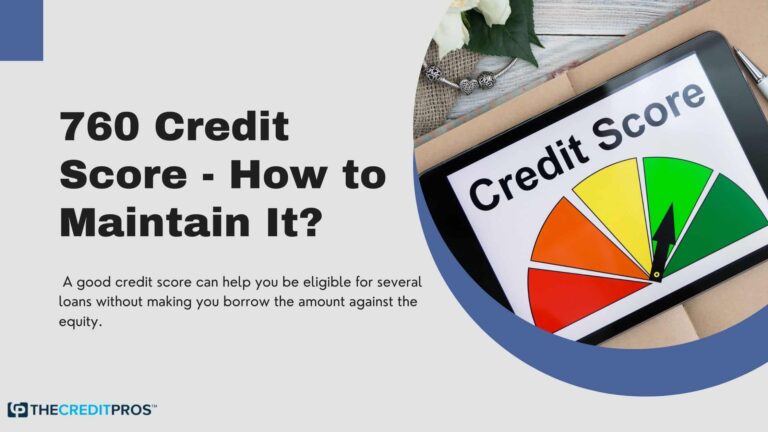
"Bad credit" typically refers to a low credit score, generally below 620 on the FICO scale. This score is a numerical representation of your creditworthiness, reflecting your history of borrowing and repaying debt. A low score signals to lenders that you might be a higher risk borrower.
Common reasons for bad credit include missed payments, high credit card utilization, bankruptcies, collections, and, of course, repossessions. These events demonstrate a history of difficulty managing financial obligations. Lenders view a low score as a predictor of future payment issues.
The Impact of a Repossession
A repossession occurs when a lender takes back an asset, like a car, because the borrower failed to make payments as agreed. This event is a significant red flag on your credit report. It indicates that a previous loan agreement was not honored, resulting in a loss for the lender.
Repossessions can be voluntary, where you return the car yourself, or involuntary, where the lender seizes it. While a voluntary repossession might seem slightly less damaging, both types have a severe negative impact on your credit score and remain on your credit report for up to seven years. This makes lenders extremely cautious about extending new credit.
Why Lenders Are Hesitant
When a lender sees a combination of bad credit and a repossession, their primary concern is the increased likelihood of default on a new loan. They view your financial past as an indicator of your future behavior. A repossession specifically tells them that you’ve defaulted on an auto loan before, which is the exact type of loan you’re now seeking.
This heightened risk means that if approved, you will likely face higher interest rates and less favorable terms. Lenders must mitigate their risk, and charging more interest is one way they do this. Understanding this perspective is the first step in addressing their concerns effectively.
Preparing for Your Car Loan Application: Laying the Groundwork
Success in securing a car loan after a repossession hinges on thorough preparation. You need to present yourself as the most responsible and reliable borrower possible. This involves several critical steps that can significantly improve your chances of approval.
1. Check and Clean Up Your Credit Report
Based on my experience, many individuals are unaware of inaccuracies on their credit reports. Your credit report is the first thing lenders scrutinize, so it’s vital to ensure it’s accurate and reflects your current financial standing as positively as possible.
Start by obtaining a free copy of your credit report from all three major bureaus: Experian, Equifax, and TransUnion. Review each report carefully for any errors, such as incorrect account balances, accounts that don’t belong to you, or outdated information. If you find discrepancies, dispute them immediately with the credit bureau. This process can take time, but correcting errors can potentially boost your credit score and remove unfair negative marks.
2. Understand Your Budget and Affordability
Pro tips from us: Don’t just focus on getting approved; focus on getting approved for a loan you can comfortably afford. A new car loan should not lead to further financial strain. Create a detailed budget that accounts for all your monthly income and expenses. Determine exactly how much you can realistically allocate to a car payment each month without jeopardizing other essential bills.
Remember to factor in more than just the monthly loan payment. You’ll also need to consider car insurance, fuel costs, maintenance, and potential registration fees. A common mistake to avoid is underestimating these additional expenses, which can quickly turn an affordable payment into an unsustainable burden. Being realistic about your budget prevents future financial stress and potential default.
3. Save for a Significant Down Payment
This is arguably the single most impactful step you can take when applying for car loans with bad credit and repossession. A substantial down payment demonstrates your commitment to the loan and reduces the lender’s risk. It shows you have skin in the game.
When you put down a larger amount, you reduce the total amount you need to borrow, which in turn lowers your monthly payments and the overall interest you’ll pay. From a lender’s perspective, a significant down payment signals that you are financially stable enough to save money and that you are less likely to default on the remaining loan balance. Aim for at least 10-20% of the vehicle’s price, if not more.
4. Gather All Necessary Documents
Being prepared with all required documentation streamlines the application process and shows lenders you are organized and serious. While requirements can vary, common documents include:
- Proof of Income: Recent pay stubs (last 1-3 months), tax returns (if self-employed), bank statements.
- Proof of Residency: Utility bills, lease agreement, or mortgage statements.
- Proof of Identity: Driver’s license, passport, or state ID.
- Proof of Insurance: You’ll need this before driving off the lot.
- References: Sometimes required, non-family members with contact information.
Having these documents ready eliminates delays and makes a positive impression on the lender.
Finding the Right Lenders: Where to Look for Approval
Not all lenders are created equal, especially when it comes to financing car loans with bad credit and repossession. Traditional banks are often the least likely to approve such applications. You need to target lenders who specialize in or are more open to working with individuals with challenging credit histories.
1. Specialty Lenders (Subprime Lenders)
These lenders specialize in providing financing to borrowers with less-than-perfect credit, often referred to as subprime auto loans. They are more willing to take on higher-risk applicants, including those with a past repossession. However, this willingness comes at a cost: expect higher interest rates and potentially stricter terms compared to prime loans.
When working with subprime lenders, it’s crucial to understand all terms and conditions before signing. They are a viable option, but vigilance is key to avoid predatory practices. Look for reputable subprime lenders with transparent processes.
2. Credit Unions
Credit unions are member-owned financial institutions known for their community focus and often more flexible lending criteria. They may be more willing to look beyond your credit score and consider your overall financial picture, including your current income and employment stability.
Membership is usually required, but it’s often easy to join. While they still assess risk, credit unions might offer more competitive rates and personalized service than some subprime lenders. It’s always a good idea to check with local credit unions.
3. Dealership Financing (Buy Here, Pay Here)
"Buy Here, Pay Here" dealerships finance the cars they sell directly, meaning they are both the seller and the lender. This option can be appealing because they often approve applicants regardless of their credit history. For someone with a repossession, this might seem like an easy solution.
However, common mistakes to avoid include jumping into a Buy Here, Pay Here deal without understanding the drawbacks. These dealerships often charge very high interest rates, and the vehicles they offer might be older, higher-mileage models with fewer warranties. Payments are often weekly or bi-weekly. While they offer accessibility, thoroughly research the dealership and the vehicle, and be prepared for less favorable terms.
4. Online Loan Platforms and Marketplaces
Several online platforms specialize in connecting borrowers with various lenders, including those who work with bad credit. These platforms can be a convenient way to compare offers from multiple lenders without visiting each one individually. They often have networks of subprime lenders who are accustomed to approving car loans with bad credit and repossession.
When using online platforms, ensure they are reputable and secure. Read reviews and understand their process for sharing your information with lenders. This approach can save you time and potentially help you find the best available rates.
Strategies to Improve Your Chances of Approval
Beyond preparing your documents and finding the right lenders, there are specific strategies you can employ to make your application stand out. These tactics address the core concerns of lenders head-on.
1. Make a Significant Down Payment
As mentioned earlier, a substantial down payment is paramount. Reiterate this point to the lender. It signals your commitment and reduces their financial exposure. The more cash you put down, the less risk the lender takes on. It also often translates to lower monthly payments and less interest paid over the life of the loan.
For someone seeking car loans with bad credit and repossession, a down payment of 20% or more can significantly improve your chances compared to having no down payment at all. It shows financial responsibility and a serious intent to repay.
2. Consider a Cosigner
A cosigner is someone with good credit who agrees to take responsibility for the loan if you fail to make payments. Having a cosigner with a strong credit history can dramatically increase your approval odds and potentially secure you a lower interest rate. The lender sees the cosigner as an additional layer of security.
However, this decision should not be taken lightly. The cosigner is equally responsible for the debt, and any missed payments will negatively affect their credit score as well. Ensure you can commit to making all payments on time to protect your cosigner’s credit. This strategy requires open communication and trust.
3. Opt for a Lower-Priced, Reliable Vehicle
When your credit is challenging, it’s not the time to aim for a luxury vehicle. Lenders are more comfortable financing a more affordable car, as it represents less risk. Focus on getting a reliable, practical vehicle that meets your transportation needs rather than your wants.
A lower loan amount means lower monthly payments, making the loan more manageable for you and less risky for the lender. My professional advice is to be realistic about what you can afford and what lenders are willing to finance under your circumstances. Prioritize functionality and affordability.
4. Demonstrate Stable Income and Employment
Lenders want assurance that you have the consistent financial means to repay the loan. Proof of stable income and steady employment history are crucial. A long tenure at your current job or a consistent employment history shows stability.
If you’ve recently started a new job, having a strong offer letter and a history of similar employment can help. For self-employed individuals, providing multiple years of tax returns and bank statements that show consistent income is essential. The more stable your income appears, the more confident a lender will be in your ability to make payments.
5. Be Prepared to Explain Your Past Repossession
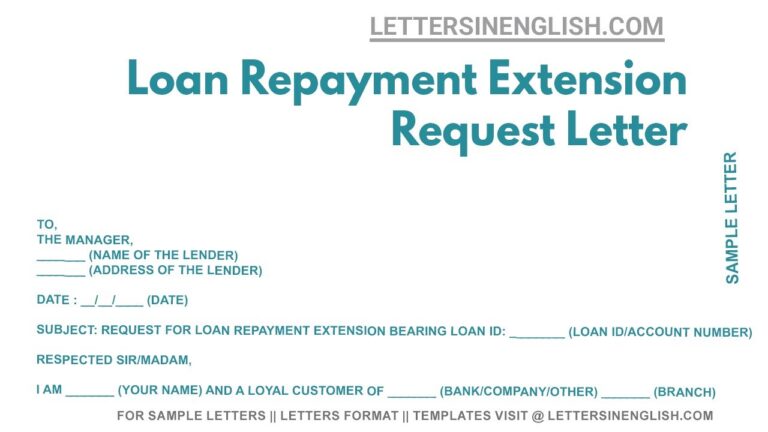
From my perspective, a well-crafted letter of explanation can turn the tide. While your credit report clearly shows the repossession, providing context can humanize your application. Write a concise, honest letter explaining the circumstances that led to the repossession.
Focus on what has changed since then. Did you lose a job? Experience a medical emergency? Outline the steps you’ve taken to improve your financial situation, such as budgeting, securing stable employment, or addressing other debts. Take responsibility, but also demonstrate growth and a commitment to avoiding past mistakes. This shows maturity and a proactive approach to managing your finances.
Navigating the Loan Terms and Conditions
Once you receive an offer for car loans with bad credit and repossession, it’s critical to meticulously review the terms. These loans often come with higher interest rates and potentially less favorable conditions, so understanding every detail is paramount.
1. Understanding Interest Rates and APR
The interest rate is the cost of borrowing money, expressed as a percentage of the loan amount. However, the Annual Percentage Rate (APR) is an even more important figure to focus on. The APR includes the interest rate plus any additional fees or costs associated with the loan, giving you the true annual cost of borrowing.
For borrowers with bad credit and a repossession, APRs can be significantly higher, sometimes in the double digits or even higher. Compare APRs from different lenders to ensure you’re getting the best possible deal. A difference of a few percentage points can add thousands to the total cost of your loan.
2. Loan Term Length
The loan term is the duration over which you agree to repay the loan, typically expressed in months (e.g., 36, 48, 60, or 72 months). A longer loan term results in lower monthly payments, which might seem attractive. However, it also means you’ll pay more in total interest over the life of the loan.
Conversely, a shorter loan term will have higher monthly payments but will save you money on interest in the long run. My professional advice is to strike a balance: choose the shortest term you can comfortably afford to minimize interest costs, but ensure the monthly payment is sustainable.
3. Beware of Hidden Fees and Charges
Always read the fine print. Based on my observations, many borrowers overlook crucial details about fees. Some lenders may include various fees that can significantly increase the total cost of your loan. These can include:
- Origination Fees: A fee charged for processing the loan.
- Documentation Fees: Fees for preparing paperwork.
- Prepayment Penalties: Some loans charge a fee if you pay off the loan early. This is a crucial point to check, as you ideally want the flexibility to pay down your loan faster if your financial situation improves.
Ask for a clear breakdown of all fees and their impact on the total loan amount. Transparency is key.
4. Payment Schedule
Understand your payment schedule. Most auto loans are paid monthly, but some subprime lenders, particularly Buy Here, Pay Here dealerships, might require bi-weekly or even weekly payments. Ensure the schedule aligns with your income cycle to avoid missing payments. Set up automatic payments to ensure consistency and avoid late fees, which can further damage your credit.
Rebuilding Your Credit After Approval
Getting approved for a car loan after a repossession is a significant step, but the journey doesn’t end there. This loan now becomes a powerful tool for rebuilding your credit. Your primary goal should be to demonstrate consistent, responsible payment behavior.
1. Make Timely Payments, Every Time
This is the most crucial action you can take. Every on-time payment you make is reported to the credit bureaus and contributes positively to your payment history, which is the largest factor in your credit score. Set up reminders, calendar alerts, or automatic payments to ensure you never miss a due date.
Even a single late payment can undermine all your hard work and negatively impact your credit score, making it harder to secure favorable rates on future loans. Consistency is paramount.
2. Establish a Positive Payment History
Over time, a consistent record of on-time car loan payments will slowly but surely overshadow the negative impact of the past repossession. As your credit score improves, you’ll gain access to better financial products and lower interest rates. This car loan is your opportunity to prove your creditworthiness.
3. Monitor Your Credit Report Regularly
Continue to monitor your credit report periodically. Ensure that your car loan payments are being reported accurately and that no new errors appear. This vigilance helps you stay on top of your credit health and quickly address any issues. For more tips on credit repair and maintaining a healthy financial profile, check out our in-depth guide on .
What If You Can’t Get Approved? Alternative Options
Despite your best efforts, sometimes approval for car loans with bad credit and repossession isn’t immediately possible. Don’t lose hope. There are alternative strategies to consider that can still help you secure transportation or improve your financial standing for future applications.
1. Save Up to Buy a Cheap Car Outright
If financing isn’t an option right now, focus on saving enough money to purchase an inexpensive, reliable used car with cash. While it might take longer, avoiding a loan altogether means no interest payments and no further credit inquiries. This allows you to build savings and avoid adding more debt while working on improving your credit score.
2. Explore Public Transportation or Ride-Sharing
For some, public transportation, carpooling, or ride-sharing services can be a temporary solution. While not ideal for everyone, these options can provide necessary mobility without the burden of a car payment or insurance costs. This can free up funds to save for a down payment or pay down existing debts.
3. Borrow from Friends or Family (with Formal Agreements)
If a close friend or family member is willing to help, consider a private loan. If you pursue this option, treat it like a formal agreement. Draft a written contract outlining the loan amount, repayment schedule, and any interest agreed upon. This professionalism protects both parties and ensures clarity. Repaying this loan diligently can also help you practice responsible financial behavior.
4. Secured Loans (Cautionary Note)
Some lenders offer secured loans where you use an asset (like savings, a CD, or even another vehicle you own outright) as collateral. While these might be easier to obtain, they carry significant risk: if you default, you could lose the collateral. Carefully weigh the pros and cons and understand all terms before considering a secured loan, especially if your goal is to rebuild credit.
Conclusion: Your Road to a New Beginning
Obtaining car loans with bad credit and repossession is undoubtedly challenging, but it is far from impossible. By understanding the unique hurdles you face, meticulously preparing your application, and strategically targeting the right lenders, you significantly increase your chances of approval. This journey requires patience, diligence, and a commitment to financial responsibility.
Remember, a car loan isn’t just about transportation; it’s an opportunity to rebuild your credit and demonstrate a new chapter of financial prudence. Focus on making timely payments, managing your budget wisely, and continuously monitoring your credit health. Start your journey today with confidence, armed with the knowledge and strategies to secure the vehicle you need and pave the way for a brighter financial future. For more insights into managing your auto financing responsibly, explore our article on .