Navigating Military Car Loan Forgiveness: A Comprehensive Guide for Servicemembers
Navigating Military Car Loan Forgiveness: A Comprehensive Guide for Servicemembers Carloan.Guidemechanic.com
The brave men and women of our armed forces make immense sacrifices to protect our nation. From grueling deployments to frequent Permanent Change of Station (PCS) moves, military life presents unique challenges that can often impact personal finances. Among the many concerns, managing vehicle loans stands out, leading many servicemembers to wonder about "Military Car Loan Forgiveness."
It’s a common question, and one that deserves a clear, in-depth answer. While outright "forgiveness" in the traditional sense is rare, there are indeed significant financial protections, relief programs, and assistance options specifically designed to ease the burden of car loans for military personnel and their families. This comprehensive guide will explore these avenues, helping you understand your rights and leverage available resources. Our ultimate goal is to empower you with the knowledge to navigate your financial journey with confidence, ensuring your service doesn’t become a financial hardship.
Navigating Military Car Loan Forgiveness: A Comprehensive Guide for Servicemembers
Is "Military Car Loan Forgiveness" a Myth? Understanding the Nuance
When we talk about "Military Car Loan Forgiveness," it’s crucial to set realistic expectations. The term "forgiveness" often implies a complete cancellation of debt without any obligation. In the context of car loans for servicemembers, this rarely happens automatically or without specific qualifying circumstances.
Instead, what the military community often experiences is relief, protection, or assistance. These can manifest as reduced interest rates, deferment of payments, protection against repossession, or support from military aid societies. These measures are designed to mitigate the financial stress that can arise from military service, rather than simply wiping out the debt.
Based on my experience, many servicemembers initially hear anecdotal stories or misunderstand the scope of these benefits. It’s important to dive into the specifics of what truly exists to provide clarity and prevent disappointment. This article will break down the primary mechanisms for car loan relief, ensuring you understand the real value available to you.
The Cornerstone of Protection: The Servicemembers Civil Relief Act (SCRA)
The Servicemembers Civil Relief Act (SCRA) is a powerful federal law designed to provide financial and legal protections to servicemembers as they enter active duty. Enacted in 2003, it updates and replaces the Soldiers’ and Sailors’ Civil Relief Act of 1940. SCRA covers a wide array of financial obligations, and car loans are certainly among them.
Understanding SCRA is paramount for any servicemember or their family dealing with financial commitments. It’s not a program for "forgiveness" in the typical sense, but rather a robust framework for financial relief that can significantly lighten your load. Let’s delve into how SCRA specifically applies to your vehicle loans.
1. Interest Rate Cap: A Significant Financial Shield
One of the most impactful provisions of SCRA for car loans is the 6% interest rate cap. This benefit can lead to substantial savings over the life of your loan.
How it Works: If you took out a car loan before entering active duty, SCRA caps the interest rate on that loan at 6% per year for the duration of your service. This applies to loans incurred individually or jointly with your spouse. Any interest above 6% must be forgiven, not merely deferred.
Eligibility and Application: To qualify, the debt must have been incurred before your current period of active duty. You must provide your lender with written notice and a copy of your military orders. This request should be made promptly upon entering active duty or as soon as you realize you qualify.
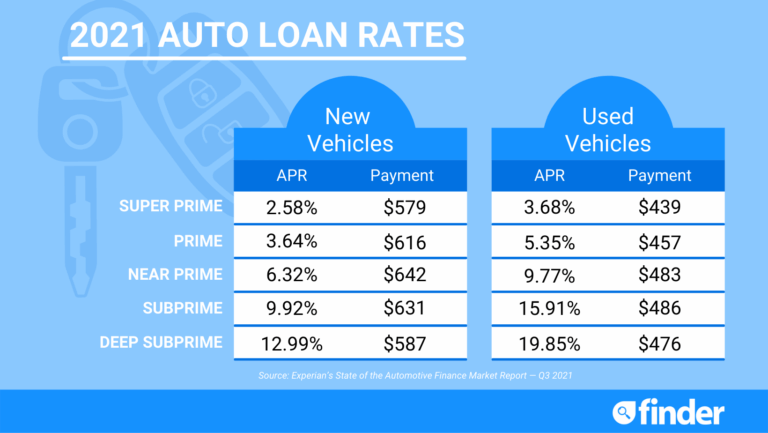
Impact and Example: Imagine you have a car loan with a 12% interest rate. Under SCRA, your lender is legally required to reduce that rate to 6% for the entire period of your active duty. This can translate into hundreds or even thousands of dollars in savings, freeing up vital funds for other necessities. For example, on a $20,000 loan, reducing the interest rate from 12% to 6% could save you over $100 per month in interest payments alone.
Pro Tip from Us: Do not wait for your lender to apply this automatically. Based on my experience, servicemembers often miss out on this benefit because they assume their financial institution will proactively adjust their rates. It is your responsibility to notify your lender in writing and provide the necessary documentation. Always keep a copy of your request and any correspondence for your records.
2. Protection Against Repossession
SCRA also offers critical protection against the repossession of your vehicle. This provision is designed to prevent servicemembers from losing essential transportation while serving their country.
The Rule: If you entered into a car loan or lease agreement before active duty, your vehicle cannot be repossessed by the lender without a court order during your period of service. This protection extends for a period of time after your active duty ends, typically 90 days, though specific state laws may vary.
What it Means for You: This means if you fall behind on payments due to military service, your lender cannot simply take your car back. They must go through the legal process of obtaining a court order, which provides you with an opportunity to appear in court and explain your situation. The court then has the discretion to stay the proceedings, adjust the terms of the loan, or make other equitable arrangements.
Common Mistakes to Avoid: A common mistake to avoid is ignoring communication from your lender if you are struggling to make payments. While SCRA offers protection, it doesn’t absolve you of your debt. Proactive communication with your lender is always the best approach, even with SCRA protections in place.
3. Lease Termination Benefits (Vehicle-Related Relief)
While not direct "loan forgiveness," SCRA also provides protections for vehicle leases, which is a related form of vehicle financing. This can be a huge relief for servicemembers facing deployments or PCS moves.
Conditions for Termination: You can terminate a vehicle lease early without penalty under specific circumstances:
- You receive military orders for a permanent change of station (PCS) from a location in the continental United States to a location outside the continental United States, or vice versa.
- You receive military orders for a PCS to a location that does not allow you to use your leased vehicle.
- You receive orders to deploy for a period of 180 days or more.
The Process: To terminate a lease, you must deliver written notice to the lessor, along with a copy of your military orders. The termination becomes effective 30 days after the next scheduled payment due date following the date the notice is delivered. Any lease payments due after the effective date must be refunded.
This benefit ensures you aren’t stuck paying for a vehicle you cannot use or transport due to your service obligations. It’s a vital piece of the financial puzzle for many military families.
Beyond SCRA: Other Avenues for Military Car Loan Relief
While SCRA is a powerful federal law, it’s not the only resource available to servicemembers seeking car loan relief. Several other programs, organizations, and strategies can provide much-needed assistance. Exploring these options can offer additional layers of support.
1. Lender-Specific Military Programs and Hardship Policies
Many financial institutions, particularly those that cater to the military community, offer their own specific programs or flexible policies for servicemembers. These can go above and beyond SCRA requirements.
Examples: Lenders like USAA, Navy Federal Credit Union, and other credit unions often have a deeper understanding of military life. They may offer:
- Payment Deferment: Allowing you to pause payments for a few months without penalty, with the payments added to the end of your loan term.
- Forbearance: Similar to deferment, but interest may continue to accrue.
- Modified Payment Plans: Adjusting your monthly payment amount or due date to better suit your financial situation.
- Waiver of Fees: Waiving late fees or other penalties during times of hardship.
Pro Tip from Us: Always communicate with your lender as soon as you anticipate financial difficulty or a significant change in your military status (e.g., deployment orders). Don’t wait until you’ve missed payments. Many lenders are willing to work with servicemembers who are proactive and transparent. Explain your situation clearly and ask about their specific military relief or hardship programs.
2. Military Aid Societies: Emergency Financial Assistance
Each branch of the military has its own aid society, dedicated to providing emergency financial assistance to active-duty and retired servicemembers and their families. While they don’t directly "forgive" car loans, they can offer grants or interest-free loans to help with emergency financial needs, which might indirectly alleviate pressure on car payments.
These organizations include:
- Army Emergency Relief (AER): For Soldiers and their families.
- Navy-Marine Corps Relief Society (NMCRS): For Sailors, Marines, and their families.
- Air Force Aid Society (AFAS): For Airmen, Guardians, and their families.
- Coast Guard Mutual Assistance (CGMA): For Coast Guard members and their families.
How They Can Help: If a sudden, unexpected expense (like a medical emergency or a critical home repair) is making it impossible to afford your car payment, these societies can provide assistance. This frees up your funds to meet your essential vehicle obligations. They often require a detailed application and a budget review, but their support can be a lifesaver during critical times.
3. Financial Counseling Services
Sometimes, the best form of relief is expert guidance. Several organizations offer free or low-cost financial counseling services specifically tailored for servicemembers.
Key Resources:
- Military OneSource: This is a Department of Defense-funded program providing free financial counseling, tax services, and much more to active-duty, National Guard, and Reserve members, and their families. Their financial counselors can help you budget, manage debt, and even act as an intermediary with lenders.
- Non-profit Credit Counseling Agencies: Organizations accredited by the National Foundation for Credit Counseling (NFCC) can help you create a debt management plan, negotiate with creditors, and provide education on financial literacy.
Value Proposition: These counselors can help you assess your overall financial picture, identify potential areas for savings, and explore all available relief options, including those for your car loan. They can also ensure you’re not missing out on any benefits you’re entitled to. For more comprehensive strategies on managing military debt, check out our article on .
4. State-Specific Protections
While SCRA is a federal law, some states may offer additional protections for servicemembers regarding financial obligations. These can vary widely, so it’s worth investigating your specific state’s laws if you’re facing significant financial hardship. A quick search for " military financial protections" can be a good starting point.
Special Scenarios and Considerations for Military Car Loans
Military life is anything but static. Various events can impact your financial stability and, consequently, your ability to manage car loan payments. Understanding how these special scenarios interact with your loan obligations and available relief is crucial.
1. Permanent Change of Station (PCS) Moves
A PCS order can bring significant logistical and financial challenges. Moving your vehicle across the country or overseas involves costs and potential delays.
Impact on Loans: During a PCS, you might face temporary income disruptions, unexpected moving expenses, or the need to adapt to a new cost of living. If your vehicle is being shipped, you might be without it for a period, yet still obligated to make payments. This is where proactive communication with your lender about deferment or forbearance options becomes vital.
Vehicle Decisions: A PCS might also prompt a decision about keeping your current vehicle. Sometimes, selling your car before a move and purchasing another at your new duty station is more financially sensible than shipping it, especially if it’s an older model or has high mileage. Factor in shipping costs versus the value of your vehicle.
2. Deployments and Their Financial Strain
Deployments are perhaps the most impactful event on a servicemember’s finances. The stress of being away from family, combined with potential changes in income (e.g., loss of certain allowances or spouse’s income if they stop working to care for children), can create significant financial strain.
Communication Challenges: Being deployed can make it difficult to communicate with lenders or handle financial paperwork. This is where designating a trusted power of attorney (POA) or ensuring your spouse is fully aware of financial accounts and processes becomes essential. Your POA can act on your behalf to request SCRA benefits or negotiate with lenders.
Proactive Planning: Before deployment, it’s critical to review all your financial obligations, including car loans. Set up automatic payments where possible, and ensure your designated contact person has all necessary information and authority to manage your affairs.
3. Disability or Medical Discharge
For servicemembers who experience a disability or receive a medical discharge, the financial landscape can shift dramatically. While not directly "forgiveness," there are often grants and assistance programs from veterans’ organizations that can indirectly help.
Resources: Organizations like the Wounded Warrior Project, Disabled American Veterans (DAV), and the Department of Veterans Affairs (VA) offer various forms of support. While these may not directly address car loans, grants for housing modifications, medical expenses, or general financial hardship can free up funds to cover vehicle payments. Explore VA benefits and connect with veteran service officers (VSOs) who can guide you through available resources.
4. Spousal Protections
It’s important to remember that SCRA benefits often extend to spouses under certain conditions. For example, the 6% interest rate cap applies to loans incurred jointly by the servicemember and their spouse before active duty.
Understanding Joint Accounts: If a car loan is in both names, the spouse can also invoke SCRA protections. However, it’s crucial to understand the specific terms and conditions. For sole obligations of the spouse, SCRA generally does not apply, but lenders may still offer hardship programs. Always verify with your lender and be prepared to provide military orders.
The Application Process: Steps to Take for Car Loan Relief
Securing military car loan relief isn’t always automatic. It requires proactive effort and careful documentation. Following these steps will significantly increase your chances of successfully obtaining the benefits you deserve.
1. Gather All Necessary Documentation
Preparation is key. Before contacting your lender, ensure you have all relevant paperwork readily available.
Key Documents:
- Military Orders: Official copies of your active duty orders, deployment orders, or PCS orders. These are crucial for proving your eligibility for SCRA benefits.
- Loan Documents: Your original car loan agreement, including the date the loan was initiated, the interest rate, and the loan amount.
- Proof of Active Duty: In addition to orders, a letter from your commanding officer or a copy of your Leave and Earnings Statement (LES) can serve as additional proof.
- Correspondence Records: Any previous communication with your lender regarding your loan.
2. Communicate Early and Clearly with Your Lender
Do not wait until you are delinquent on payments. As soon as you anticipate a financial challenge due to your military service, reach out to your lender.
Initial Contact: Call their customer service line and specifically ask to speak with someone who handles military accounts or SCRA requests. Explain your situation calmly and clearly, stating your military status and the specific relief you are seeking (e.g., 6% interest rate cap, payment deferment).
3. Submit Requests in Writing
While a phone call is a good first step, always follow up with a written request. This creates a paper trail, which is invaluable if there are any disputes later.
What to Include:
- Your name, address, and contact information.
- Your loan account number.
- A clear statement requesting SCRA benefits or other specific relief.
- A copy of your military orders.
- The effective date for the requested relief.
- A polite but firm request for written confirmation of the changes made to your account.
Delivery Method: Send your written request via certified mail with a return receipt requested. This provides proof that your letter was sent and received. Alternatively, if submitting online, save screenshots or confirmation emails.
4. Follow Up and Keep Meticulous Records
The process might not always be instantaneous. Be prepared to follow up if you don’t receive a timely response.
Persistence is Key: If you don’t hear back within a reasonable timeframe (e.g., 10-15 business days), follow up with another call or email, referencing your previous written request. Always document the date, time, and name of the person you spoke with during phone calls.
Record Keeping: Maintain a dedicated folder (physical or digital) for all correspondence related to your car loan and military benefits. This includes copies of your orders, all letters to and from your lender, certified mail receipts, and notes from phone conversations. This meticulous record-keeping will protect you if any issues arise.
Pro Tips for Securing Military Car Loan Relief
Navigating financial relief options can feel overwhelming, but with the right approach, you can successfully secure the assistance you need. Here are some expert tips to guide you.
1. Know Your Rights
The most powerful tool you have is knowledge. Understand the specifics of SCRA and other military benefits. Don’t rely solely on what your lender tells you; verify the information yourself. Resources like the Department of Justice’s SCRA website (an excellent external resource: https://www.justice.gov/servicemembers/servicemembers-civil-relief-act-scra) provide detailed information.
2. Keep Meticulous Records
As emphasized earlier, documentation is your best friend. Every phone call, every letter, every email – log it and save it. This paper trail can be invaluable if you encounter resistance or errors from your lender.
3. Seek Professional Advice
Don’t hesitate to reach out for help.
- JAG Legal Assistance: Your installation’s Judge Advocate General (JAG) office offers free legal advice to servicemembers and their families on SCRA and other legal matters.
- Financial Counselors: Military OneSource and non-profit credit counseling agencies can provide personalized guidance and advocacy.
These professionals can help you understand complex regulations and ensure you’re applying for all eligible benefits.
4. Don’t Wait Until It’s Too Late
Proactivity is crucial. Address potential financial issues before they escalate into missed payments or defaults. The sooner you act, the more options you will likely have.
5. Understand the Difference Between Deferment, Forbearance, and Forgiveness
These terms are often used interchangeably, but they have distinct meanings:
- Deferment: Temporarily pauses payments, and interest generally does not accrue during this period.
- Forbearance: Temporarily pauses or reduces payments, but interest does typically accrue, meaning your total debt increases.
- Forgiveness: The complete cancellation of some or all of your debt. This is the rarest for car loans.
SCRA’s interest rate cap is a form of interest "forgiveness" for the portion above 6%, but it’s not a forgiveness of the principal. Ensure you understand the specific terms of any relief offered by your lender.
6. Explore All Available Resources
Look beyond just your direct lender. Military aid societies, veterans’ organizations, and state programs might offer supplementary support. If you’re exploring options beyond car loans, our guide on might also be helpful for your overall financial planning.
Conclusion: Empowering Our Servicemembers with Financial Stability
While the concept of "Military Car Loan Forgiveness" is more accurately described as comprehensive financial relief and protection, the resources available to our servicemembers are undeniably significant. From the federal safeguards of the Servicemembers Civil Relief Act (SCRA) with its crucial interest rate cap and repossession protections, to the compassionate support offered by military aid societies and lender-specific programs, there are multiple avenues to ease the financial burdens of car ownership during military service.
The key to successfully navigating these options lies in proactive engagement, thorough documentation, and a clear understanding of your rights. Our servicemembers dedicate their lives to protecting our nation, and they deserve robust support in managing their financial well-being. By utilizing the information and strategies outlined in this guide, you can ensure that your car loan doesn’t become an unnecessary source of stress, allowing you to focus on your vital mission.
Remember, you are not alone in this journey. Seek out the resources available to you, leverage the expertise of financial counselors, and advocate for yourself. Your service is valued, and your financial stability is a priority. We encourage you to share your experiences and continue to seek assistance whenever needed.