Navigating the Long Road: Your Ultimate Guide to Six-Year Car Loans
Navigating the Long Road: Your Ultimate Guide to Six-Year Car Loans Carloan.Guidemechanic.com
Buying a car is one of life’s significant financial decisions, and for many, it represents freedom, convenience, and a step forward. However, the path to vehicle ownership is often paved with complex financing choices. Among the most popular options available today are six-year car loans, also known as 72-month auto loans. These extended financing terms have become increasingly common, drawing in buyers with the allure of lower monthly payments. But are they truly the golden ticket to your dream car, or do they come with hidden costs and potential pitfalls?
As an expert blogger and professional SEO content writer with years of experience navigating the automotive finance landscape, I’ve seen firsthand how these loans can both benefit and challenge car buyers. My mission with this comprehensive guide is to demystify six-year car loans, providing you with the in-depth knowledge and practical advice you need to make an informed decision. We’ll explore everything from their advantages and disadvantages to how to secure the best terms and avoid common mistakes. By the end of this article, you’ll be equipped to determine if a 72-month car loan is the right financial road for you.
Navigating the Long Road: Your Ultimate Guide to Six-Year Car Loans
What Exactly is a Six-Year Car Loan?
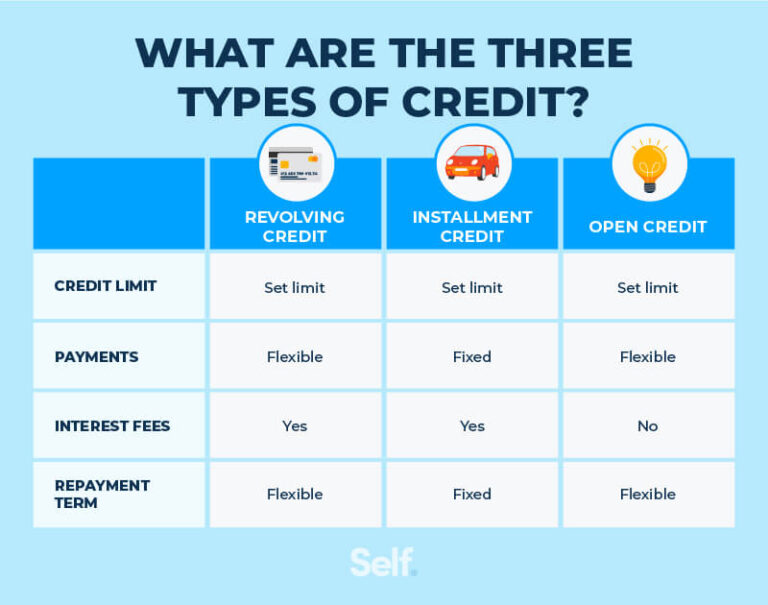
A six-year car loan, or a 72-month car loan, is an installment loan specifically designed for purchasing a vehicle, where the repayment period is stretched over 72 consecutive months. This extended duration is significantly longer than traditional car loan terms, which typically range from three to five years (36 to 60 months).
The primary appeal of these longer terms lies in their ability to reduce the monthly payment amount. By spreading the total loan amount over more payments, each individual payment becomes smaller, making higher-priced vehicles seem more affordable within a buyer’s monthly budget. This accessibility has made 72-month loans a popular choice for many consumers, especially those looking to drive newer or more feature-rich vehicles without a corresponding increase in their immediate cash outflow.
The Allure of Extended Financing: Advantages of a Six-Year Car Loan
There’s a clear reason why six-year car loans have gained so much traction in the market. They offer several compelling benefits that can make car ownership more attainable for a wider range of people.
Lower Monthly Payments
The most significant advantage, and often the main driver for choosing a 72-month term, is the reduced monthly payment. When you extend the repayment period, the principal amount is divided into smaller increments over a longer time. This effectively lowers the amount you need to pay out of pocket each month.
For many individuals and families, this translates into greater financial flexibility. A lower payment can free up cash flow for other essential expenses, savings, or investments. It might also allow you to afford a slightly more expensive vehicle or one with advanced safety features that would be out of reach with a shorter loan term.
Access to Newer or More Feature-Rich Vehicles
With lower monthly payments, you might find that the car you previously considered out of your budget is now within reach. This allows buyers to access newer models, vehicles with advanced technology, or cars with higher trim levels that offer better comfort, performance, or safety features.
Based on my experience, many buyers opt for longer terms to "upgrade" their vehicle choice without feeling the immediate financial strain. It can be tempting to get more car for what seems like a manageable monthly cost, even if the overall cost increases.
Improved Budget Management
A predictable, lower monthly payment can be a huge benefit for budget management. When your car payment takes up a smaller percentage of your monthly income, it’s easier to balance your budget and plan for other financial obligations. This predictability can reduce financial stress and provide a sense of stability.
Pro tips from us suggest that understanding your monthly cash flow is paramount. A 72-month loan can be a strategic tool for those who prioritize consistent, lower outflows, provided they are aware of the long-term implications.
The Long Road Ahead: Disadvantages and Risks of a Six-Year Car Loan
While the benefits are attractive, it’s crucial to understand that six-year car loans come with a set of significant drawbacks and risks. These extended terms are not without their trade-offs, and ignoring them can lead to financial difficulties down the road.
Higher Total Interest Paid
This is arguably the most substantial disadvantage. While your monthly payments are lower, you end up paying significantly more in total interest over the life of the loan. Lenders charge interest for the privilege of borrowing their money, and the longer you borrow it, the more interest accrues.
Even if your interest rate is relatively low, extending the term by two or three years can add hundreds, if not thousands, of dollars to the total cost of your vehicle. This is a critical point that many buyers overlook when focusing solely on the monthly payment. It’s essential to look at the "total cost" of the loan, not just the monthly figure.
Increased Risk of Negative Equity (Being Upside Down)
Negative equity, or being "upside down" on your car loan, means you owe more on the car than it’s currently worth. This is a common and dangerous trap with six-year car loans. Cars depreciate rapidly, especially in the first few years. With a longer loan term, your principal balance decreases at a slower rate than the car’s value.
Common mistakes to avoid are underestimating the speed of depreciation. If you need to sell or trade in your car before the loan is paid off, you might find yourself in a position where the trade-in value isn’t enough to cover the remaining loan balance. This means you’d have to pay the difference out of pocket or roll the negative equity into your next car loan, perpetuating the cycle.
Longer Period of Debt
Committing to a car loan for six years means you’ll be tied to that debt for a substantial period. This can impact your ability to take on other financial commitments, such as a mortgage, student loans, or personal loans. It also means that a significant portion of your income will be allocated to a depreciating asset for a longer time.
Life circumstances can change dramatically over six years. You might change jobs, start a family, or face unexpected expenses. Being locked into a long-term debt can limit your financial flexibility and make it harder to adapt to these changes.
Higher Maintenance Costs as the Car Ages
As your car approaches the four, five, and six-year mark, it’s more likely to require significant maintenance and repairs. Parts wear out, and systems can fail. These costs can add up quickly, especially if your car’s manufacturer warranty has expired, which it most likely will within a 72-month loan term.
Imagine paying for a car that is constantly in the shop, all while still making loan payments. This scenario is a real possibility with extended car loans and can create a significant financial burden.
Key Factors to Consider Before Committing to a Six-Year Car Loan
Before you sign on the dotted line for a six-year car loan, it’s crucial to weigh several factors carefully. Making an informed decision requires looking beyond the appealing monthly payment.
Your Credit Score and Interest Rate
Your credit score plays a pivotal role in determining the interest rate you’ll receive on any car loan, including a 72-month one. Borrowers with excellent credit scores (typically 700+) will qualify for the lowest rates, which can somewhat mitigate the increased total interest associated with longer terms. However, those with average or poor credit might face significantly higher rates, amplifying the total cost of the loan over six years.
Pro tips from us suggest checking your credit score before you even start shopping for a car. Knowing where you stand allows you to anticipate your rate and negotiate more effectively. A good credit score can save you thousands over the life of the loan.
The Vehicle’s Depreciation Rate
Not all vehicles depreciate at the same rate. Some models hold their value better than others. Researching the specific depreciation rate of the car you’re interested in is vital, especially when considering a longer loan term. Cars that depreciate quickly are more likely to put you in a negative equity position sooner.
Based on my experience, luxury cars and certain models with limited resale appeal tend to depreciate faster. Conversely, popular economy cars or models known for reliability often retain their value better. Understanding this can help you choose a vehicle that minimizes your risk of being upside down.
Your Financial Stability and Future Plans
Consider your current job security, potential changes in income, and any major life events on the horizon over the next six years. Are you planning to start a family, buy a house, or change careers? A long-term car loan can impact your ability to achieve these other financial goals.
A six-year car loan is a long-term commitment. Ensure your financial situation is stable enough to comfortably manage the payments, even if unexpected circumstances arise. Having an emergency fund is always a good idea, but it’s even more critical when you have long-term debt.
Down Payment Amount
Making a substantial down payment can significantly reduce the amount you need to borrow, thereby lowering your monthly payments and the total interest paid. More importantly, a larger down payment helps to create an immediate buffer against depreciation, reducing your risk of negative equity.
Common mistakes to avoid are putting down little to no money on a car, especially with a 72-month loan. Aim for at least 10-20% of the vehicle’s price if possible. This upfront investment can save you a lot of financial headaches later on.
How to Secure a Six-Year Car Loan (and Make it Work for You)
If, after careful consideration, you decide a six-year car loan is the right choice for your circumstances, there are specific steps you can take to ensure you get the best possible terms and manage the loan effectively.
1. Shop Around for the Best Rates
Do not settle for the first loan offer you receive, especially from the dealership. While convenient, dealership financing may not always offer the most competitive rates.
- Banks and Credit Unions: Start by getting pre-approved for a loan from your bank or a local credit union. Credit unions, in particular, often offer lower interest rates and more flexible terms to their members.
- Online Lenders: Explore online lending platforms that specialize in auto loans. They can often provide competitive rates and a streamlined application process.
Getting pre-approved gives you leverage when negotiating with dealerships, as you’ll know the best rate you qualify for before stepping onto the lot.
2. Understand All Loan Terms and Fees
Beyond the interest rate and monthly payment, thoroughly review the entire loan agreement. Look for:
- Origination Fees: Some lenders charge a fee for processing the loan.
- Prepayment Penalties: Ensure there are no penalties for paying off the loan early, which gives you flexibility if your financial situation improves.
- Total Cost of the Loan: Ask for the total amount you will pay over the six years, including all interest and fees. This is the true cost of your borrowing.
Based on my experience, transparency is key. Don’t hesitate to ask questions until you fully understand every clause in the contract.
3. Consider Additional Insurance (GAP Coverage)
Given the increased risk of negative equity with a 72-month loan, Guaranteed Asset Protection (GAP) insurance becomes particularly important. GAP insurance covers the difference between what you owe on your loan and the car’s actual cash value if your vehicle is totaled or stolen.
This coverage can save you from a significant financial burden if an unfortunate event occurs early in your loan term. Pro tips from us recommend asking your auto insurance provider for GAP coverage, as it’s often cheaper than buying it through the dealership.
4. Create a Realistic Budget
Before committing, create a detailed budget that includes not only your car payment but also other car-related expenses like insurance, fuel, maintenance, and potential repair costs.
Ensure the combined total is comfortably within your monthly financial capacity. Common mistakes to avoid are only factoring in the monthly payment and forgetting the ongoing costs of car ownership. A car is an investment, but it’s also an expense generator.
Alternatives to a Six-Year Car Loan
If the disadvantages of a six-year car loan outweigh the benefits for your situation, don’t despair! There are several other viable options for financing your vehicle.
Shorter Loan Terms (36-60 Months)
Opting for a 36-month, 48-month, or 60-month loan term will result in higher monthly payments but significantly lower total interest paid and a faster path to ownership. You’ll build equity quicker and reduce your risk of being upside down. This is often the recommended path if your budget allows for the higher monthly outlay.
Buying a Used Car
A used car, particularly one that is a few years old, has already undergone its most significant depreciation. This means you can often get a reliable vehicle for a lower purchase price, reducing the amount you need to borrow and thus the overall interest.
Based on my experience, a well-maintained used car can offer excellent value and a more manageable financing scenario.
Leasing a Vehicle
Leasing is an option where you essentially rent a new car for a fixed period (typically 2-4 years) with a mileage limit. You make monthly payments, but you don’t own the car at the end of the term. This can result in lower monthly payments than purchasing a new car, but you have no equity. It’s a good option for those who like to drive new cars frequently and don’t want the hassle of selling.
Saving for a Larger Down Payment
If your desired car is currently out of budget, consider waiting a few months and saving up a larger down payment. The more you put down upfront, the less you need to finance, leading to lower monthly payments, less interest, and a reduced risk of negative equity. This strategy empowers you financially.
Final Thoughts: Is a Six-Year Car Loan Right for You?
The decision to take on a six-year car loan is a personal one, with no single answer fitting everyone. For some, the lower monthly payments offer the only feasible path to owning a reliable vehicle, providing essential transportation for work or family. For others, the long-term costs and risks associated with negative equity make it an undesirable option.
Based on my professional experience in the financial and automotive sectors, I advise extreme caution. While the immediate relief of a lower monthly payment is attractive, it often masks a higher total cost and increased financial vulnerability. Always prioritize the total cost of the loan and your financial health over the allure of a seemingly affordable monthly payment.
Before making any commitment, conduct thorough research, compare multiple offers, and honestly assess your financial situation and future goals. Don’t let the excitement of a new car cloud your judgment. Remember, the goal is not just to buy a car, but to do so in a way that strengthens, rather than jeopardizes, your financial future. By understanding all aspects of a 72-month car loan, you can drive away with confidence, knowing you’ve made the best decision for your wallet and your peace of mind.